

International Day of Families: Keeping the flame of love alive in modern life
WVR - Everyone should spend more time with their loved ones. After all, family is always the most peaceful place to return to, the source of love...
Latest
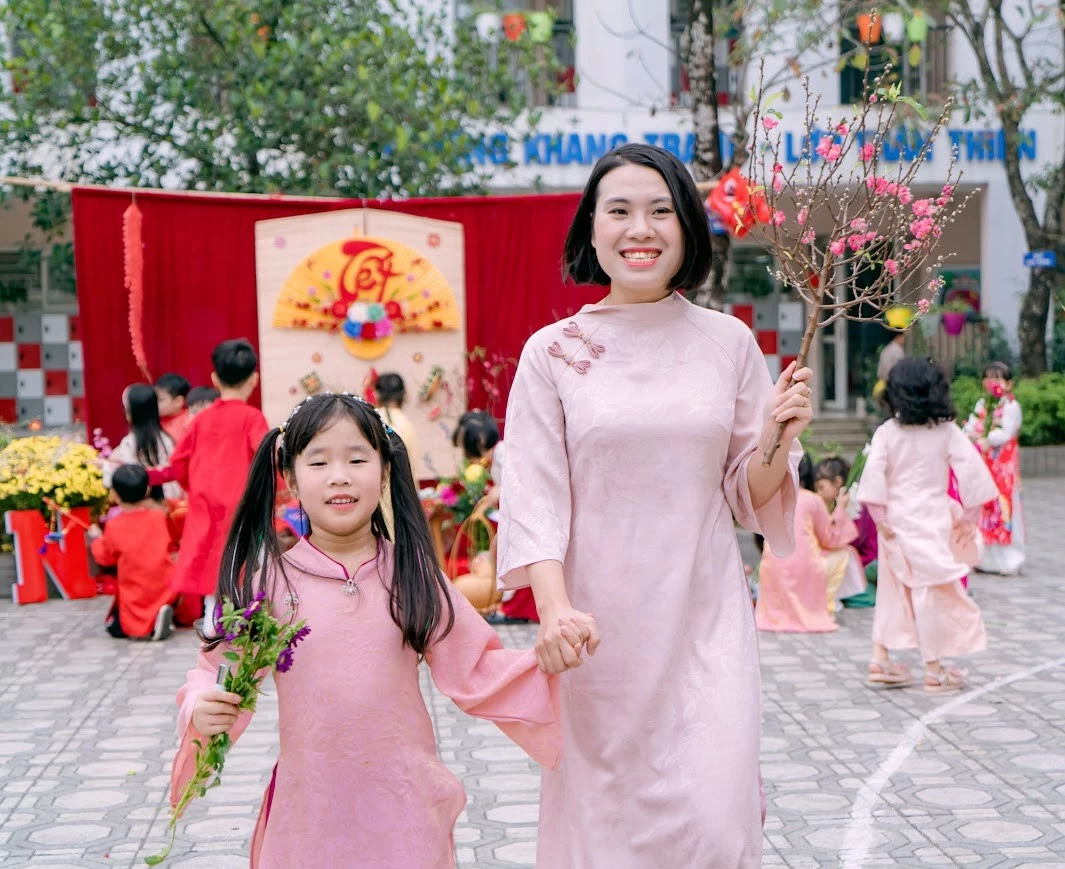 |
| Women today are not only the keepers of the family flame but also play an important role in labour and social development. (Photo: Phuong Quyen) |
In the journey of sustainable human development, family has always been the first and most enduring support for each individual. Amid the many changes of modern life, the traditional values of Vietnamese families quietly nurture character, compassion, and community spirit. The International Day of Families (May 15) is not only an occasion to honour the home but also a reminder for everyone of the responsibility to preserve the beautiful values that have shaped the cultural identity of the nation through generations.
The foundation of happiness and sustainable development
Each year, the International Day of Families (May 15) becomes an occasion for people worldwide to reflect on the role of family in social life. In the context of the world moving towards the goals of the 2030 Agenda for Sustainable Development, such as eradicating poverty, improving quality of life, protecting the environment, and promoting social equality, family is still considered the most important nucleus to realize these goals.
It is no coincidence that every nation regards family as the foundation of society. A sustainably developed society is measured not only by economic growth rates but also by the quality of human life, the peace within each home, and how people love and care for each other in the simplest of ways during each meal.
In the family, children are nurtured with love and early lessons in character. The elderly have a place to rely on, receiving care and support. Adults, after the pressures of life, always have a place to return to. Therefore, family is not only a place to live but also a place for healing and sharing.
In our country, family holds an even deeper meaning. Over thousands of years of history, the Vietnamese family has been formed on the foundation of morality, affection, and attachment. From a mother's lullaby, a grandmother's story, to simple teachings like "respect the elders, support the young", "siblings support each other", "the gourd loves the pumpkin"... every Vietnamese grows up in the flow of love and responsibility.
Perhaps that is why, despite modern life changing many values and lifestyles, Vietnamese families always maintain the sacred connection between generations. In many families, dinner is still a precious time for everyone to gather together. Holidays and Tet are still times for family reunions. These seemingly small things are where the cultural identity of the nation is preserved.
During his lifetime, President Ho Chi Minh always emphasized the role of family. According to him, many families make up society, a good family leads to a good society, and a good society further enhances the family, with the family being the nucleus of society. This statement remains valid today. A humane society must begin with families that know how to love, respect, and take responsibility for one another.
In the journey of Vietnamese national development, Party and State always value the role of family and family culture. Building a cultural family and fostering the connection between family, school, and society is not only to preserve tradition but also to create a foundation for the development of Vietnamese people in the new era.
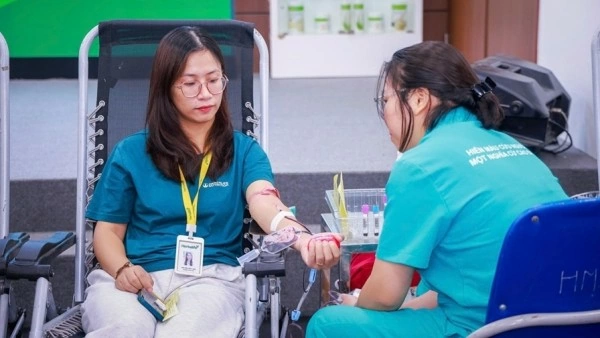
On May 6, 2026, Deputy Prime Minister Pham Thi Thanh Tra signed Directive No. 17/CT-TTg dated May 6, 2026, from the Prime Minister on organizing periodic health check-ups or free screenings for citizens. On the same day, the Ministry of Health issued Decision No. 1272/QD-BYT - Approving the Plan to implement the task of periodic health check-ups or free screenings at least once a year for citizens, to be organized nationwide.
 |
| The International Day of Families is a gentle yet profound reminder that amid the changes of the era, family remains the most precious thing that needs to be preserved. (Illustrative photo: Internet) |
Today, with the development of technology and modern life, Vietnamese families are facing many changes. Busy lives mean less time for each other. Many young people are engrossed in work, social media, or personal pressures, inadvertently neglecting family care. Generational gaps sometimes become barriers to sharing and understanding.
However, in modern society, people increasingly recognize the value of a peaceful home. After life's upheavals, what comforts people the most is the waiting light at each home, a meal with someone to ask about their day, and the presence of loved ones.
In a conversation with newspaper The World and Vietnam Report, National Assembly deputy Bui Hoai Son emphasized: "Family culture in today's era is facing many complex issues due to the rapid changes in society and the development of technology. Some issues exist in family culture, such as dependence on electronic devices and social media, leading to less direct communication among family members. Busy work and dense study schedules reduce family time."
According to Bui Hoai Son, the differences between the younger generation and older adults in lifestyle perspectives and views on traditional values lead to the younger generation sometimes not fully understanding and respecting the values that the previous generation holds dear, and vice versa. Another issue is the pragmatic lifestyle, where many family members pursue material values, and personal success can dilute emotional values and family bonds. They prioritize work and personal success, which can lead to neglecting their roles and responsibilities.
Additionally, issues arising from the pressure of success in studies and work make family members feel stressed and tired, or excessive use of technology can lead to addiction, reducing family connection.
Thus, preserving the beauty of Vietnamese families today does not mean maintaining every old custom but knowing how to continue the good values in a spirit suitable for the times. It is about filial piety to grandparents and parents, parents listening to their children instead of imposing, and each member sharing responsibilities and showing love through specific actions.
A happy family does not need to be wealthy or perfect. What matters is that members care for, understand, and accompany each other. In the digital age, sometimes just spending a little time talking with loved ones, sharing a complete meal, or checking in after a long day is enough to keep the family flame alive.
Moreover, building a progressive, equal, and civilized family is also a requirement of modern society. Women today are not only the keepers of the flame but also play an important role in labour and social development. Men also need to share the responsibility of caring for the family and raising children. When all members are respected and have the opportunity to develop, the family will become a place that nurtures sustainable happiness.
The precious thing about Vietnamese families is that no matter the circumstances, the spirit of solidarity and love is always present. In natural disasters, epidemics, or difficulties, Vietnamese people always look to their family as a great source of spiritual strength. From shared meals during the pandemic to children far from home longing for the day of reunion, all show that family is still the anchor of the Vietnamese soul.
Offering solutions, National Assembly deputy Bui Hoai Son suggests increasing communication and connection within the family by setting specific times for joint activities such as meals, outings, or family entertainment activities; creating an open environment for members to share emotions, thoughts, and listen to each other sincerely. At the same time, parents should share with their children about traditional values and family history so that children understand and appreciate them. Encourage generations to learn from each other, respecting each other's perspectives and values.
Manage technology usage time by setting clear rules about phone and tablet usage, especially during family activities, and organizing non-technology-related activities such as reading, playing sports, and participating in social activities. Reduce pressure and create a healthy family environment, ensuring all members feel supported and loved, especially during difficult times, creating a family environment where everyone can relax, have fun, and relieve stress.
Finally, develop soft skills by practicing communication, listening, and constructive conflict resolution skills, while teaching children about responsibility to family, society, and basic ethical values.
It can be said that the International Day of Families is a gentle yet profound reminder that amid the changes of the era, family remains the most precious thing that needs to be preserved. A country that wants sustainable development must start with happy families, and a society that wants to be humane must be built on the love within each home.
When each family knows how to nurture compassion, sharing, and a sense of responsibility, that is also when the good values of the nation are sustainably continued through generations. So that everyone understands that the meaningful thing is not the flowery wishes on phones or social media, but in spending more time with their family. After all, family is always the most peaceful place to return to, the source of love and a steadfast support for each person.