








Hanoi Convention marks global advancement in cybercrime cooperation
WVR - According to Dr. Vu Viet Anh, a researcher at the Cybercrime Center, University of Cambridge, Hanoi being chosen as the venue for the signing of the United Nations (UN) Convention on Cybercrime, or the Hanoi Convention, reflects the international community's trust and recognition of Vietnam's efforts in establishing a legal framework for cybersecurity and global cooperation.
Latest
From October 25-26, the signing ceremony of the Hanoi Convention took place, with the participation of nearly 100 countries and over 100 regional and international organizations. On this occasion, Dr. Vu Viet Anh, a researcher at the Cybercrime Centre, University of Cambridge, discussed with reporters the significance of the Convention as well as Vietnam's role and contributions in combating cybercrime specifically and addressing global challenges in general.
A more comprehensive and inclusive approach
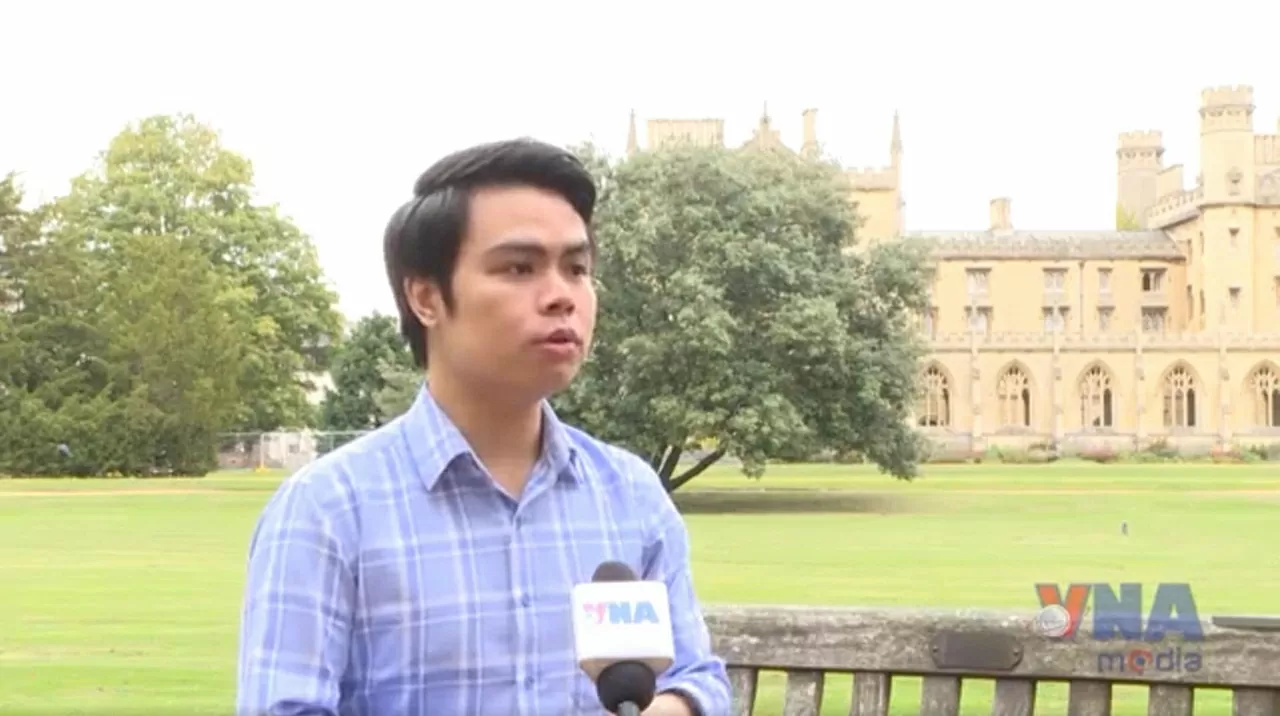 |
| Dr. Vu Viet Anh, a researcher at the Cybercrime Centre, University of Cambridge, answers questions from Vietnamese media. |
According to Dr. Vu Viet Anh, the Hanoi Convention is the UN's first document on combating cybercrime in over 20 years since the Budapest Convention in 2001, which primarily applied to Europe. While the Budapest Convention served as a reference for non-European Council countries, the Hanoi Convention has a global scope, open for all UN member states to sign and implement.
He believes the new Convention represents a more comprehensive approach to technological crime, covering new issues such as electronic evidence, artificial intelligence (AI), and digital money laundering.
"The Hanoi Convention will help establish common standards, unify regulations reflecting the rapidly evolving technological landscape, thereby partially filling the global legal gap and promoting international cooperation in investigating, sharing evidence, and prosecuting cybercriminals more effectively," Dr. Vu Viet Anh stated.
Commenting on Vietnam being chosen as the host for the Convention signing, Dr. Vu Viet Anh noted that this is a significant milestone reflecting Vietnam's credibility, proactive role, and international responsibility. For him, Hanoi being selected as the signing venue reflects the international community's trust and recognition of Vietnam's efforts in building a legal framework for cybersecurity and global cooperation.
Dr. Vu Viet Anh emphasized that a Convention named after Hanoi not only holds deep symbolic meaning but also showcases Vietnam's role as a bridge between developed and developing countries, promoting dialogue and cooperation based on equality, respect for sovereignty, and mutual benefit. In a world with diverse approaches to cyberspace management, Vietnam has demonstrated flexible and skillful intermediary diplomacy in multilateral forums, contributing to international consensus building.
"The event affirms Vietnam's new position in international relations. We have moved from being a participant to becoming a more active contributor in shaping international standards and rules," the expert affirmed.
Opportunities and challenges
Regarding the content of the Hanoi Convention, Dr. Vu Viet Anh pointed out that the document is designed to create a comprehensive legal framework for international cooperation in combating high-tech crime. The Convention unifies definitions of cybercrime activities, including unauthorized access to computer systems, online forgery and fraud, digital money laundering, privacy violations, and AI-related crimes such as scams or social engineering attacks. The researcher mentioned aspects of electronic evidence and data-sharing procedures in cross-border investigations, ensuring both international cooperation and the protection of human rights and national sovereignty.
 |
| The Ministry of Foreign Affairs and the Ministry of Public Security jointly organize an international press conference for the opening ceremony of the UN Convention on Cybercrime in Hanoi (Hanoi Convention). (Photo: Nguyen Hong) |
According to Dr. Vu Viet Anh, the greatest advantage of the Hanoi Convention is its global nature and the broad consensus among UN member states, laying a foundation for more transparent and effective international cooperation in combating cybercrime. The Convention also updates new forms of crime, accurately reflecting the rapid development of technology such as artificial intelligence (AI) and cryptocurrencies.
However, he noted that implementing the Convention still faces many challenges, from the cross-border and anonymous nature of cybercrime, disparities in technical and legal capabilities among countries, to barriers in data protection and privacy rights. This is a complex issue that needs to be harmonized between security requirements, human rights protection, and promoting international cooperation.
Sharing experiences from the UK where he works, Dr. Vu Viet Anh stated that the country has implemented the National Cyber Security Strategy 2022-2030, focusing on protecting critical infrastructure, enhancing the resilience of public services, and expanding cooperation with Interpol and the research community.
Based on this experience, the expert suggested that Vietnam should prioritize protecting essential infrastructures such as healthcare, energy, finance, and citizen data systems, as these areas are the most vulnerable targets during digital transformation. Additionally, Vietnam should develop a long-term cybersecurity strategy and flexible legal framework, drawing from models in the UK and the European Union, while enhancing international cooperation in information sharing, joint investigations, and researching advanced technologies like AI and blockchain to trace criminals.
Finally, Dr. Vu Viet Anh highlighted the importance of education and raising community awareness about digital safety, especially for vulnerable groups such as the elderly, students, and pupils.
"They need to be equipped with skills to recognize scams and increase vigilance when participating in the online environment, as most incidents stem from user negligence," he concluded.
In summary, the Hanoi Convention is not only a historic milestone in international cooperation on combating cybercrime but also clearly demonstrates Vietnam's increasingly proactive role and global responsibility. Hanoi being chosen as the venue for signing this important document shows the international community's trust in Vietnam as a reliable partner and a bridge between nations and regions. In the context of rapidly advancing digital technology and increasingly sophisticated cybercrime, the Hanoi Convention opens opportunities for countries to act together, build trust, and enhance cooperation for a safe, humane, and sustainable cyberspace for all.
The opening ceremony of the UN Convention against Cybercrime with the theme "Combating Cybercrime - Sharing Responsibility - Looking to the Future" will be held on October 25 and 26, 2025, in Hanoi. More than 100 delegations representing UN member states and international organizations, led by senior leaders, ministers, and heads of international organizations, have confirmed their attendance at the opening ceremony. |