





Energy – Key factor in Vietnam's AI development goals
WVR - According to Dr James Kang, Senior Lecturer in Computer Science at RMIT University Vietnam and Mr. Tran Quy Hung, an AI expert and PhD candidate at RMIT University Vietnam, reliable, affordable energy must be treated as a strategic foundation of Vietnam’s AI ambitions, alongside data, chips and computing infrastructure.
Latest
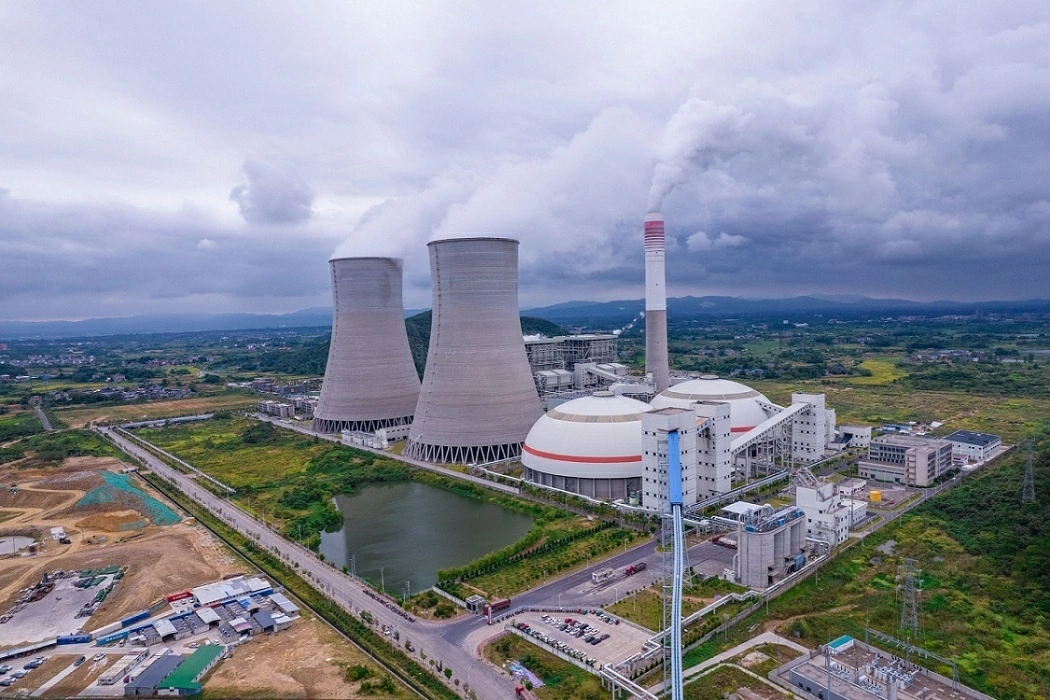 |
| Reliable energy is vital to Vietnam’s AI future. (Source: Pexels) |
Artificial intelligence (AI) sovereignty has at least four foundations: algorithms, data, chips and energy. Among them, Vietnam has an area where it can make a strategic choice of its own: energy.
AI does not live in the cloud. It runs on physical machines in data centres, and those machines need electricity continuously for computing and cooling. If Vietnam wants genuine AI sovereignty, energy sovereignty must be part of the conversation.
AI ambitions will depend on reliable power
The scale of Vietnam's emerging AI infrastructure is already significant. Vietnam currently has 41 active data centres with a combined power capacity of about 221 megawatts. Viettel is also developing a 140-megawatt hyperscale facility in Ho Chi Minh City, while other large projects are being planned.
As a result, the issue is not simply how many megawatts Vietnam can generate, but whether enough electricity can be delivered reliably to facilities that cannot afford interruptions. On this basis, Vietnam may have a better opportunity by developing specialised AI around Vietnamese data, language and industries where local knowledge matters.
Specialised AI still needs computing infrastructure, which needs data centres. And data centres need reliable electricity. Energy is therefore not separate from AI sovereignty; it is one of its foundations.
Cooling could become a strategic advantage
Data centres also require substantial electricity to remove the heat generated by their servers. Studies commonly estimate that cooling accounts for around 30-40 per cent of total data-centre energy consumption, although the proportion varies depending on the facility and technology.
For Vietnam, the challenge is particularly relevant given its hot climate. The electricity needed to keep computing infrastructure at appropriate temperatures is both an engineering consideration and a significant part of the economics of AI infrastructure.
Vietnam's long coastline could offer an opportunity to explore alternative approaches.
Rather than locating every future data centre inland and relying heavily on electricity and water for cooling, Vietnam could consider coastal locations and seawater-based cooling systems where environmental and engineering conditions allow.
Alternative cooling approaches are becoming increasingly technically feasible. China has moved towards commercial deployment, with an underwater data centre operating in Hainan and a 24-megawatt underwater facility in Shanghai linked to offshore wind.
Vietnam should study these projects rather than simply replicate them. Questions around maintenance, connectivity, corrosion, security and cost remain as the technology develops.
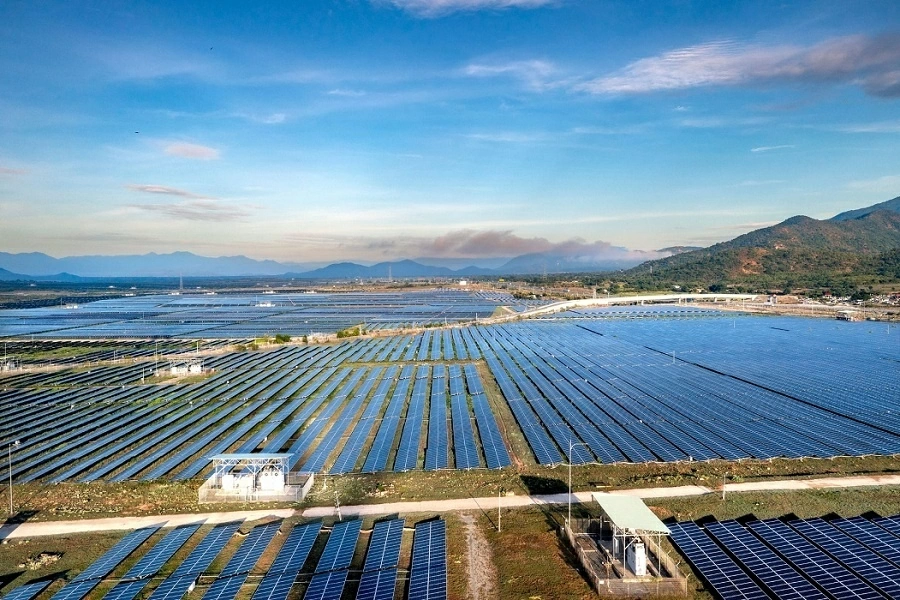 |
| AI sovereignty does not mean producing everything domestically but having sufficient control over its critical foundations.(Source: Pixels) |
A diversified energy strategy for AI
The source of the electricity powering AI infrastructure is another strategic consideration. Vietnam should pursue a mix of technologies rather than rely on a single energy source, with renewable energy, grid expansion, energy storage and more efficient data-centre design all playing a role.
Offshore wind is particularly relevant. The World Bank estimates Vietnam's offshore wind technical potential at hundreds of gigawatts and has identified it as an important future source of electricity.
Besides that, nuclear power could also contribute to the longer-term energy strategy. Vietnam has restarted its nuclear program, and in March 2026 signed an agreement with Russia for Ninh Thuan 1, involving two conventional Russian-designed reactors with a combined capacity of 2,400 megawatts.
Conventional nuclear power and small modular reactors (SMRs) should be considered as different layers of the energy strategy.
SMRs still require technological, economic and regulatory development. The large Ninh Thuan project and future SMRs should be seen as two different layers of the energy strategy: conventional nuclear can strengthen the national grid, while SMRs could eventually become an option for dedicated industrial and computing loads if the technology proves commercially and technically suitable.
Turning infrastructure into Vietnamese capability
On this basis, there are three priorities for Vietnam.
First, reliable and affordable electricity should be treated as part of the national AI strategy rather than simply a utility issue.
Second, Vietnam should identify locations where energy, data-centre infrastructure, fibre connectivity and cooling can be developed together, including coastal locations where seawater cooling and offshore wind may offer potential advantages.
Third, foreign data-centre investment should contribute to Vietnamese capabilities through skills development, research, technology partnerships and local AI applications.
The objective should not be to become the place where the world's AI machines happen to sit. It should be to turn the infrastructure needed to run AI into a source of Vietnamese capability.

| EVN maintains steady construction pace through holidays to ensure national energy security WVR - Throughout the recent holiday period, units under the Vietnam Electricity Group (EVN) have continuously accelerated construction progress, completing many important investment and construction ... |
| EVN implements comprehensive solutions during intense heatwave WVR - Amid prolonged extreme heat, Vietnam Electricity (EVN) is implementing numerous comprehensive solutions while closely coordinating with the National Load Dispatch Center (NSMO) to ... |

| Energy Infrastructure – A foundation for marine economic development WVR - According to Nguyen Tai Anh, Deputy General Director of Vietnam Electricity Group (EVN), prioritizing investment in marine energy infrastructure, particularly offshore wind power, ... |
| EVN ensures safe, stable power supply in the first half of the year and proactively plans ahead WVR - In the first half of 2026, Vietnam Electricity (EVN) and its units have strived to ensure a safe and stable electricity supply to ... |

| Vietnam’s Ha Tinh approves $298 million wind power projects to boost clean energy The People’s Committee of the central province of Ha Tinh has approved the investment policies and investors for four wind power projects with a combined ... |