







Craft villages preserve cultural identity, create livelihoods
Connecting craft villages with tourist attractions, local cuisine and traditional cultural activities can encourage longer stays and higher visitor spending, generating additional income for residents and resources for heritage preservation. By turning cultural and historical assets into tourism and economic resources, they can preserve traditional occupations and improve local livelihoods at the same time.
Latest
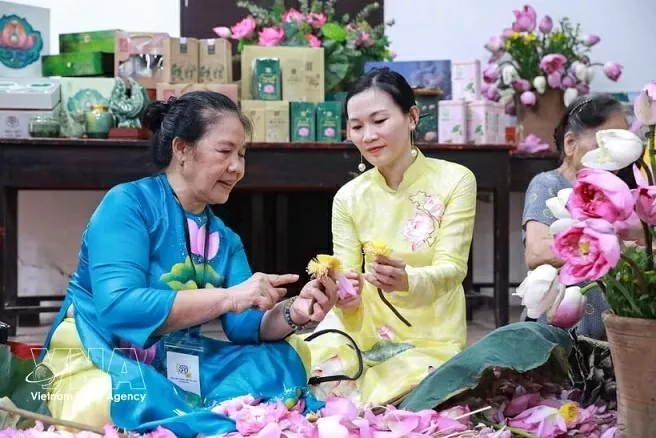 |
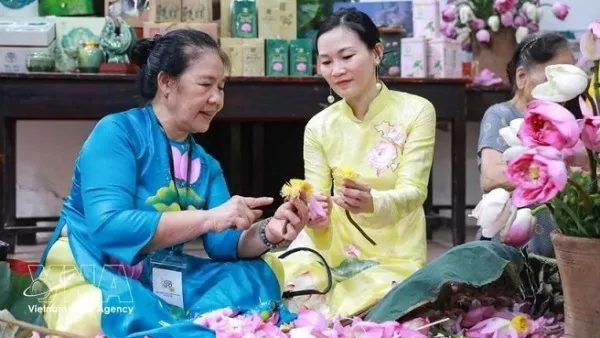
| The traditional craft of making lotus-scented tea in Quang An ward, now part of Hanoi’s Tay Ho ward, is not simply a means of livelihood but also a precious cultural value, closely linked to the history, people, and identity of the Tay Ho region (Photo: VNA) |
Vietnam’s craft villages not only preserve traditional culture but also provide livelihoods for millions of workers, validating the identity of rural communities. Amid changing market demands, however, they need to enhance competitiveness and pursue sustainable development while maintaining traditional craftsmanship and improving local incomes.
Ha Thi Vinh, Vice President of the Vietnam Association of Craft Villages (VICRAFTS) and Chairwoman of the Hanoi Handicraft and Craft Village Association, said craft villages need to embrace digital technology in production, business operations and trade promotion to keep pace with market trends.
While product promotion and sales once relied mainly on traditional trade fairs and exhibitions, producers can now reach wider markets through e-commerce platforms, TikTok Shop, Facebook and other online channels.
VICRAFTS has partnered with TikTok Shop and social media platforms to provide expert support, helping artisans, producers and businesses develop digital skills, create promotional content and establish online sales channels. It is also selecting representative craft villages as pilot models for wider replication.
Bat Trang is among the pioneers in applying digital technology to product promotion and sales, Vinh said. Artisans, household producers and young businesses have introduced products online and livestreamed sales to reach domestic and international customers. The village has also established a digitalisation support community to help develop brands and share skills in product photography and video production.
In Phuong Duc commune, Hanoi, local authorities have likewise joined efforts to develop online sales channels and promote local products.
Vinh stressed that successful online promotion requires more than simply joining digital platforms. Craft villages need to train personnel in content development, communications and video production, while telling stories about product origins, history and cultural significance to help consumers better appreciate traditional craftsmanship.
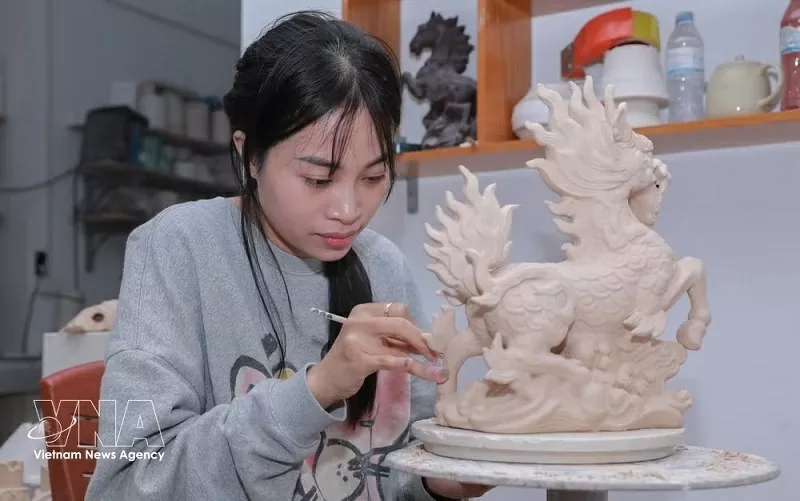 |
| An artisan at a workshop of Vietnam Luxury Gift Group Co.Ltd in Bat Trang ceramic village undertakes tasks that require high-level craftsmanship, sophisticated techniques and precision at every stage (Photo: VNA) |
Vietnam currently has around 5,000 craft villages, providing jobs for millions of workers. They play an important role in preserving cultural heritage and contributing to the development of cultural industries.
Hanoi alone has around 1,350 villages with craft activities, including 337 recognised traditional craft villages. These villages not only produce goods for everyday use but also preserve the capital's cultural heritage.
With the Party and State introducing policies on heritage preservation, particularly Resolution No. 80, craft villages are receiving greater attention. The Hanoi Party Committee has also identified them as one of the five pillars of the capital's cultural industries. These policies provide a framework for preserving traditional occupations while encouraging innovation, increasing product value, creating jobs and securing sustainable livelihoods.
Vinh said that over the past years, VICRAFTS, relevant agencies and local authorities have stepped up efforts to preserve traditional occupations and turn cultural assets into economic resources. Stories about the origins, history and distinctive craftsmanship of villages are promoted through various media channels.
Another priority is developing craft village tourism, particularly through hands-on experiences that introduce visitors to traditional occupations, production processes, techniques and local cultural identities.
She held that connecting craft villages with tourist attractions, local cuisine and traditional cultural activities can encourage longer stays and higher visitor spending, generating additional income for residents and resources for heritage preservation.
Visitors can learn about the history of local occupations, observe artisans at work, try traditional production techniques and experience local lifestyles and customs passed down through generations. Such activities give villages distinctive cultural appeal while creating opportunities to increase tourism revenue.
By turning cultural and historical assets into tourism and economic resources, craft villages can preserve traditional occupations and improve local livelihoods at the same time, Vinh said.
(Source: VNA)