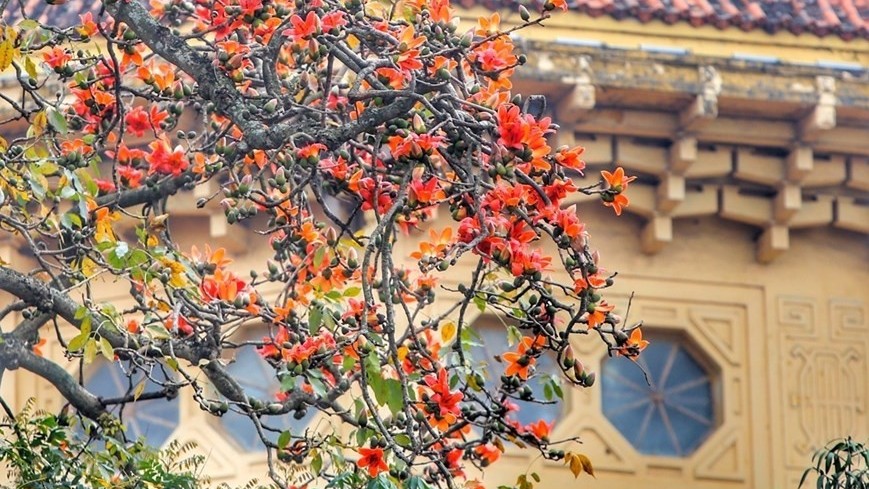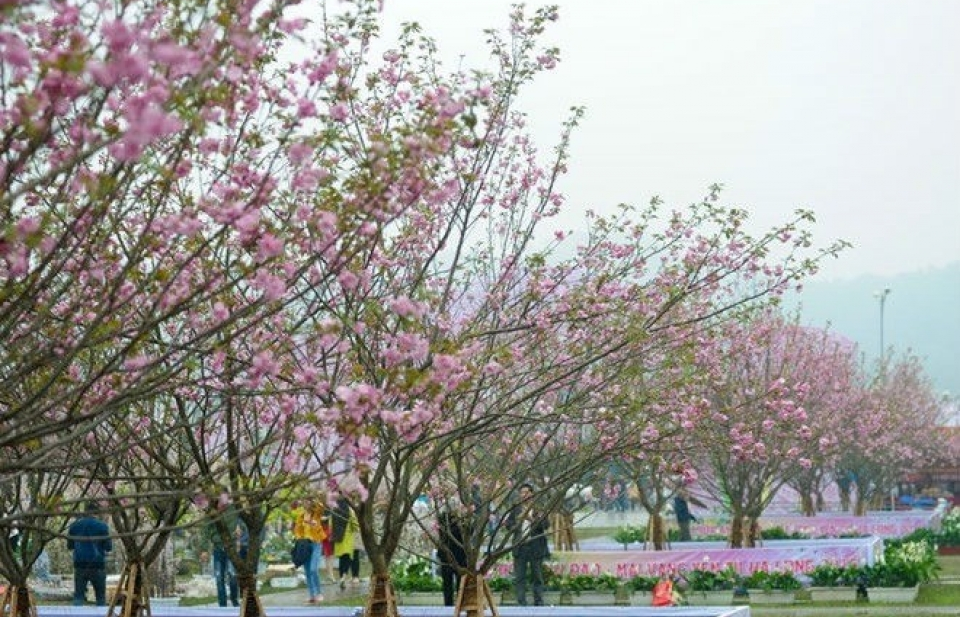





Brilliant blossoms mark the opening of Dinh-Mieu Tay Tuu Festival 2026
WVR - On April 25, Tay Tuu Ward (Hanoi) hosted the opening ceremony of the traditional Dinh-Mieu Tay Tuu Festival 2026, which attracted over 500 delegates, guests, and local residents.
Latest
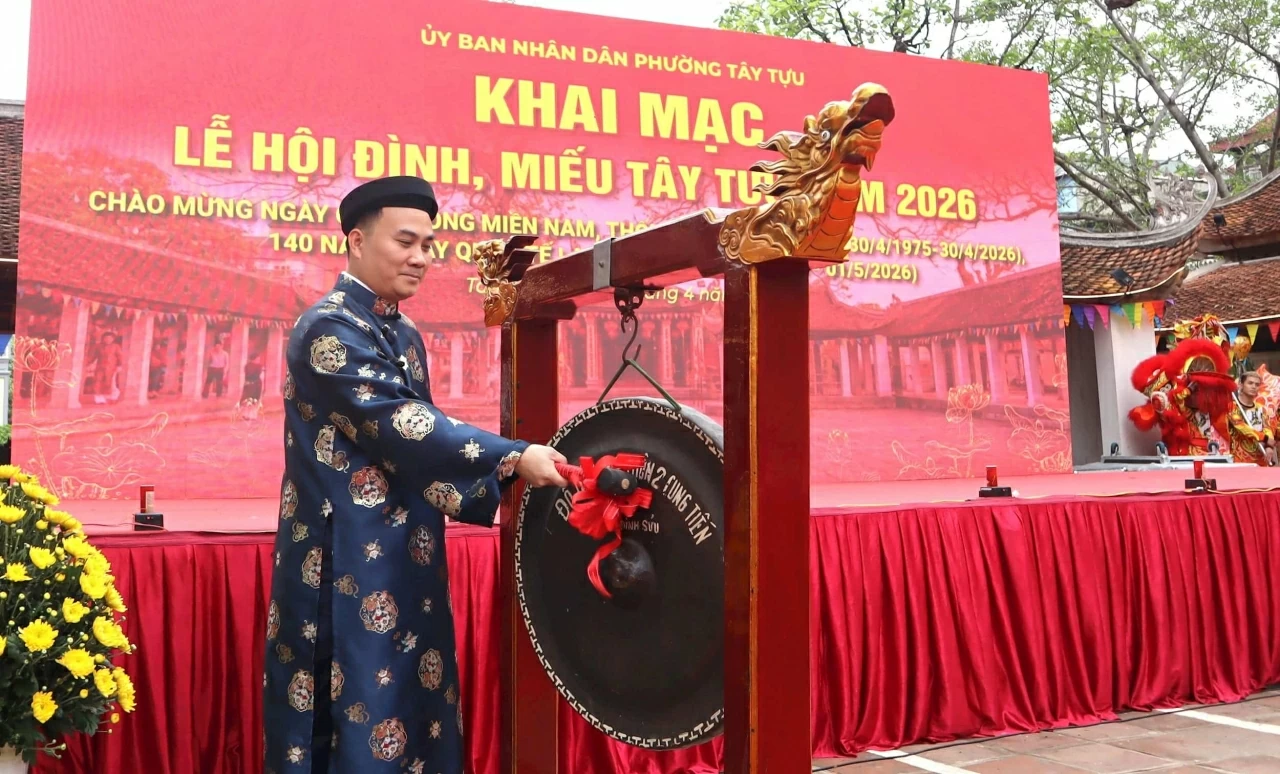 |
| Chairman of Tay Tuu Ward People's Committee Vu Duy Hung strikes the gong to inaugurate the festival. (Source: hanoimoi) |
The opening ceremony was held at Dam Communal House, initiating activities at the heritage complex and cultural spaces in the area such as: Mieu Tay Tuu, Dinh Tay Tuu, the Garden of Areca, and recreational spots along the Pheo River.
In his opening speech, Deputy Secretary of the Party Committee and Chairman of Tay Tuu Ward People's Committee Vu Duy Hung stated that the festival is an occasion for the people to express reverence and gratitude to Saint Bach Hac Tam Giang, an ancestor who contributed to national protection and peace, establishing the traditions and identity of Tay Tuu. It is also an opportunity for the community to unite, preserve, and promote traditional cultural values.
The year 2026 marks the organization of the Le Hoi, without the traditional boat race on the Pheo River. However, the festival atmosphere remains solemn and rich in identity. The annual Le Hoi reflects the continuity of cultural heritage, contributing to the preservation of the Dam Boat Racing Festival – a national intangible cultural heritage.
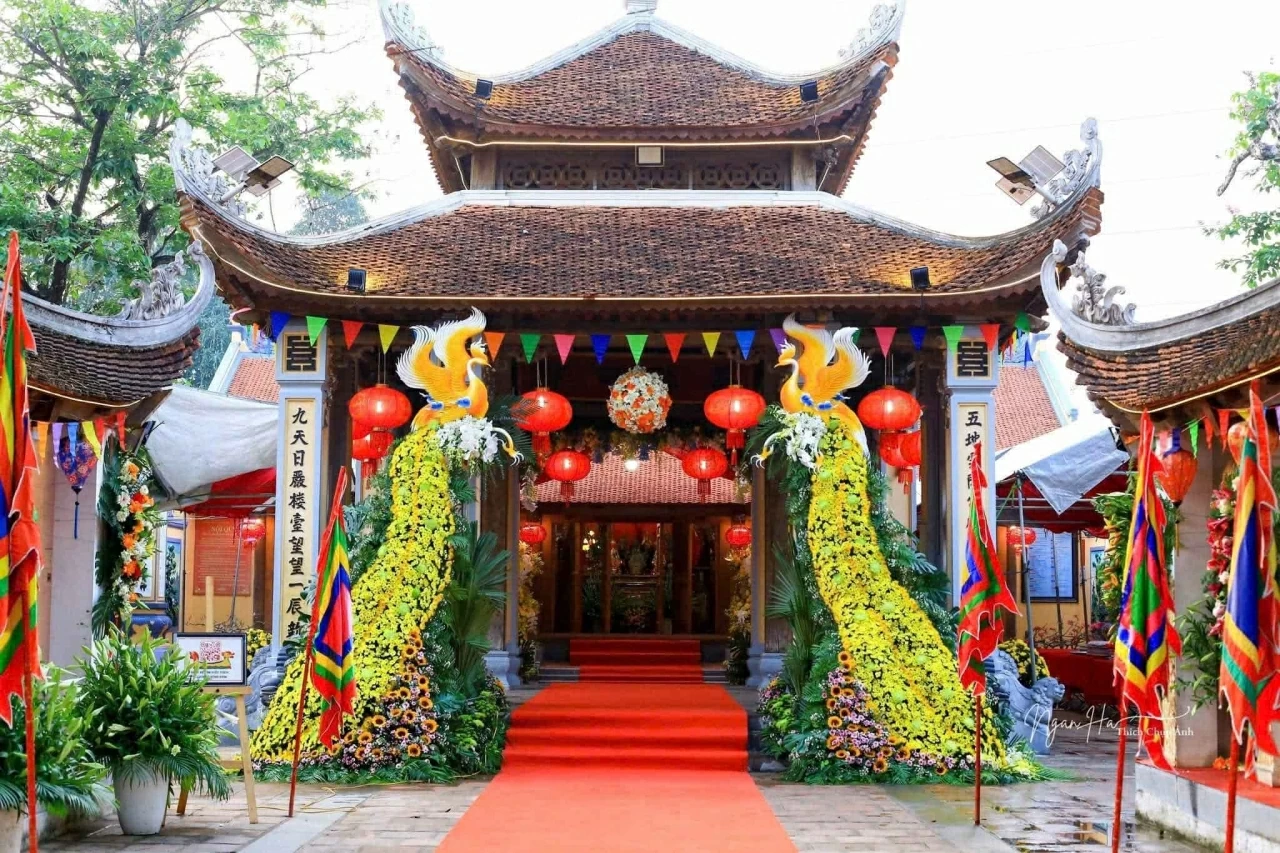 |
| The gate of Dinh Tay Tuu is splendidly decorated with fresh flowers, festival flags, and lanterns. |
The festival spans four days, from April 24 to 27 (corresponding to March 8 to 11 of the Year of the Horse), featuring a variety of activities. The ceremonial part includes rituals such as offerings, incense offerings, and the closing ceremony. The festival part boasts nine lively activities like wrestling competitions, pickleball, the traditional blindfolded goat-catching game, the "Echoes of a Thousand Years" folk art festival, Quan Ho singing, and the "Tay Tuu - Village in the City" art program.
Notably, the artistic flower display "Where Heritage Blooms" is a highlight, promoting the local flower-growing craft village.
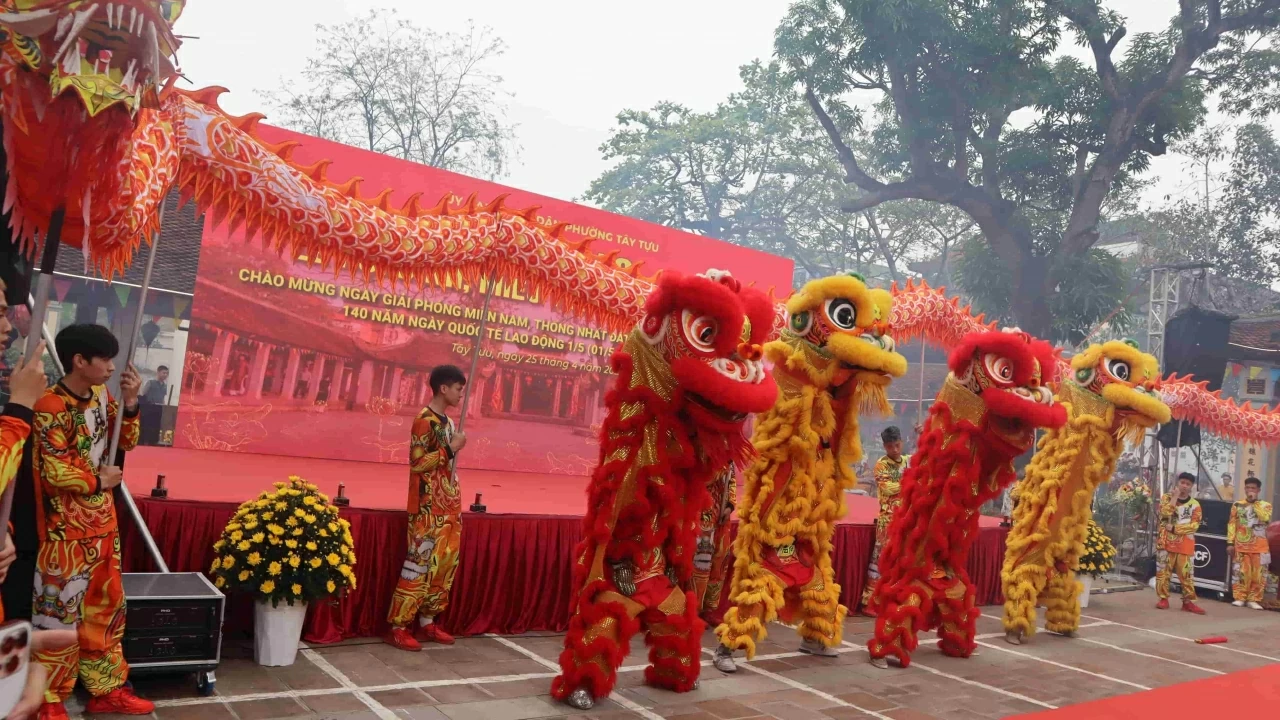 |
| The lion and dragon dance performance marks the festival's opening. (Source: hanoimoi) |
Through various activities, the festival not only contributes to preserving and promoting traditional cultural values but also creates a community space, boosting local tourism, and socio-economic development. The traditional Dinh-Mieu Tay Tuu Festival 2026 continues to affirm the enduring vitality of cultural heritage, becoming a meaningful cultural rendezvous for the people of Dam Village and visitors from afar.
Tay Tuu has long been known as one of the famous flower villages of the capital. Therefore, the communal house and temple festival here not only holds spiritual significance, commemorating the merits of ancestors but also serves as an occasion for locals to express pride in the traditional craft that has been passed down through generations.
This year, the festival space is elaborately decorated, blending traditional elements with modern touches, making each corner of the communal house and temple a visual highlight.
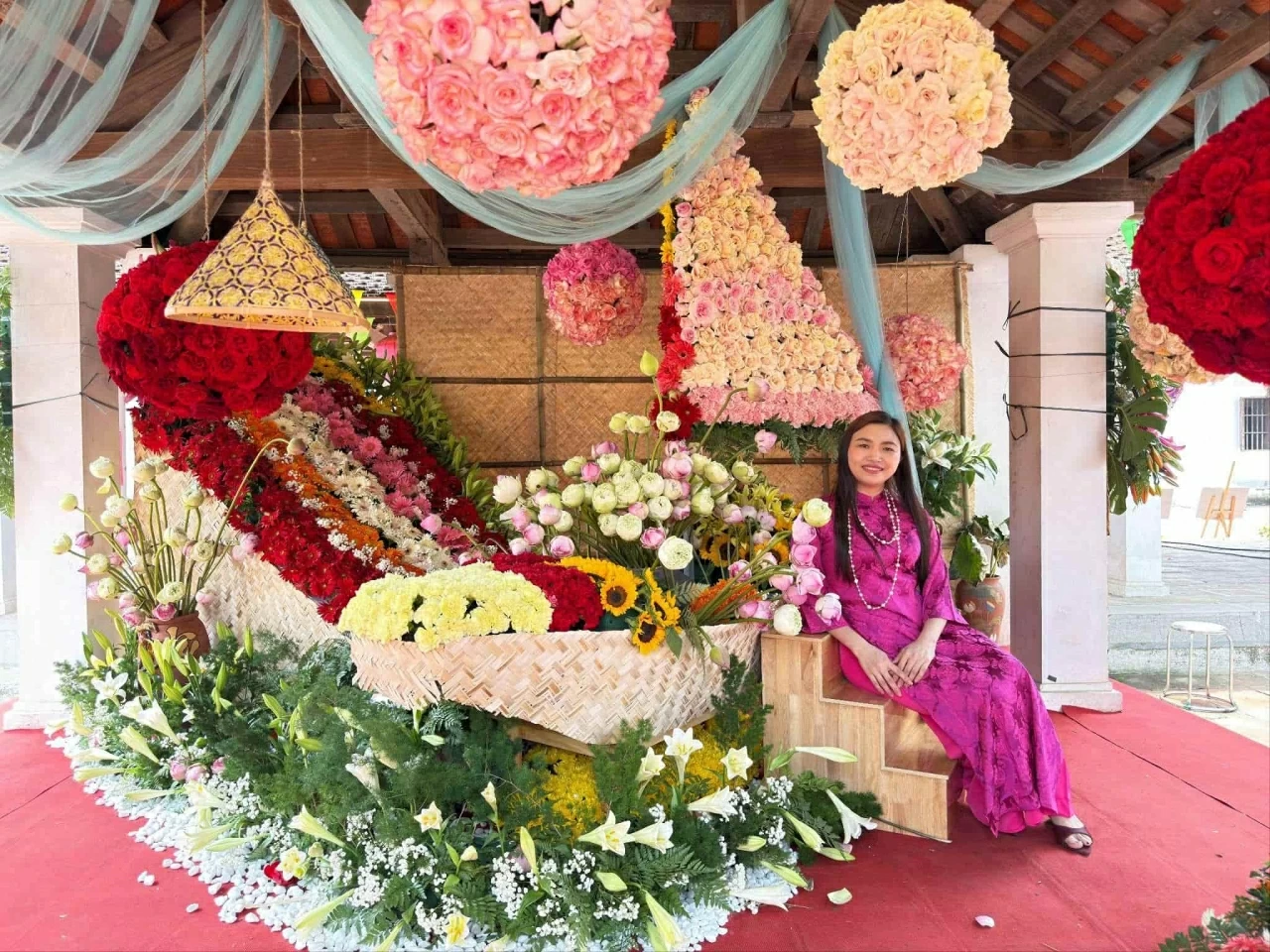 |
| Artistic flower arrangements within the communal house grounds attract residents and tourists for sightseeing and photography. (Photo: Phuong Trang) |
The Dinh-Mieu Tay Tuu Festival is an occasion for locals to pay homage to the ancestors who founded, protected, and preserved the land. In traditional village life, the communal house and temple are not only places of worship but also cultural centers that preserve community memories. Each festival season is not just a festive event but also a time for people to remind each other of the principle “when drinking water, remember its source”.
Besides its spiritual value, this year's festival impresses with how Tay Tuu residents integrate the flower craft into the community's cultural life. The flower installations are not merely decorations but also serve as vibrant introductions to the renowned flower cultivation area. Colorful flower spheres, soft floral drapes along pathways, and LED-lit models in the evening showcase the creativity, skill, and innovative spirit of the local people.
During the day, the Tay Tuu communal house and temple appear vibrant and bright, while at night, the festival space transforms into a shimmering, mystical scene. The light from lanterns, LED strings, and artistic flower models reflecting under the ancient communal house roof creates a sense of both tradition and modernity. Many locals, especially young people, seize the opportunity to capture beautiful moments with the floral miniatures, contributing to spreading the festival's image on social media.
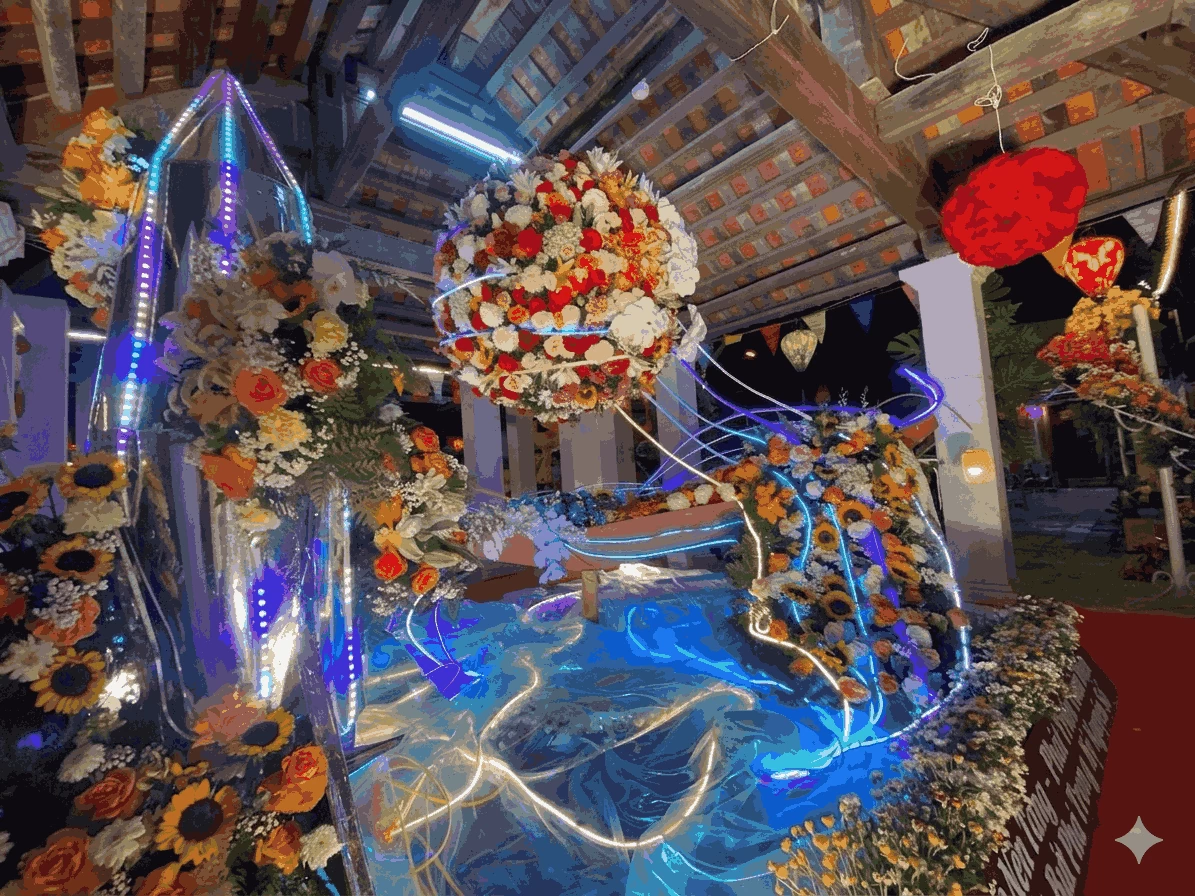 |
| The festival space at night is radiant with LED lights, lanterns, and creative flower models. (Photo: Phuong Trang) |
Ms. Do Thi Tien, a resident of Tay Tuu Village, shared: “This year's festival is very beautiful and meticulously prepared. All the flowers are produced by local farmers, and the village artisans themselves decorated all the beautiful flower models.”
For visitors, the Dinh, Mieu Tay Tuu Festival is an opportunity to explore a unique cultural slice of Hanoi. Without venturing too far from the city center, one can still find a suburban village space filled with traditional colors: ancient communal house roofs, festival flags, fresh flowers, drum sounds, rituals, and the hospitality of the locals. Notably, the flower village's imprint gives the Tay Tuu festival its unique identity, distinguishing it from many other festivals.
The festival space also showcases the potential for developing cultural and craft village tourism in the area. With well-organized events, connections to flower garden tours, flower cultivation experiences, local cuisine, and heritage exploration, Tay Tuu can become an attractive destination in the journey to discover Hanoi.
The festival is not just an annual cultural event but can also become a “gateway” to introduce the flower village's image to a broader audience.
The Dinh-Mieu Tay Tuu Festival 2026 is not only a joyous occasion for a region but also a testament to the enduring vitality of village culture within the urban heart. Amidst the changes in Hanoi today, the festival drums, flower colors, and ancient communal house roofs continue to tell the story of origins, pride, and community cohesion.