


ASEAN Future Forum 2026 generates practical ideas to sustain ASEAN’s long-term trajectory
Ahead of the ASEAN Future Forum (AFF) 2026, Indonesian Ambassador to Vietnam Adam M. Tugio has penned an exclusive piece for the World and Vietnam Report about the event. The editorial team is pleased to present it to our readers.
Latest
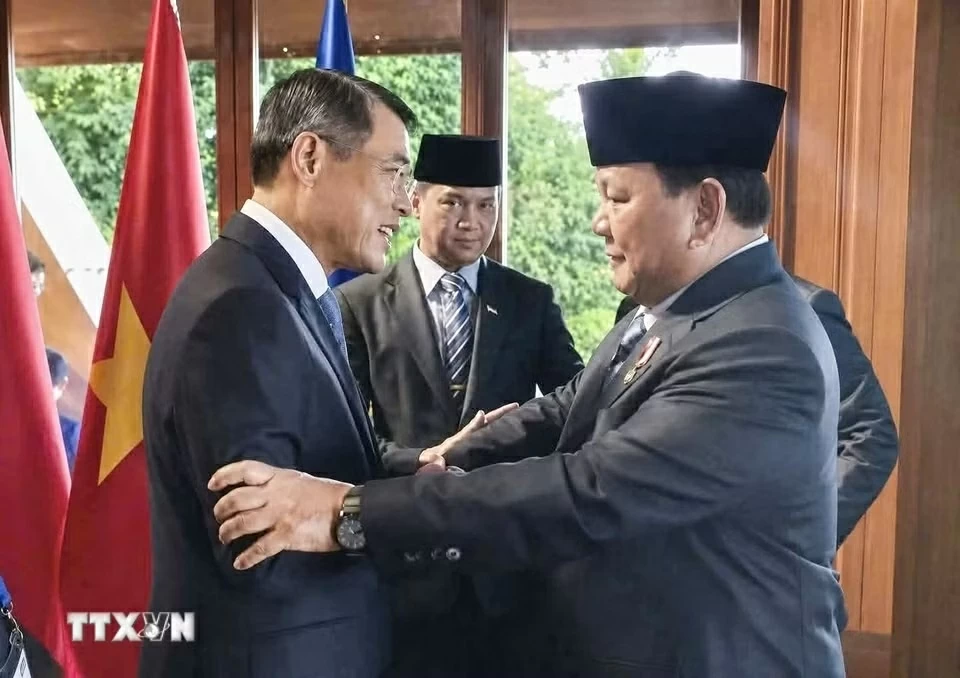 |
| Prime Minister Le Minh Hung meets Indonesian President Prabowo Subianto on the sidelines of the 48th ASEAN Summit in the Philippines. (Source: VNA) |
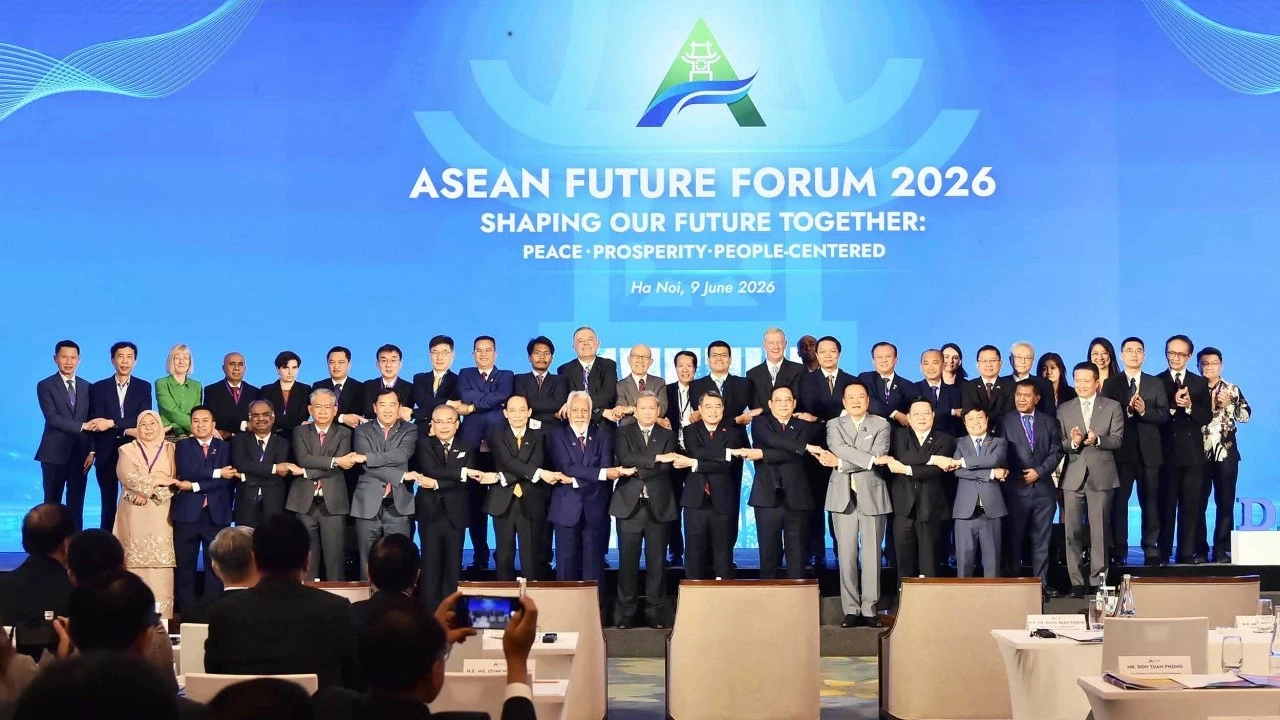
As Hanoi prepares to host the AFF 2026 this June, expectations are high for what this gathering might deliver. Initiated by Vietnam, the Forum has already demonstrated its value in previous iterations, providing leaders, scholars, and business representatives with a platform for forward-looking dialogue unconstrained by formal diplomatic procedures.
The Forum convenes at a moment of profound transition. Global and regional politics are marked by intensifying great power rivalry, climate pressures, economic fragmentation, food and energy security challenges, and internal political crises that test ASEAN’s cohesion. Traditional multilateralism is increasingly sidelined, yet ASEAN’s commitment to peace, prosperity, and people-centered development - anchored in the ASEAN Community Vision 2045 - remains vital. The question before us is how we can translate these aspirations into tangible progress.
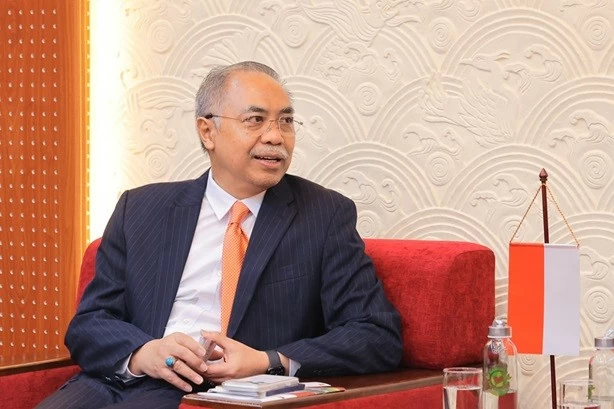 |
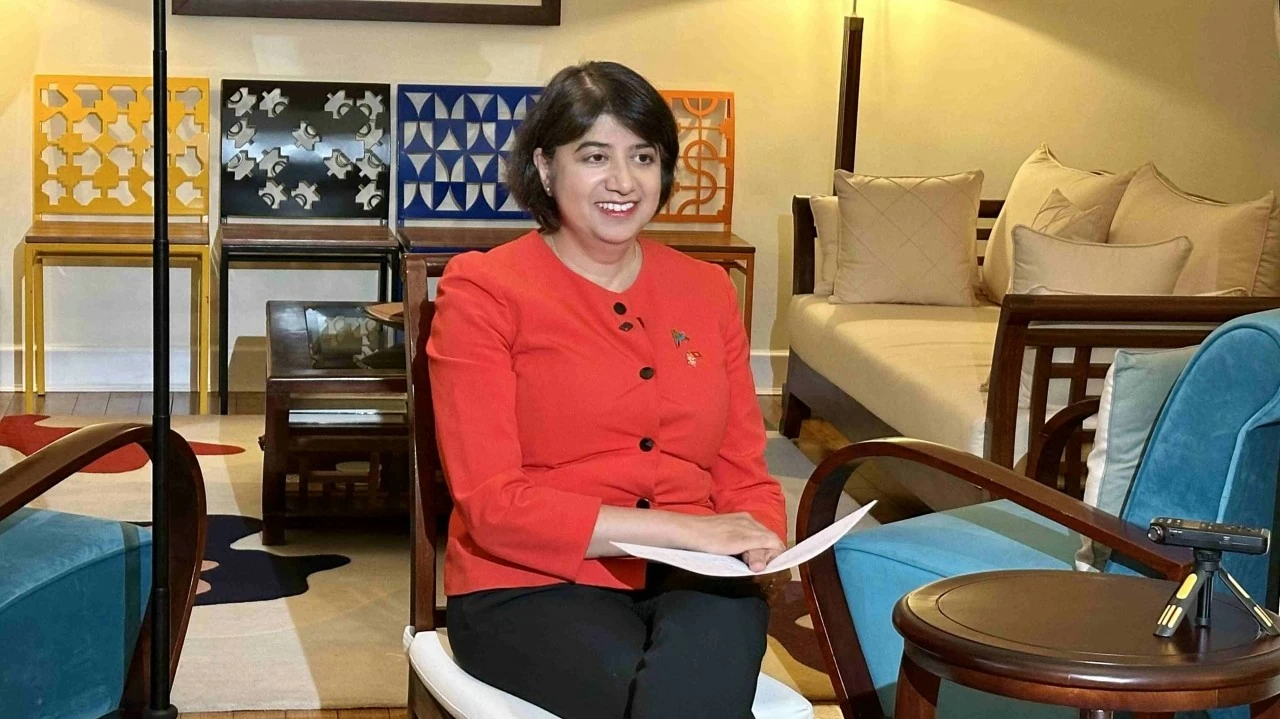
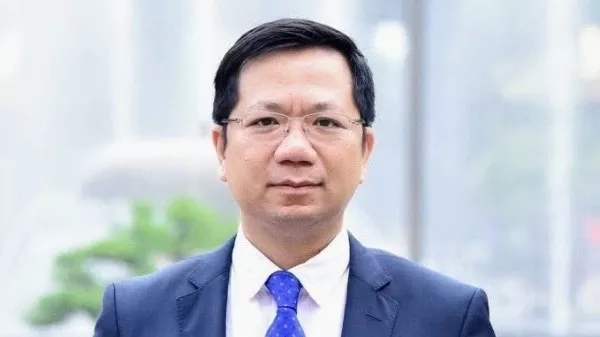
| Indonesian Ambassador to Vietnam. (Photo: Chu Van) |
What makes the AFF valuable is its nature as a Track 1.5 platform. While formal ASEAN meetings follow established protocols and consensus-building procedures, forums like this allow for more exploratory conversations. Difficult topics that might stall official negotiations, such as Myanmar’s political crisis or divergent member-state perspectives on great power dynamics in the region, can be discussed more openly, allowing participants to understand different perspectives and identify potential areas of convergence.
The challenge, of course, is ensuring these conversations lead somewhere. The Forum’s contribution will be measured by whether these discussions generate actionable insights that can inform official policy and advance Vision 2045.
Economic integration and the challenge of enhancing intra-regional connectivity
One area where the Forum can make a meaningful impact is in advancing economic integration. Despite progress in integration, intra-ASEAN trade remains limited, accounting for only about 23 percent of total trade. By contrast, bilateral trade with China nearly equals this figure, and combined trade with China, the U.S., and the EU represents almost half of ASEAN’s total. These numbers reveal an uncomfortable truth that ASEAN’s greater integration is with external partners than within itself.
As global supply chains shift under technological change, sustainability imperatives, and geopolitical competition, ASEAN has an opportunity to strengthen internal networks. The region’s complementarities are clear: Vietnam’s strengths in electronics, Malaysia’s in semiconductors, Thailand’s automotive industry, Indonesia’s metal processing and resource wealth, and Singapore’s financial services. These are not competing capabilities but potentially mutually reinforcing ones. The question is how we can better facilitate the integration of regional production networks.
Deeper integration of production networks would enhance resilience and collective prosperity. Practical steps might include accelerating the Digital Economy Framework Agreement, improving utilization of trade agreements such as RCEP, especially noting that goods entirely obtained or produced in one or more RCEP members automatically qualify as originating, and addressing infrastructure gaps that hinder cross-border trade. The Connectivity Master Plan provides a roadmap to integrate digital and green technology.
Of equal importance is building interdependencies that strengthen the fabric of the ASEAN Community. When our economies are more deeply integrated, we have stronger shared interests in regional stability and collective prosperity. The challenge is mobilizing resources for implementation and sustaining political commitment.
Enhancing inclusivity in the ASEAN Community building process
Interestingly, the Forum’s emphasis on political parties in ASEAN community-building marks an innovative evolution. ASEAN processes have traditionally been government-led, with foreign ministries and executive branches at the forefront. Involving political parties acknowledges that sustainable integration requires broader domestic political buy-in.
Political parties play crucial roles in legislatures that ratify ASEAN agreements and allocate resources. Party-to-party networks can provide continuity beyond government terms, while engaging political actors, connecting ASEAN’s work to domestic constituencies, and making regional cooperation more tangible for citizens.
Given ASEAN’s diverse political systems, engagement must be tailored to each context. What works in one context may not be translated directly to another. The ASEAN Inter-Parliamentary Assembly offers one model, but deeper efforts are needed. The goal is inclusivity without undermining ASEAN’s pragmatic consensus-building. Done carefully, this approach can strengthen legitimacy and ensure ASEAN’s people-centered vision resonates at the grassroots level.
Among ASEAN’s bilateral relationships, the Indonesia–Vietnam partnership stands out for its potential to advance collective goals. Together, they represent significant economic weight and diplomatic influence, with shared interests in maintaining ASEAN centrality, advancing modernization, managing relations with major powers, and addressing non-traditional security challenges.
The opportunity is clear. Economic complementarities—Indonesia's resources with Vietnam's manufacturing capabilities—could be better leveraged. Joint initiatives in the digital economy and green transitions could drive ASEAN-wide progress. Coordinated positions on regional issues would amplify their influence and demonstrate the benefits of aligning national capabilities toward shared objectives.
Strengthening this partnership does not mean creating exclusive arrangements but rather demonstrating what is possible when member states align their considerable capabilities toward shared objectives. It could serve as a model for other partnerships within ASEAN in advancing the ASEAN Community Vision 2045.
ASEAN 2045 and the need to enhance strategic adaptation capacity
The Vision 2045 sets ambitious goals for a peaceful and prosperous, resilient, innovative, dynamic and people-centered ASEAN. These aspirations reflect genuine regional needs and shared hopes. Yet aspirations must be matched with implementation. The Forum can help by facilitating frank discussions on obstacles, resource gaps, and institutional capacities. It can prioritize initiatives and strengthen mechanisms to respond to global political shifts.
Given the unpredictability of regional and global dynamics, ASEAN would benefit from scenario planning. Exploring multiple plausible futures allows for flexible strategies that maintain cohesion and prosperity under different conditions. This does not require abandoning consensus or sovereignty but calls for more systematic strategic planning and stronger monitoring of commitments.
This is where platforms like the ASEAN Future Forum can contribute meaningfully. Rather than simply affirming what we aspire to achieve, the Forum can facilitate hard-headed discussions about how we get there, identify practical obstacles to deeper integration, and resource gaps. It can also further initiatives that should be prioritized and institutional capacities that need to be strengthened to respond to the dynamic changes of global politics. ASEAN could benefit from thinking through various plausible scenarios and developing flexible strategies that maintain regional cohesion and prosperity across different possible futures.
The ASEAN Future Forum 2026 convenes at a moment when regional cooperation is both more necessary and more complex. The Forum itself will not resolve all challenges; that is not its purpose. Its value lies in fostering dialogue, building relationships, and generating practical ideas that can sustain ASEAN’s long-term trajectory.