



ASEAN Committee in New York holds seminar to commemorate 50 years of TAC at the United Nations
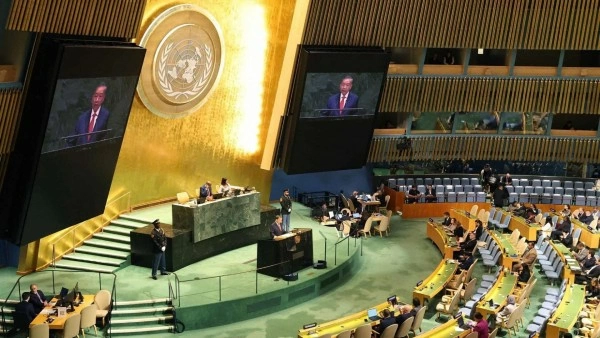
WVR - On February 25, at the United Nations headquarters in New York, USA, the ASEAN Committee in New York organized a seminar to mark the 50th anniversary of the signing of the Treaty of Amity and Cooperation in Southeast Asia (TAC). The seminar was themed “The Contribution of TAC as a Regional Framework under Chapter VIII of the United Nations Charter”.
Latest
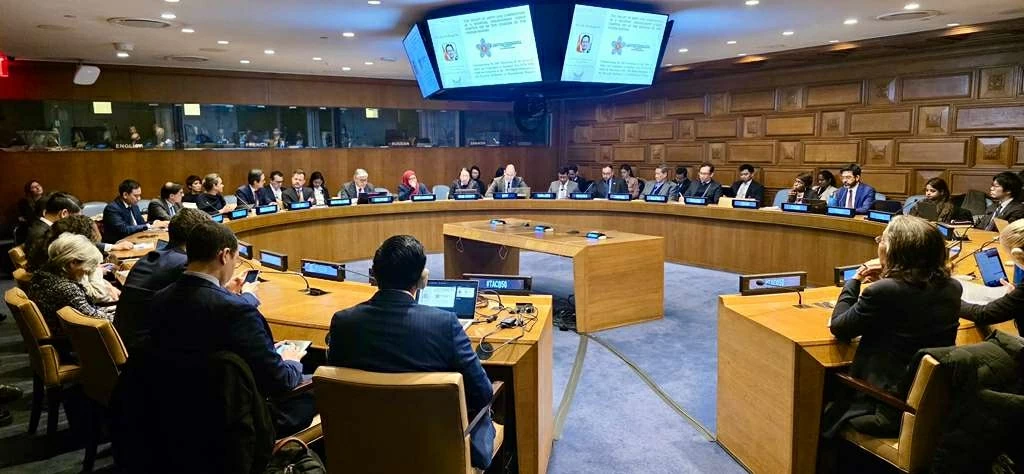 |
| Overview of the Seminar “The Contribution of TAC as a Regional Framework under Chapter VIII of the United Nations Charter”. |
The seminar was attended by representatives from 11 ASEAN member countries, TAC member states from various regions, along with numerous legal experts, scholars, and representatives from permanent missions at the United Nations.
During the seminar, the presentations outlined the comprehensive formation, development, and expansion of TAC membership, evolving from a regional document with five signatory countries in 1976 to a significant legal-political framework attracting participation from 58 countries and organizations across five continents.
TAC has concretized and translated the universal principles enshrined in the United Nations Charter into the Southeast Asian context, particularly the principles of respecting independence, sovereignty, and territorial integrity, non-interference in internal affairs, non-use or threat of force, and peaceful dispute resolution.
As a regional framework and institution aligned with Chapter VIII of the United Nations Charter, TAC has played a crucial role in maintaining peace, stability, and cooperation in Southeast Asia over the past half-century.
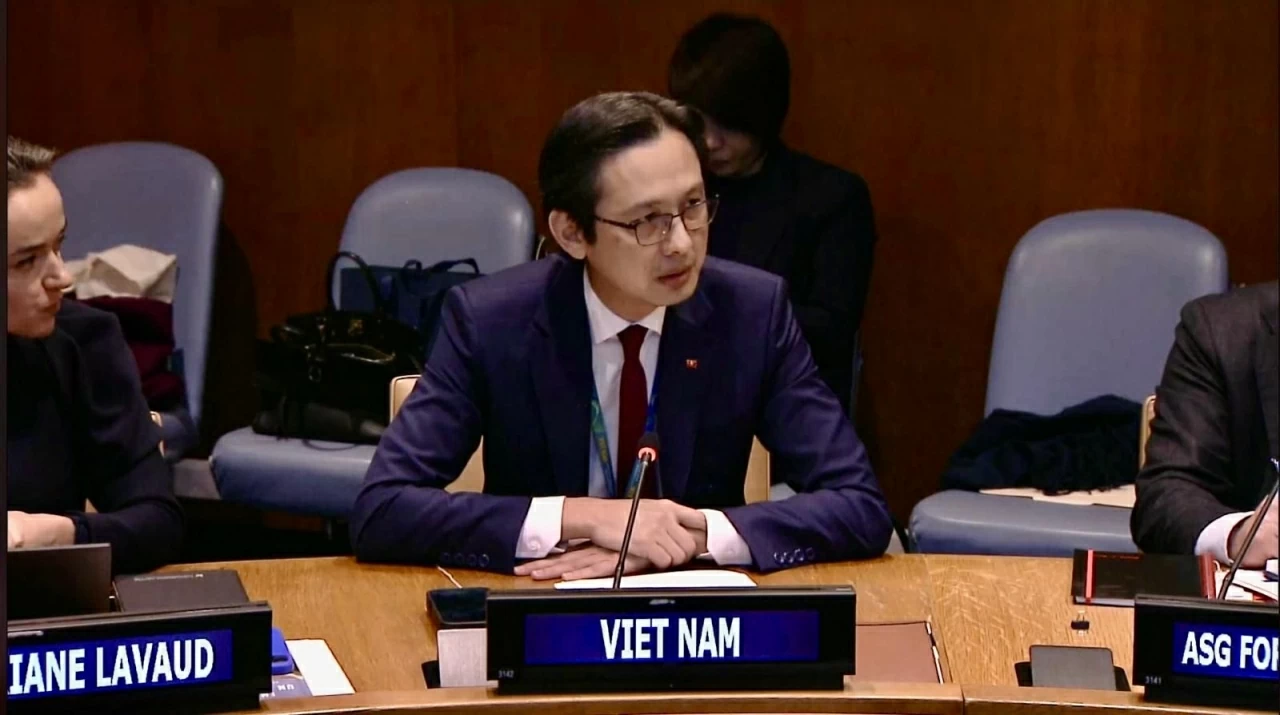 |
| Ambassador Do Hung Viet speaking at the Seminar. |
Speaking as the keynote speaker, Ambassador Do Hung Viet, Head of the Permanent Mission of Vietnam to the United Nations, emphasized that the principles and institutions established by TAC have truly integrated into the region's political life. They have helped shape norms of conduct, build a “culture of restraint”, promote dialogue and consultation, thereby creating a conducive environment for managing disputes, preventing risks and miscalculations, and strengthening trust and friendly relations among Southeast Asian nations.
The Ambassador affirmed that TAC lays the foundation for implementing confidence-building measures and cooperation among ASEAN countries. It has also spread and contributed to shaping a broader security architecture in the Asia-Pacific region, enhancing relations between ASEAN and its dialogue partners through ASEAN-led mechanisms such as the ASEAN Regional Forum (ARF) and the East Asia Summit (EAS)…
Discussing the relationship between TAC and the global collective security structure, Ambassador Đỗ Hùng Việt noted that regional mechanisms like TAC, due to their geographical proximity, understanding of regional specifics, and ability to leverage existing communication channels, can effectively engage in preventive diplomacy and address tensions early on. This reduces the likelihood of conflicts escalating to the point of requiring discussion at the United Nations Security Council and other multilateral forums.
In this role, TAC stands as a quintessential success and a vivid testament to the complementary and reinforcing relationship between the United Nations and regional mechanisms under Chapter VIII of the United Nations Charter.
On this occasion, ASEAN countries reaffirmed their commitment to continue promoting the values and principles of TAC, enhancing dialogue, cooperation, and confidence-building, and contributing positively to the peace, stability, and sustainable development of the region and the world.
The seminar once again underscored ASEAN's central and leading role in implementing TAC and regional initiatives. It also reflected the broad recognition and support from United Nations member states for TAC's contributions to maintaining international peace and security, peacefully resolving disputes, and reinforcing trust in institutions and multilateral processes based on international law.
(Source: Permanent Mission of Vietnam to the UN)