



CPV Central Committee agrees to transform Quang Ninh, Bac Ninh into centrally-governed cities
WVR - At the 3rd Plenum of the 14th Central Committee of the Communist Party of Vietnam (CPV), concerning the organization of development space and resource management, the Party Central Committee approved the policy to transform Quang Ninh and Bac Ninh into into centrally-governed cities.
Latest
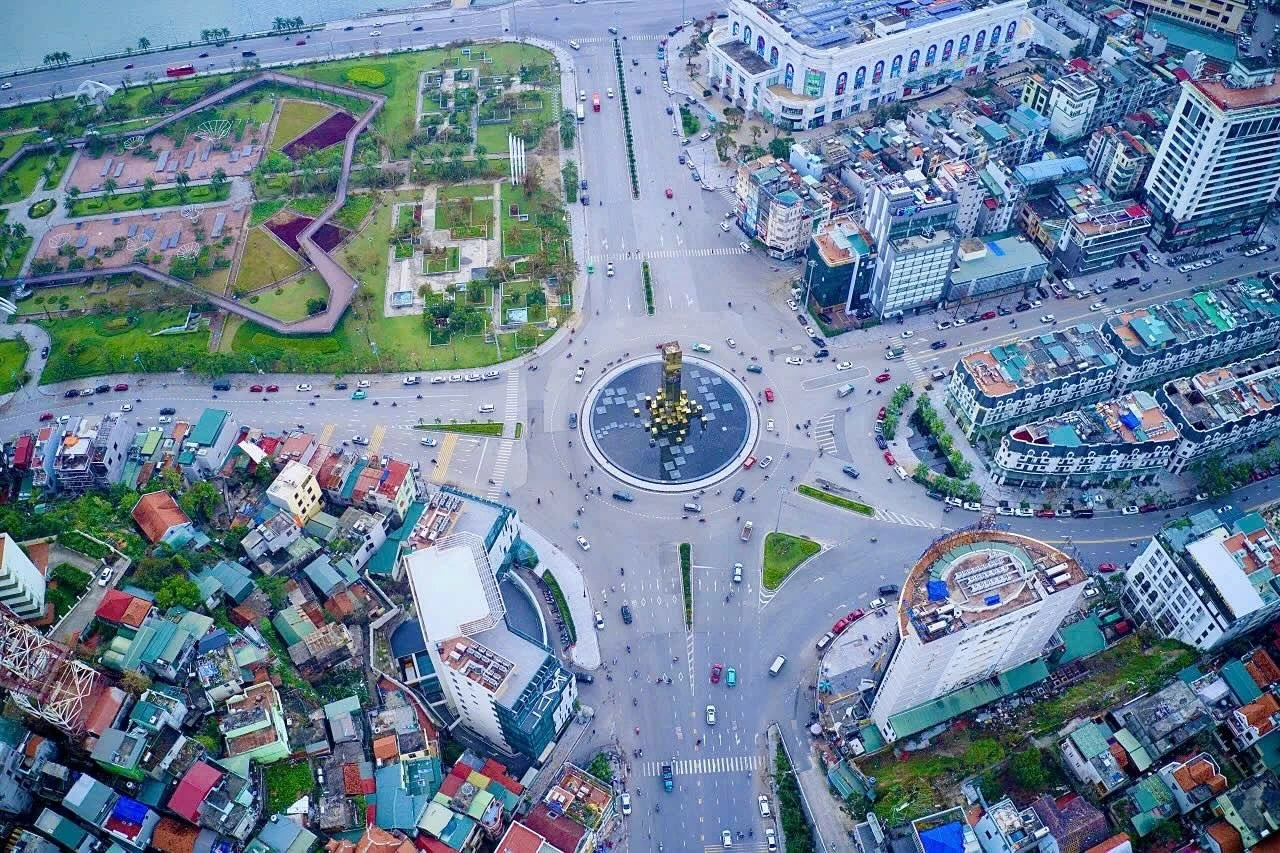 |
| The policy to establish Quang Ninh as a centrally governed city was unanimously agreed upon by the Politburo in early April 2026. (Photo: Hoang Chau) |
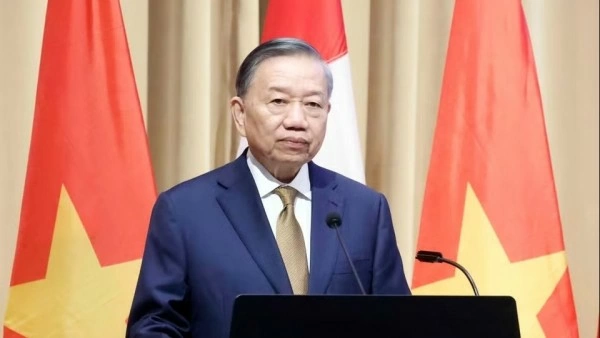
On July 20, in his opening speech at the 3rd Plenum of the Party Central Committee, General Secretary and President To Lam emphasised that the proposals to establish Quang Ninh and Bac Ninh into centrally-governed cities must be considered in the context of forming new growth poles, enhancing urban governance capacity, and strengthening regional connectivity.
According to General Secretary and President To Lam, the change in administrative status must lead to substantial improvements in governance capacity, effective resource mobilization, and the spread of development.
General Secretary and President To Lam called for a thorough evaluation of infrastructure conditions, resources, operational costs, and impacts on the populace, ensuring that each proposal generates new development value for the locality, region, and the entire country.
The policy to establish Quang Ninh as a centrally governed city was unanimously approved by the Politburo in early April 2026, based on the current administrative boundaries of Quang Ninh Province.
In 2025, Quang Ninh's economy reached over 368,445 billion VND; total state budget revenue was 84,500 billion VND. The province's Gross Regional Domestic Product (GRDP) grew by 11.89%. In 2026, the locality aims for GRDP growth of over 12.5%, a per capita GRDP of 11,800 USD, and total budget revenue of approximately 100,000 billion VND.
Quang Ninh is oriented towards developing into a green, smart city; restructuring space towards integrating urban, marine, island, border, and heritage elements into a unified development ecosystem.
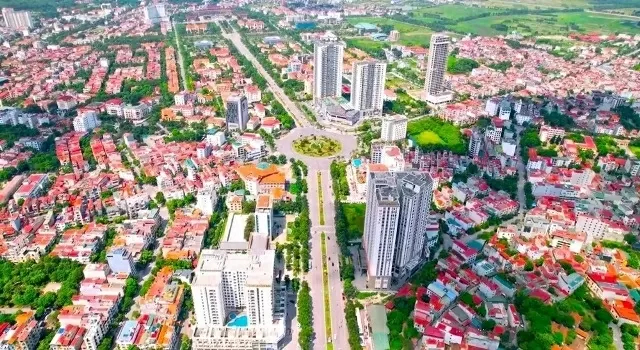 |
| After merging with Bac Giang, the new Bac Ninh Province covers an area of approximately 4,700 km2 and has a population of nearly 4 million. (Photo: Minh Nhat) |
At the end of June 2026, the Politburo also unanimously agreed on the policy to establish Bac Ninh as a centrally-governed city. After merging with Bac Giang, the new Bac Ninh Province covers an area of approximately 4,700 km2 and has a population of nearly 4 million.
In 2025, Bac Ninh's GRDP grew by 10.27% – ranking fifth nationwide. The province aims to become a centrally governed city before 2030 and is oriented towards developing into a green, smart, modern city, rich in Kinh Bac cultural identity.
The locality identifies science, technology, and innovation as growth drivers; developing high-tech industries, forming leading centers for electronics, semiconductors, microchip production, and artificial intelligence in the country and region.
Currently, there are seven centrally governed cities in the country, including: Ha Noi, Ho Chi Minh City, Hai Phong, Da Nang, Hue, Can Tho, and Dong Nai.