





Ambassador Duong Chinh Chuc: Diplomacy opens markets, capital, technology, knowledge, and trust to drive GDP growth
WVR - Vietnamese Ambassador to Angola Duong Chinh Chuc believes that each Vietnamese Representative Mission should become a "development connection point," gathering information, opportunities, partners, and international resources to directly serve the country's development.
Latest
 |
Vietnamese Ambassador to Angola Duong Chinh Chuc believes that each Vietnamese Representative Mission should become a "development connection point," gathering information, opportunities, partners, and international resources to directly serve the country's development.
Shifting Strongly from "Development Support" to "Co-Development" Model
The year 2026 marks many new opportunities in Vietnam-Angola relations. How does the Ambassador assess the current state of bilateral relations? According to the Ambassador, what are the areas of cooperation that still have much potential for both countries to continue to explore in the future?
The most valuable aspect of Vietnam-Angola relations is not only our special historical friendship but also how this history continues to create new development opportunities for both countries. I believe this is the most outstanding feature of Vietnam-Angola relations in the current period.
The relationship between the two countries was built on mutual empathy in the struggle for national independence, nurtured by political trust over many decades, and now faces a new requirement: transforming the political foundation into concrete cooperation results in economics, science-technology, and human resource development. This spirit aligns well with General Secretary To Lam's view that foreign affairs must contribute to expanding the country's development space, bringing external resources to directly serve the development effort.
 |
 |
Currently, it is a favourable time to promote this transition.
First, both countries are entering a new development phase. Vietnam is determined to achieve its development goals by 2030 and 2045, using science-technology, innovation, and digital transformation as growth drivers. Angola is also vigorously implementing its National Development Program for 2023-2027, prioritizing economic diversification, reducing oil dependency, and developing agriculture, processing industries, infrastructure, energy, and the digital economy. The similarity in development orientation creates a very favorable basis for expanding cooperation between the two countries.
Second, Angola's role in Africa is becoming increasingly prominent. Angola is not only a major economy in Southern Africa but also plays an important role in the African Union (AU), SADC, ECCAS, and participates in the African Continental Free Trade Area (AfCFTA). This means that cooperation with Angola goes beyond bilateral relations, opening opportunities for Vietnamese businesses to access a vast African market of over 1.4 billion people. In the context of Vietnam diversifying its export markets and supply chains, this is a strategically significant advantage.
hird, what I clearly perceive during my tenure in Angola is the increasing interest from the Angolan side in Vietnam's development experience. In discussions with Angolan ministries and agencies, from the Ministry of Foreign Affairs, Ministry of Agriculture and Environment to research institutions, the question we often receive is not what Vietnam can support, but how Vietnam transformed from a food-deficient country to one of the world's leading agricultural exporters? How to develop the private economic sector? How to promote digital transformation with limited resources? This indicates that Vietnam is increasingly seen as a partner sharing development experiences, not just a traditional friend.
However, objectively speaking, economic relations have not yet matched the potential and the excellent political relations between the two countries. Bilateral trade remains modest; two-way investment is limited; businesses from both countries lack information about each other's markets; logistics and international payment costs remain barriers that need to be addressed. These are both challenges and areas for action in the coming time.
|
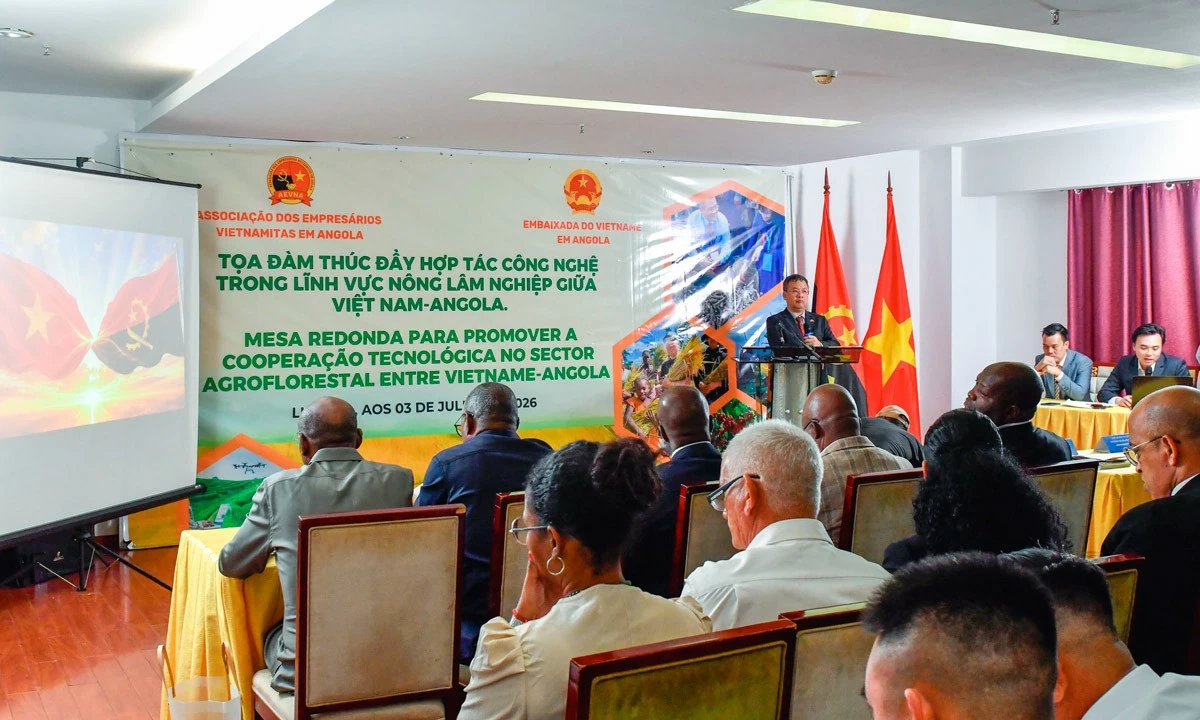 |
In my opinion, agriculture and forestry will be areas capable of creating breakthroughs. Angola has tens of millions of hectares of arable land but still imports a large amount of food annually, including rice. Meanwhile, Vietnam has experience in seeds, irrigation, mechanization, production organization, and building agricultural value chains. Recently, the Embassy has coordinated with the ministries responsible for agriculture and forestry in both countries to promote a rice development cooperation program in Angola, while connecting research institutes and experts from both sides, initially through South-South cooperation frameworks. I hope this will not only be an agricultural project but can become a new symbol of Vietnam-Angola cooperation in the new development phase.
Another area with significant potential is science-technology and digital transformation. Angola is investing heavily in digital infrastructure, data centers, modernizing state governance, and developing digital human resources. Vietnam has extensive practical experience in building a digital government, digital economy, and applying technology for development. If the right partners are connected and the right projects are chosen, this will be an area that creates high added value for the bilateral relationship in the coming years. FPT, Viettel… could be Vietnam's beacons in Angola in this field.
|
|
Additionally, cooperation in energy, telecommunications, vocational education, healthcare, mining, and logistics is also very promising. Notably, the Lobito Corridor, which is being heavily invested in, will enhance Angola's connectivity with the region and the world, opening up more opportunities for foreign businesses, including Vietnamese enterprises.
In my view, in the new phase, the important thing is not to expand cooperation in as many fields as possible, but to choose the right areas capable of creating added value and long-term benefits for both sides. Political relations are the foundation; development cooperation is the measure of the relationship's vitality.
I believe that with the attention of the leaders of both countries, the special friendship foundation built by many generations, and the determination to innovate cooperation thinking of both Vietnam and Angola, the bilateral relationship is poised to enter a new development phase: From traditional friendship to co-development partners; from sharing experiences to creating value together; from existing potential to measurable results through projects, investment flows, and tangible benefits for the people of both countries.
 |
Economic relations determine long-term vitality
In the context of many regional and global fluctuations, what should the two countries do to continue to strengthen political trust and elevate practical and effective cooperation, Ambassador?
Political trust is not maintained solely by friendly declarations but must be continuously nurtured by common interests and specific cooperation results. This is the most important requirement for Vietnam-Angola relations in the current period.
The world is witnessing profound changes. Strategic competition among major powers is becoming increasingly complex; conflicts, instability, protectionism, climate change, food security, and energy security continue to pose many challenges for developing countries. In this context, relationships built on political trust, mutual respect, and a shared commitment to sustainable development become even more valuable.
Vietnam and Angola have an advantage that not all bilateral relationships possess. It is the history of solidarity and mutual support in the struggle for national independence as well as in the process of building and developing the country. The two countries always maintain high political trust, regularly support each other at the United Nations and multilateral forums, and share many views on respecting international law, resolving disputes by peaceful means, and upholding multilateralism.
 |
However, in the current context, maintaining political trust alone is not enough. More importantly, that trust must be transformed into a development driver. This is also the consistent spirit in Vietnam's foreign policy in recent times: foreign affairs must serve development, expand development space, and mobilize external resources for the country.
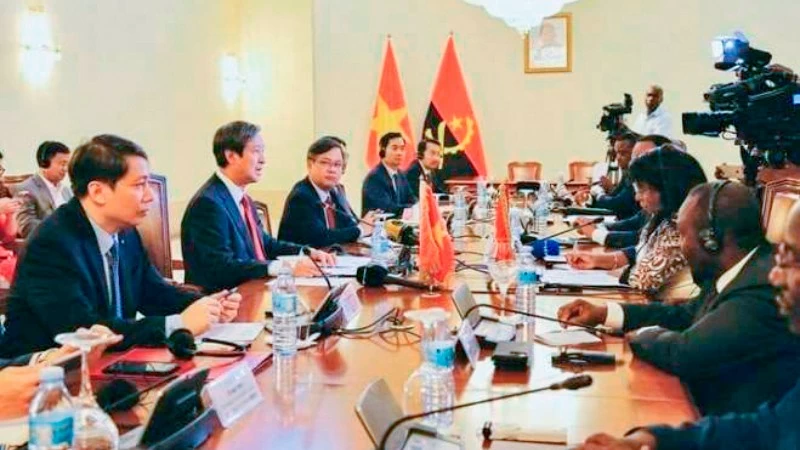
To achieve this, first, the two countries need to continue maintaining regular high-level exchanges and contacts. In 2026, the bilateral relationship is showing many positive signals with both sides actively exchanging working delegations and promoting many new cooperation programs. Such contacts not only have political significance but also motivate ministries, sectors, localities, and businesses of both countries to proactively implement specific cooperation programs.
I also believe that existing cooperation mechanisms need to be operated more substantively. Meetings of the Intergovernmental Committee, Political Consultations, or specialized working groups should not only meet regularly on schedule but also not stop at reviewing what has been done, but should become a place where both sides identify priority projects, resolve obstacles, and monitor implementation to the end. The value of each cooperation mechanism does not lie in the number of meetings, but in the number of issues resolved after each meeting.
A noteworthy point is that Angola is emerging as one of the countries with an increasingly important role in Africa. Not only has it served as the Chair of the African Union, but Angola is also actively participating in reconciliation efforts and promoting stability in Central and Southern Africa. This opens up many opportunities for Vietnam to enhance policy exchanges, share experiences, and coordinate more closely with Angola at regional and international forums. Vietnam can effectively serve as a bridge for ASEAN-AU relations and cooperation.
I believe that multilateral cooperation will increasingly become an important pillar of bilateral relations. Vietnam highly values Angola's role in the African Union, SADC, and ECCAS; and wishes to continue coordinating with Angola on issues of mutual interest such as sustainable development, food security, climate change response, global governance reform, and enhancing the voice of developing countries. The more effectively the two countries coordinate on international forums, the more political trust is strengthened.
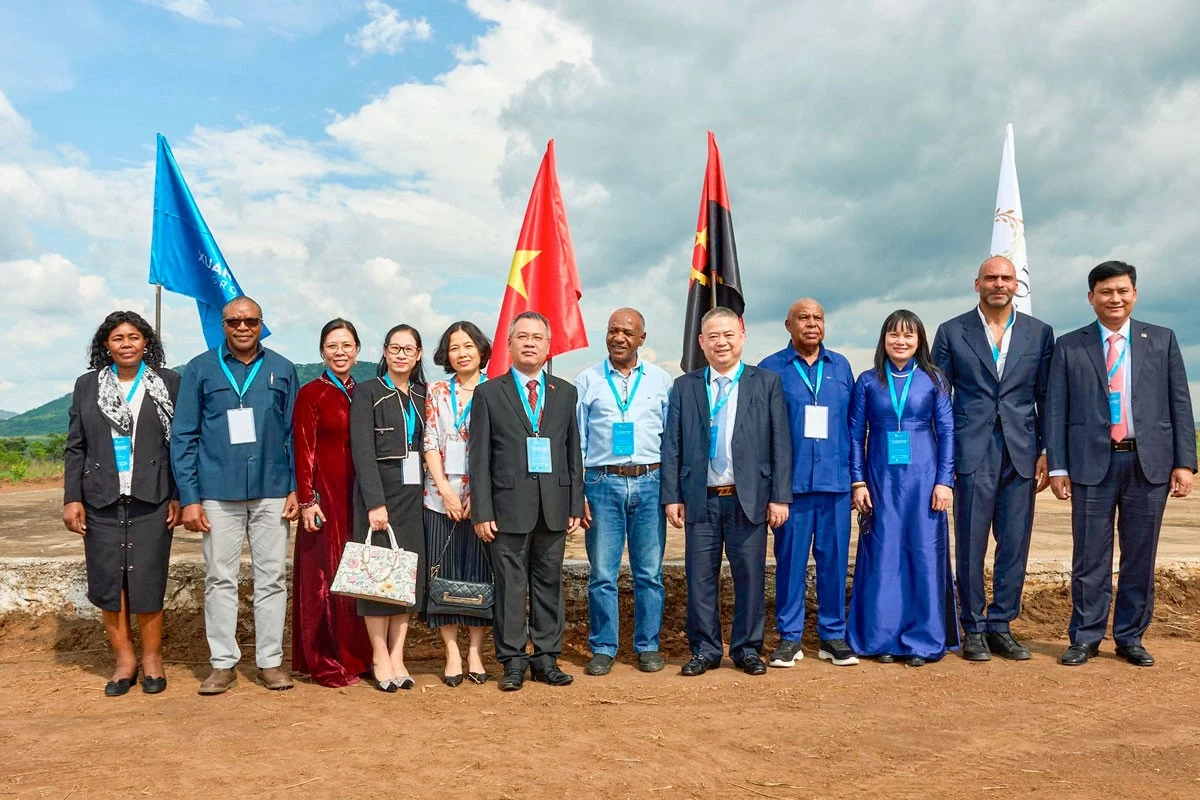
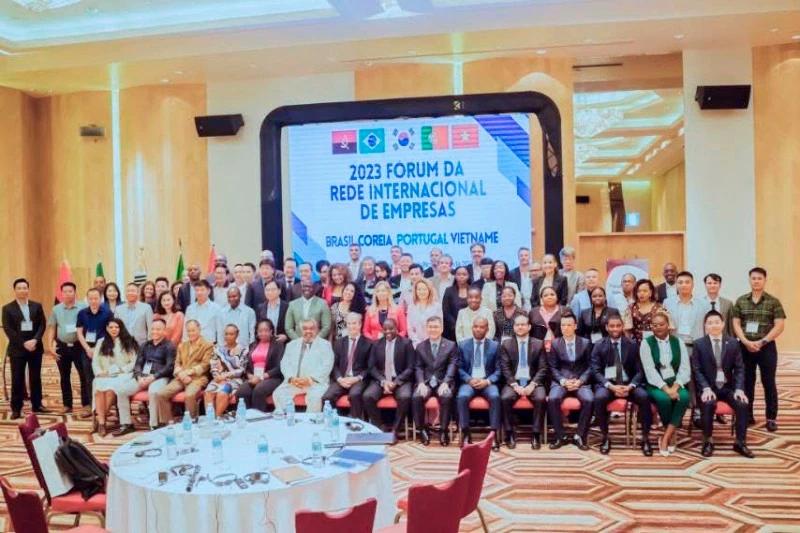
longside government cooperation, I believe there should be more direct bridges between the peoples of the two countries. Recently, the Embassy has actively promoted connections between research institutes, universities, specialized agencies, businesses, and localities. The recent second visit and survey of the Vietnamese agricultural expert delegation at the research facilities of the Angolan Institute of Agricultural Research (IIA) is an example showing that cooperation can start from very specific needs and gradually develop into long-term programs.
Another valuable resource is the many Angolans who were taught by Vietnamese teachers or treated by Vietnamese doctors and are now holding important positions in Angolan state agencies, universities, hospitals, and businesses. They not only have a special affection for Vietnam but also serve as natural bridges, contributing to promoting cooperation between the two countries. In my opinion, this network should be more effectively utilized through exchange, connection, and professional cooperation programs.
Especially, cooperation between Vietnam and Angola in the coming phase needs to strongly shift from the "development support" model to the "co-development" model. Angola is currently interested not only in receiving experience but also in collaborating with Vietnam to implement projects in agriculture, digital transformation, vocational education, science-technology, and human resource development. When both sides invest resources, share benefits, and take joint responsibility for the results, the bilateral relationship will have a much more sustainable foundation.
Political trust is a necessary condition, but co-development cooperation is the sufficient condition for Vietnam-Angola relations to enter a new phase. Every successful project, every effectively invested enterprise, every scientist conducting joint research, every student trained, or every farmer benefiting from cooperation programs contributes to deepening and strengthening the friendship between the two nations.
I believe that with the special friendship foundation built by many generations of leaders and people of both countries, along with the determination to focus on development as the core of cooperation, Vietnam and Angola have a solid basis to elevate bilateral relations to a new height, not only for the benefit of the two countries but also contributing positively to peace, stability, and development in Asia, Africa, and the world.
 |
Economic, trade, and investment cooperation is considered one of the important pillars of bilateral relations. According to the Ambassador, what solutions are needed to boost trade turnover, strengthen business connectivity, and encourage two-way investment between Vietnam and Angola?
Political relations build trust; economic relations determine the long-term vitality of bilateral relations. This is the requirement for Vietnam-Angola relations in the current period.
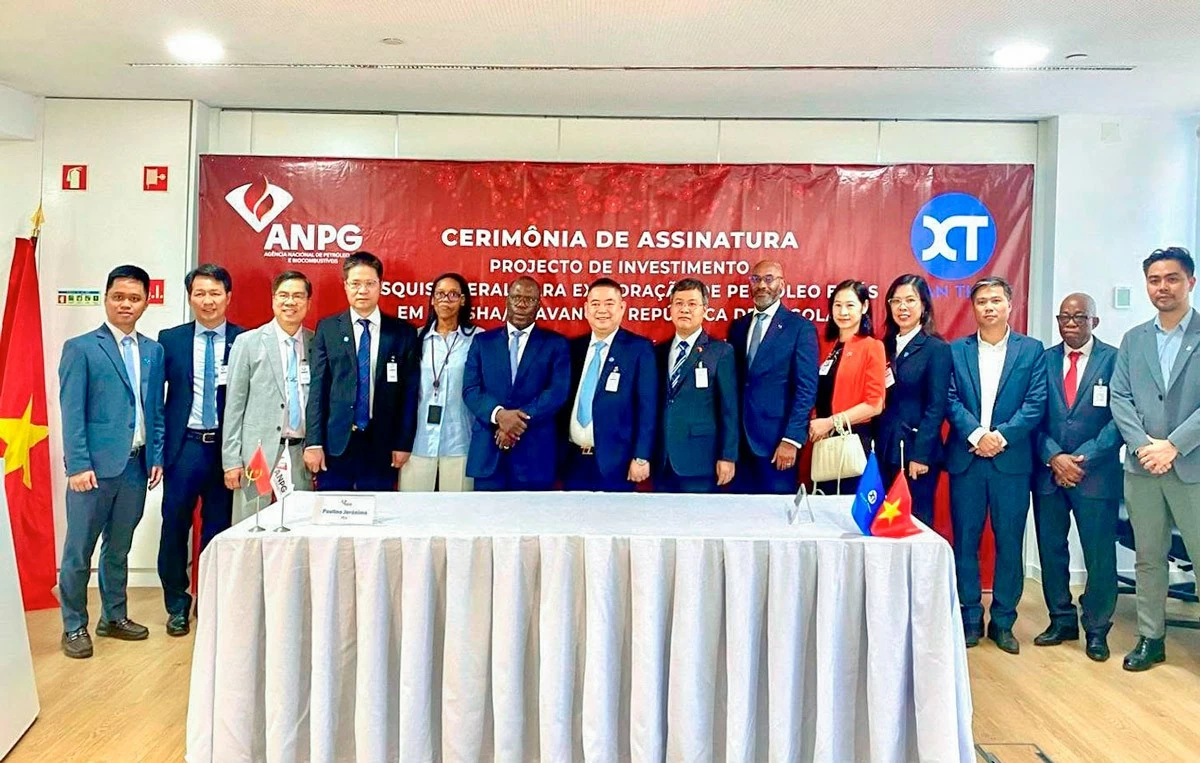
There is a very thought-provoking reality: Vietnam and Angola have excellent political relations, a special historical bond, but economic cooperation has not yet matched the potential of the two countries. Bilateral trade turnover in recent years remains modest and does not accurately reflect the scale and needs of the two economies. Meanwhile, Angola is the third-largest economy in sub-Saharan Africa, with a population of nearly 40 million, and a member of the African Continental Free Trade Area (AfCFTA) – a market of over 1.4 billion people with a GDP of about 3.4 trillion USD. If we only see Angola as an export market, we will miss a great opportunity; but if we view Angola as a gateway to deeper participation in the African market, the strategic significance will be entirely different.
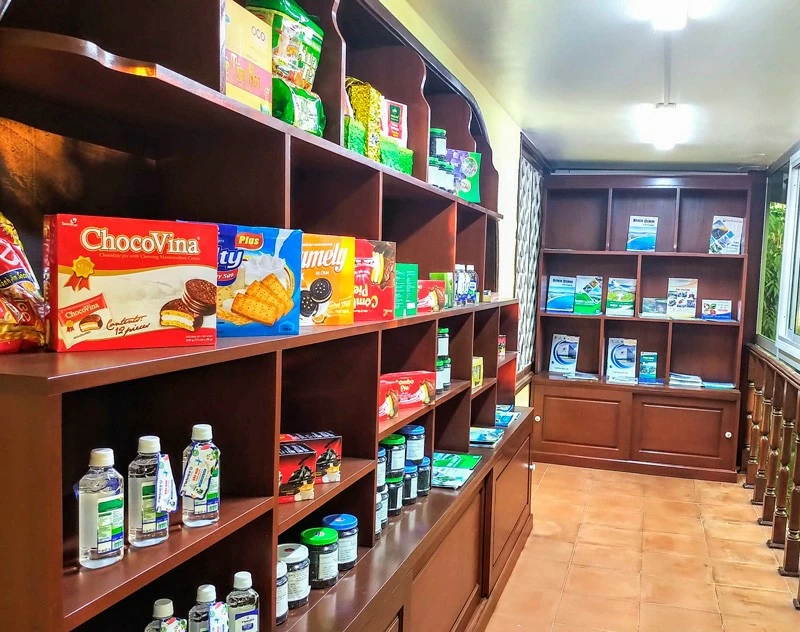
or many years, Vietnamese businesses have generally viewed Africa and Angola primarily from an export perspective. That approach has yielded certain results but is not enough to establish a long-term presence. In the context of AfCFTA gradually forming a unified African market, Vietnamese businesses need to shift from a "selling" mindset to an "investing, producing, and market developing" mindset. Only with a substantial presence in Angola can Vietnamese businesses participate more deeply in the supply chain and take advantage of regional market incentives.
Second, we need to address the bottlenecks that the business community often reflects on.
Through exchanges with businesses from both countries in recent times, I have realized that the biggest difficulty is not a lack of opportunities, but a lack of reliable market information, verified partners, high logistics costs, and international payment challenges. Currently, there is no direct sea transport route between Vietnam and Angola; goods often have to be transshipped through multiple ports, increasing both time and costs. These issues cannot be resolved overnight but can be gradually addressed through coordination between management agencies, businesses, and trade support organizations of the two countries.
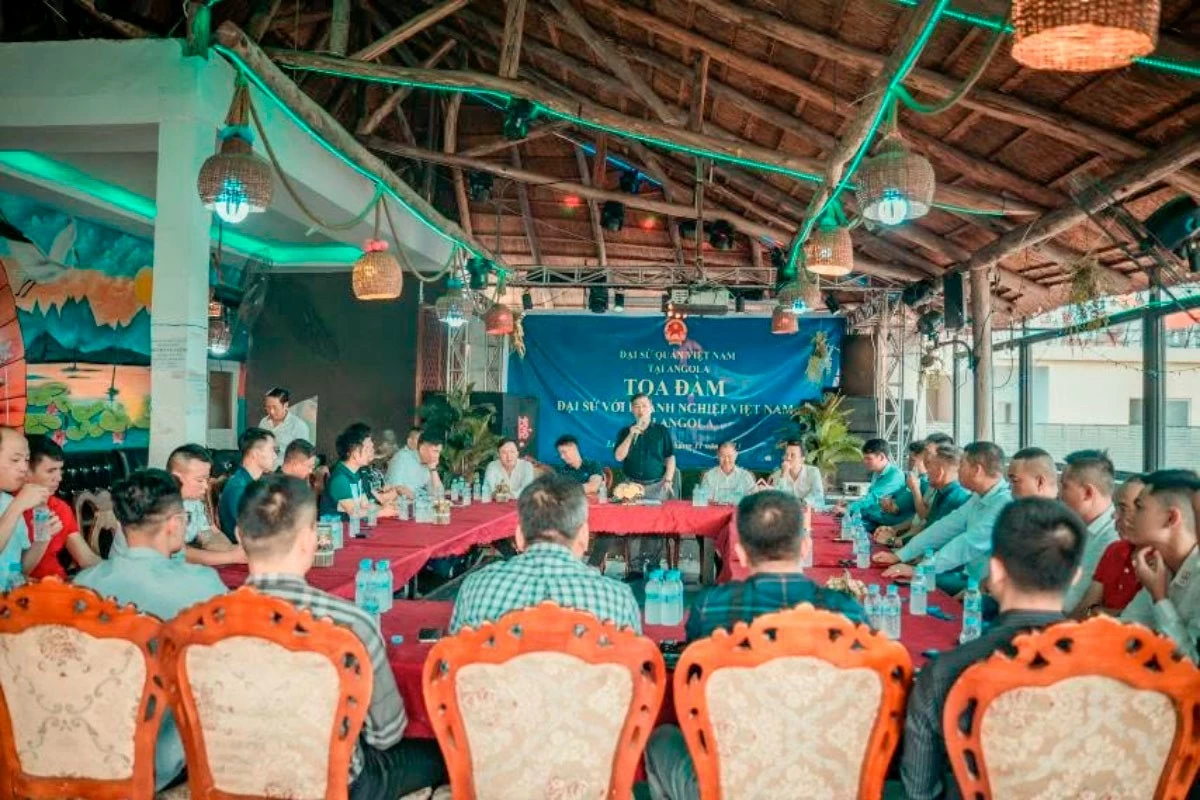
In my opinion, this is also the time when the role of economic diplomacy needs to be more clearly demonstrated. The Embassy cannot sign contracts on behalf of businesses but can help them reduce information search costs, mitigate risks when entering the market, and shorten the time to build relationships with partners. In the context of Africa, these factors often determine the success of an investment project.
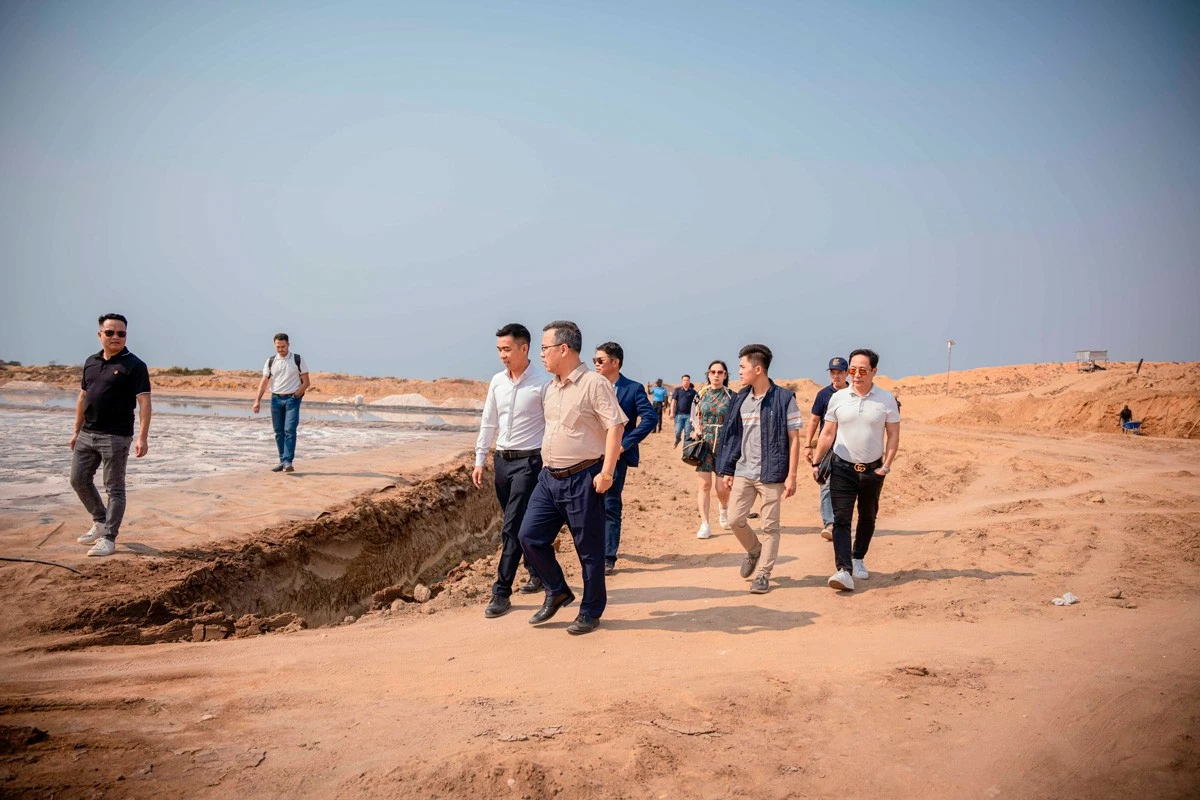
A very important direction is to promote business connectivity by industry, instead of organizing general trade promotion activities. For example, in agriculture, the Embassy has coordinated to promote meetings between the Ministries of Agriculture of the two countries, connect research institutes, and conduct field surveys to understand the situation in terms of people, policies, and natural conditions. Such activities help businesses and specialized agencies understand Angola's actual needs, thereby forming cooperation projects that can be immediately implemented, rather than just stopping at information exchange.
Agriculture and forestry will continue to be areas capable of creating breakthroughs in economic cooperation. Angola has very favorable natural conditions but still imports large quantities of food annually, including rice. Vietnam has strengths in crop varieties, irrigation, mechanization, agricultural processing, and production organization. If the rice development cooperation program that both sides are promoting or the large-scale afforestation project is successfully implemented, this will not only be an agriculture-forestry project but also a development cooperation model that can be replicated in many other fields.
In addition, many new fields are also opening up great opportunities. Angola currently prioritizes the development of processing industries, mining, energy, logistics, and digital transformation. Vietnam has many businesses that have accumulated experience in these fields and are fully capable of participating in Angola's development process. I am particularly hopeful about cooperation in digital transformation, telecommunications, agricultural technology, and technical human resource training, as these are fields that align with Angola's needs and are increasingly clear strengths of Vietnam.
Conversely, we also need to pay more attention to attracting Angolan businesses to explore investment opportunities in Vietnam. Although Angola's overseas investment scale is not large, many Angolan businesses are seeking partners in agriculture, food processing, logistics, and trade. These are fields where Vietnam has a stable investment environment and many competitive advantages.
In the Halal industry, although Angola is not a Muslim country, it is home to many Muslims and has experience in developing Halal services, from which we can learn.
In the coming time, the Embassy will continue to coordinate with ministries, sectors, localities, and business associations of both countries to build a more regular connection network; enhance the quality of market information; support partner verification; and accompany businesses throughout the project preparation and implementation process. In my opinion, economic diplomacy is only truly successful when businesses consider the Representative Mission a reliable companion in the process of market expansion.
General Secretary, President To Lam has repeatedly emphasized the requirement that foreign affairs must contribute to expanding the country's development space. For me, that is not an abstract concept. Every Vietnamese business successfully investing in Angola, every new market opened, every cooperation project effectively implemented is precisely the expansion of the country's development space with very concrete results.
I believe that with the excellent political foundation, the complementary nature of the two economies, and the determination of the two governments to improve the cooperation environment, Vietnam-Angola economic relations will see stronger development in the coming time. In that context, the achievements in trade and investment will not only bring benefits to businesses but also contribute to making the traditional friendship between the two countries more substantive, sustainable, and deeper.
Besides economic cooperation, Vietnam and Angola have achieved many successes in fields such as agriculture, healthcare, education, and human resource training. How does the Ambassador assess the effectiveness of these cooperation programs, and what will be the priorities in the future?
A sustainable relationship is not only built on agreements between the two governments but also on the values that the people of both countries truly feel and enjoy. In my opinion, this is the greatest significance of the cooperation programs between Vietnam and Angola over the past four decades.
In the history of bilateral relations, cooperation in healthcare, education, and human resource training has always been fields rich in humanity. Thousands of Vietnamese experts, doctors, engineers, and teachers have worked in Angola during the country's difficult periods. These contributions not only help Angola develop its human resources but also create a very valuable intangible asset: the affection, trust, and understanding between the people of the two countries. This is a foundation that no investment can replace.
However, looking only at past achievements is not enough. The important thing is how to continue creating new value in these traditional cooperation fields as both countries enter a new development phase.
As I mentioned, agriculture and forestry have the greatest potential to create qualitative shifts. Vietnam, from a food-deficient country, has become one of the world's leading rice and agricultural exporters, serving as a model for Angola to look up to, finding many similarities. They are interested not only in rice varieties or cultivation techniques but in the entire agricultural development experience of Vietnam, from production organization, irrigation, agricultural extension to building value chains and market development. The significance of the current South-South program lies not only in growing rice but, more importantly, in building a comprehensive cooperation model for technology transfer, technical staff training, production area development, and gradually contributing to ensuring food security for Angola. If successful, this could become a new symbol of Vietnam-Angola cooperation in the development phase.
 |
In the field of healthcare, Vietnam also has many experiences that Angola is interested in. In recent years, Angola has continued to invest in expanding the hospital system, improving the quality of medical examination and treatment, and training medical staff. Vietnam can share experiences in grassroots healthcare, hospital management, digital transformation in healthcare, training specialized doctors, pharmaceutical and medical equipment production, opening pharmaceutical factories in Angola, or opening a Vietnamese international hospital in Angola. I believe that healthcare cooperation in the coming phase should shift from short-term expert dispatch to training programs, technical transfer, and long-term connections between hospitals and medical universities of the two countries.
Education and human resource training also need to be approached with a new mindset. For many years, the focus of cooperation has mainly been on sending experts to Angola to support teaching or providing long-term training scholarships. This remains a very important channel, but in addition, the two countries can expand to short-term training programs, vocational training, training according to business needs, and cooperation between universities and research institutes. In the context of Angola promoting digital transformation, high-tech agriculture, and processing industries, the demand for high-quality technical human resources will increasingly grow. This is a field where Vietnam can share experiences and accompany Angola.
In my opinion, the biggest priority in the future is transitioning from project-based cooperation to capacity-building cooperation. A project may end after a few years, but if we help the partner country train a team of staff, form a development model, and master technology, the value will be much more sustainable. This is also the cooperation philosophy that Vietnam has always pursued with traditional friendly countries.
In addition, there needs to be stronger participation from universities, research institutes, businesses, and localities of both countries. These entities are the ones directly creating knowledge, technology, and specific cooperation models. The role of the Government and Representative Missions is to connect, create frameworks, and support these initiatives to be effectively implemented.
General Secretary, President To Lam has repeatedly emphasized the requirement to use science-technology, innovation, and digital transformation as the driving force for national development. In my opinion, that spirit should also be applied in international cooperation. Cooperation between Vietnam and Angola is not only about sharing what we already have but also about creating new values together based on knowledge, technology, and human resources.
I believe that if we effectively promote the traditional friendship foundation while innovating the approach towards joint research, joint training, joint technology transfer, and joint development, traditional cooperation fields will continue to be a highlight in Vietnam-Angola relations, making a practical contribution to the development of each country and deepening the friendship between the two nations.
Foreign affairs open new paths for the economy to reach its goals
In the context of Vietnam vigorously implementing a comprehensive, modern foreign policy and promoting the pioneering role of foreign affairs, what key tasks will the Vietnamese Embassy in Angola focus on to deepen bilateral relations and expand cooperation in new fields such as digital transformation, innovation, energy, or high-tech agriculture?
In the new development phase, the value of a Representative Mission is not only measured by the number of high-level contacts but more importantly by the number of development opportunities created for the country. I believe this is also the requirement for the system of Vietnamese Representative Missions abroad when implementing a comprehensive, modern foreign policy in the spirit of the Party's 14th Congress Resolution and the directives of General Secretary To Lam.
Minister of Foreign Affairs Le Hoai Trung has also emphasized the requirement that foreign affairs must take a step ahead, expand development space, and mobilize maximum external resources to serve national development, commensurate with its essential, regular position. This requires each Embassy not only to perform political-diplomatic work well in the traditional sense but also to become a "connection center" for economics, science-technology, investment, innovation, and human resources.
For Angola, we identify the first task as continuing to consolidate the political foundation – a foundation built on trust and special affection between the two countries over many decades. In the context of Angola's increasingly important role in Africa, especially in the African Union (AU), SADC, and ECCAS, maintaining regular exchanges with Angola's leadership, ministries, sectors, and localities not only contributes to strengthening bilateral relations, creating conditions for Vietnam to enhance connections with the African region but also connects ASEAN to Africa.
However, the biggest focus of the Embassy in the coming time will be transforming political relations into specific cooperation programs.
In the field of science, technology, and innovation, this is a very favorable time for the two countries to enhance cooperation. Angola is implementing many programs to modernize its economy, build digital infrastructure, develop national data centers, promote e-government, and train technology human resources. Vietnam is also entering a new development phase with science-technology, innovation, and digital transformation identified as the main growth drivers.
Based on this demand, the Embassy has actively connected the specialized agencies of the two countries, promoted exchanges between ministries, universities, and businesses of both countries. In my opinion, science-technology cooperation in the coming phase should not stop at delegation exchanges or signing documents but should aim at specific cooperation projects on digital transformation, artificial intelligence, agricultural technology, digital human resource training, and supporting the innovation ecosystem.
High-tech agriculture and forestry continue to be one of the top priorities. Angola has great potential but also needs development models suitable for its actual conditions. Therefore, the Embassy is closely coordinating with the ministries and sectors of both countries to promote the Rice Development Program, participate in large-scale afforestation projects in Angola by combining seed transfer, technical process, mechanization, staff training, and value chain building. This is not only cooperation in agricultural production but also cooperation in science, technology, and rural development.
Additionally, energy is also a field with many prospects. Angola is promoting energy diversification, developing hydropower, solar power, and gradually transitioning to sustainable energy. Vietnam has accumulated extensive experience in energy infrastructure development, attracting investment, and managing the power system. The Embassy will continue to serve as a bridge for businesses, management agencies, and experts from both countries to exchange information and seek suitable cooperation opportunities.
One task we particularly value is improving the quality of research, forecasting, and advisory work. Modern foreign affairs not only react to international developments but must proactively identify trends and recognize opportunities very early. The Embassy will continue to closely monitor Angola's development policies, especially in agriculture, energy, mining, digital transformation, logistics, and infrastructure, to promptly provide information, policy recommendations, and connect partners for domestic ministries, sectors, localities, and businesses.
We will also strongly innovate the way economic diplomacy is implemented. Instead of organizing individual promotion activities, the Embassy will aim to build a long-term cooperation network between businesses, research institutes, universities, and localities of both countries. When these entities connect regularly, bilateral relations will have much more sustainable vitality.
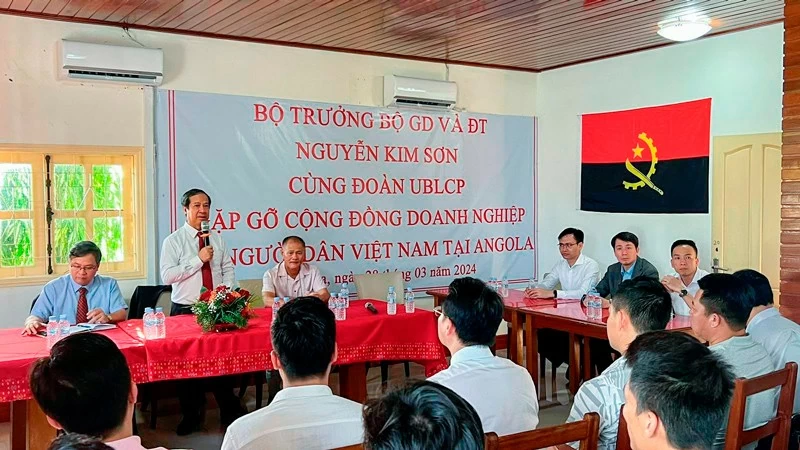
In addition, cultural diplomacy and people-to-people diplomacy will still be given due attention. The Vietnamese community in Angola, in general, and the Vietnam Association, the Vietnam Business Association in Angola, in particular, although not large, are always united, complying well with local laws, and serving as active bridges between the two countries, fulfilling the very special role of "friendship ambassador." We will continue to promote this valuable resource through exchange, connection, and professional cooperation activities.
In my opinion, in today's era, a Representative Mission is not only a place to connect governments but also a place to connect knowledge, technology, businesses, and development resources. That is also the most practical way to realize the spirit of comprehensive, modern foreign affairs that our Party and State are implementing.
I believe that with the traditional friendship foundation between Vietnam and Angola, along with the determination to innovate the thinking and operational methods of the Representative Missions, we can open up new areas of cooperation with higher added value, contributing to the substantive, effective development of Vietnam-Angola relations and positively contributing to the fast, sustainable development goals of each country.
Vietnam is striving to achieve double-digit economic growth in the coming period. According to the Ambassador, how should the Vietnamese Embassy in Angola play its role in contributing to this goal, especially through promoting economic diplomacy, attracting investment, expanding export markets, and connecting businesses between the two countries?
Diplomacy does not directly create GDP, but it can open up markets, capital, technology, knowledge, and trust to drive for GDP growth. In my opinion, that is the role of foreign affairs in the new development phase of the country.
Vietnam is setting a target for double-digit growth in the coming years. This is a very high goal, requiring not only strong domestic innovation but also effective exploitation of international resources. In this context, foreign affairs not only have the task of maintaining a peaceful and stable environment but also must truly become a development driver. I believe that the perspective that foreign affairs must take a step ahead, expand development space, and mobilize maximum external resources to serve the cause of building and developing the country is the requirement for each Vietnamese Representative Mission abroad.
For the Vietnamese Embassy in Angola, the greatest contribution is not to replace businesses or ministries but to help Vietnam accurately identify new development opportunities before others see them. In the increasingly fierce international competition, the country that discovers opportunities earlier, connects resources faster, and acts more decisively will have a greater advantage in development.
 |
Angola is a typical example. Many years ago, Vietnamese businesses often viewed Angola primarily as a consumer goods export market. But today, Angola is transitioning to a new development phase with a focus on economic diversification, agriculture development, processing industries, energy, logistics, digital economy, and investment attraction. At the same time, with its increasingly important role in the AU, SADC, ECCAS, and participation in AfCFTA, Angola is becoming a gateway to access the vast African market. If we only see Angola as a market of nearly 40 million people, we will miss the opportunity; but if we view Angola as a connection point for Vietnamese businesses to participate more deeply in the over 1.4 billion African market, the significance will be entirely different.
Therefore, the first task of the Embassy is to improve the quality of research, forecasting, and advisory work. We must closely monitor changes in Angola's development policies, early identify areas where Vietnam has advantages, and proactively propose to domestic ministries, sectors, localities, and businesses. The value of advisory work does not lie in the number of reports but in the ability to turn information into decisions and development opportunities.
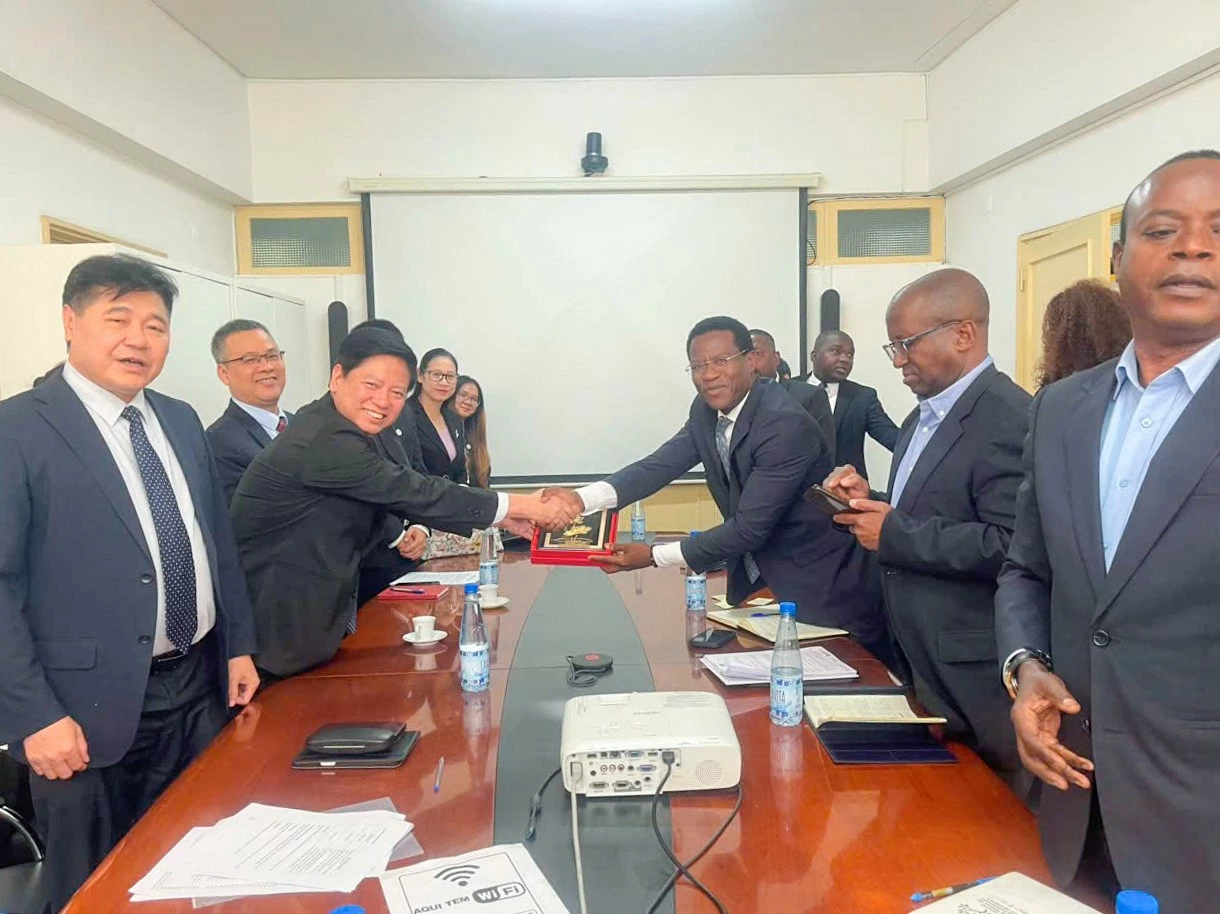
The second task is to connect businesses in a more substantive manner. In recent years, the Embassy has actively coordinated to organize working delegations, connect businesses, and promote direct work between specialized agencies of the two countries. Especially in agriculture, the connection between the Ministries of Agriculture and Environment of the two countries, organizing surveys in Huambo, working with the Angolan Institute of Agricultural Research (IIA), and building the Rice Development Cooperation Program are examples of the new approach of economic diplomacy: not only introducing opportunities but also preparing conditions with partners to turn opportunities into specific projects.
In my opinion, economic diplomacy needs to shift from a "promotion" mindset to a "companion" mindset. Businesses not only need market information but also need support in verifying partners, connecting with management agencies, resolving procedural, payment, logistics difficulties, and handling issues arising during investment. A successful Representative Mission is not the one that organizes the most seminars but the one where many businesses return because they truly receive effective support.
For Angola, I believe that agriculture, processing industries, telecommunications, digital transformation, energy, logistics, and human resource training will be fields capable of creating high added value in the coming years. These are also fields that align with Angola's development orientation and Vietnam's strengths. If well-utilized, not only will Vietnamese businesses have more markets, but we can also participate more deeply in the development process of one of Africa's important economies.
Another task that the Embassy particularly values is contributing to building Vietnam's image as a reliable development partner. Previously, many countries knew Vietnam through its history of struggle for independence. Today, what we need to do is to let international friends know Vietnam as a dynamic economy, a production center, an innovative nation, and a responsible partner. An enhanced national image will directly facilitate trade, investment, tourism, and science-technology cooperation.
In my opinion, in the current global competition context, a country's development space is no longer primarily determined by its territorial area but by its ability to connect with the world. Every new market opened, every strategic partner established, every investment project successfully implemented contributes to expanding Vietnam's development space.
 |


