



AFF 2026: Advancing ASEAN's Future through Smart, Sustainable, and Connected Cities
WVR - On the afternoon of June 8, in Hanoi, the ASEAN Future Forum (AFF) held its 3rd ASEAN Cities Leaders' Conference.
Latest
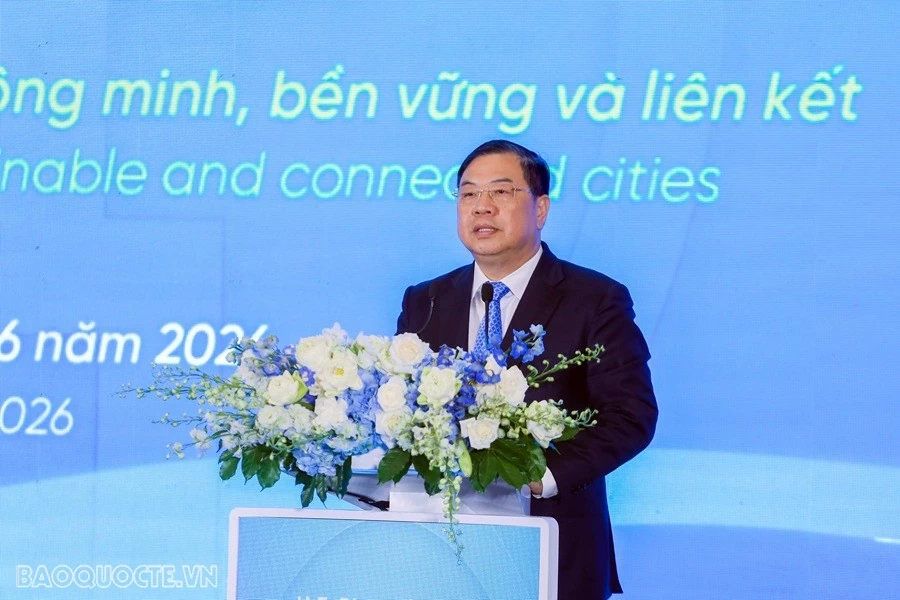 |
| Permanent Deputy Prime Minister Pham Gia Tuc speaks at the ASEAN Cities Leaders' Conference. (Photo: Quang Hoa - Thanh Long) |
Politburo Member and Permanent Deputy Prime Minister Pham Gia Tuc; Party Central Committee Member, Standing Deputy Secretary of the Party Committee of the Ministry, Deputy Minister of Foreign Affairs Nguyen Manh Cuong; Party Central Committee Member, Chairman of the Hanoi People's Committee Vu Dai Thang, along with Governors, Mayors, and Leaders of ASEAN cities and experts and delegates attended the conference. ASEAN Secretary-General Kao Kim Hourn also sent a message to the Conference.
Urban areas – The new driving force of ASEAN
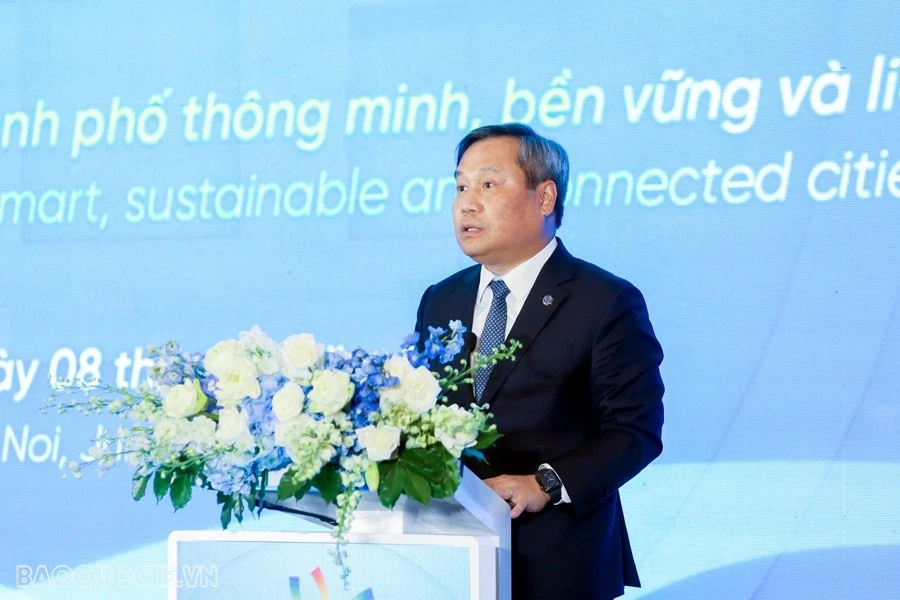 |
| Chairman of the Hanoi People's Committee Vu Dai Thang delivers the opening speech at the Conference. (Photo: Quang Hoa - Thanh Long) |
In his opening remarks, Chairman of the Hanoi People's Committee Vu Dai Thang emphasized that the rapid urbanization process is turning cities into centers of growth, innovation, and regional connectivity, but also poses many challenges such as climate change, infrastructure pressure, environmental pollution, digital transformation, and improving the quality of life for citizens.
With the theme "Advancing the Future through Smart, Sustainable, and Connected Cities", the Conference is expected to be a forum for ASEAN cities to share experiences and promote cooperation in smart urban governance, AI application, citizen-centered digital transformation, green development, and climate change adaptation.
Hanoi's leadership affirmed that the city is accelerating the construction of a digital government, digital economy, and digital society, while promoting green growth, sustainable transportation development, and expanding green spaces. Hanoi is committed to continuing as a reliable partner, an active and responsible member in ASEAN cooperation mechanisms, aiming to build a more connected, innovative, and sustainable ASEAN urban network.
At the Conference, Deputy Minister of Foreign Affairs Nguyen Manh Cuong emphasized that the Vietnamese Ministry of Foreign Affairs identifies localities as one of the main forces in implementing comprehensive international integration and diplomacy. According to the Deputy Minister, this Conference is evidence of local efforts to expand partnership networks, mobilize resources, and engage more deeply in regional cooperation mechanisms.
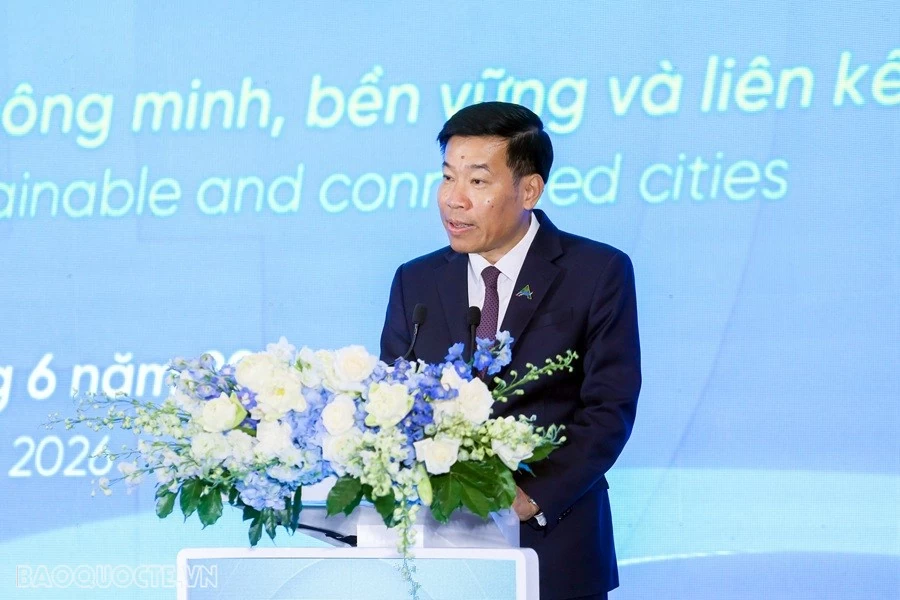 |
| Party Central Committee Member, Standing Deputy Secretary of the Party Committee of the Ministry, Deputy Minister of Foreign Affairs Nguyen Manh Cuong speaks at the Conference. (Photo: Quang Hoa - Thanh Long) |
The Deputy Minister stressed that AFF, initiated by Vietnam, is gradually affirming its role as an important policy dialogue platform for ASEAN. AFF 2026 holds special significance as it is the first time ASEAN city leaders have a separate dialogue forum within the AFF framework, and it is also the first time Vietnam has chaired a multilateral initiative dedicated to regional local cooperation.
In the context of cities increasingly engaging in global issues such as digital transformation, green growth, and climate change adaptation, the Deputy Minister emphasized that cooperation among cities is becoming an increasingly important form of "urban diplomacy". The Conference is expected to create a space for cities to share experiences, seek common solutions, and promote substantive cooperation within ASEAN.
Referring to forecasts that nearly half a billion ASEAN citizens will live in urban areas by 2045, the Deputy Minister expressed confidence that cities will become pioneers in innovation, digital transformation, and sustainable development. Vietnam is committed to continuing to accompany localities in promoting cooperative initiatives, contributing to building a peaceful, resilient, and people-centered ASEAN Community.
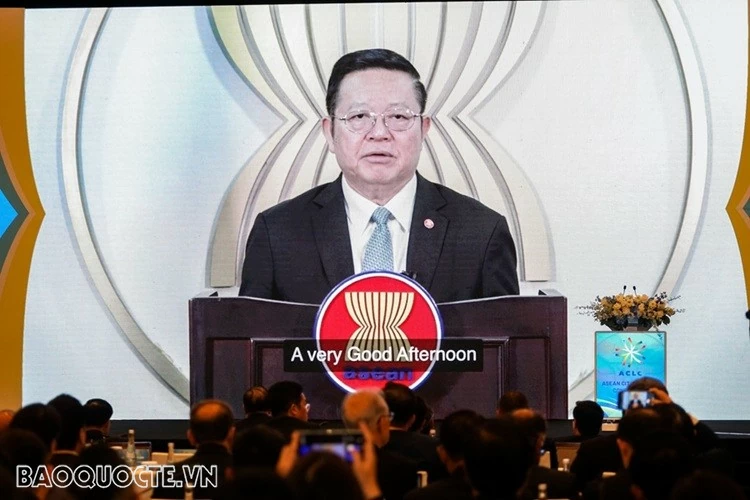 |
| ASEAN Secretary-General Kao Kim Hourn sends a message to the Conference. (Photo: Quang Hoa - Thanh Long) |
In a message sent online to the Conference, ASEAN Secretary-General Kao Kim Hourn emphasized that the theme "Advancing the Future through Smart, Sustainable, and Connected Cities" accurately reflects the current development needs of the region. According to him, smart cities are not just about technology, but must be people-centered, using innovation to address challenges such as congestion, pollution, inequality, and climate resilience.
The Secretary-General stated that since its establishment in 2018, the ASEAN Smart Cities Network (ASCN) has become a platform for promoting cooperation between governments and localities in smart and sustainable urban development. He appreciated the active participation of many ASEAN cities, including Hanoi and Ho Chi Minh City, through the implementation of smart urban projects and the promotion of experience exchanges with regional and international partners.
According to Kao Kim Hourn, smart and sustainable urban development has now become an important part of the ASEAN Community Vision 2045 and the ASEAN Connectivity Master Plan. He called on cities to enhance cooperation on digital transformation, urban governance, and building climate resilience.
The ASEAN Secretary-General also emphasized that there is no one-size-fits-all model for all cities, as each urban area has different development conditions, resources, and cultural contexts. Therefore, solutions need to be built based on the needs and realities of each locality. He expressed confidence that the conference will provide an opportunity for ASEAN cities to strengthen connections, share experiences, and promote substantive cooperation for a more sustainable urban future in the region.
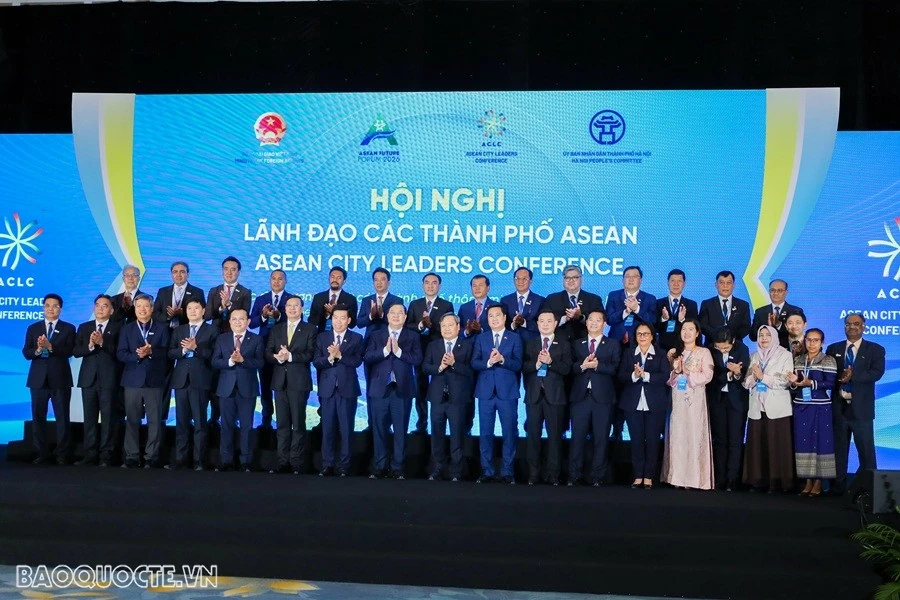 |
| Delegates take a group photo at the Conference. (Photo: Quang Hoa - Thanh Long) |
At the Conference, Permanent Deputy Prime Minister Pham Gia Tuc emphasized that ASEAN is entering a pivotal phase to realize the ASEAN Community Vision 2045 in a rapidly changing world. Strategic competition is increasing, the rapid development of artificial intelligence and new technologies, and the impacts of non-traditional security require ASEAN to further enhance its resilience.
On this basis, Permanent Deputy Prime Minister Pham Gia Tuc proposed four major directions for the Conference to discuss:
First, creating resilient and people-centered cities. ASEAN cities need to shift from a reactive mindset to a proactive approach for the future; from building solutions for individual issues to forming a high-resilience ecosystem to development challenges.
Second, mobilizing and connecting resources for urban development. Specifically, to effectively exploit the ASEAN Connectivity Strategic Plan 2026 - 2035, it is necessary to proactively build quality projects, strengthen cooperation to access financial, technological, knowledge, and governance resources from partners.
Third, building a knowledge and innovation network among ASEAN cities.
Fourth, turning commitments into actions and substantive results. The initiatives discussed today need to be concretized into cooperative programs with clear objectives, capable of implementation, and bringing tangible benefits to the people.
Permanent Deputy Prime Minister Pham Gia Tuc stated that the common values that have made ASEAN strong over nearly six decades are solidarity, cooperation, and joint development.
"I believe that with a spirit of cooperation and shared responsibility, ASEAN cities will continue to strengthen connections, share experiences, and jointly create new development drivers, making practical contributions to building a resilient, sustainable, and people-centered ASEAN Community. This spirit needs to spread even more strongly starting from Hanoi today," emphasized Standing Deputy Prime Minister Pham Gia Tuc.
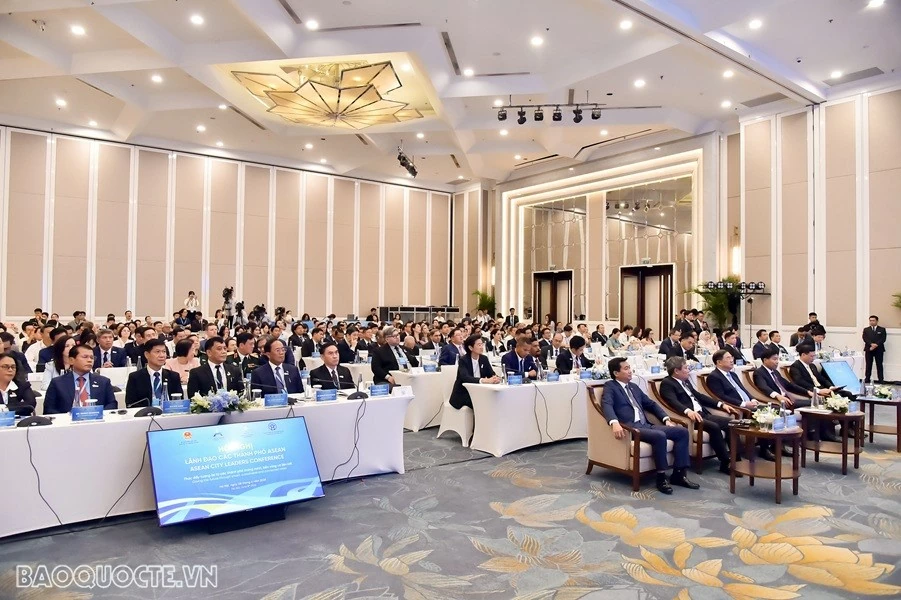 |
| Overview of the Conference. (Photo: Quang Hoa - Thanh Long) |
AI and digital transformation open new opportunities for ASEAN urban governance
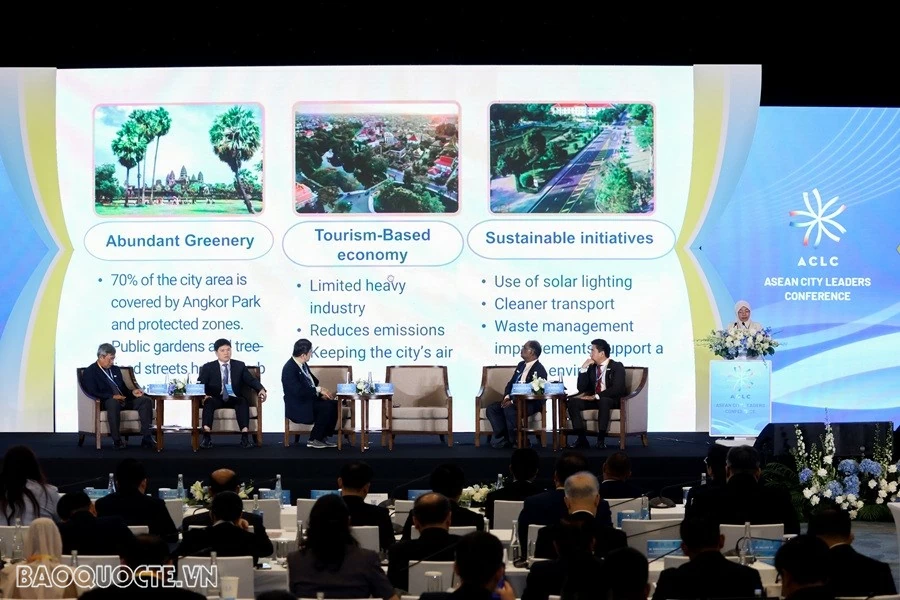 |
| Speakers in the discussion session "Seizing Development Opportunities in the Digital Era: People-Centered and AI Application to Enhance Urban Governance Efficiency". (Photo: Quang Hoa - Thanh Long) |
In the first dialogue session of the Conference with the theme "Seizing Development Opportunities in the Digital Era: People-Centered and AI Application to Enhance Urban Governance Efficiency", the speakers included: Mr. Truong Viet Dung, Vice Chairman of the Hanoi People's Committee; Mr. Hoang Minh Cuong, Vice Chairman of the Hai Phong People's Committee; Mr. Ho Quang Buu, Vice Chairman of the Da Nang People's Committee; Ms. Math Azimah, Deputy Mayor of Siem Reap City (Cambodia); Dr. Venkatachalam Anbumozhi, Senior Researcher at the Economic Research Institute for ASEAN and East Asia (ERIA); and Mr. Osamu Sudo, Deputy General Director of Amata Vietnam Corporation.
Speaking at the discussion, Mr. Truong Viet Dung, Vice Chairman of the Hanoi People's Committee, emphasized that digital transformation only truly matters when it directly serves the lives of citizens, making life more convenient, safer, and ensuring that citizens are heard more.
According to Hanoi's leadership, the rapid urbanization process is creating significant growth momentum for ASEAN but also poses many common challenges such as traffic congestion, environmental pollution, flooding, and overloaded public services. In this context, cities need to leverage digital technology and AI to enhance governance efficiency, while ensuring a people-centered approach and not leaving vulnerable groups behind.
The Hanoi representative stated that the city is gradually building a digital ecosystem in areas such as healthcare, education, transportation, environment, and urban governance. AI applications and big data are being deployed to support traffic regulation, improve public service quality, and enhance the quality of life for citizens. The city is also researching the construction of a "digital twin" of the urban area to simulate and evaluate policy impacts before actual implementation.
From its own experience, Hanoi proposed three cooperation priorities among ASEAN cities, including developing a comprehensive and inclusive digital infrastructure, building a responsible data governance mechanism, and promoting experience sharing and solutions through the ASEAN Smart Cities Network.
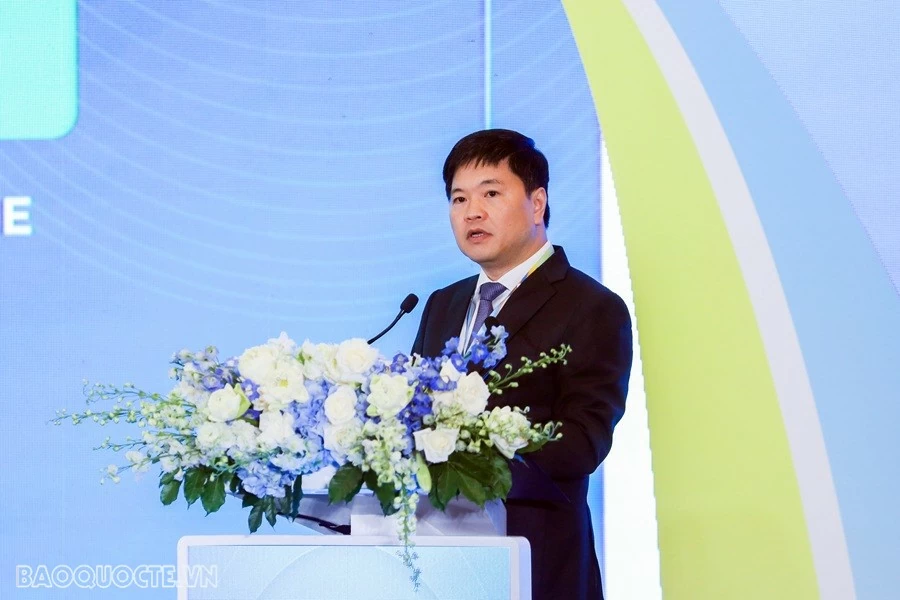 |
| Vice Chairman of the Hai Phong People's Committee Hoang Minh Cuong shares at the discussion session. (Photo: Quang Hoa - Thanh Long) |
Speaking at the discussion, Vice Chairman of the Hai Phong People's Committee Hoang Minh Cuong stated that the city aims to become a leading smart logistics and seaport center in ASEAN, as well as a top smart city in Vietnam. According to him, Hai Phong identifies science and technology, innovation, and digital transformation as strategic drivers to maintain economic growth, improve governance efficiency, and enhance competitiveness.
Hai Phong's leadership stated that the city has built high-quality digital infrastructure with extensive 5G coverage, developed an urban data ecosystem, and established a network of 116 public service centers, where nearly all administrative procedures are handled online. Hai Phong is also gradually applying AI in traffic management, urban security monitoring, and traffic violation handling, while promoting an innovation and technology startup ecosystem.
To promote regional cooperation, Hai Phong proposed building an ASEAN Urban Data Sharing Network, enhancing cooperation on responsible AI development, promoting the ASEAN Urban Innovation Network, and researching the "ASEAN Urban Digital Twin" model to support urban management. According to Hoang Minh Cuong, digital transformation and AI are opening opportunities for ASEAN cities to become greener, smarter, and more inclusive in the future.
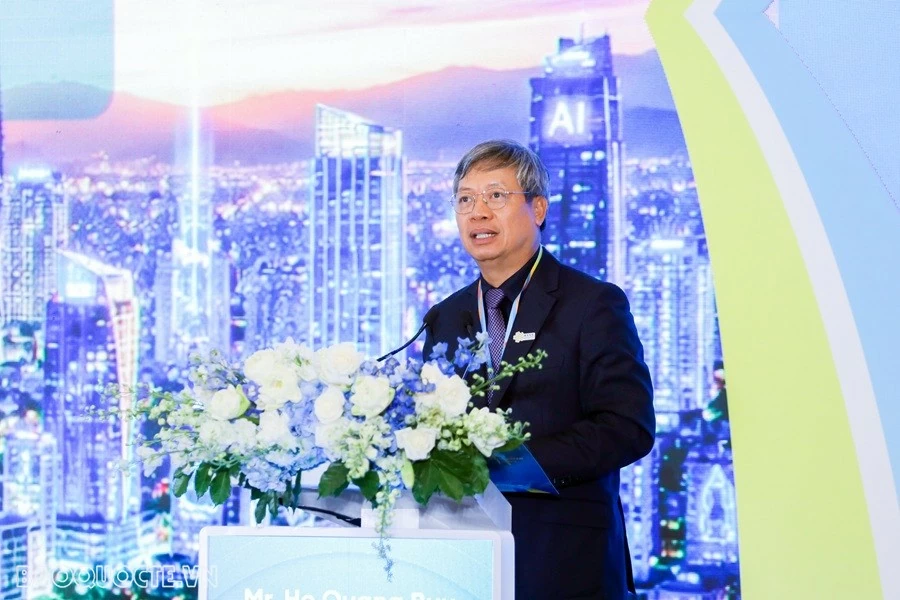 |
| Vice Chairman of the Da Nang People's Committee Ho Quang Buu shares at the discussion session. (Photo: Quang Hoa - Thanh Long) |
Sharing at the Conference, Vice Chairman of the Da Nang People's Committee Ho Quang Buu stated that the city is emerging as one of the leading localities in Vietnam in digital transformation and smart urban development. Da Nang has led the Vietnam ICT Index for 14 consecutive years and has been among the top provinces in the national Digital Transformation Index (DTI) for many years. The city is also the only locality in Vietnam to be honored as an "Outstanding Smart City" by Vinasa for five consecutive years.
According to Ho Quang Buu, Da Nang aims for "double-digit" GRDP growth, with the digital economy projected to account for 35-40% of GRDP by 2030. To achieve this goal, the city identifies the need to shift from technology application to creating new values based on data, artificial intelligence, and new technologies.
Da Nang's leadership stated that the city is moving towards building an "AI City" and hopes to attract technology startups, large enterprises, and international experts in fields such as fintech, digital assets, biotechnology, and quantum technology. The city also proposed completing the legal framework for the data economy, expanding the Sandbox trial mechanism, and developing special visa policies to attract the "digital nomad" community and international investors.
According to Ho Quang Buu, Da Nang will leverage the AI wave to become a center of innovation and an AI urban area in the central region, contributing to promoting digital economic growth and enhancing competitiveness within ASEAN.
For her part, Ms. Math Azimah, Deputy Mayor of Siem Reap City, emphasized that digital transformation, smart urban governance, and responsible AI application are becoming important foundations for building sustainable and people-centered cities in ASEAN. According to her, digital technology not only helps improve the efficiency of public service delivery, enhance urban governance, and promote citizen participation but also contributes to preserving cultural identity and supporting sustainable development.
The Siem Reap representative stated that as a member of the ASEAN Smart Cities Network since 2018, the city has implemented a smart urban development roadmap to improve governance, enhance quality of life, and promote sustainable development. Digital transformation has improved access to online public services, reduced time and costs for citizens, especially for remote groups, people with disabilities, and busy workers.
Ms. Math Azimah also emphasized the role of international cooperation in promoting smart urban development, including a long-term technical cooperation project with the Japan International Cooperation Agency (JICA) from 2022-2028 to support expertise, staff training, and pilot project implementation.
According to her, in the coming time, Siem Reap will continue to promote sustainable urban solutions such as building a smart waste management system, expanding green transportation, and enhancing technology application in urban governance. She affirmed that digital transformation is not just about technology but fundamentally about improving the quality of life for citizens, and called on ASEAN cities to enhance cooperation to ensure that all citizens benefit from the digital transformation process.
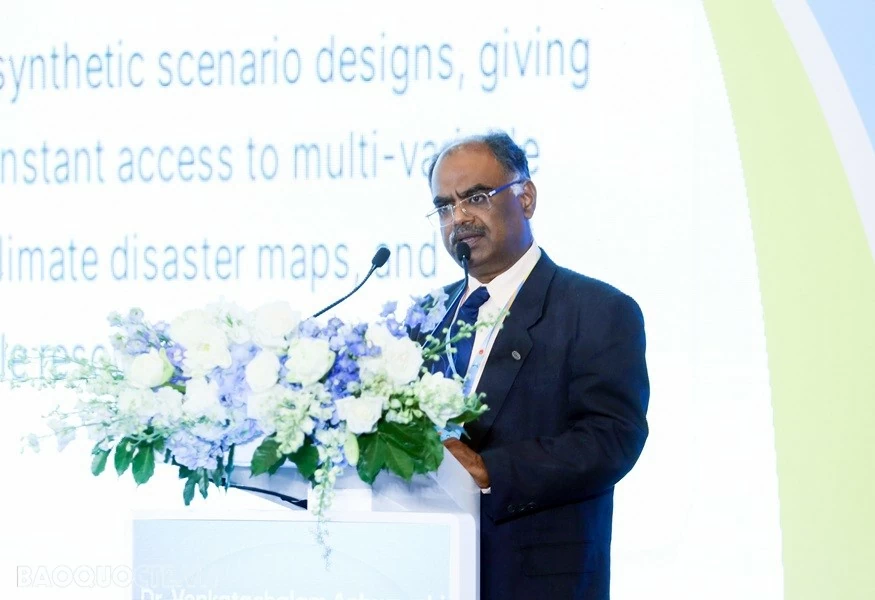 |
| Mr. Venkatachalam Anbumozhi, Senior Researcher on Innovation at ERIA, shares at the discussion session. (Photo: Quang Hoa - Thanh Long) |
At the discussion session, Mr. Venkatachalam Anbumozhi, Senior Researcher on Innovation at ERIA, emphasized the role of Digital Twin technology and AI in promoting smart and sustainable urban development in ASEAN.
According to him, AI is becoming the core of smart cities with three main pillars: Machine Learning, Deep Learning, and Generative AI. These technologies allow for large-scale urban data analysis, development scenario forecasting, climate change impact simulation, infrastructure optimization, and decision-making support.
He stated that Digital Twin technology is a dynamic digital replica of a real-world object or system, continuously updated with real-time data and combined with simulation, machine learning, and data analysis to support more effective governance. This technology can help cities assess carbon emissions, enhance climate resilience, optimize circular economy models, improve urban planning, and enhance public service quality.
The ERIA representative noted that the application of Digital Twin will contribute to enhancing urban livability through data-driven decisions, while supporting the design, construction, evaluation, and expansion of sustainable development solutions. Within the ASEAN Smart Cities Network (ASCN) – an initiative connecting 35 ASEAN cities since 2018 – Digital Twin is seen as an important tool to realize the goals of smart, sustainable, and people-centered urban development.
However, he also noted that to effectively harness the potential of this technology, ASEAN cities need to build reliable data systems, enhance human resource capacity, promote citizen participation, and strengthen regional cooperation.
At the discussion session, delegates also discussed and called for increased cooperation and connectivity among ASEAN cities to share experiences, promote people-to-people connections, and jointly build a smart, sustainable urban ecosystem in the region.