


AEF 2026: Repositioning Vietnam-ASEAN in Global Value Chains
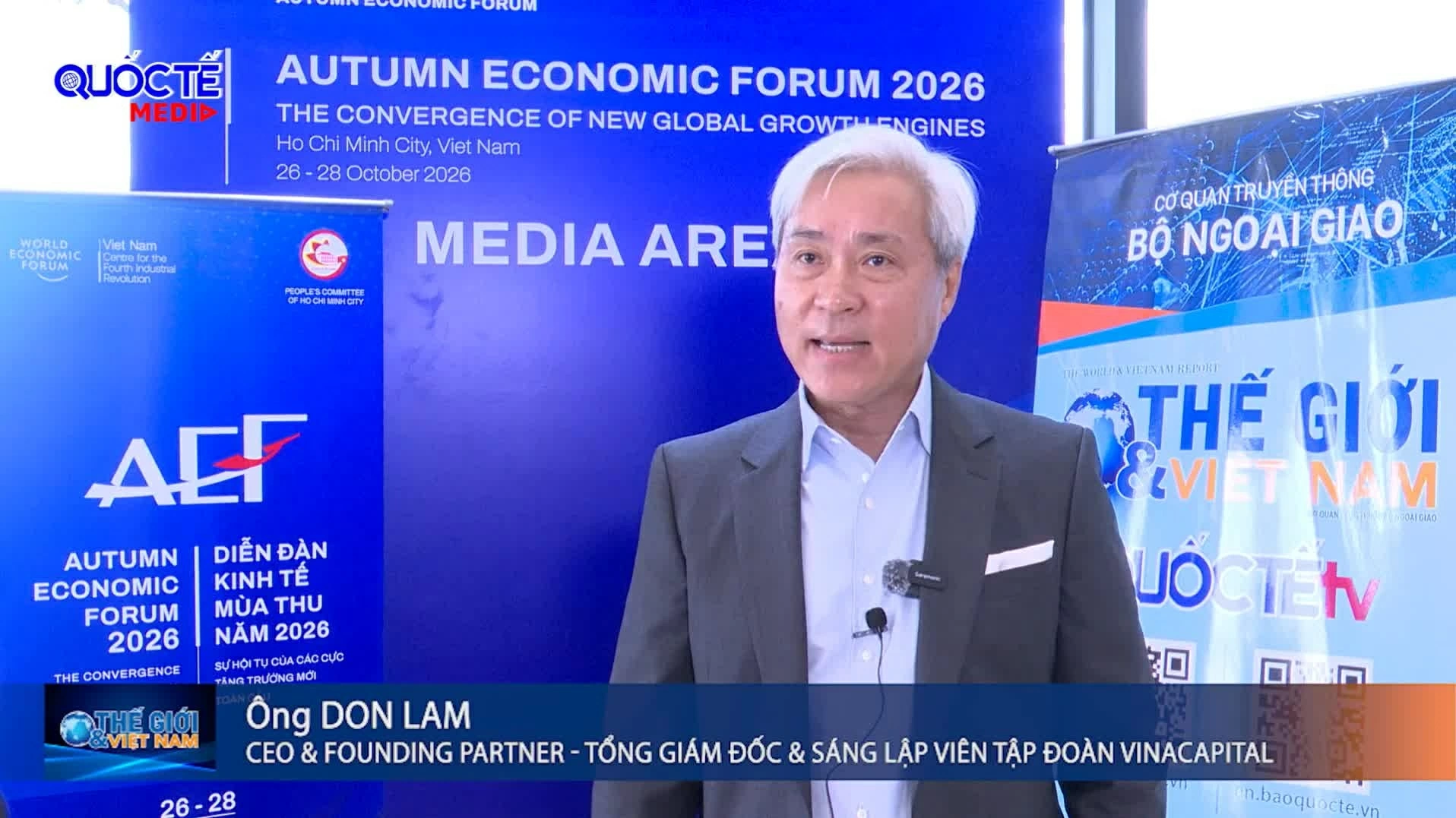
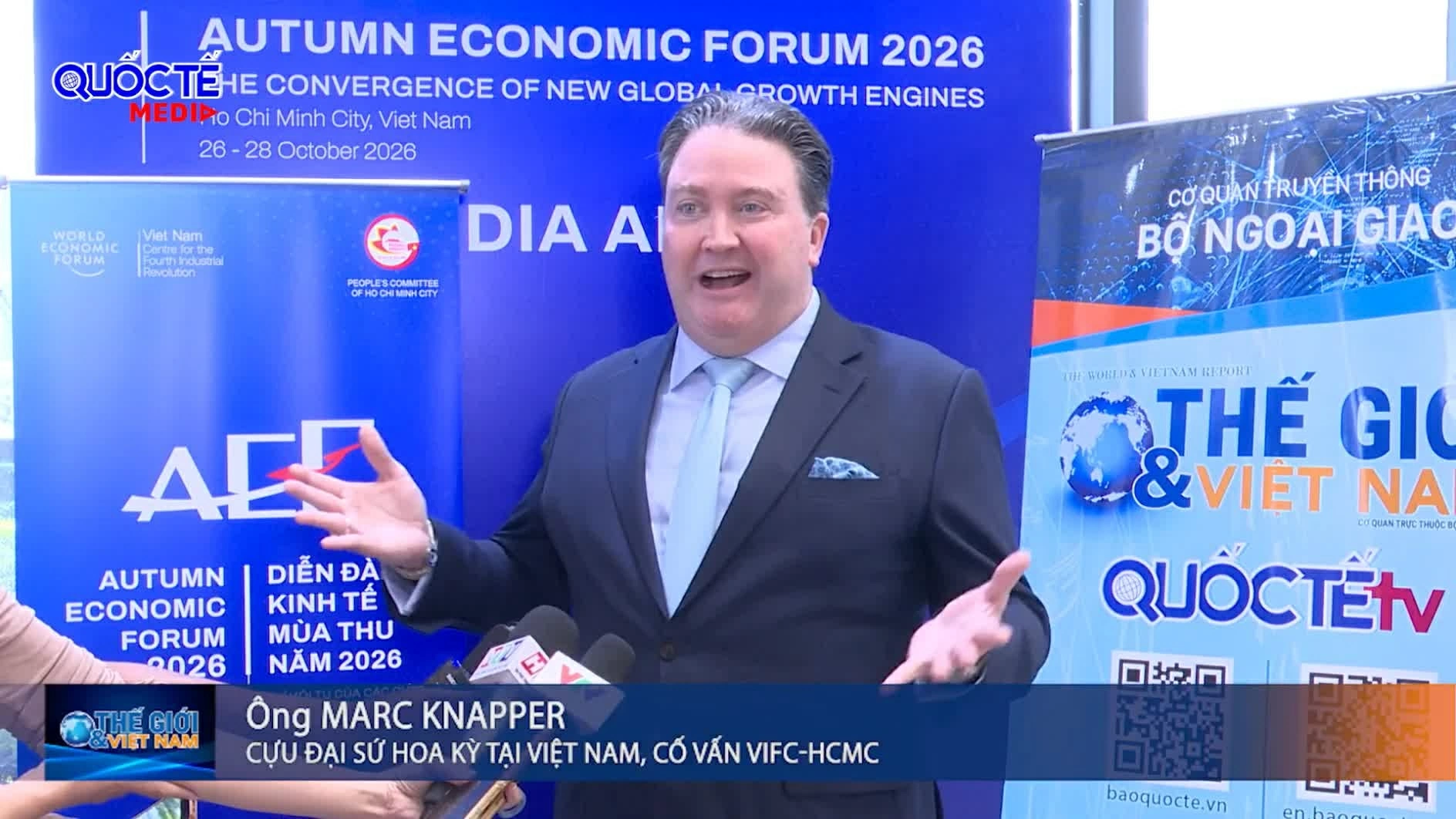
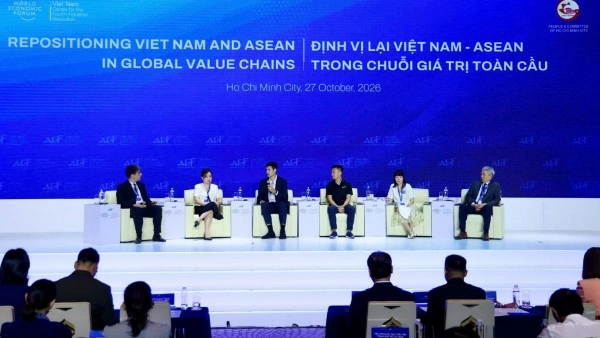
WVR - On the morning of October 27, as part of the Autumn Economic Forum 2026 (AEF 2026), a discussion session on the topic "Repositioning Vietnam-ASEAN in Global Value Chains" took place, co-organized by the World Economic Forum (WEF).
Latest
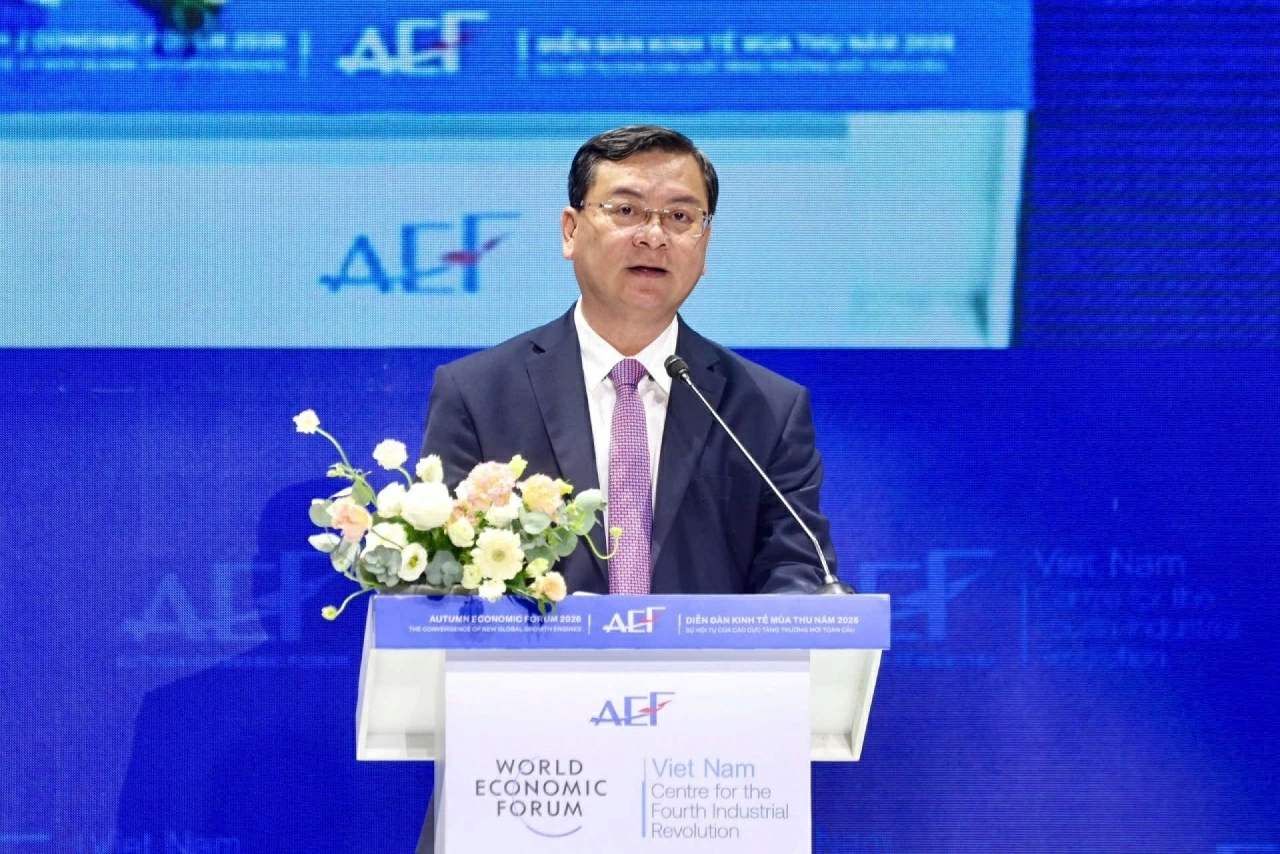 |
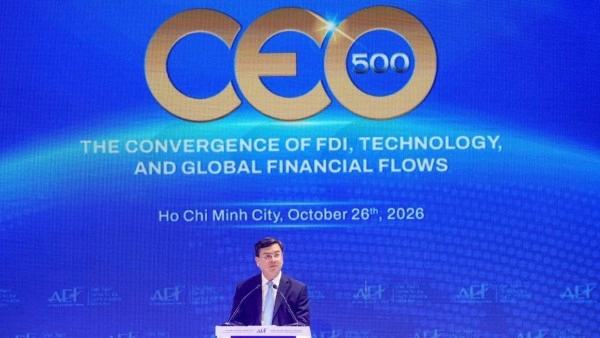
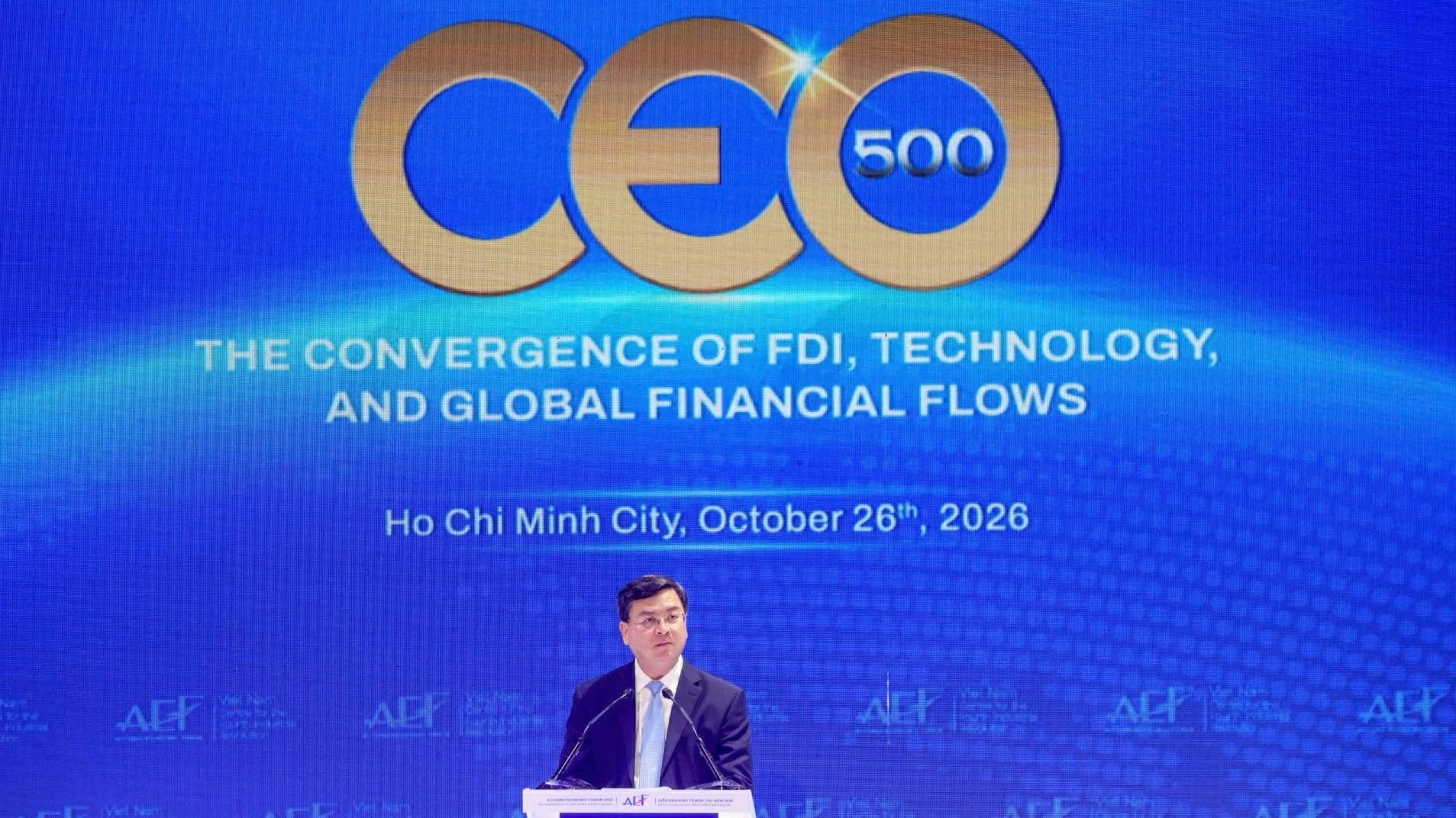
| Vice Chairman of Ho Chi Minh City People's Committee Nguyen Cong Vinh delivered the opening speech of the discussion session. (Photo: Hung Trieu) |
The discussion session brought together representatives from WEF, international development institutions, policymakers, economic experts, and leaders of manufacturing and technology enterprises operating in the region.
In his opening remarks, Vice Chairman of Ho Chi Minh City People's Committee Nguyen Cong Vinh affirmed, the theme “Spirit of Cooperation in a New Era” of this year's Forum is not just a slogan, it is the answer to a reality we are all contemplating: Are the reorganized value chains and growth drivers of the past two decades still viable for the next two decades?
For Ho Chi Minh City Vice Chairman Nguyen Cong Vinh, what is discussed today is not just the story of Ho Chi Minh City. This is a common space where economies in different positions seek answers to the question: Where will new growth come from and how do we create it together? What feasible models can we share together?
Regarding technology, the Vice Chairman of Ho Chi Minh City People's Committee noted that artificial intelligence (AI) is one of the biggest drivers of that question. Mr. Nguyen Cong Vinh also cited a report from the World Economic Forum showing that by 2030, approximately 170 million new jobs will be created globally, about 92 million jobs will be lost, and 39% of workers' skills will change or become obsolete.
“This implies that value will belong to economies that prepare their people, institutions, and data quickly enough. How do we collectively respond in the AI era?” Mr. Nguyen Cong Vinh expressed.
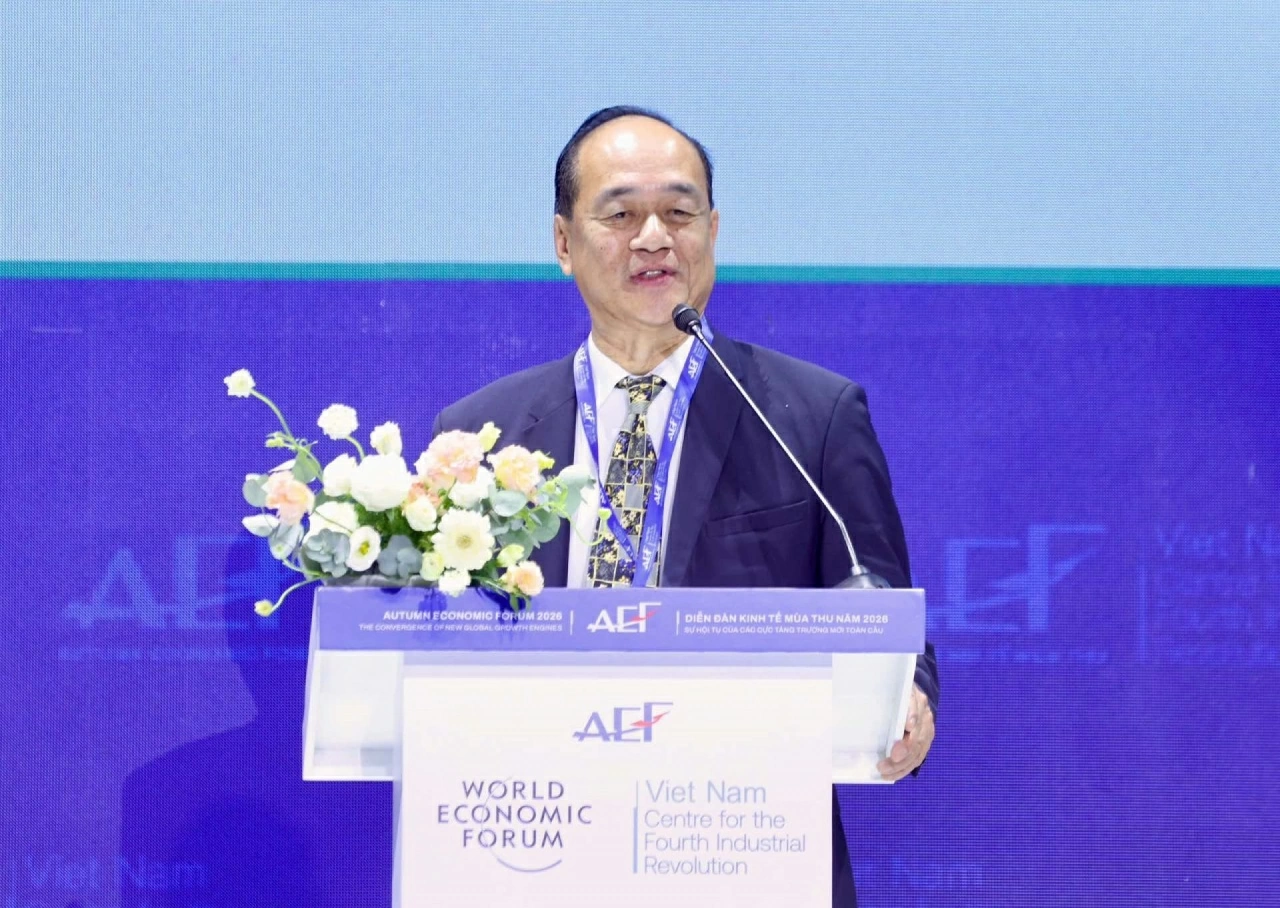 |
| Mr. Albert Antoine, Chief Strategy Officer, Co-founder of Avaiga, assessed that Vietnam has abundant intellectual and human resources, facilitating expanded cooperation with many partners, thereby promoting faster development. (Photo: Hung Trieu) |
Agreeing with the views of Vice Chairman of Ho Chi Minh City People's Committee Nguyen Cong Vinh, Mr. Albert Antoine, Chief Strategy Officer, Co-founder of Avaiga, affirmed that alongside opportunities in technology and economics, AI also has significant impacts on employment, such as creating new jobs while causing many to lose theirs.
Drawing from his 38 years of experience working with the Singapore government, Mr. Albert Antoine noted that the Lion City has well-prepared for technological changes, from infrastructure development to supporting government and businesses in adaptation. Particularly emphasising the role of people, Mr. Albert Antoine mentioned Singapore's SkillsFuture program, implemented to equip citizens with necessary skills to adapt to future changes.
According to Mr. Albert Antoine, another crucial factor is capital and investment budget. Humorously referring to a familiar Vietnamese saying: “First is money,” Mr. Albert Antoine emphasised that Ho Chi Minh City and Vietnam need to boost investment in people, education, manufacturing, and technology to enhance operational efficiency, thereby driving economic development.
Besides domestic resources, cooperation with partners is also essential to accelerate development. The Chief Strategy Officer, Co-founder of Avaiga, noted that today's major partners not only have resource potential but also possess superior intellectual and technological capabilities. However, partnerships require parties to have values to exchange and be willing to accept certain trade-offs.
Mr. Albert Antoine also assessed that Vietnam has abundant intellectual and human resources, facilitating expanded cooperation with many partners, thereby promoting faster development.
Regarding implementation, he cited Singapore's experience with two exemplary agencies. GovTech supports government AI and technology projects, while the Infocomm Media Development Authority (IMDA) focuses on assisting businesses in applying technology to enhance competitive advantages.
Particularly, Mr. Albert Antoine emphasised the importance of supportive policies. According to him, technology always comes with risks, while many new technologies make investors hesitant in the initial stages. Therefore, the government needs to play a role in providing initial momentum for projects, including offering grants to encourage implementation. Quoting Lao Tzu's saying “A journey of a thousand miles begins with a single step,” the expert expressed that nations need to have a grand vision but must also start with small-scale projects.
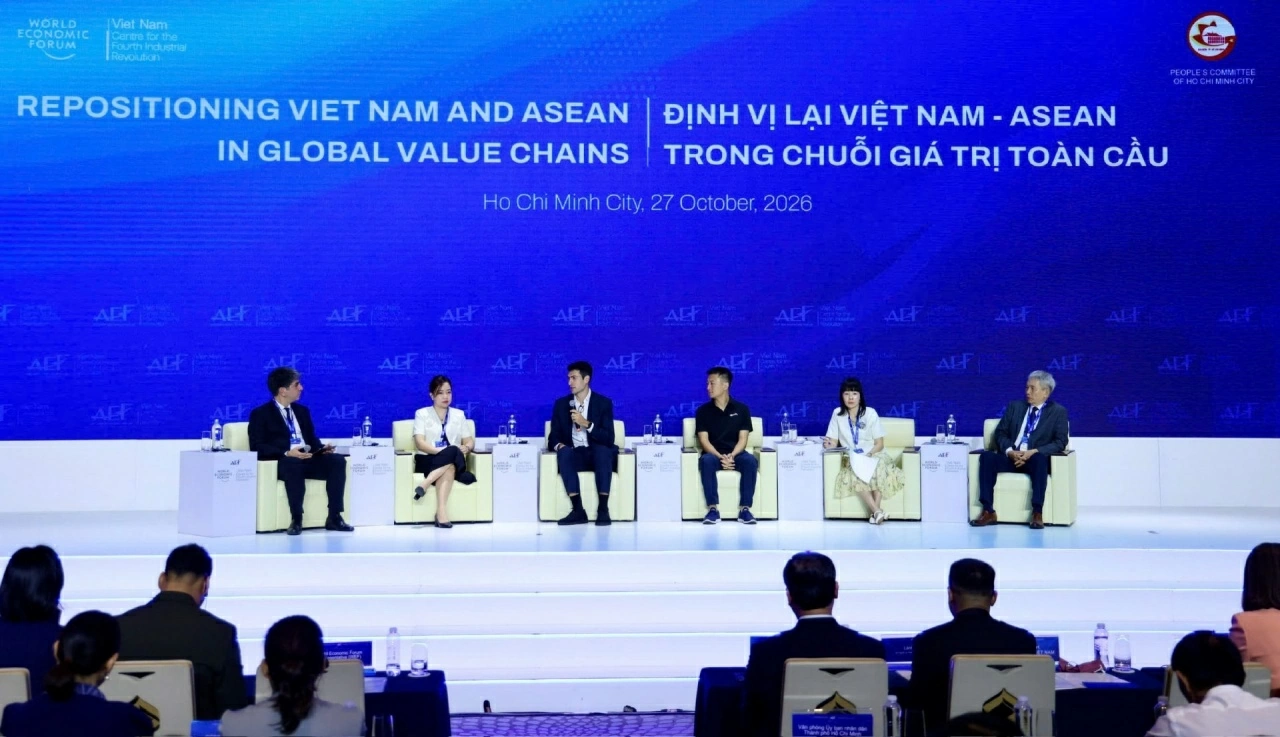 |
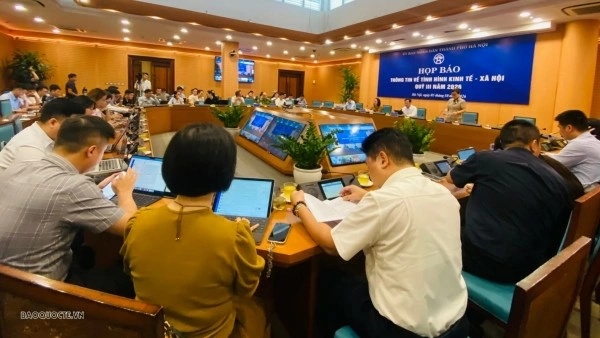
| Discussion session within the program framework. (Photo: Hung Trieu) |
It can be said that in the context of profound global geopolitical changes and the explosion of a new wave of technology, the global value chain is undergoing a strong restructuring towards regionalization and technologization. With a population of over 700 million and impressive growth in foreign direct investment (FDI) (reaching nearly $244 billion in 2025), ASEAN is facing a historic opportunity to elevate its position, transitioning from a collection of disparate production and assembly bases to a cohesive regional production ecosystem that is resilient and future-ready.
Despite having significant investment attraction, ASEAN in general and Vietnam, in particular, still face the key issue of the domestic value-added ratio not matching the scale of exports. Intra-ASEAN trade currently accounts for only about 22% of total turnover. Moreover, although tariffs have been eliminated up to 98.6%, the real barriers hindering deeper integration no longer lie in tariffs but in the lack of synchronization in connectivity infrastructure, technical standards, customs procedures, as well as barriers in the flow of operational data and cross-border information sharing.
To address these challenges and retain more added value within the region, building complementary specialized production models, developing high-quality human resources, promoting digital transformation, and applying modern technology are imperative.
Therefore, the discussion session “Repositioning Vietnam-ASEAN in the Global Value Chain” is an opportunity to frankly recognize practical barriers; thereby proposing feasible solutions to enhance the capacity of local enterprises (SMEs), improve supply chains, and reposition the strategic role of Vietnam and ASEAN in the global value chain.
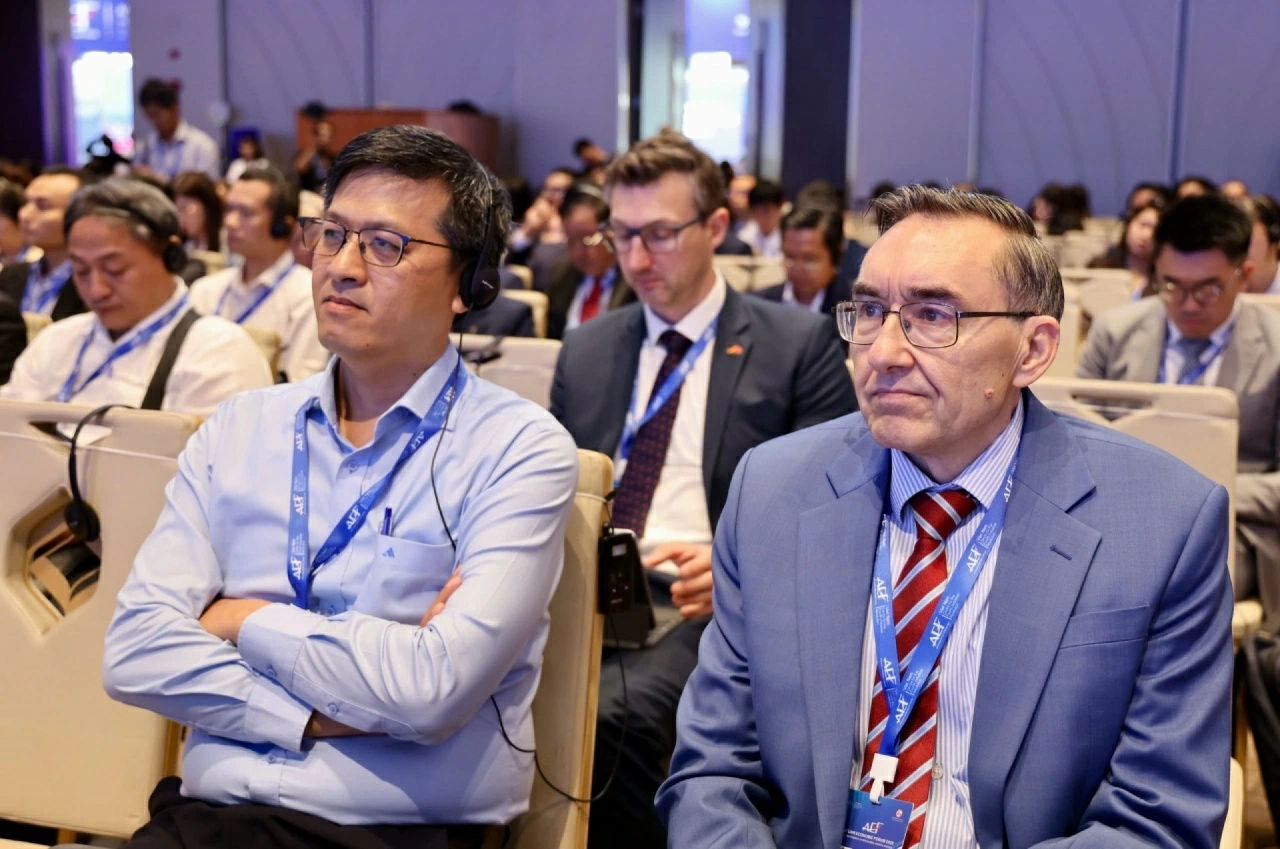 |
| Delegates attending the discussion session. (Photo: Hung Trieu) |