



AEF 2026: A new perspective on Ho Chi Minh City for the global business community
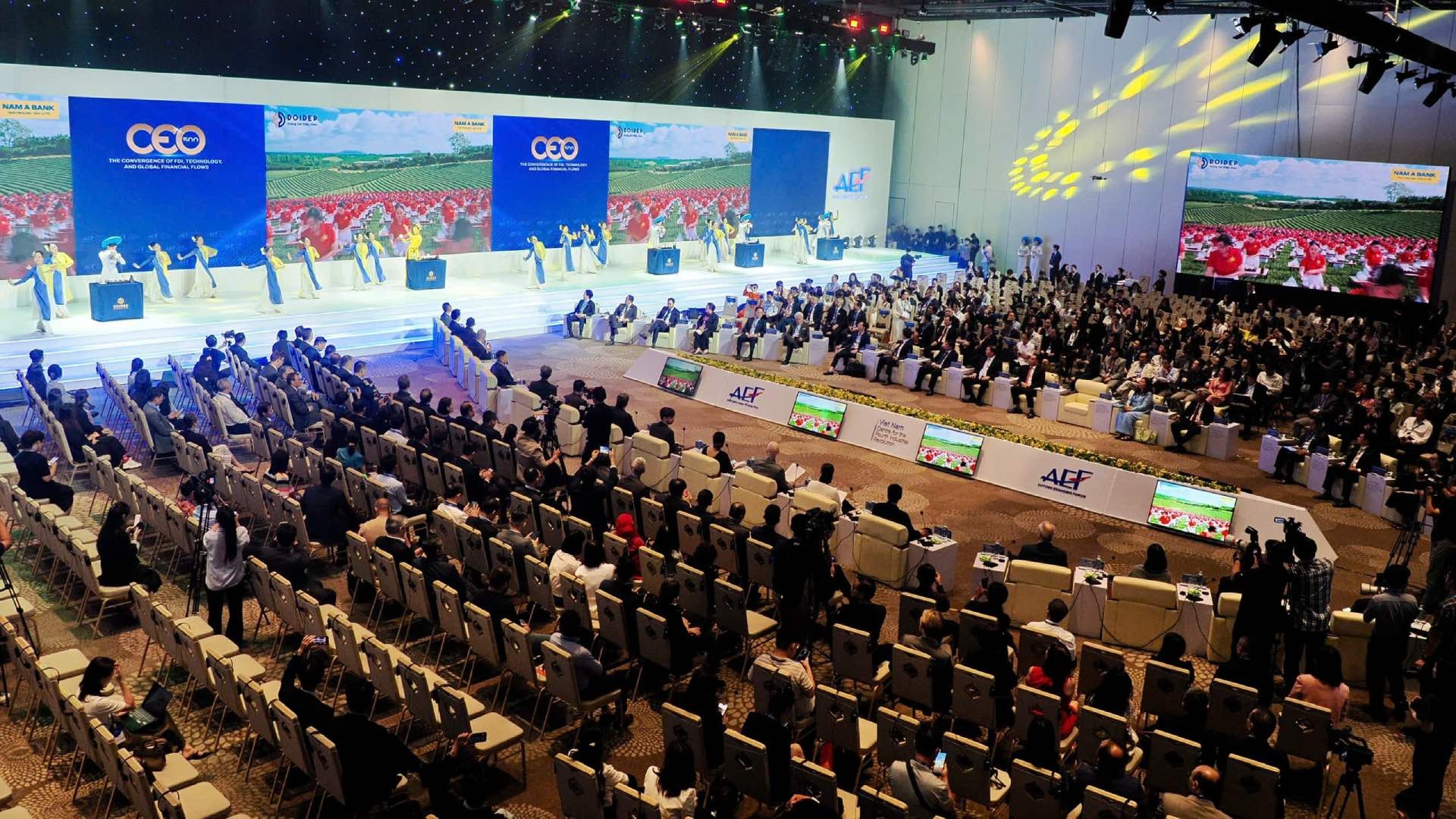
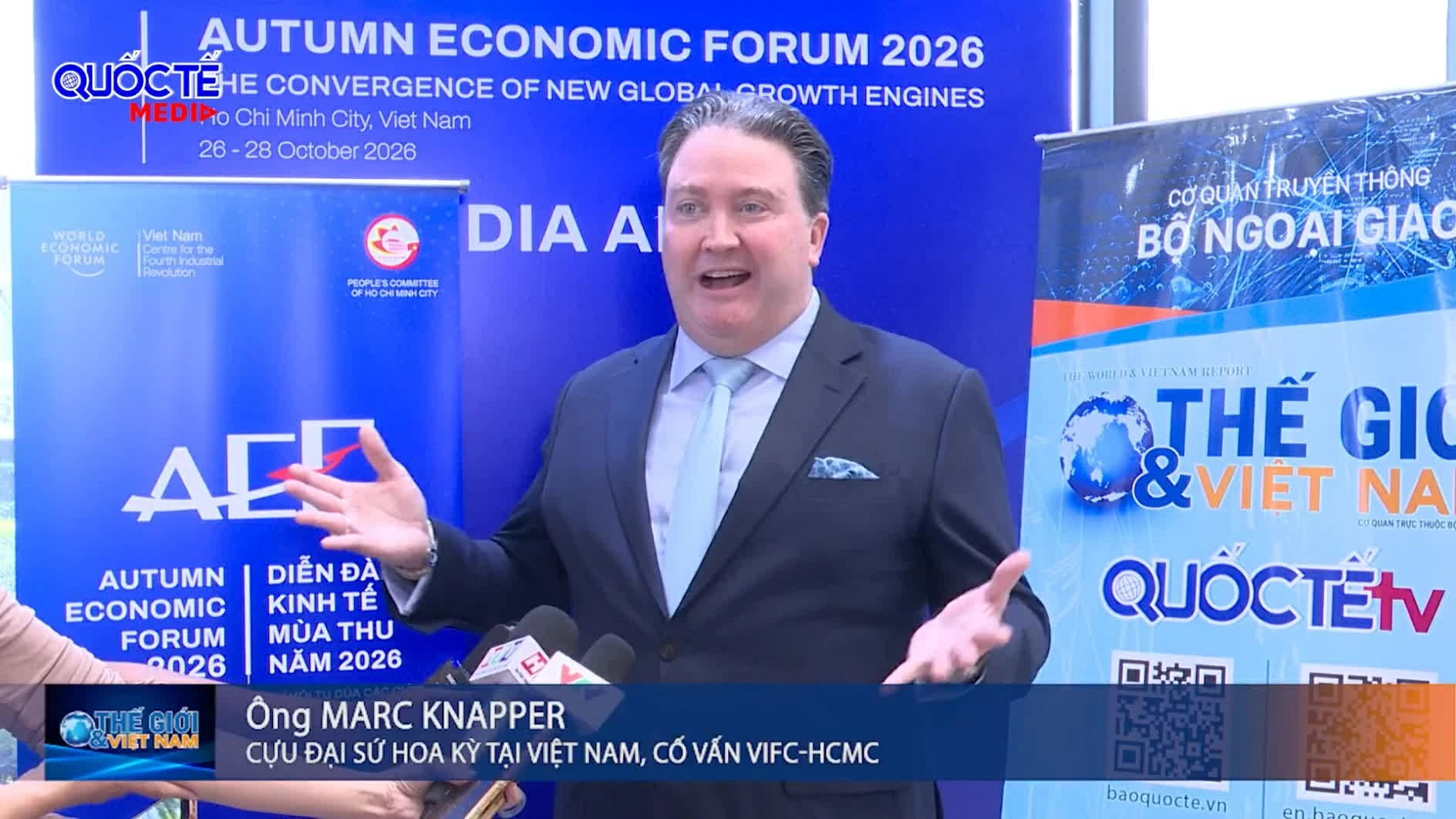
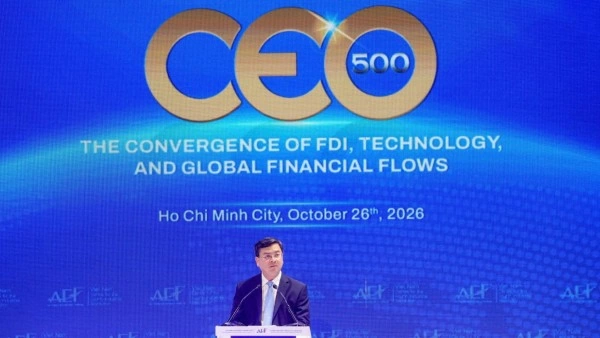
WVR - On the afternoon of October 26, as part of the series of activities of the Autumn Economic Forum 2026, the CEO500 program took place: The Convergence of FDI, Technology, and Global Financial Flows.
Latest
This is the annual conference program of the Autumn Economic Forum, bringing together over 500 business leaders to explore new cooperation opportunities and growth initiatives for Ho Chi Minh City.
While the Forum's overarching theme positions convergence at a macro level, CEO500 brings that spirit down to the most specific level: The convergence of FDI capital, technology, and international financial flows, factors that are reshaping the global investment map.
Attending the program were Mr. Nguyen Loc Ha, Standing Vice Chairman of the Ho Chi Minh City People's Committee; Mr. Nguyen Cong Vinh, Vice Chairman of the Ho Chi Minh City People's Committee; representatives from the Ministry of Finance, the Ministry of Foreign Affairs; along with representatives from international ministries, sectors, and localities from Bangladesh, India, Mongolia, Japan, the USA, Australia...; numerous diplomatic missions, international organizations in Vietnam...
The gateway connecting Vietnam with technology capital, markets, and development resources
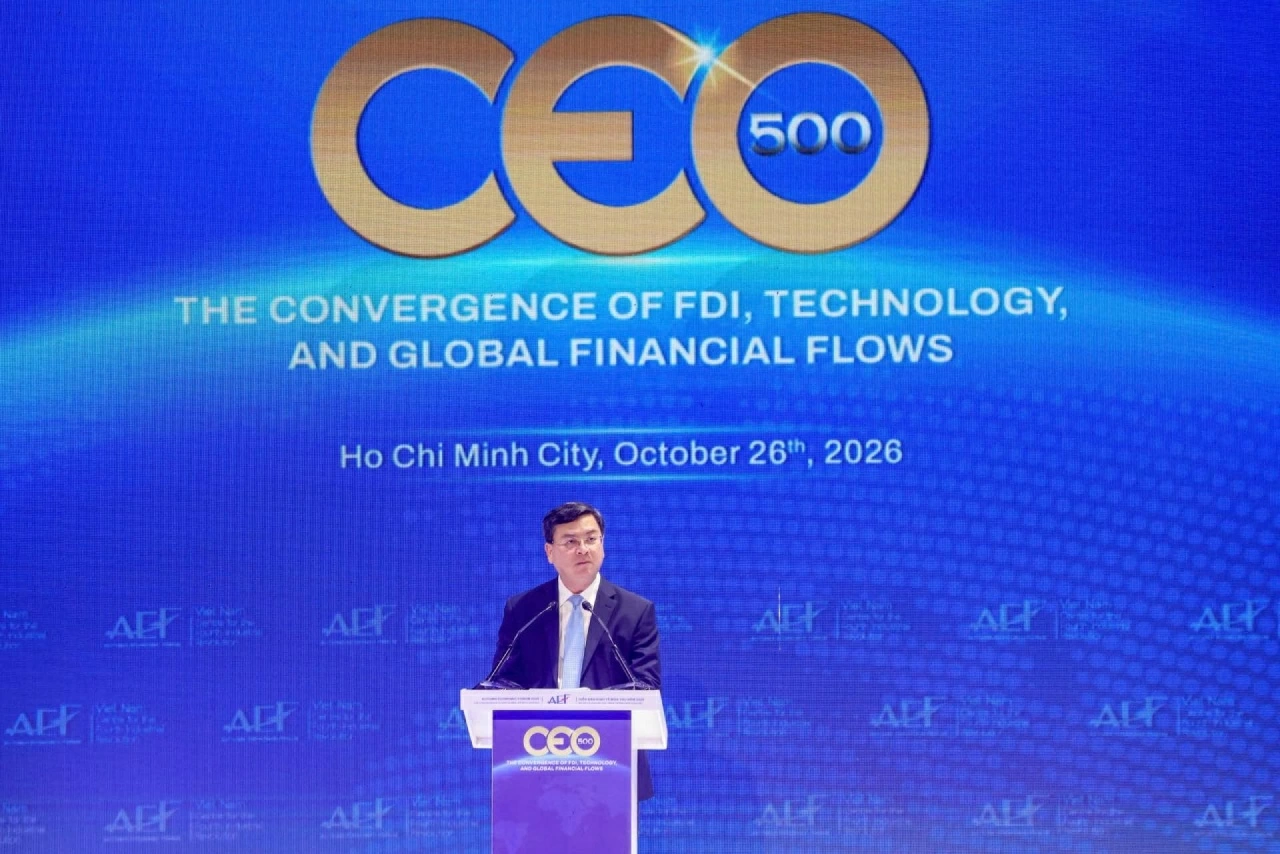 |
| Vice Chairman of Ho Chi Minh City People's Committee Nguyen Cong Vinh delivers the welcome speech and opens the CEO500 program. (Photo: Thanh Long) |
In his welcome speech, Vice Chairman of Ho Chi Minh City People's Committee Nguyen Cong Vinh affirmed that the CEO 500 program with the theme: “The Convergence of FDI, Technology, and Global Financial Flows” is a very special dialogue, not only helping to attract more investment capital but more importantly, allowing investors to recognize new opportunities and requirements; jointly solving specific development challenges and creating new growth opportunities and drivers, especially in the context of the explosion of science and technology and the need to connect large-scale global capital flows.
According to him, Ho Chi Minh City is entering a new development space. After the merger, the city's economic, urban, and connectivity space has expanded, creating more room for large-scale projects; along with resolutions that open a breakthrough institutional framework for the city named after Uncle Ho, with stronger decentralization and empowerment in planning and resource mobilization.
At the same time, in the increasingly fierce competition to attract international investment, Ho Chi Minh City prioritizes high-quality FDI capital, focusing on finance, technology, digital transformation, green economy, sustainable development, and innovation; determined to implement the plan and strive to attract 19 billion USD in foreign investment in 2026.
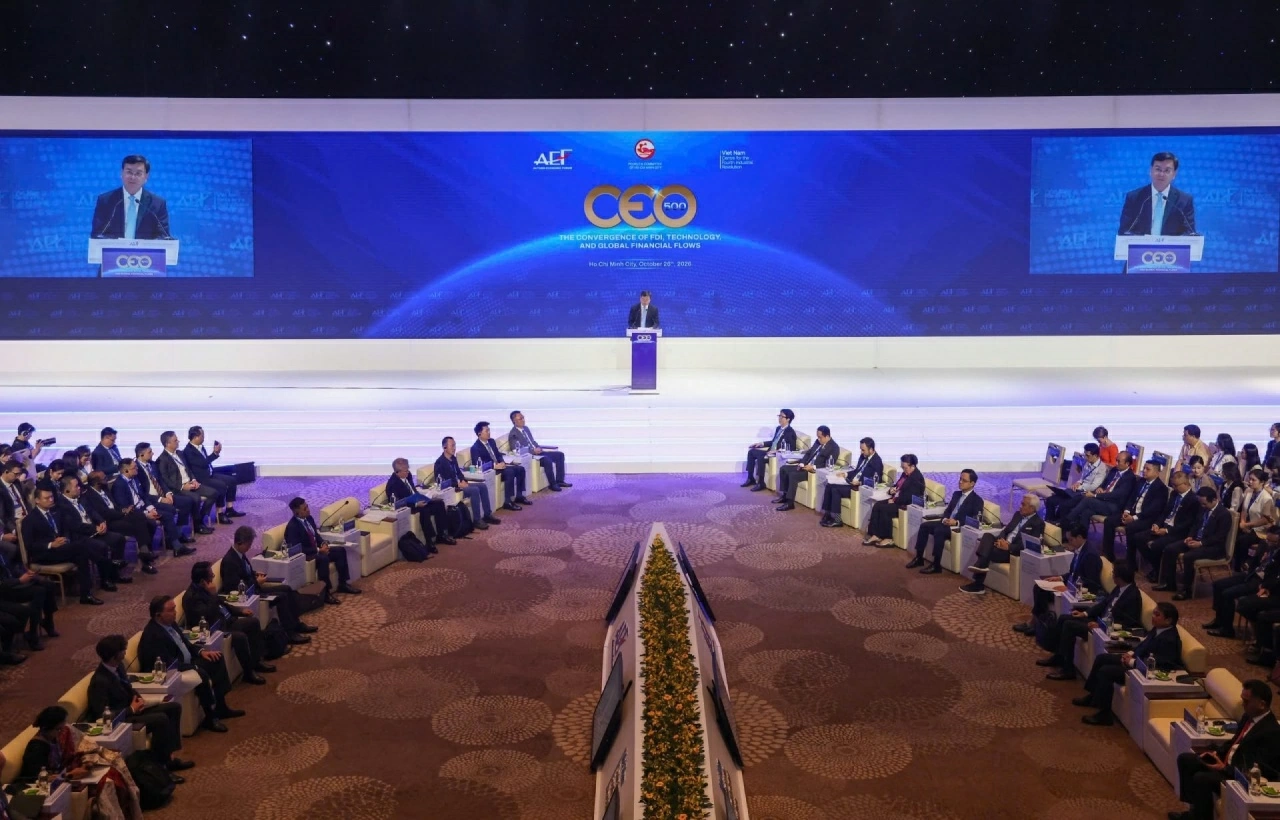 |
| Overview of the program. (Photo: Thanh Long) |
In that spirit, Vice Chairman Nguyen Cong Vinh emphasised that the program focuses on four development drivers of the city:
First, new infrastructure and development space. The city is ready to work with investors on each project: Urban areas linked with public transport (TOD), seaports, logistics, and free trade zones.
Second is finance. The International Financial Centre in Ho Chi Minh City is a driver connecting the city with capital flows and regional financial markets. We invite international financial institutions to clarify conditions, procedures, and participation timelines from the outset.
Third is energy. As urban, industrial, and logistics expand, a clean and stable energy source becomes a condition for every investment decision. The city wishes to work with investors to select suitable models, priority areas, and implementation timelines.
Fourth is the digital economy and technology. Science, technology, and innovation are decisive growth drivers, with strategic data infrastructure, artificial intelligence, high-tech zones, and controlled experimental mechanisms. The city invites tech corporations to select priority experimental fields for technology to be tested, applied, and expanded from Ho Chi Minh City to larger markets.
“The city is ready to listen, receive specific proposals, and work with the business community to solve practical issues in the spirit of ‘clear tasks, clear focal points, clear progress’. We hope today is an opportunity for the global business community to view Ho Chi Minh City with a new perspective,” expressed Nguyen Cong Vinh; emphasizing that Ho Chi Minh City is not only a major market in Vietnam but is also aiming to become a gateway connecting Vietnam with technology capital, markets, and development resources for the region and the world.
From here, businesses can access the Vietnamese market, connect with production, logistics, finance, and technology centers, and expand operations into a larger economic space. The city proactively connects to ensure that actively shifting capital flows meet technology, markets, human resources, and new development opportunities.
Enhancing Resilience
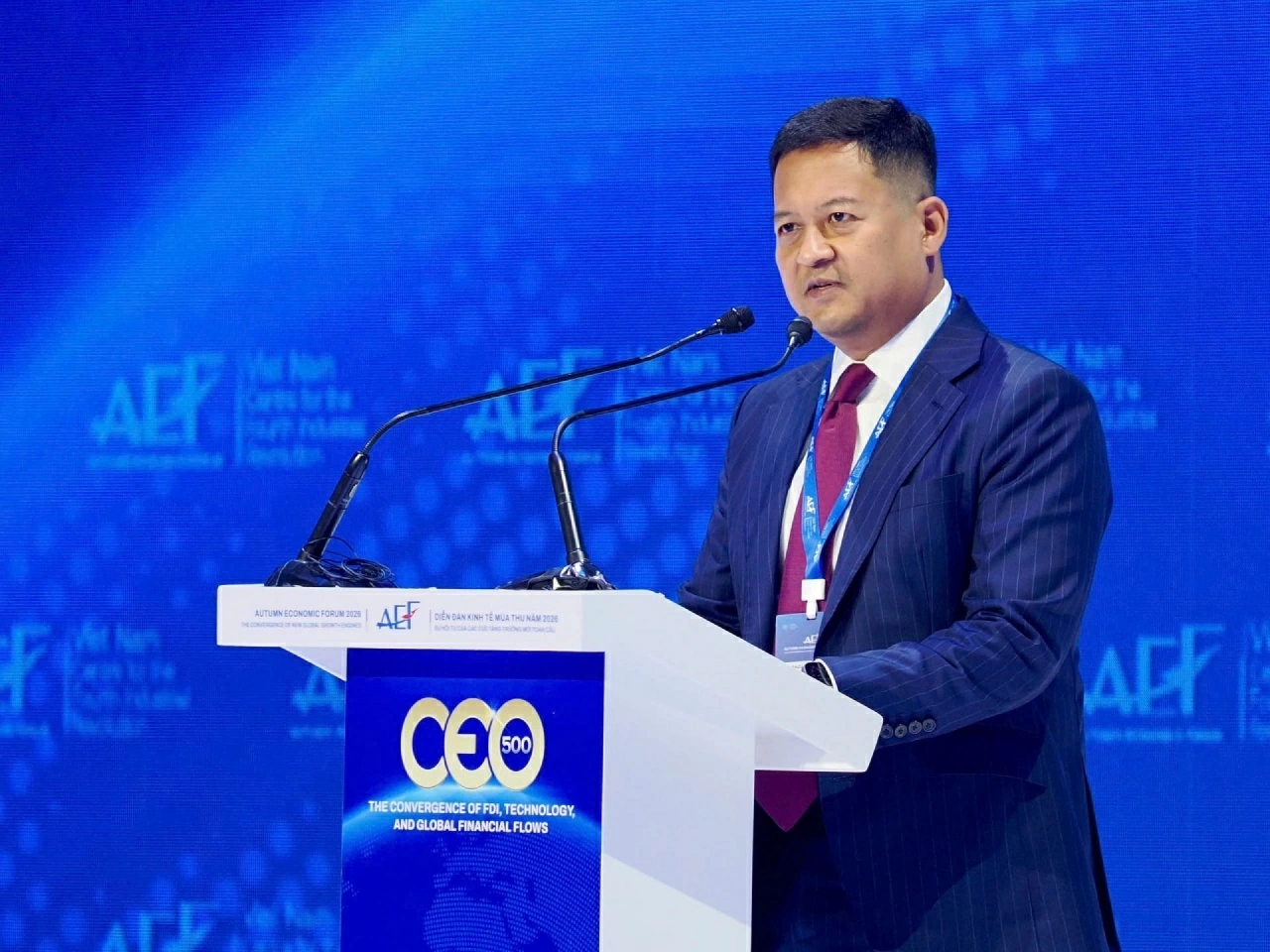 |
| Mr. Fazurin Jamaludin, Chief Representative of the International Monetary Fund (IMF) in Vietnam and Laos, speaks at the event. (Photo: Thanh Long) |
Meanwhile, Mr. Fazurin Jamaludin, Chief Representative of the International Monetary Fund (IMF) in Vietnam and Laos, emphasized that financial and investment capital can only remain stable in the long term when supported by solid macroeconomic foundations and sustainable growth.
Accordingly, the global economy has shown better-than-expected resilience despite facing numerous shocks and crises in 2026. Although growth has slowed, the world economy has maintained its resilience thanks to several factors, including reduced energy dependence and the flexible adaptability of economies.
For the Asia-Pacific region, Mr. Fazurin Jamaludin noted that economies have demonstrated flexible adjustment capabilities in response to energy supply disruptions. Despite significant dependence on oil from the Middle East, for most of 2026, economies reduced fuel imports from this region and increased imports from other sources. The total fuel import volume also decreased compared to 2025.
Additionally, Asian economies benefited from the spillover effects of the AI-driven technology growth cycle through manufacturing, industrial production, and related services. This wave boosted exports of technology products and contributed to increased intra-regional trade in both technology and non-technology sectors. Investment in technology surged in the first half of 2026, far exceeding the total investment level of 2025. As a result, the economic outcomes of many countries were more positive than expected.
Furthermore, addressing solutions to strengthen macroeconomic foundations and maintain investment capital flows, the IMF Chief Representative in Vietnam and Laos asserted that Vietnam in general and Ho Chi Minh City in particular need to ensure solid macroeconomic conditions for investment capital to remain stable and sustainable in the long term.
First, in the context of rising inflationary pressures, Vietnam needs to prioritize price stability in monetary policy management. Simultaneously, countries also need to preserve fiscal space to have sufficient resources to respond to subsequent shocks. Support measures should be designed with clear targets and be temporary to ensure resources reach the right beneficiaries without undermining budget sustainability.
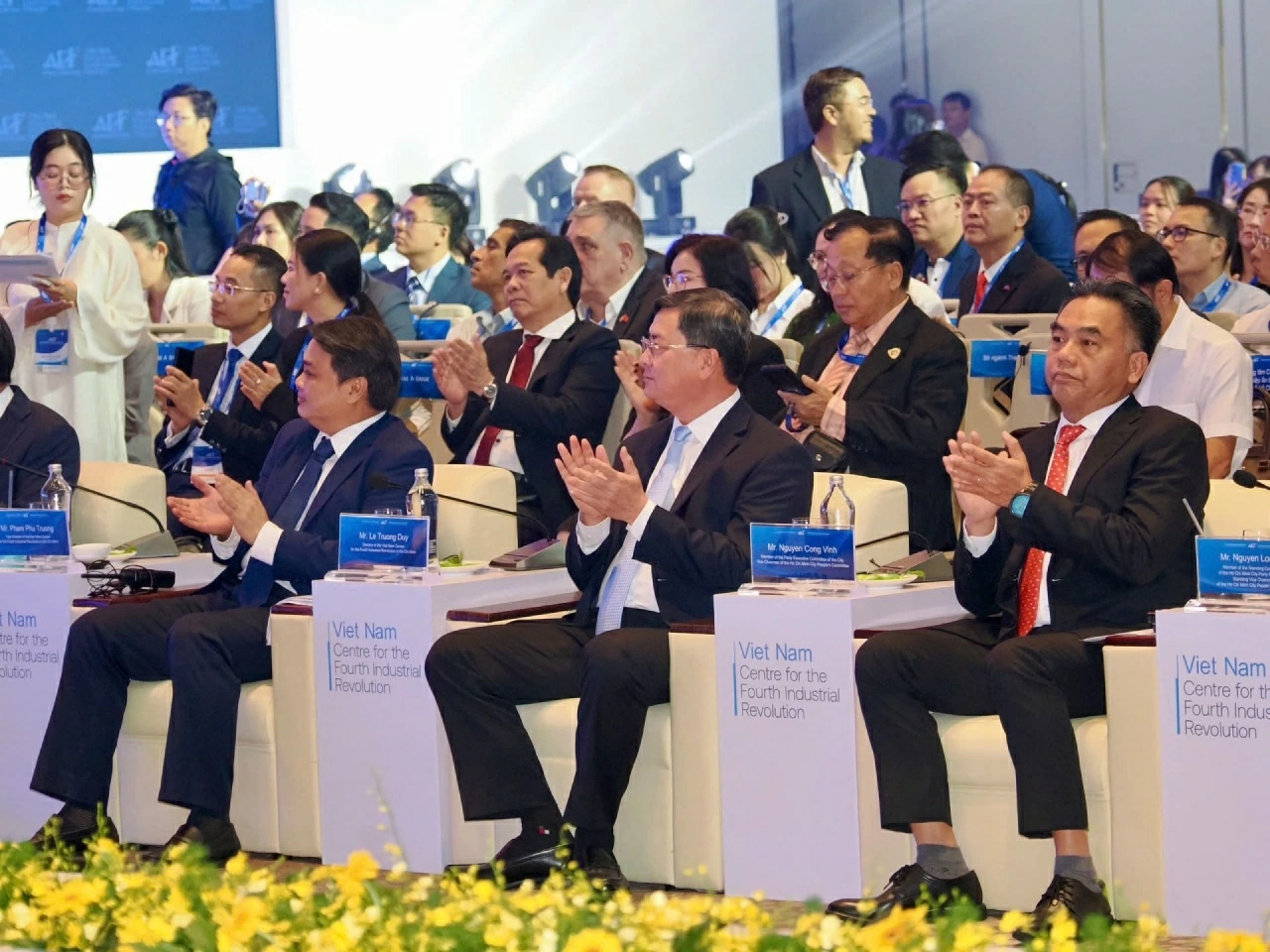 |
| Standing Vice Chairman of Ho Chi Minh City People's Committee Nguyen Loc Ha and Vice Chairman Nguyen Cong Vinh attend the event. (Photo: Thanh Long) |
In the medium term, Mr. Fazurin Jamaludin believes countries need to address structural issues, including adjusting labor policies to prepare the workforce for changes brought by AI, strengthening social security systems, and enhancing energy security through cooperation among countries.
Moreover, regional integration and cooperation need to be further promoted. According to IMF analysis, service trade in ASEAN has not yet reached a high level of linkage. Countries can enhance cooperation and remove barriers to service trade to expand regional exchanges, thereby supporting economic growth.
Specifically for Vietnam, Mr. Fazurin Jamaludin believes there are still some structural issues that need to be prioritized to improve the economic foundation and enhance growth quality.
First, Vietnam needs to improve total factor productivity (TFP).
Second, Vietnam needs to continue modernizing the macroeconomic policy framework, including monetary and fiscal policies, thereby strengthening the economy's long-term credibility.
Third, improving the quality of economic data and enhancing market information provision is necessary. Although Vietnam's economy is growing rapidly, its capacity to meet data and information needs remains limited. Addressing data gaps will help investors and stakeholders better assess the situation, prospects, and potential of Vietnam's economy, thereby making appropriate decisions and increasing investment in the market.
Finally, Mr. Fazurin Jamaludin expressed that strengthening macroeconomic foundations, advancing structural reforms, enhancing productivity, and improving data quality are crucial tasks for Vietnam to enhance resilience against shocks, seize opportunities from global economic shifts, and maintain sustainable investment capital flows in the long term.
Building a prosperous and strong Vietnam
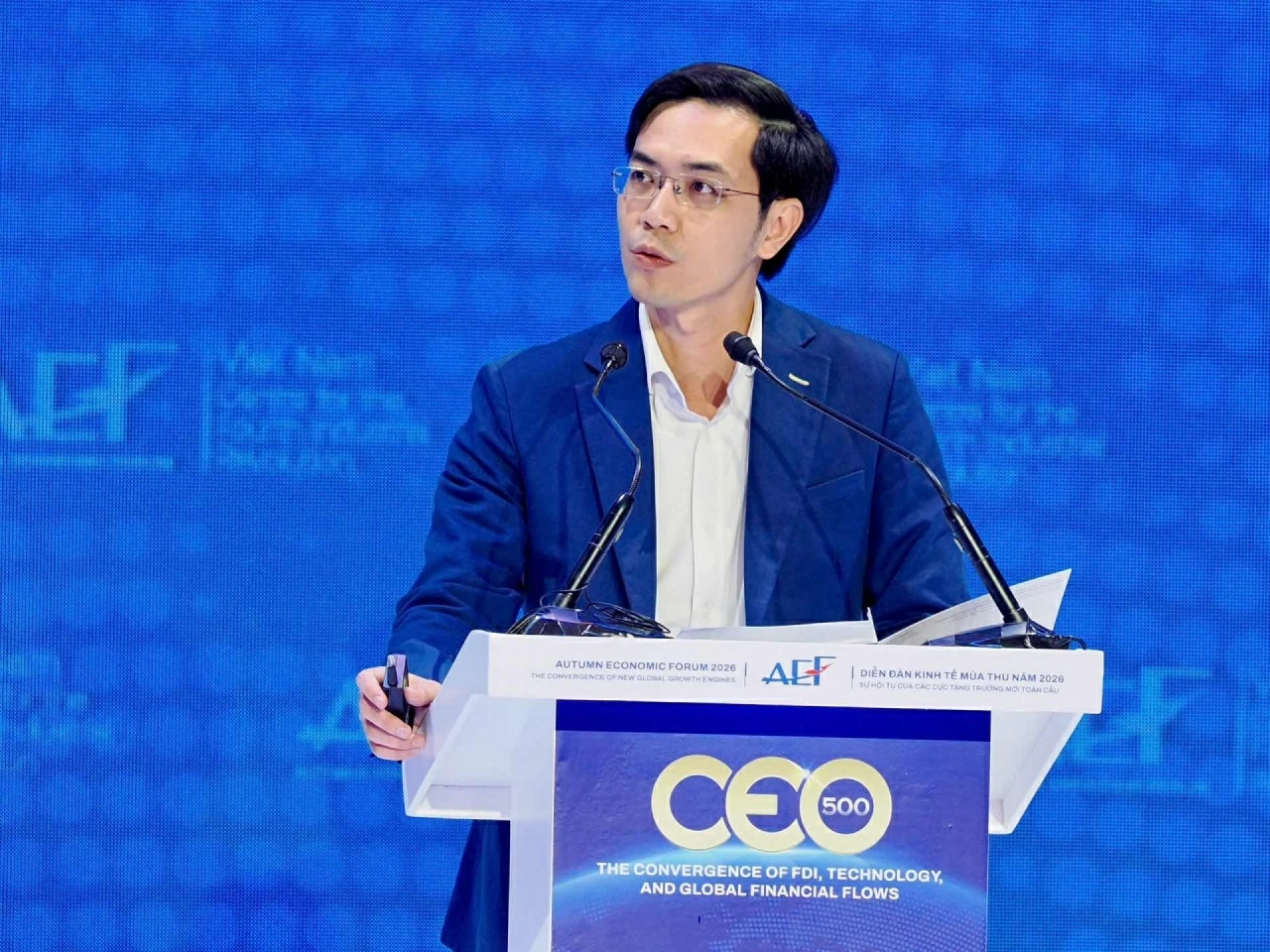 |
| Associate Professor, Dr. Nguyen Huu Huan, Vice Chairman of the Vietnam International Financial Center in Ho Chi Minh City, presents a paper at the CEO500 event. (Photo: Thanh Long) |
“Join us in building a prosperous and strong Vietnam, where the success of international partners is intertwined with the success of Vietnam.”
This is the call from Mr. Nguyen Huu Huan, Vice Chairman of the Executive Agency of the International Financial Center in Ho Chi Minh City (VIFC-HCMC), when sharing about the role of the city named after Uncle Ho and VIFC-HCMC in attracting new generation investment capital.
According to him, Vietnam in general and Ho Chi Minh City in particular have achieved encouraging results in attracting investment, especially foreign direct investment (FDI). In the first nine months of 2026, total registered FDI reached 50.36 billion USD, while implemented FDI reached 21.07 billion USD. These are positive results, indicating progress in Vietnam's foreign investment attraction process.
However, he believes there is a need to more critically assess the substantive contribution of the FDI sector to the economy. In 2026, the FDI sector accounted for 80.7% of the country's total export turnover. The export share of this sector has continuously increased since 2020, indicating the growing role of FDI enterprises in Vietnam's export strategy.
Moreover, the Vice Chairman of the Executive Agency of VIFC-HCMC emphasized that large export turnover does not fully reflect the capacity to master technology and the value that Vietnam truly holds when the economy still heavily relies on importing components, materials, and assembly activities, with limited ability to create domestic value-added. Additionally, research capacity and the quality of human resources have not developed commensurately with the requirements to upgrade the growth model.
Therefore, Vietnam needs to attract new generation investment capital associated with research and development, engineer training, technology cooperation, and upgrading the capacity of domestic suppliers. This capital should help Vietnamese enterprises gradually participate more deeply in the global value chain, while building intellectual assets, technological capacity, and positioning in the value chain.
This is the requirement set for Ho Chi Minh City and VIFC-HCMC in the coming period. According to him, VIFC-HCMC should not only play the role of capital provider for the economy but also become a coordinating hub, directing capital into priority sectors and industries for development in Ho Chi Minh City and Vietnam. Through this, the Center contributes to helping Vietnam participate more deeply in high-value segments of the global value chain, while promoting technology development, especially core technology.
Particularly, Mr. Nguyen Huu Huan expressed that Vietnam should not attract foreign investment at all costs but should be selective. Success in attracting investment is not only evaluated by the amount of capital raised but also by the quality of capital and the level of contribution to sectors and fields that create high value-added. This applies not only to FDI capital but also to foreign indirect investment flows through VIFC-HCMC.
Regarding priority investment attraction fields, the expert stated that Ho Chi Minh City and VIFC-HCMC are targeting new technology sectors with high value-added. These fields include artificial intelligence, digital technology, semiconductors, automation, robotics, humanoid robots, blockchain, and digital finance. The city also encourages investment in biotechnology, green technology, quantum technology, and quantum cryptography, especially in the financial sector. Additionally, high value-added services such as research and development, product design are also prioritized.
Addressing the country's long-term development goals, he stated that Vietnam aims to become a developed, prosperous nation by 2045 as outlined in the Party's XIV Congress Resolution. In this process, VIFC-HCMC is oriented to become an important coordinating institution, channeling capital into fields capable of creating new capacities, connecting resources to form new technology industries, and supporting Vietnamese enterprises to develop. When implemented in conjunction with institutional reforms, human resource development, and maintaining macroeconomic stability, these solutions will contribute to laying the foundation for realizing high growth targets in the long term.
Concluding his speech, Mr. Nguyen Huu Huan called on the business community, investors, and international partners to accompany Ho Chi Minh City and VIFC-HCMC in Vietnam's new development phase, through investment in future industries, technology development, human resource training, and building globally competitive enterprises.
He emphasized that Vietnam's aspiration for double-digit growth also opens up market opportunities, business scale, and profitability for partners. VIFC-HCMC will strive to connect resources, promote cooperation, and create conditions for investment opportunities to be transformed into effective projects, bringing long-term benefits to both investors and Vietnam.
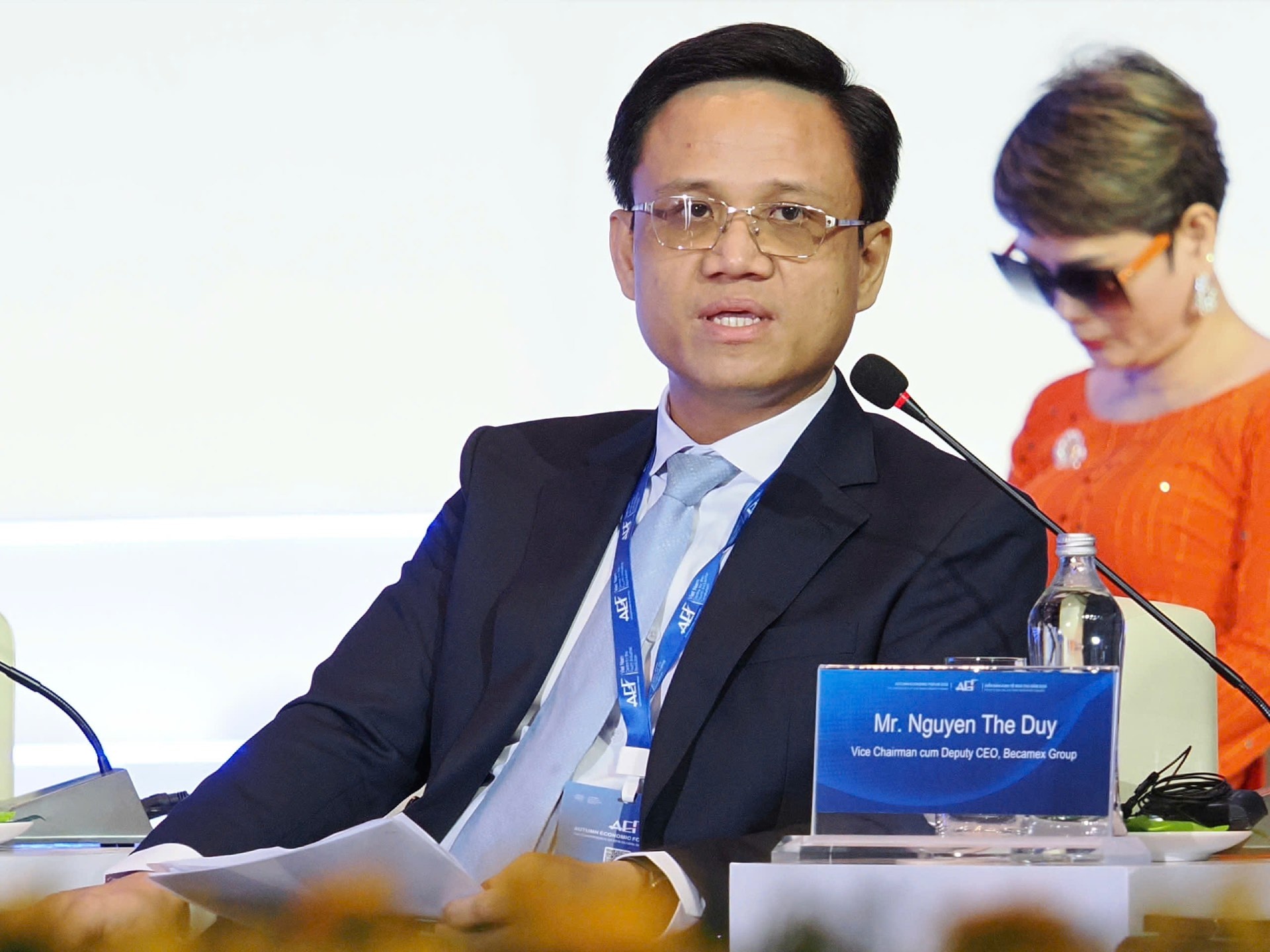
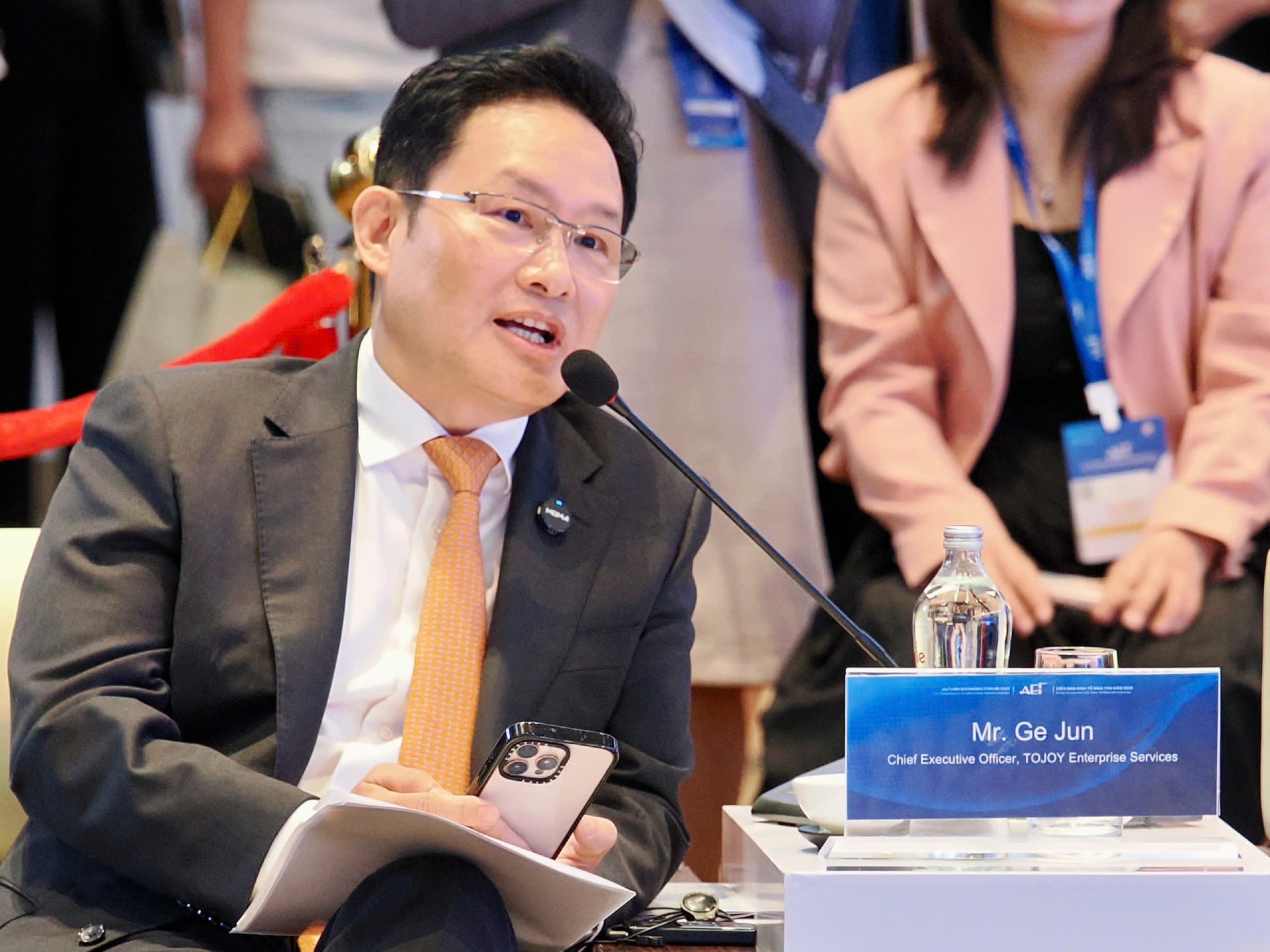
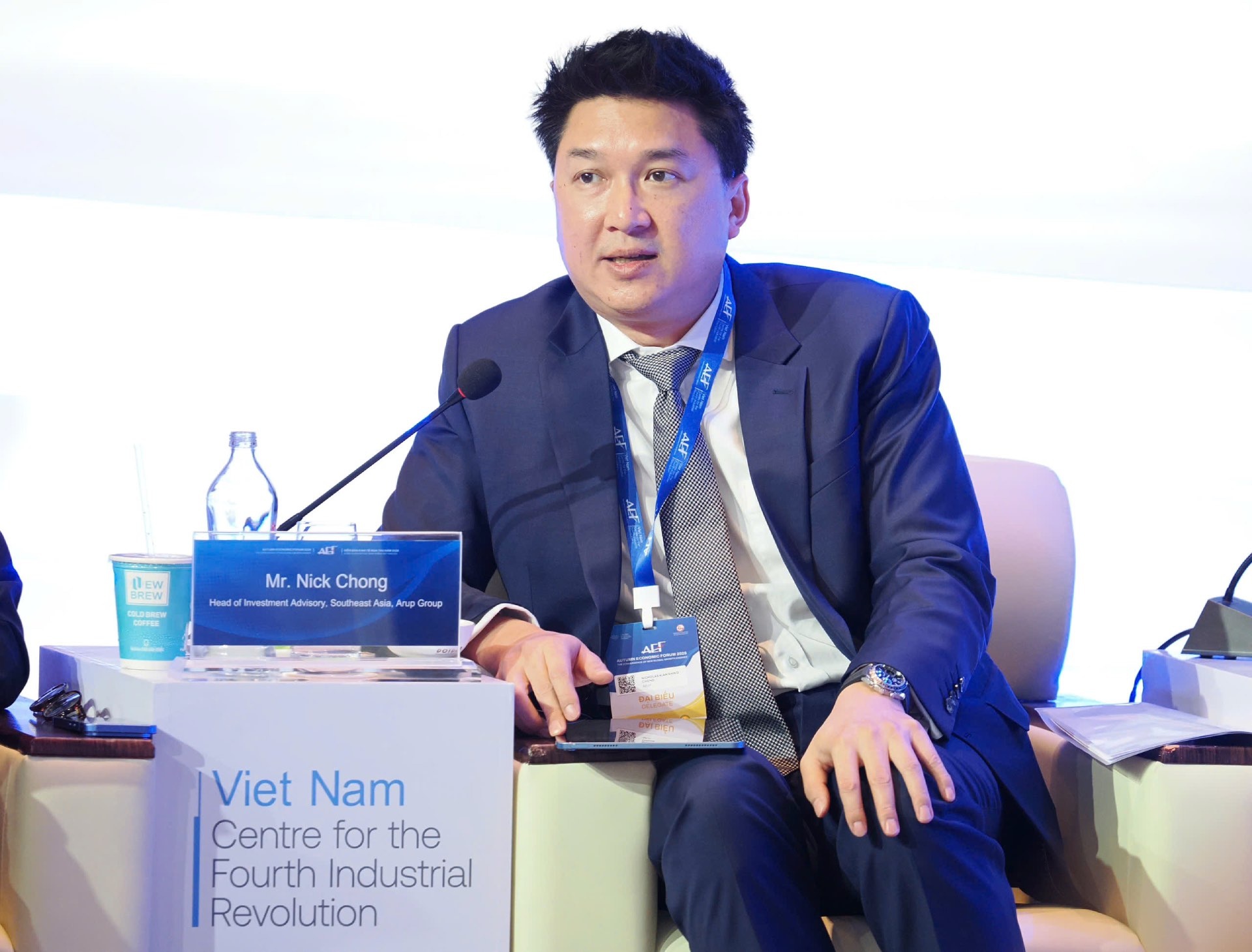
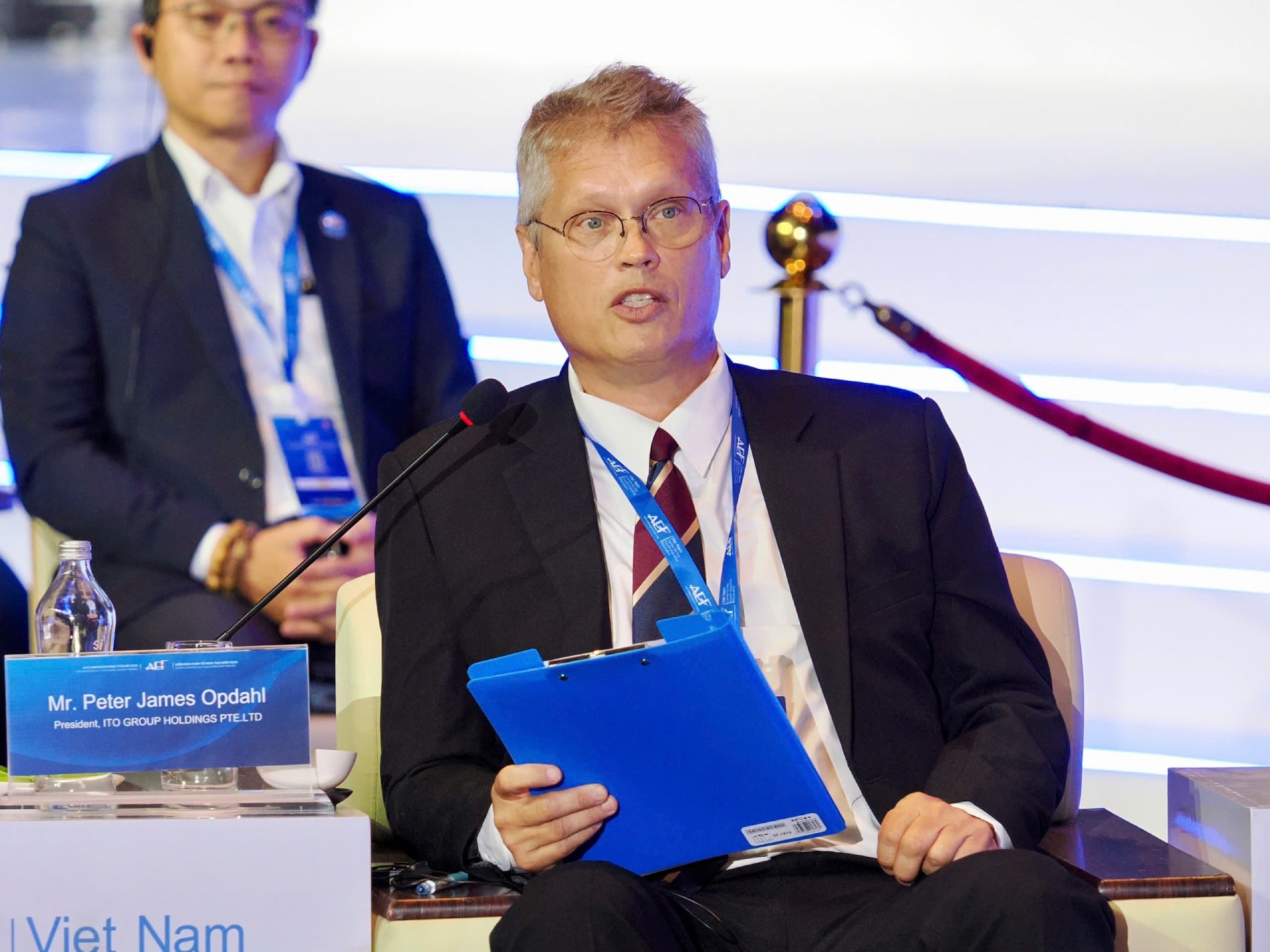
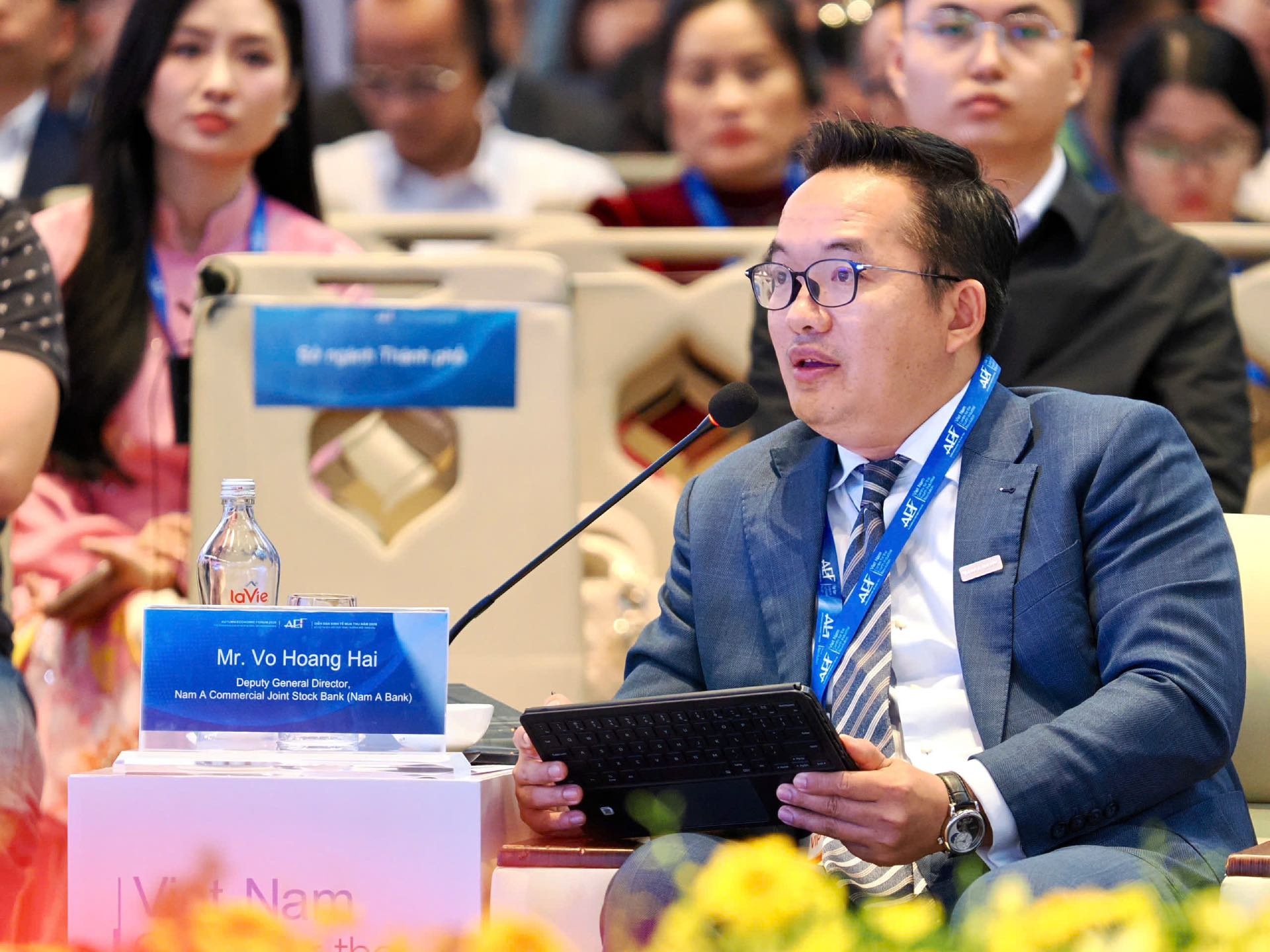
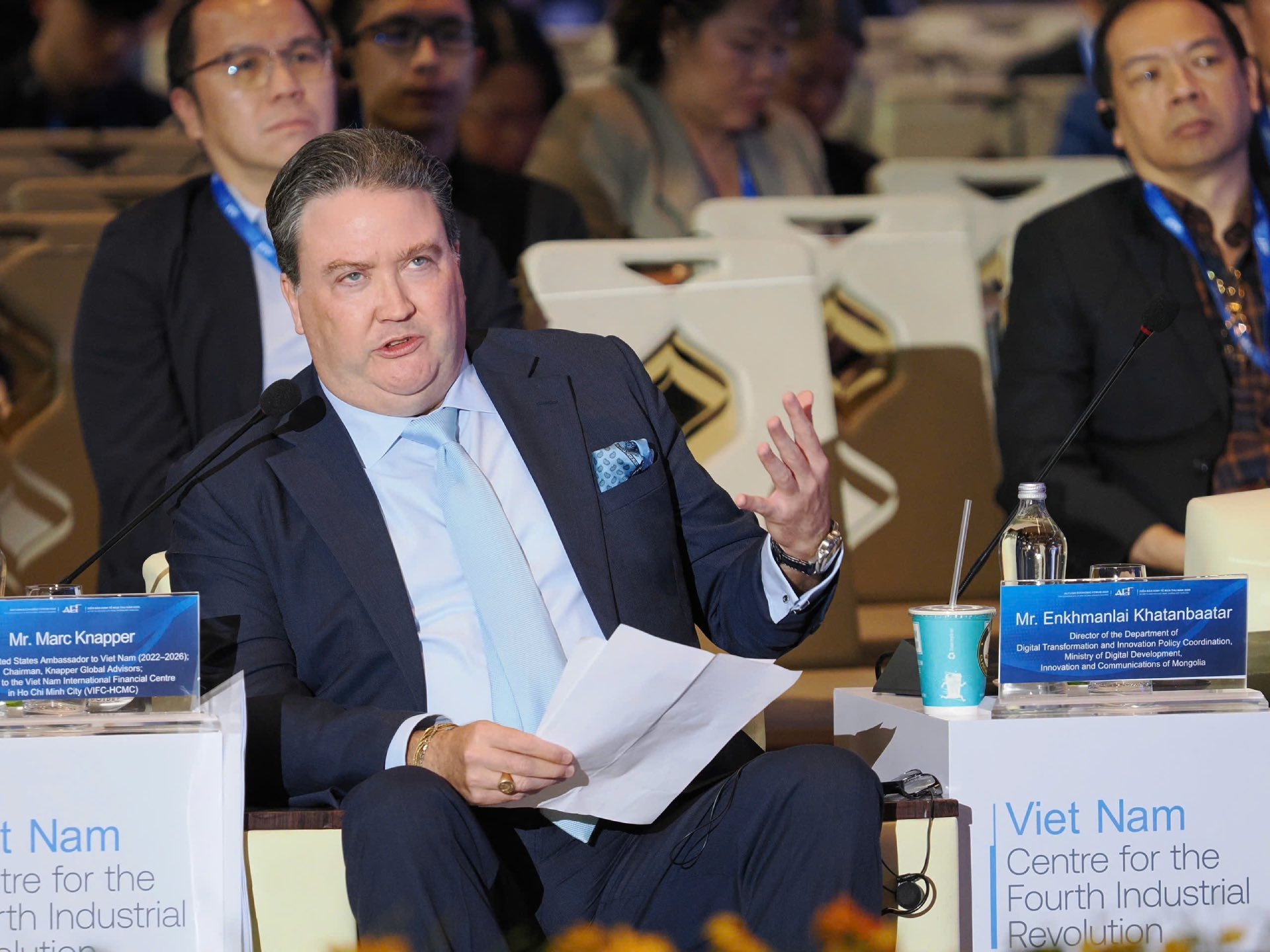
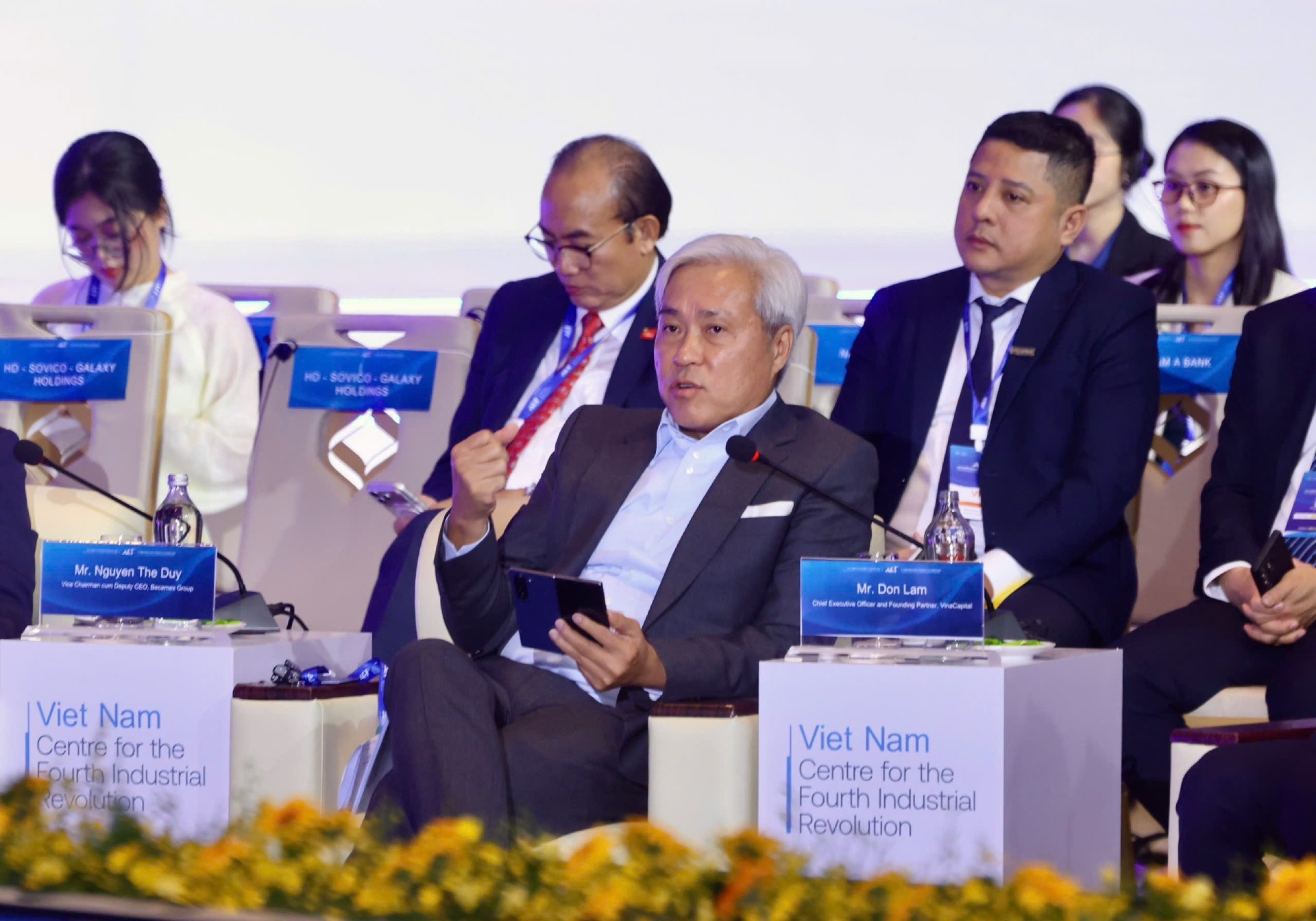
Within the program framework, delegates discussed, exchanged, and presented substantive perspectives on how FDI capital, technology, and international financial flows are reshaping investment decisions in Southeast Asia. Transforming these perspectives into specific cooperation opportunities between Ho Chi Minh City and participating CEOs; spanning four priority content groups (infrastructure, finance, energy, digital economy, and technology) through partnerships, pilot initiatives, or continued cooperation.
Through this, recording the specific investment directions, plans, and needs of businesses, thereby identifying cooperation opportunities, proposing projects, pilot initiatives, or next steps with Ho Chi Minh City in four priority areas: infrastructure, finance, energy, digital economy, and technology. Simultaneously, positioning Ho Chi Minh City as a gateway connecting capital flows, technology, and growth opportunities of Vietnam with the region and the world, aiming for substantive and long-term partnerships.
Some images from the CEO500 program: The Convergence of FDI, Technology, and Global Financial Flows
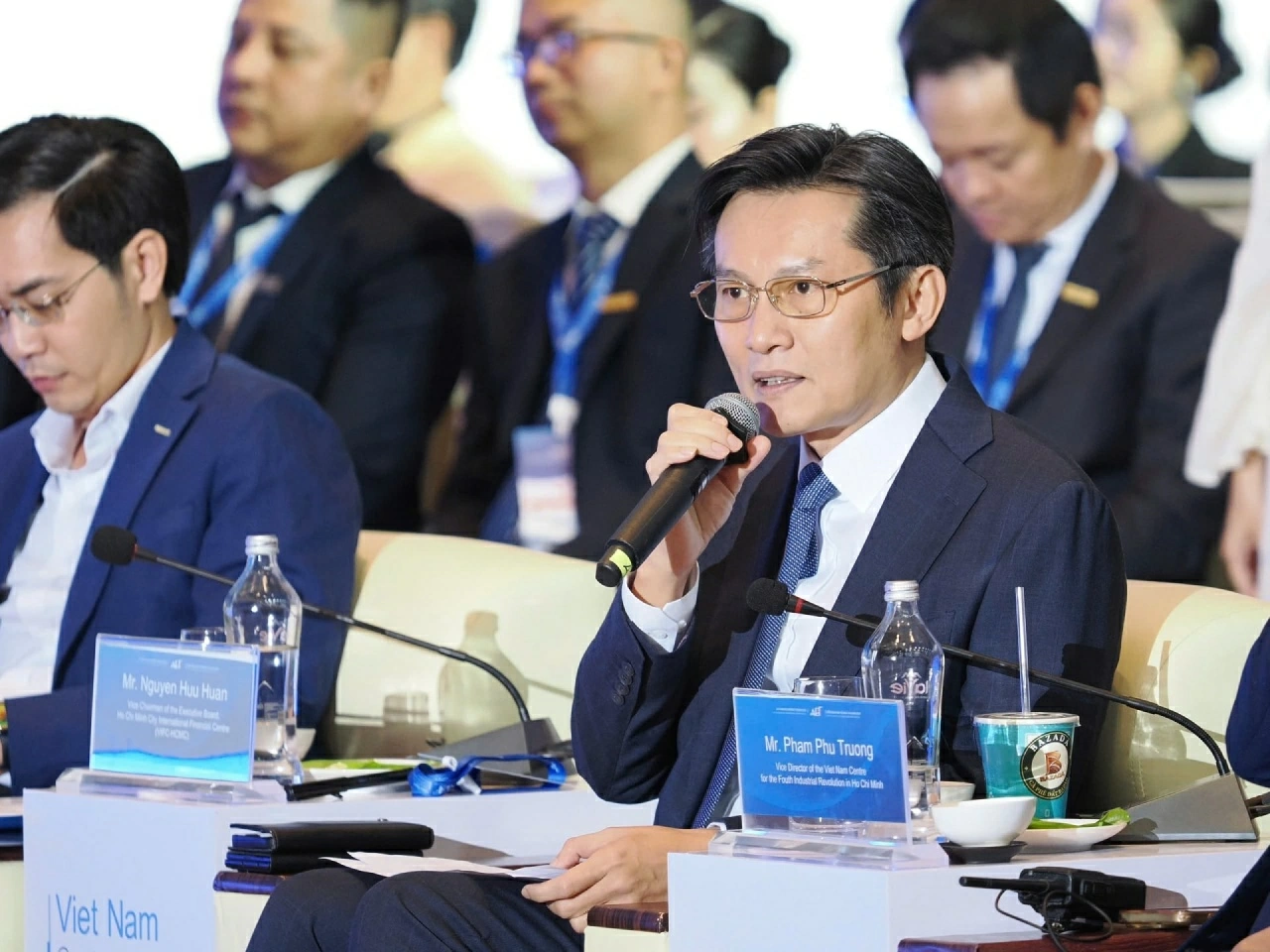 |
| Mr. Pham Phu Truong, Deputy Director of the Fourth Industrial Revolution Center in Ho Chi Minh City (HCMC C4IR), moderates the discussion session. (Photo: Thanh Long) |