




48th ASEAN Summit: Vietnam–Philippines cooperation vital to ASEAN’s shared prosperity
WVR - On the occasion of Prime Minister Le Minh Hung attending the 48th ASEAN Summit, just before the event, Vietnamese Ambassador to the Philippines Lai Thai Binh shared with The World and Vietnam Report the atmosphere in the host country and the priorities of the ASEAN Chair in 2026 at the Summit.
Latest
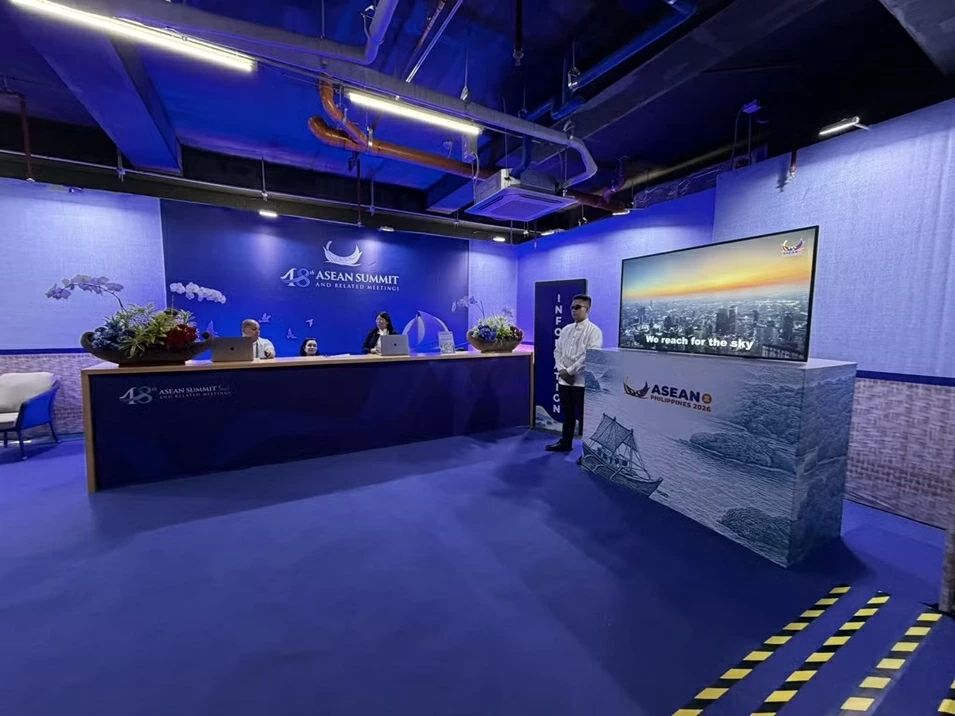 |
| The press center at the 48th ASEAN Summit is ready for the conference. (Source: Inquirer.net) |
Ambassador, could you describe the atmosphere and preparations of the ASEAN 2026 Chair - the Philippines - ahead of the 48th ASEAN Summit?
The 48th ASEAN Summit is scheduled to take place from May 7-8 in Cebu province, identified by the Philippines as one of the most important foreign affairs focal points during the ASEAN 2026 Chairmanship. In the context of the Philippines having to shift most ASEAN meetings to online formats due to budget constraints caused by the severe impact of the Middle East conflict, this in-person 48th Summit is of particular importance, with the host country making every effort to ensure thorough preparations.
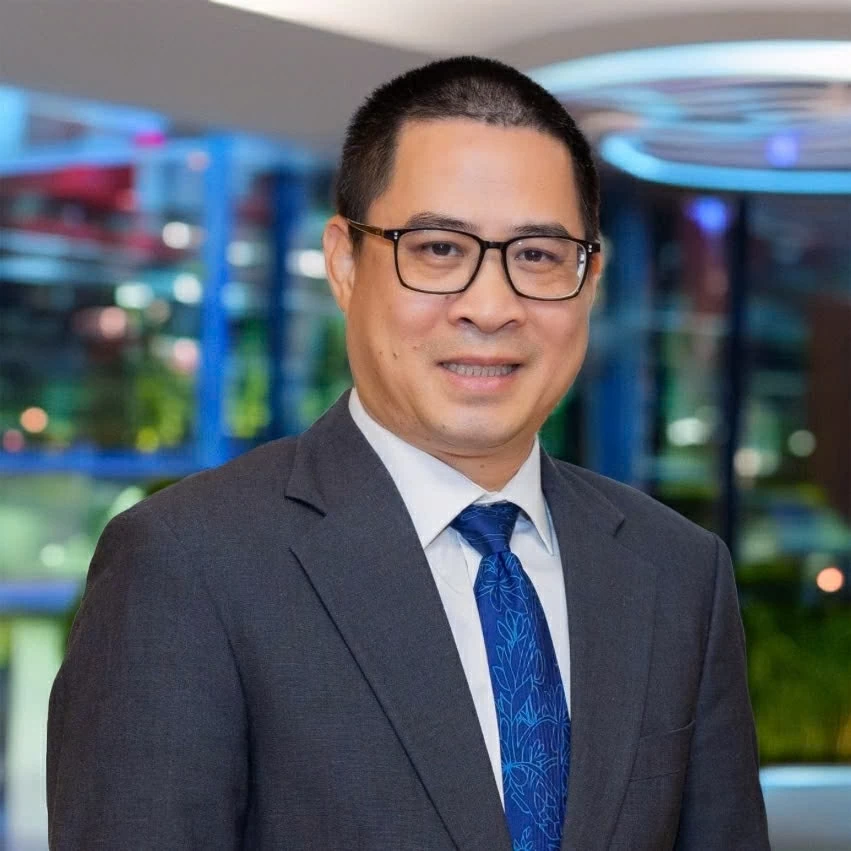 |
| Vietnamese Ambassador to the Philippines Lai Thai Binh. (Source: Vietnamese Embassy in the Philippines) |
In Cebu province, where the Summit will be held, the Philippines has issued a comprehensive gun ban from May 4-11 to ensure security for this top foreign affairs event. More than 7,300 security personnel and support forces, along with 2,850 logistical and technical vehicles, including bulletproof cars for ASEAN leaders, have been mobilized and are ready.
Through close coordination by the National Organizing Council (NOC), ministries, and local authorities, Cebu province has undertaken major projects to prepare for the Summit, such as upgrading and maintaining main roads; installing additional street lighting, signage, traffic safety equipment, flags, banners, and murals by local artists on main routes. The Mactan Cebu International Airport and the Mactan Exhibition Center, venues for key events such as the opening ceremony, plenary session, and gala dinner, have also undergone comprehensive upgrades to welcome regional leaders.
For months, the Philippines has been closely coordinating with ASEAN member countries to prepare for the Leaders' discussions at the Summit, expected to focus on three main topics: food security, energy security, and the protection of ASEAN citizens in the Middle East. Over 20 outcome documents are expected to be adopted and acknowledged by ASEAN leaders at the Summit.
What are your expectations for the host country's initiatives at this Summit in helping ASEAN promote consensus and unity amid numerous regional and global fluctuations?
The world is undergoing a profound and multi-layered period of upheaval, where geopolitical, economic, and technological shocks intertwine, creating widespread global repercussions. Strategic competition among major powers is intensifying, especially in key areas such as high technology, economic security, and geopolitical influence. Concurrently, the rise of protectionism and increasing polarization are eroding the most important foundations of multilateralism. The complex developments of military conflicts in the Middle East not only increase security instability but also directly affect supply chains, energy prices, and the daily lives of people worldwide.
In this context, the need to strengthen regional solidarity, enhance the resilience of economies, and promote intra-ASEAN cooperation is more urgent than ever. As the ASEAN Chair in 2026, the Philippines is proactively promoting comprehensive cooperation on key pillars, aiming to build a resilient, dynamic, creative ASEAN Community centered on people, in line with the ASEAN Community Vision 2045.
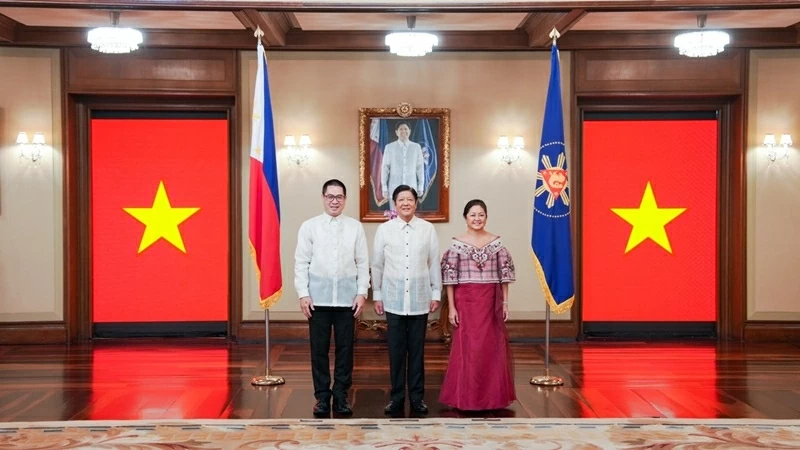 |
| Ambassador Lai Thai Binh poses for a commemorative photograph with Ferdinand R. Marcos Jr. and First Lady Liza Araneta at the Presidential Palace of the Philippines. (Photo: Embassy of Vietnam in the Philippines) |
At the same time, the Philippines is leveraging its role as a coordinator, leading the region's joint efforts to respond to the impacts of the Middle East conflict through organizing important consultation mechanisms, including special ASEAN Foreign Ministers' Meetings, the ASEAN Economic Community Council, and ASEAN Energy Ministers, to discuss and propose timely and effective coordinated solutions.
In an uncertain world, ASEAN continues to be viewed as a prime example of regional cooperation – where dialogue and consensus are prioritized above institutional, historical, religious, and developmental differences. With the theme “Navigating Our Common Future” and initiatives revolving around the three pillars of peace, prosperity, and people, the Philippines, as the ASEAN Chair in 2026, is working with member countries to lead the region in flexibly adapting to global changes while further strengthening ASEAN's cohesion and resilience.
According to the Ambassador, in what areas can Vietnam and the Philippines promote cooperation to contribute to the common development path of the ASEAN Community as well as regional and global peace and stability?
Vietnam and the Philippines, as dynamic and responsible members of the ASEAN Community, share a legitimate aspiration for peace, stability, and sustainable development for each nation and the entire region. Promoting cooperative relations between the two countries not only holds deep bilateral significance but also directly contributes to strengthening intra-bloc connectivity, aiming to realize the common goals of the ASEAN Community.
In recent years, the Vietnam-Philippines Strategic Partnership has grown strongly, increasingly deepening and becoming more substantive across multiple fields. In political-diplomatic terms, high-level contact channels are maintained regularly and flexibly through delegation exchanges, congratulatory messages, and meetings on the sidelines of multilateral forums, thereby solidifying a strong foundation of political trust. In defense-security, cooperation is continuously expanding in both scope and depth, with exchange mechanisms between various military branches; the content of cooperation is increasingly practical, including information sharing, experience exchange, and the implementation of programs in potential-rich areas such as military medicine, defense technology, training, humanitarian assistance, and disaster response.
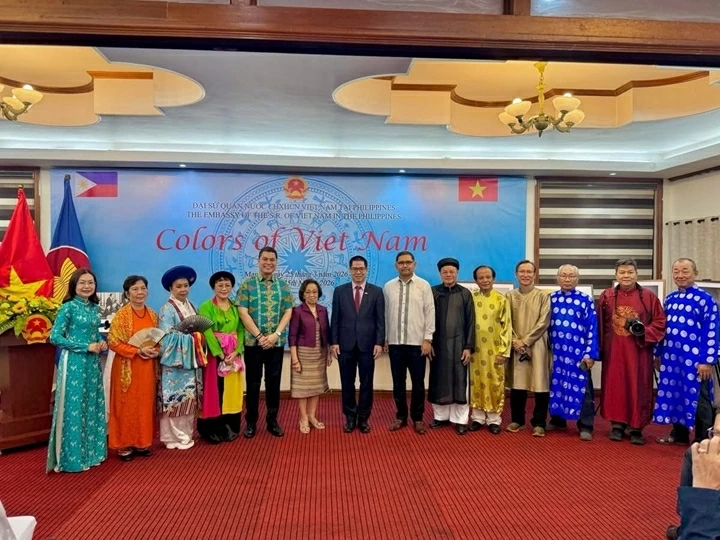 |
| Ambassador Lai Thai Binh poses for a photograph with a delegation of photographers from Ho Chi Minh City and invited guests at the cultural promotion event “Colors of Vietnam,” held at the Embassy of Vietnam in the Philippines. (Photo: Embassy of Vietnam in the Philippines) |
Economic cooperation continues to develop with many breakthroughs. Bilateral trade turnover maintains impressive growth momentum, averaging over 10% annually from 2015-2025, rising from 2.92 billion USD to 7.8 billion USD. Notably, in 2025 alone, Vietnam's investment in the Philippines reached over 92 million USD, accounting for the majority of the total accumulated registered capital to date, indicating an increasingly clear trend of Vietnamese businesses establishing a presence in the Philippine market. The tourism sector has also seen remarkable development, with the number of Philippine tourists to Vietnam increasing more than fourfold in less than a decade (from 110,967 arrivals in 2016 to 482,173 in 2025), making the Philippines one of Vietnam's leading source markets in ASEAN.
These positive achievements have laid a solid foundation for the two countries to continue expanding and deepening cooperation in the future, especially in new potential-rich areas such as science and technology, digital transformation, green transition, education and training, and people-to-people exchanges.
With the advantage of political trust nurtured over time, geographical proximity, cultural similarities, and consumer preferences, along with a highly potential market size, Vietnam-Philippines cooperation is expected to continue to develop comprehensively, substantively, and effectively, bringing practical benefits to the people of both countries, while positively contributing to peace, stability, and common prosperity of ASEAN and the international community.
Thank you very much, Ambassador!


