






Vietnamese train journey scores on international rankings
WVR - The Vietnam Central Heritage Connection and The Vietage by Anantara routes have been voted by readers of Condé Nast Traveler (USA) as among the 20 most beautiful train journeys in the world for 2026.
Latest
The results highlight the appeal of Vietnam's railway tourism products, from exploring Central heritage to experiencing luxury travel.
According to the rankings of The Best Train Trips in the World: 2026 Readers' Choice Awards by Condé Nast Traveler, Vietnam Central Heritage Connection ranks 10th, while The Vietage by Anantara is 14th. This category is part of the magazine's 39th annual awards, with 798,867 votes for travel experiences worldwide.
According to Condé Nast Traveler, the allure of these train journeys lies in their ability to make travel time a memorable part of the journey.
Through the train windows, passengers can admire mountains, countryside, villages, and unique landscapes while enjoying cultural, culinary, and service experiences.
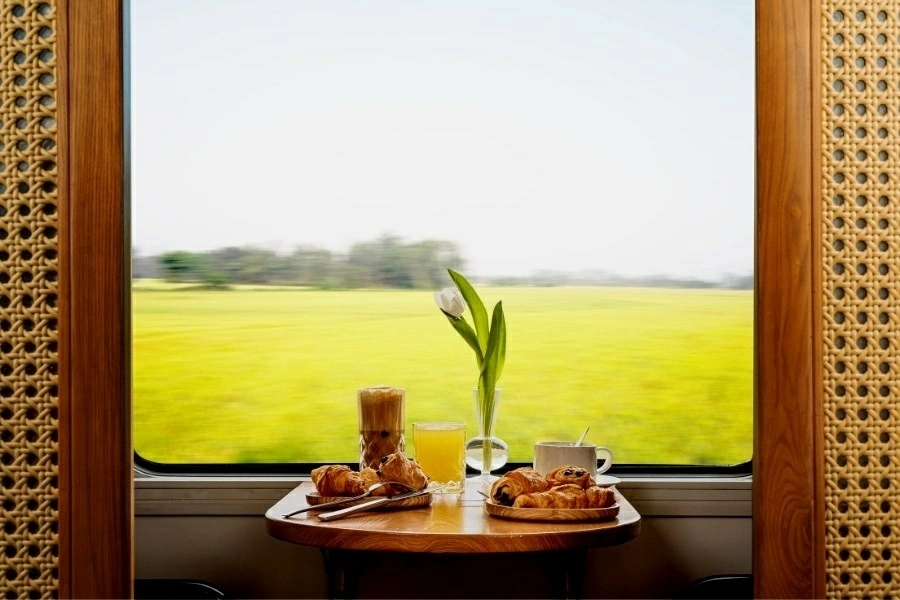 |
| The romantic train windows of The Vietage by Anantara. (Source: Bao Van Hoa) |
Two routes, two distinct experiences
Ranking 10th, the Vietnam Central Heritage Connection links Hue and Da Nang, operational since early 2024. The journey lasts about three hours, taking passengers through Tam Giang – Cau Hai lagoon, Lang Co Bay, and Hai Van Pass, blending natural scenery with Central heritage values.
Condé Nast Traveler highlights the ticket price of about 11 USD for a one-way trip, the lowest among the 20 voted train journeys. The train features quiet carriages for rest and two community carriages hosting music and traditional dance performances.
The route offers an additional way to explore Central Vietnam, where lagoons, seas, and mountains unfold through the windows. Instead of merely using the railway to travel between the two cities, passengers can enjoy the route itself as a travel experience, combining cultural and heritage exploration.
Meanwhile, The Vietage by Anantara ranks 14th, representing the luxury railway travel segment. The product explores coastal Central Vietnam routes, connecting Da Nang with Quy Nhon and Nha Trang.
According to Condé Nast Traveler, the Da Nang – Quy Nhon journey lasts about six hours, serving a three-course meal inspired by Vietnamese and French cuisine. The Quy Nhon – Nha Trang route offers afternoon tea with delicacies like caviar, Vietnamese cheese, and premium tea.
The Vietage by Anantara is designed in a luxurious style, with six private cabins for up to 12 passengers. The space features light wood, woven rattan, and a marble bar; large windows open to views of fields, coastal areas, and Central mountains.
If the Vietnam Central Heritage Connection focuses on scenery and heritage, The Vietage by Anantara emphasizes cuisine, premium services, and personalized experiences. Both products belong to different segments but leverage local landscapes and identities.
Expanding opportunities for Vietnam's Railway tourism
This year's list is topped by the Venice Simplon-Orient-Express, followed by Rovos Rail and Rocky Mountaineer. Other notable journeys include Switzerland's Glacier Express, Australia's The Ghan, USA's Napa Valley Wine Train, and Southeast Asia's Eastern & Oriental Express.
The inclusion of two Vietnamese products highlights the potential to develop railway journeys linked with destination experiences. The value of a train journey lies not only in transporting passengers to their destinations but also in the integrated landscapes, cuisine, culture, and services throughout the journey.
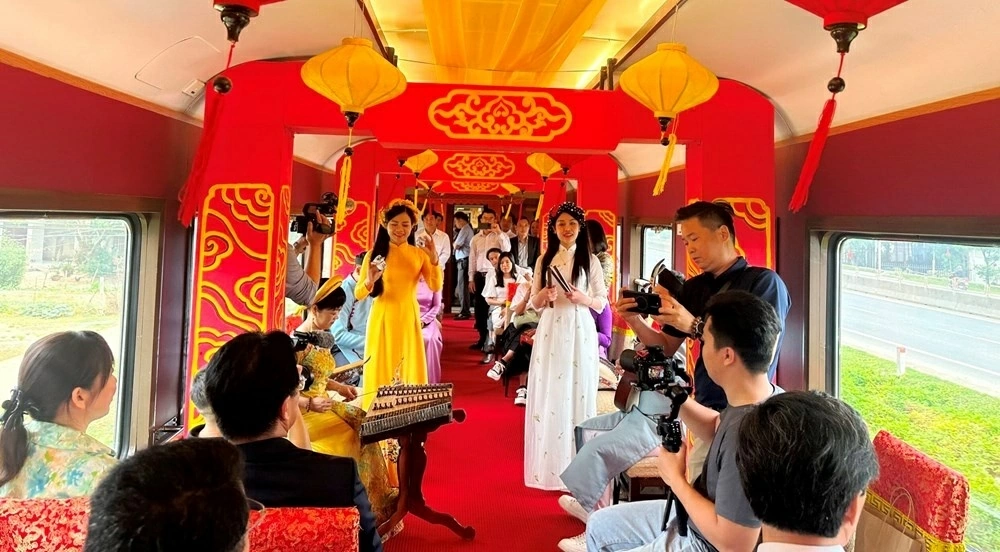 |
| Vietnam Central Heritage Connection values Central landscapes and heritage. (Source: Bao Van Hoa) |
With the existing railway system, Vietnam can explore developing more products across various segments, from affordable trains combining scenic enjoyment and local cultural exploration to luxury carriages linked with cuisine and relaxation.
Routes with distinctive landscapes like Hue – Da Nang, Da Nang – Quy Nhon, or Quy Nhon – Nha Trang demonstrate that railways can become an essential part of tourism product design, rather than merely serving a transportation function.
The voting results from Condé Nast Traveler place two Vietnamese journeys alongside world-renowned railway brands, while also opening up further opportunities to promote domestic landscapes, culture, and tourism services to international visitors.