





Vietnam steps up central-local coordination to advance foreign affairs for development
WVR - On the afternoon of 1 October, in Hai Phong City, the Ministry of Foreign Affairs, in coordination with the Hai Phong City People’s Committee, held the third-quarter 2026 conference on local external affairs.
Latest
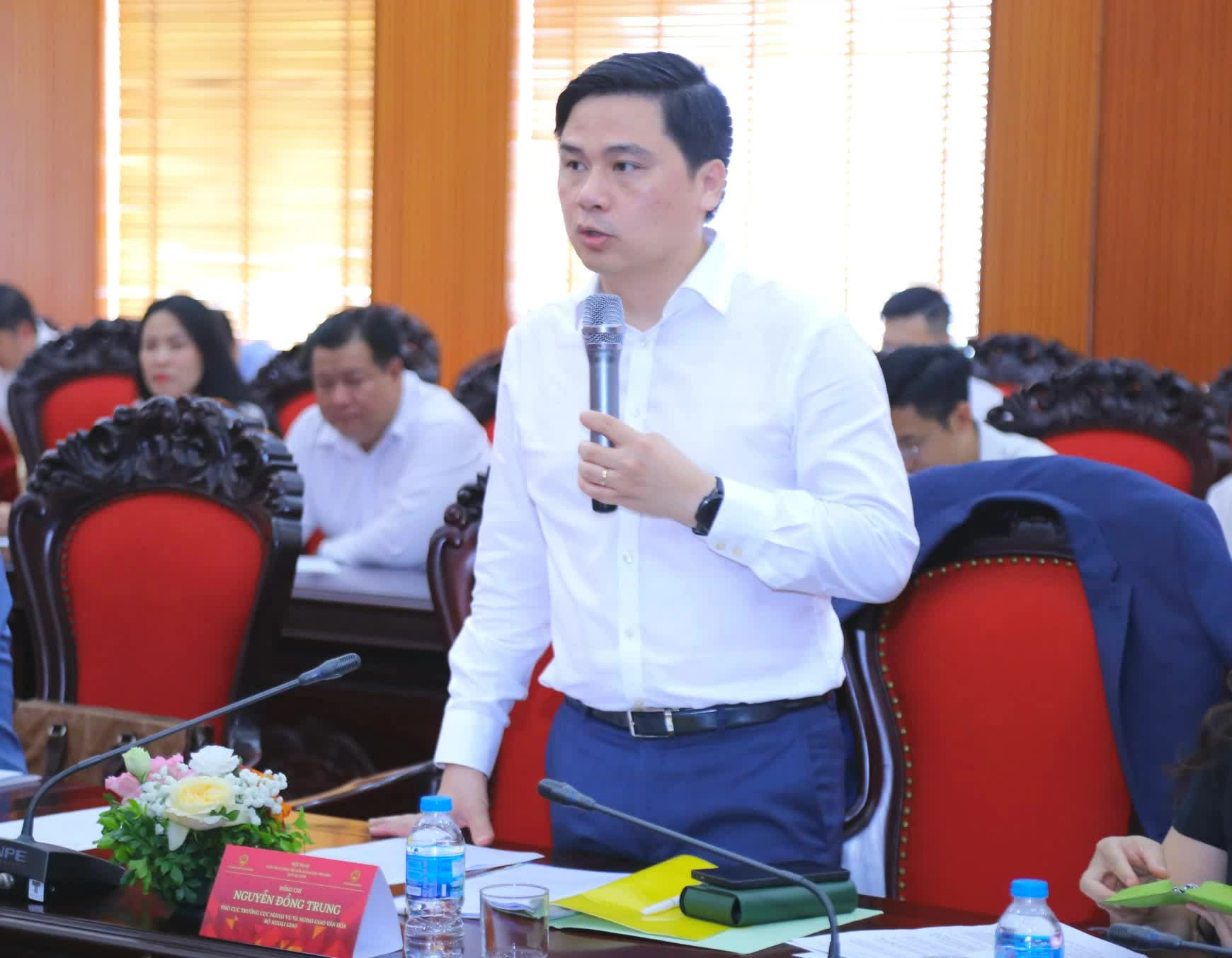 |
| Deputy Director-General of the Department of External Relations and Cultural Diplomacy Nguyen Dong Trung delivers opening remarks at the conference. (Photo: Trung Anh) |
In his opening remarks, Deputy Director-General of the Department of External Relations and Cultural Diplomacy Nguyen Dong Trung stressed that the conference provided an opportunity to update localities on developments in the world and the region, as well as major orientations for foreign affairs, while discussing practical issues of concern to localities, particularly economic diplomacy, science and technology diplomacy, and the implementation of new policies and guidelines.
According to Mr. Nguyen Dong Trung, the regular coordination mechanism would enable the Ministry of Foreign Affairs to strengthen coordination, promptly exchange information and address difficulties and obstacles arising in the implementation of local external affairs, thereby enhancing coordination between central-level and local external affairs.
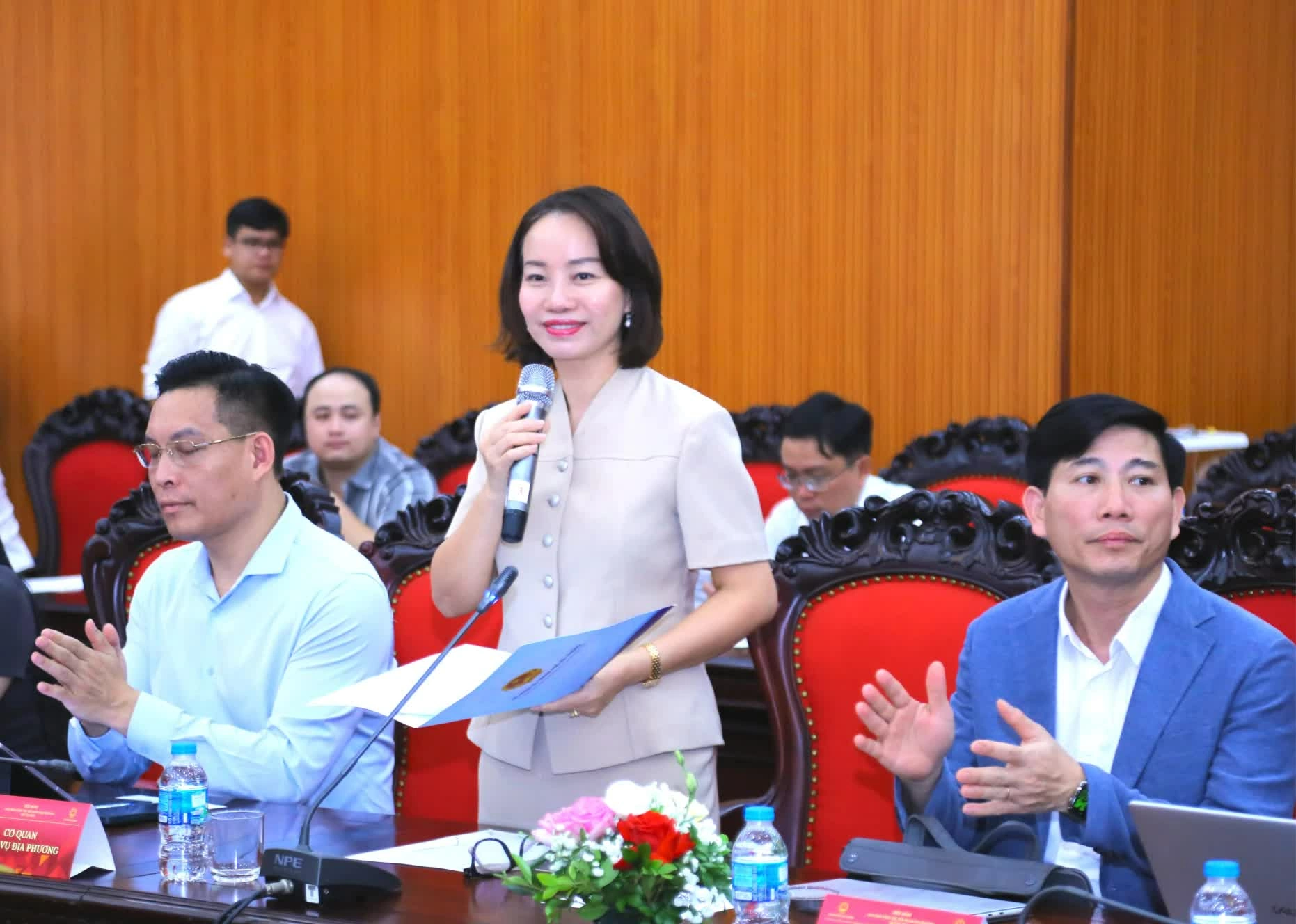 |
| Director of the Department of Foreign Affairs of Hai Phong City Tran Thi Quynh Trang speaks at the conference. (Photo: Trung Anh) |
Providing an overview of the city’s development, Director of the Department of External Affairs of Hai Phong City Tran Thi Quynh Trang said that, following the administrative restructuring in July 2025, Hai Phong now covers approximately 3,200 square kilometres, has a population of more than 4.6 million and an economic scale of nearly US$30 billion.
In the first nine months of 2026, the city maintained a growth rate of 12.31%, with 10 out of 13 key socio-economic targets meeting or exceeding their planned targets, while aiming for annual growth of 13%.
According to Ms. Tran Thi Quynh Trang, Hai Phong’s external affairs work has in recent years played a pioneering and path-opening role, with all major pillars of foreign affairs and international integration being implemented comprehensively. These efforts have helped expand the city’s development space, promote its image and directly generate additional economic momentum for Hai Phong.
With its expanded scale and development space, Hai Phong will continue to leverage its strengths in seaports, logistics, industry, trade and international connectivity, while broadening cooperation with suitable partners to make more effective use of the city’s potential and comparative advantages.
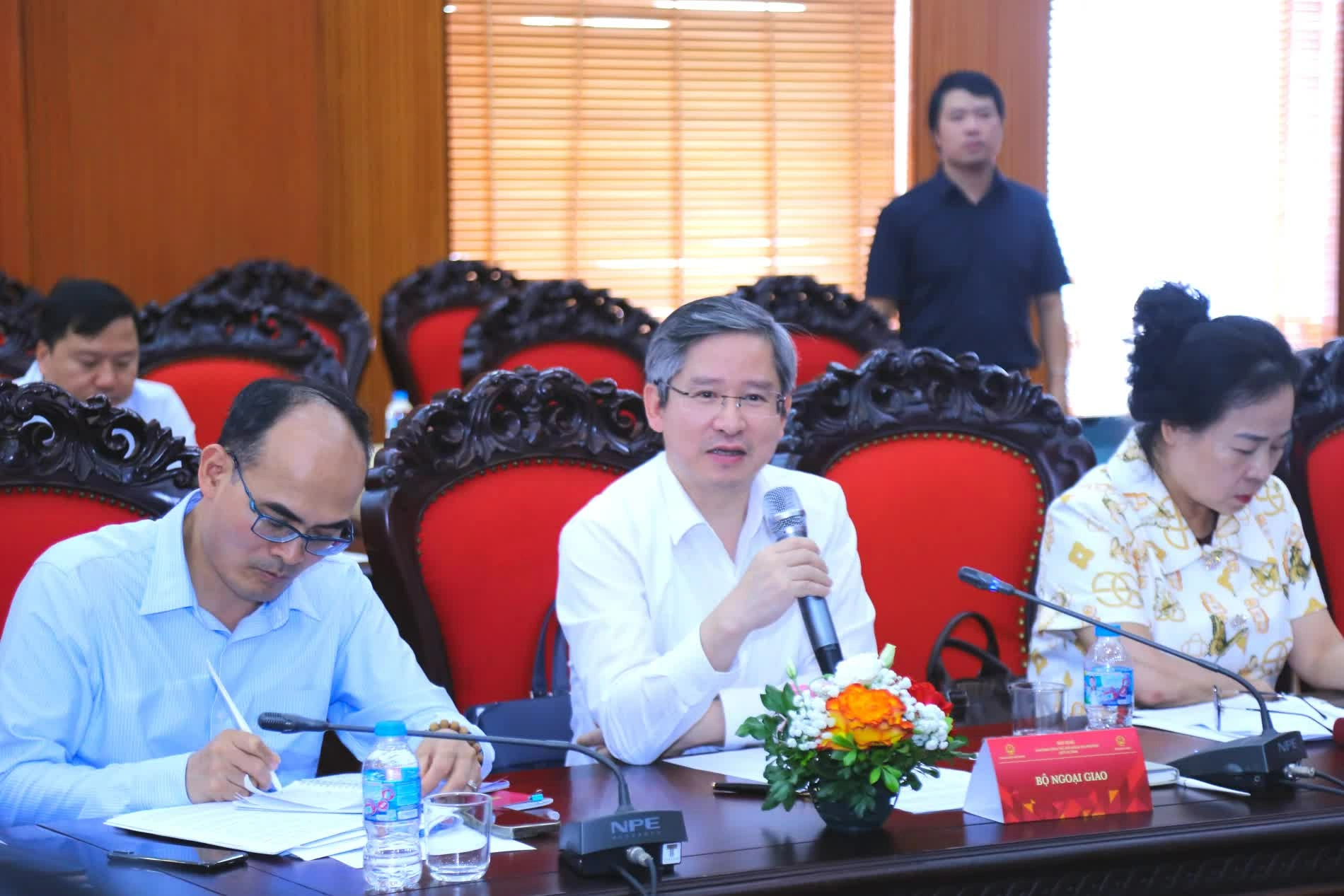 |
| Deputy Director-General of the Department of Policy Planning Dinh Nho Hung speaks at the conference. (Photo: Trung Anh) |
Also speaking at the conference, Deputy Director-General of the Department of Policy Planning Dinh Nho Hung said that the world had been moving into a new state over the past two years, marked by profound, complex and increasingly unpredictable changes, reflected in rapid shifts in the global economy, trade, energy and growth drivers.
Against this backdrop, the global economy has continued to demonstrate relatively strong resilience, although the growth outlook remains subject to considerable uncertainty, particularly arising from trade policies and fluctuations in energy prices.
According to Mr. Dinh Nho Hung, alongside these challenges, shifts in the global economy are also creating new drivers of growth, most notably artificial intelligence (AI), semiconductor technology, data centres, electric vehicles and renewable energy.
These trends are reshaping global production, trade and investment patterns, requiring localities to closely monitor international developments, properly assess their implications for development and prepare appropriate response scenarios.
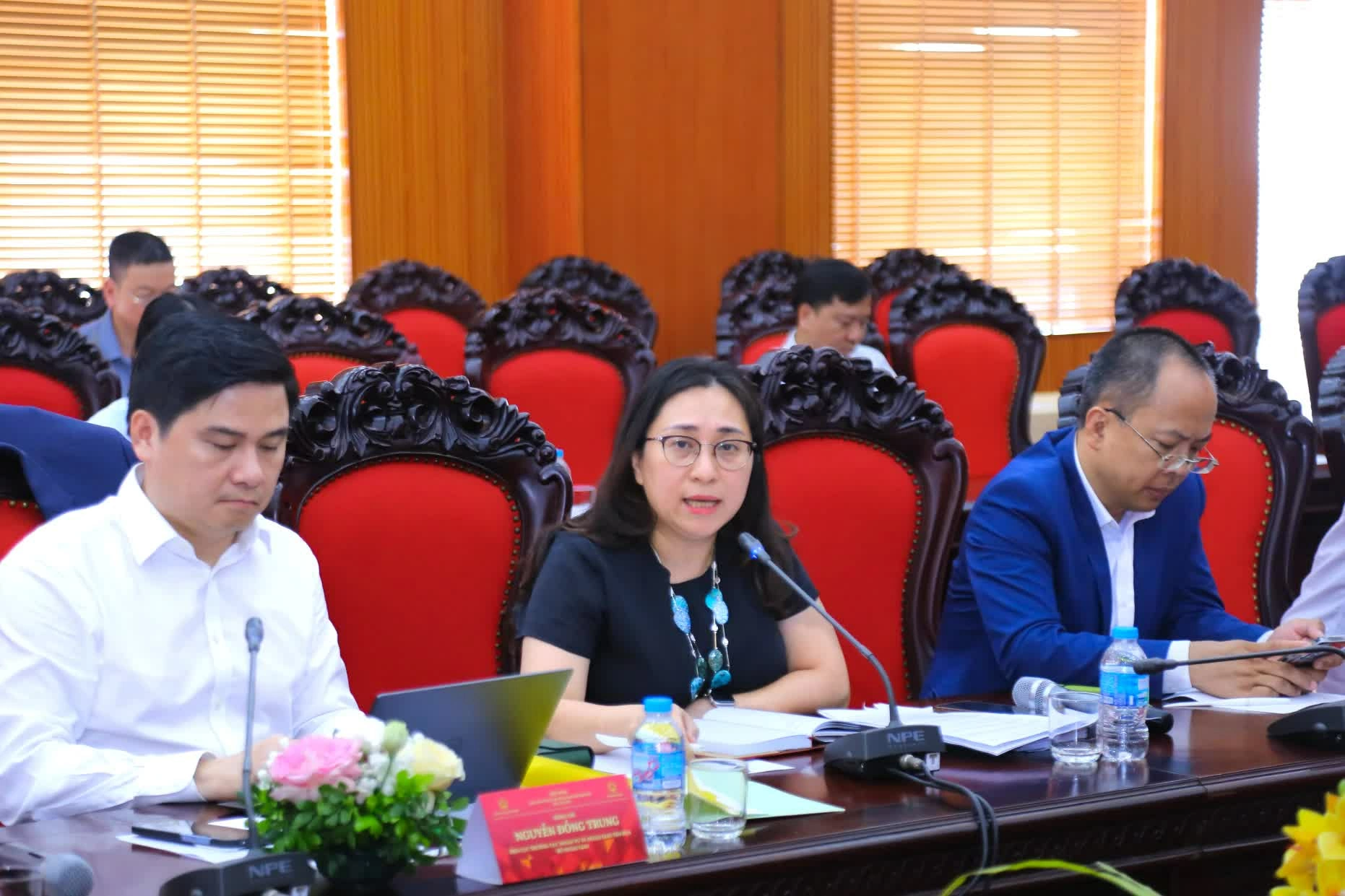 |
| Deputy Director-General of the Department of Economic Diplomacy Luyen Minh Hong speaks at the conference. (Photo: Trung Anh) |
Deputy Director-General of the Department of Economic Diplomacy Luyen Minh Hong said that the Ministry of Foreign Affairs was making a strong shift from an approach centred on economic diplomacy towards development-oriented diplomacy, with a focus on mobilising international resources to achieve double-digit growth and renew the development model.
Accordingly, local external affairs should be more closely aligned with the specific needs of localities, businesses and people.
Ms. Luyen Minh Hong called on local external affairs agencies to proactively provide focal points within agencies responsible for trade, finance, science and technology and other relevant areas, in order to strengthen coordination and facilitate the timely handling of information and cooperation opportunities from the Ministry of Foreign Affairs and Vietnamese diplomatic missions and representative offices abroad.
At the same time, localities should clearly identify the projects, products, markets or partners to be prioritised in 2026 and 2027, thereby providing the Ministry of Foreign Affairs with a concrete basis for supporting connections and monitoring outcomes.
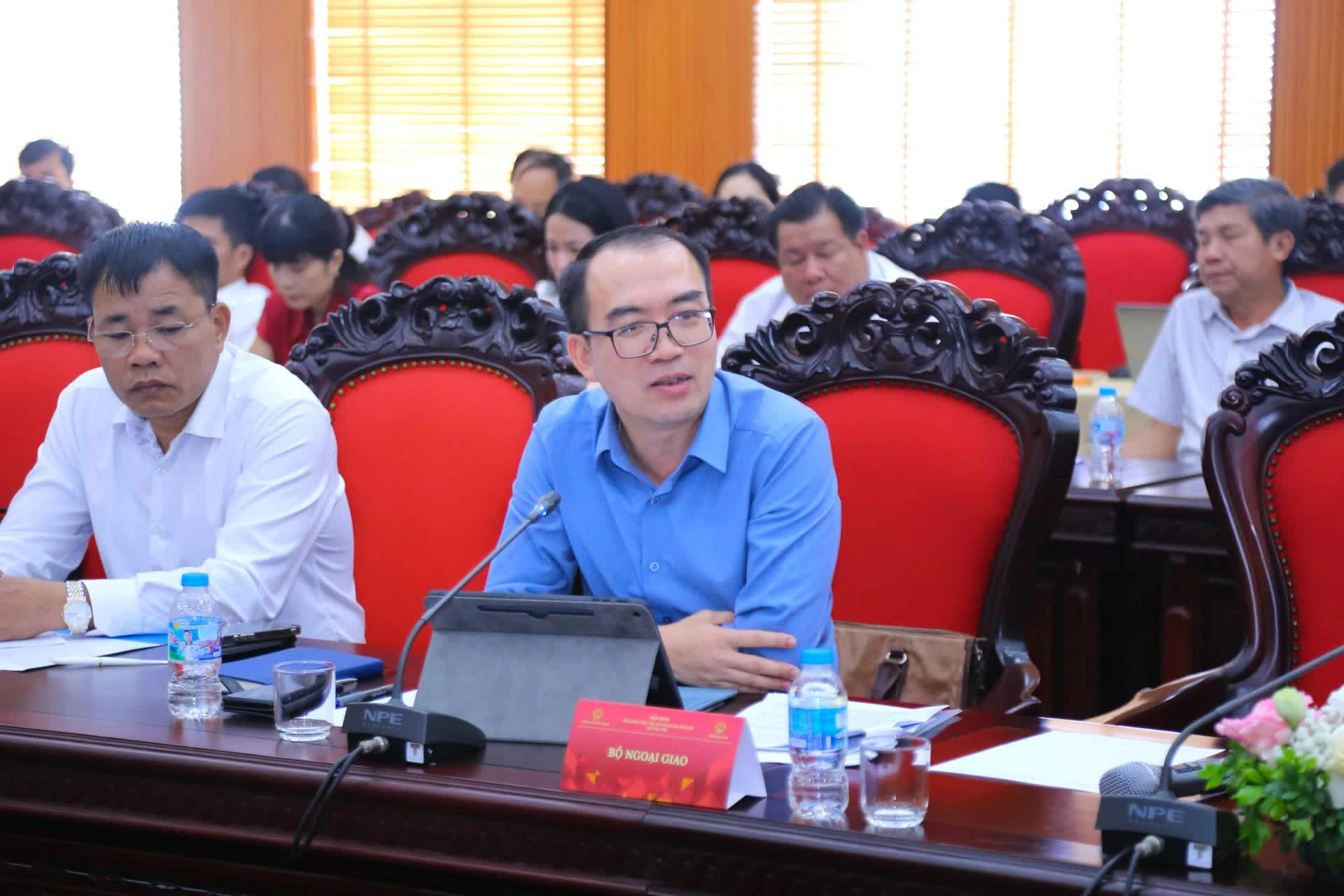 |
| Deputy Director-General of the Department of Personnel and Organisation Le Duc Thien speaks at the conference. (Photo: Trung Anh) |
Speaking at the conference, Deputy Director-General of the Department of Personnel and Organisation Le Duc Thien said that National Assembly Resolution No. 250/2025/QH15 on a number of specific mechanisms and policies to enhance the effectiveness of international integration was formulated in response to practical requirements arising from local external affairs, with a focus on addressing bottlenecks related to resources, human resources and implementation mechanisms.
With 34 provinces and centrally governed cities differing in their conditions, strengths, needs and partners, the Resolution provides a framework for each locality to proactively define its objectives, select an appropriate path for international integration and leverage its own strengths in external relations.
Representing the Department of Personnel and Organisation stressed that the current priority was to shift from developing mechanisms to putting them into operation and translating the new regulations into practice based on the principles of “clear people, clear tasks, clear timelines, clear responsibilities, clear authority and clear results”.
Localities should proactively study and apply mechanisms suited to their practical conditions, while building a common understanding across the political system of the tasks involved in international integration. This would help gradually turn mechanisms into the capacity to act and deliver tangible results in local foreign affairs.
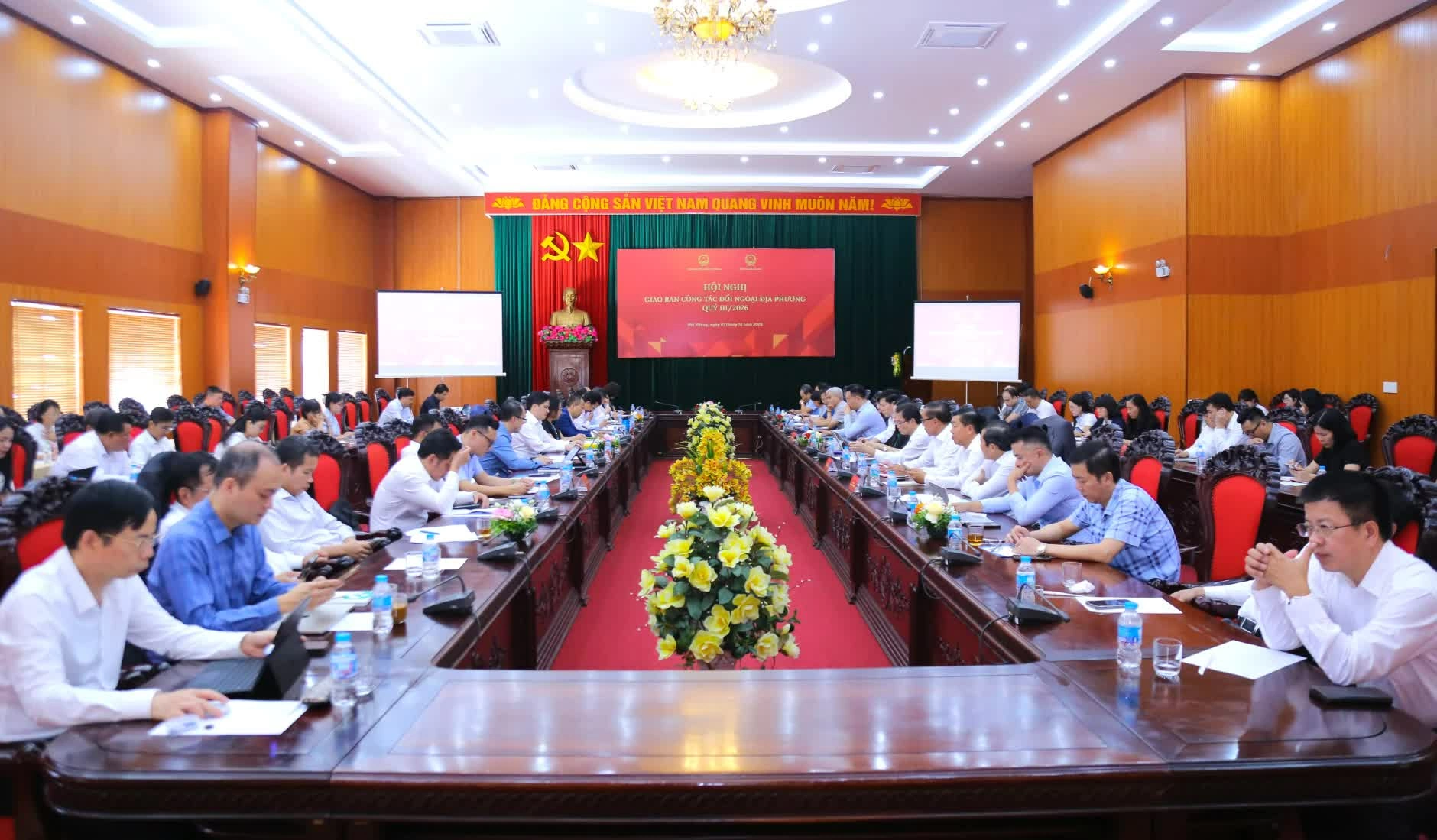 |
| An overview of the conference. (Photo: Trung Anh) |
At the conference, representatives of local foreign affairs agencies engaged in active and candid exchanges, frankly reviewing achievements while also pointing out difficulties and obstacles encountered in implementing foreign affairs work at the local level.
Discussions focused on practical issues, with participants putting forward specific solutions and recommendations, helping to clarify the need to renew and enhance the effectiveness of local foreign affairs in the period ahead.
The conference took place in a lively, open and constructive atmosphere, reflecting the proactive approach of localities in implementing foreign affairs orientations in close connection with their development priorities.


