






Vietnam national brand:
Vietnam National Brand Programme: Towards 'Designed in Vietnam' and 'Developed in Vietnam', gradually building a distinctive brand identity
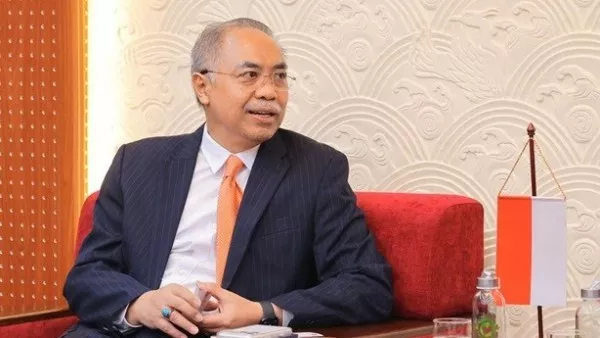
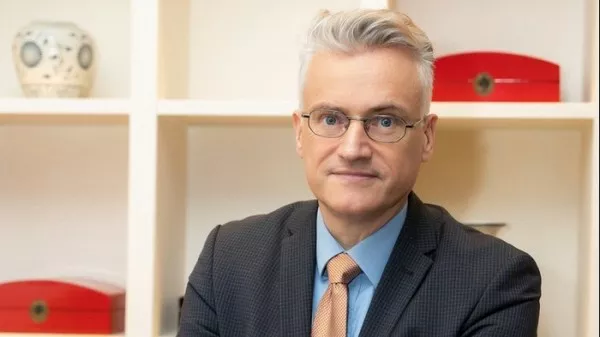
WVR - Prof. Dr. Andreas Stoffers, FOM University of Applied Sciences, Essen/Germany noted that the recognition of 227 enterprises under the Vietnam National Brand Programme reflects the increasingly broad-based growth of Vietnam’s business community.
Latest
 |
| Prof. Dr. Andreas Stoffers, FOM University of Applied Sciences, Essen/Germany. |
In your opinion, what role does the business community play in building and strengthening Vietnam's national brand amid deeper international economic integration?
First of all, it must be said that a national brand is created primarily through the achievements of businesses, not through government image campaigns. Please allow me to briefly explain this point here:
In the decades following Doi Moi (Renewal) (1986), Vietnam has developed from a largely isolated country into one that is firmly integrated into international value chains, demonstrating a remarkable and internationally recognised track record. Vietnam’s international standing is, to a considerable extent, a result of its economic achievements.
Based on my own observations in Vietnam – initially in the banking sector, then whilst working for a German political foundation, and now as a professor – I have witnessed the shift in the international perception of Vietnam from a low-cost manufacturing hub to an increasingly sophisticated business location myself. However, in the long term, ‘made in Vietnam’ will no longer be sufficient to take Vietnam to the next stage of development. Rather, the focus will be on moving towards independent development – towards ‘designed in Vietnam’ and ‘developed in Vietnam’ – in other words, setting a course towards establishing a distinct ‘Vietnam Brand’. At first glance, the difference may not seem all that great.
Yet on closer inspection, it becomes clear that whilst a great many products are manufactured in Vietnam today, a substantial part of the value added and technology is still controlled by foreign invested companies. In the first ten months of 2026, 81.2 per cent of Vietnamese goods exports were attributable to the FDI sector. Given Vietnam’s export performance, this is certainly very attractive to foreign investors, but at the same time it is an indication of the still limited involvement of Vietnamese companies. Whilst this has served Vietnam well, it cannot be the whole answer to building globally recognised Vietnamese brands.
The Vietnamese Government has taken important steps, particularly through Resolution 10, and has set important priorities and laid down the guidelines for future development. The government framework in Vietnam is therefore favourable. Ultimately, however, it is not governments that create successful global brands, but companies competing with one another. It is these companies, acting as ambassadors for their country, that will have a lasting impact on Vietnam’s global reputation through reliable products, good service, long-term business relationships and fair business practices.
In my experience, the distinctly Vietnamese mindset offers the right qualities for this: flexibility, a willingness to learn, entrepreneurial ambition and a remarkable readiness to seize economic opportunities are all good prerequisites.
However, it remains important not only to focus on large enterprises in Vietnam, but also to assign a key role to the Vietnamese SME sector, which operates with significantly greater flexibility. This is also the case in my home country, Germany, where Germany’s SMEs, including many ‘hidden champions’, contribute greatly to our country’s international reputation. Ultimately, a strong brand is always a promise of trust. In Vietnam, the term ‘chữ tín’ is used to describe credibility and reliability in business. I think this term fits this topic well here too.
 |
| VinFast is a compelling example of how Vietnam can make its mark even in a highly technical and very capital-intensive sector such as the automotive industry. (Source: Vietnamnet) |
In recent years, a number of Vietnamese companies have made their mark in international markets. Examples include TH Group, with its dairy and clean food products, and VinFast, with its electric vehicle development strategy and expansion into overseas markets. How do you assess these efforts? How can pioneering companies like these contribute to shaping the image of a dynamic, innovative Vietnam with strong global competitiveness?
One thing is clear: when I first arrived in Vietnam in 2009 to work for Deutsche Bank, it would have been hard to imagine that Vietnamese companies would build their own international brands in the automotive sector or in sophisticated food markets. I have great respect for that.
I see the TH Group as an interesting example of the convergence of agriculture, technology and brand-building. It is a clear sign that Vietnam is capable of more than just exporting food. 19 products or product groups from the TH Group are now recognised as National Brands in Vietnam.
VinFast is a compelling example of how Vietnam can make its mark even in a highly technical and very capital-intensive sector such as the automotive industry. By establishing its own car manufacturer, Vietnam has secured strong global visibility, which has attracted considerable international attention to the country. VinFast demonstrates Vietnam’s ambition to compete in technologically demanding industries. Nevertheless, I would like to offer a sober assessment from a banker’s perspective: brand awareness, sales growth and sustainable profitability are three distinct things. According to the company’s figures, around 70,000 electric vehicles were delivered in the second quarter of 2026, of which approximately 11 per cent went to markets outside Vietnam.
I believe that both Vietnamese companies are demonstrating serious new ambitions. However, international visibility is not everything, and is by no means a guarantee of long-term market success.
In the long term, what will be decisive for these two brands - and indeed for all other Vietnamese brands - will not be headlines or major investment announcements, but product quality, customer satisfaction, a reliable distribution and service network, economic viability and, ultimately, the trust of international buyers. The example of my own country, Germany, shows that building a reputation for major brands is not a matter of short-term marketing activities, but of years and decades of intensive work with customers.
TH and VinFast are certainly pioneering companies for Vietnam. However, in the coming years, Vietnam will need many more companies that are prepared to take risks and recognise opportunities. Not every attempt will be successful, but new and interesting players will emerge from the multitude of attempts.
From an international perspective, what are the key factors that enable Vietnamese brands to establish a firm foothold and earn trust in global markets? Beyond product quality, how should businesses focus on technology, innovation, corporate governance, international standards and social responsibility to build sustainable brand value?
In short: the key is consistent and recognised quality. Trust and reliability then determine whether a brand will be successful in the long term.
However, international market success requires much more than just low prices and a competitive product. From my own experience with international clients and companies, I can only say that the reliability of business partners is often more important than the lowest price. When it comes to quality, the focus should be on consistency, rather than producing occasional outstanding results. In doing so, consistent adherence to international norms and standards must be ensured, including product safety, traceability and sector-specific European and international requirements. Corporate governance is also an important competitive factor. As a former banker, I can only confirm that whilst a company may manufacture excellent products, it will lose trust if its financial reporting, ownership structures or business practices lack transparency.
I mentioned earlier that Vietnam must evolve from being purely a manufacturing hub into a technology hub if it is to achieve its goal of becoming an industrialised nation by 2045. The country must therefore move away from competing purely on cost and towards conducting its own research, product development, design and innovation. It goes without saying that intellectual property rights must be respected in this process, and this is certainly also in Vietnam’s own interests, as Vietnamese companies increasingly develop their own products and designs that deserve protection.
In doing so, Vietnam should certainly bear in mind that, as the saying goes in Germany, ‘the worm must appeal to the fish, not the angler’. In concrete terms, this means that all product development must be geared towards customer preferences in the respective markets. What appeals to a Vietnamese customer is by no means guaranteed to be suitable in Germany, Japan or the USA. Particularly in foreign markets, factors such as sustainability, environmental protection, warranty services and the supply of spare parts are key success factors for a new, internationally recognised brand. The Vietnamese concept of ‘chữ tín’ applies here too: anyone wishing to gain international trust must consistently keep their promises.
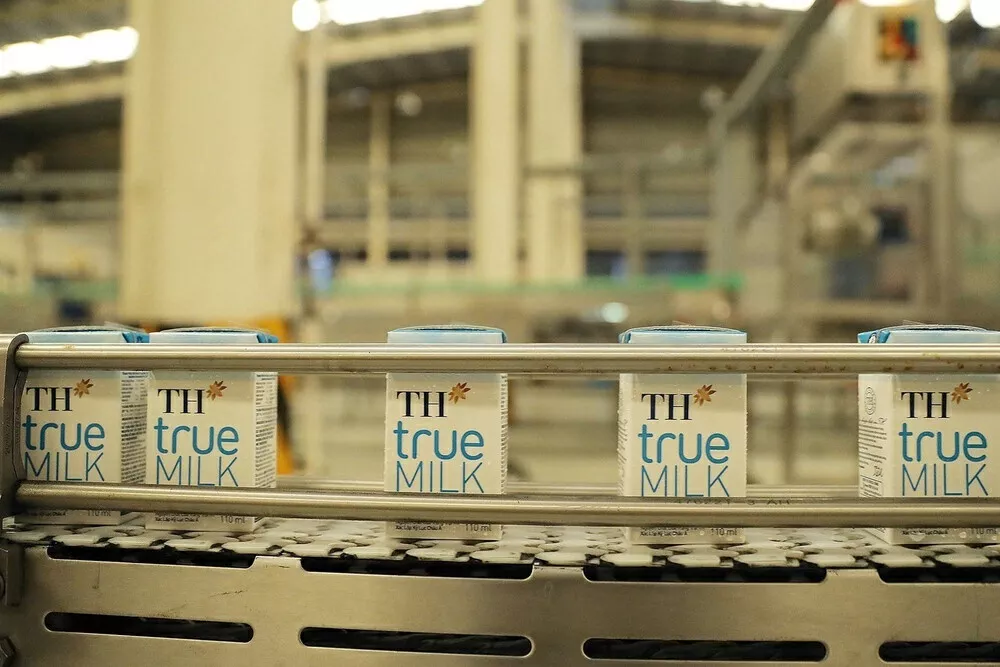 |
| 19 products or product groups from the TH Group are now recognised as National Brands in Vietnam. (Source: TH Group) |
One of the key challenges today is how to translate the success of individual businesses into the collective strength of Vietnam's national brand. In your view, how should the Government, industry associations and the business community work together to build an interconnected brand ecosystem, helping Vietnamese products and companies enhance their presence, reputation and competitiveness in international markets?
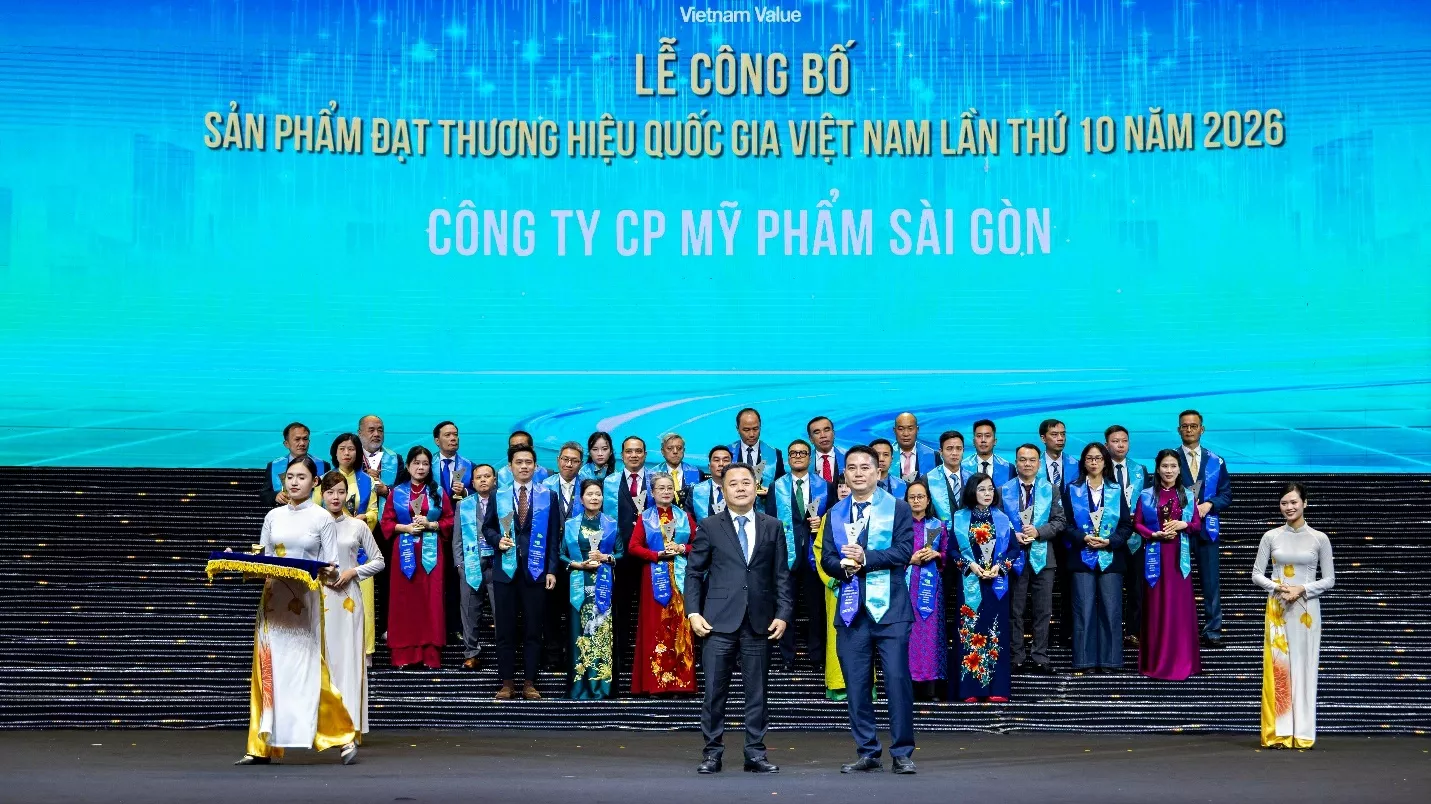
I believe the Vietnam National Brand Programme makes sense in principle. It creates visibility, sets quality standards and can thereby strengthen the self-confidence of Vietnamese companies. The current 227 award-winning companies clearly demonstrate that Vietnam can build on an increasingly broad entrepreneurial base. However, we should be aware that a national award is by no means a substitute for the test of the international markets. Above all, it is important that the selection of these national champions remains transparent and credible. I therefore view it as very positive that the authorities responsible for the programme have announced stricter criteria and a retrospective review of award-winning companies for the 2026 programme. These are essential prerequisites for a seal of quality.
According to official figures, the export revenues of the 227 companies recognised in 2026 amounted to only around 2.3 per cent of Vietnam’s total exports. This figure shows that there is certainly still room for growth. It is a promising start, but Vietnam and the Vietnamese economy should not rest on their laurels.
I believe that, through a series of forward-looking reforms – particularly over the last two to three years – the Vietnamese government has created a strong framework in this area. It will be international customers who ultimately decide which companies will succeed on the global market and become world leaders.
The government, trade associations and private companies should complement and support one another in this process: the state’s role is to enact robust legislation, protect intellectual property, establish an efficient administration, remove bureaucratic obstacles, provide a functioning infrastructure and make human capital available in the form of excellent education.
The role of trade associations is then to facilitate international market development, establish contacts, enable participation in trade fairs, promote sector-specific cooperation and, in particular, support small and medium-sized enterprises. I am thinking in particular of the VCCI’s Center for WTO and International Trade as well as the international chambers of commerce and business organisations.
It is then up to the companies to identify promising business opportunities and to grow there together with their customers. Innovation, investment, training, quality management and independent brands are their main tasks.
Even today, Vietnam’s integration into international value chains – including, in particular, the country’s many free trade agreements – offers excellent opportunities to build on this further.
Successful cooperation between the state, trade associations and the business community does not necessarily mean greater state control. It is essential for the state to establish a successful regulatory framework. Often, however, less regulation and greater entrepreneurial freedom are the better solution. Entrepreneurs make mistakes that can even lead to bankruptcy. This is part of a functioning market economy. And that is not too bad, as it ensures that the companies which have correctly recognised and seized the opportunities will prevail. The fact that these do not always have to be large corporations is particularly evident in my home country, Germany, where, although there are major brands such as BMW and Siemens, the backbone of the German economy is the German Mittelstand.
Against the backdrop of increasingly fierce global competition, what recommendations would you offer to Vietnamese businesses, particularly small and medium-sized enterprises, as they seek to build their brands and expand into international markets? In your view, what should Vietnam prioritise in the years ahead to enable more domestic companies to become leading representatives of the country, helping affirm Vietnam's position and national brand on the global economic map?
First of all, something very positive: Vietnamese companies are ambitious, creative and adaptable. These qualities have contributed significantly to the success of Doi Moi.
I can offer the following recommendations to Vietnamese SMEs:
Do not try to have a presence in every single market. Instead, identify a market niche in which you wish to become an international leader. German ‘hidden champions’ can serve as a model here. These are often relatively unknown medium-sized companies that rank amongst the world’s best in specialised markets with specialised products. For Vietnam, I see the following as particularly interesting sectors: specialised industrial suppliers, food processing, modern agricultural technology, software, industrial services, medical technology and selected high-quality consumer goods.
Perhaps start by identifying a suitable overseas market whose requirements you can get to know in detail. Look for a reliable local partner there – with the support of the relevant trade associations if necessary – and try to expand step by step from there.
Do not compete primarily on price, but rather on quality, long-term commitment, customer focus and reliability. Be sure to bear in mind your own trademark rights, as well as design, packaging and distribution.
Take advantage of digitalisation, as this can also enable smaller businesses to gain access to international markets. However, this requires professional marketing, staff with international training and language skills, reliable logistics and outstanding customer service.
In many cases, financing will also be a major challenge for Vietnamese SMEs. As a former banker, I can say that, above all, it comes down to transparent financial figures, robust business models and professional management if you wish to convince banks and investors to put money into your business.
Ultimately, I would also recommend that Vietnamese SMEs step up their collaboration with universities and vocational training institutions. After all, what universities need is input from the practical, business side. This will also help companies to recruit and train the skilled people they need.
And always bear this in mind: not every SME needs to become an international champion or a global brand. Even a reliable, highly specialised supplier can be successful internationally and contribute to Vietnam’s global reputation.
I am convinced that Vietnam’s economic future does not depend solely on the number of international corporations investing in Vietnam. It is at least as important how many successful Vietnamese companies emerge through their own efforts and contribute to the ‘Developed in Vietnam’ brand.