





Bringing the culinary colours of the Caribbean island nation closer to Vietnamese people: Cuban Ambassador
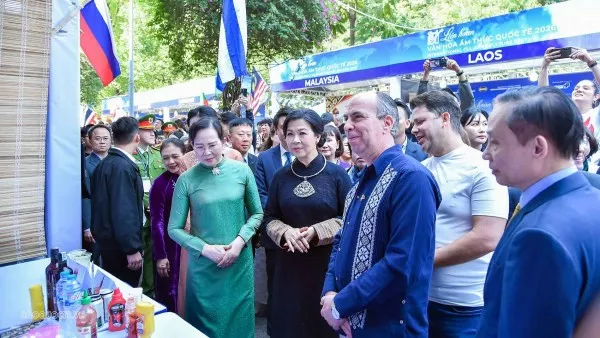
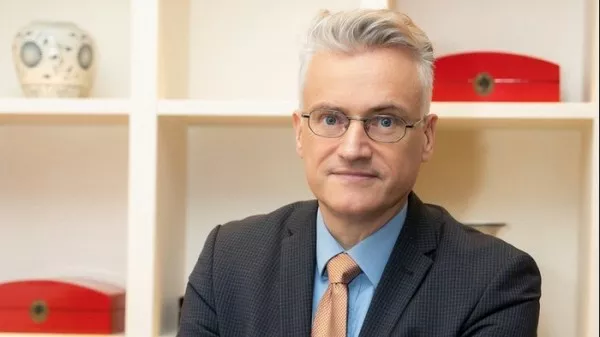
WVR - On the morning of 22 November, reporters from The World and Vietnam Report spoke with Cuban Ambassador to Vietnam Rogelio Polanco Fuentes about the distinctive features of Cuban cuisine and the significance of the International Culinary Culture Festival 2026.
Latest
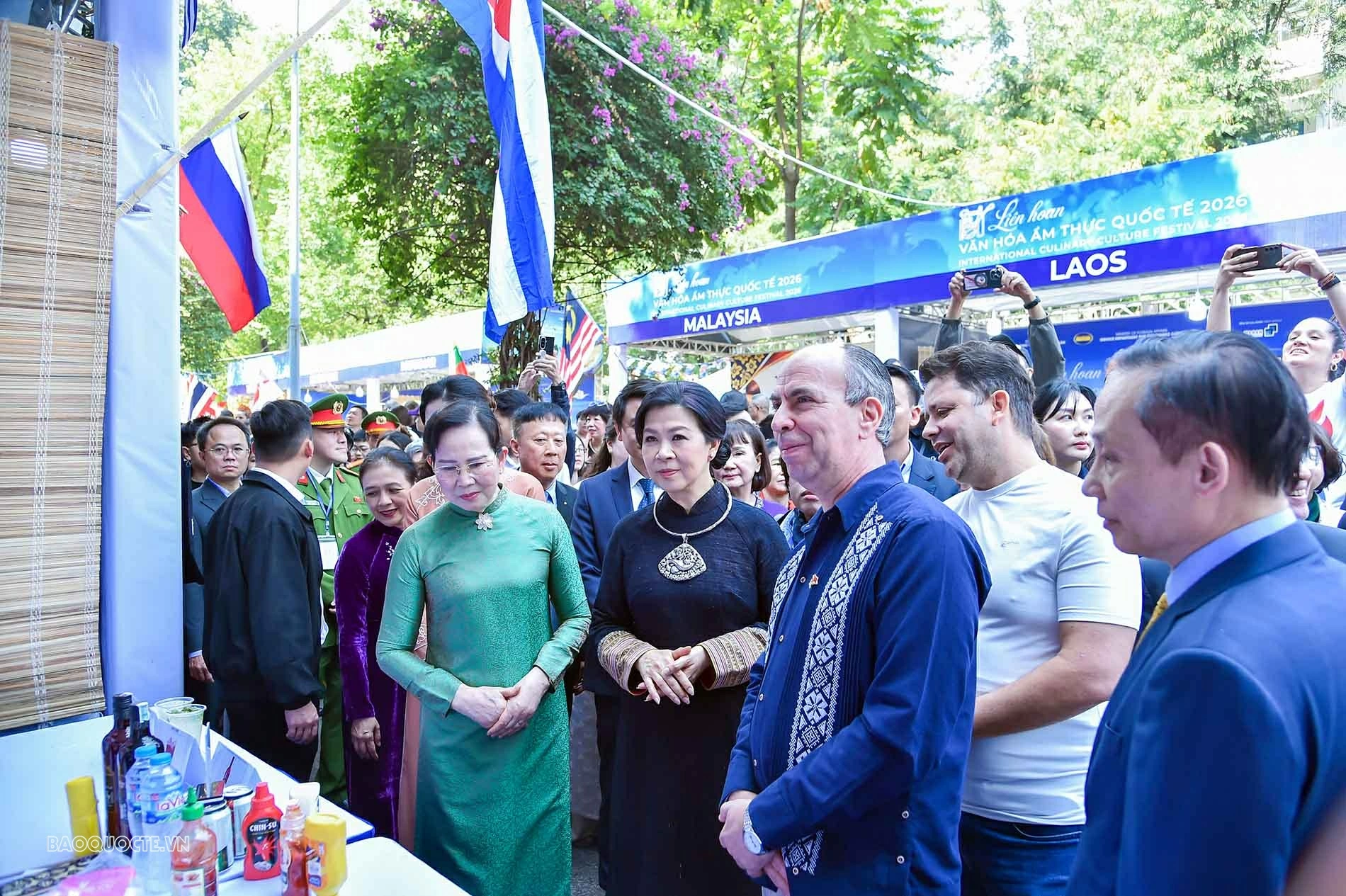 |
| Cuban Ambassador to Vietnam Rogelio Polanco Fuentes introduces traditional Cuban dishes and drinks to Madame Ngo Phuong Ly, spouse of General Secretary and State President To Lam, and other visitors to the Cuban Embassy's stand. (Photo: Quang Hoa) |
Sharing his impressions of this year's International Culinary Culture Festival, Cuban Ambassador Rogelio Polanco Fuentes described it as a special occasion to celebrate the friendship between Vietnam and countries around the world.
He considered the Festival one of Vietnam's most impressive annual international events, bringing together a large number of countries and international organisations.
According to the Cuban diplomat, cuisine is an integral part of every nation's cultural identity and serves as a means of connecting countries, fostering friendship, solidarity and goodwill among peoples.
“Seeing countries come together here to exchange cultures and share their distinctive flavours, I sense a powerful message that Vietnam is sending to the world: We want a peaceful world in which nations are connected through culture and the language of peace,” the Ambassador emphasised.
Adding to the lively atmosphere at the Cuban Embassy's stand was the participation of Cuban students currently studying at various universities across Vietnam. Volunteering their time, the young people helped run the stand, engaged with visitors and introduced aspects of their homeland's culture.
With their proficiency in Vietnamese, the students were able to converse easily with local visitors while gaining further opportunities to practise the language and promote Cuba's cuisine, customs and traditions.
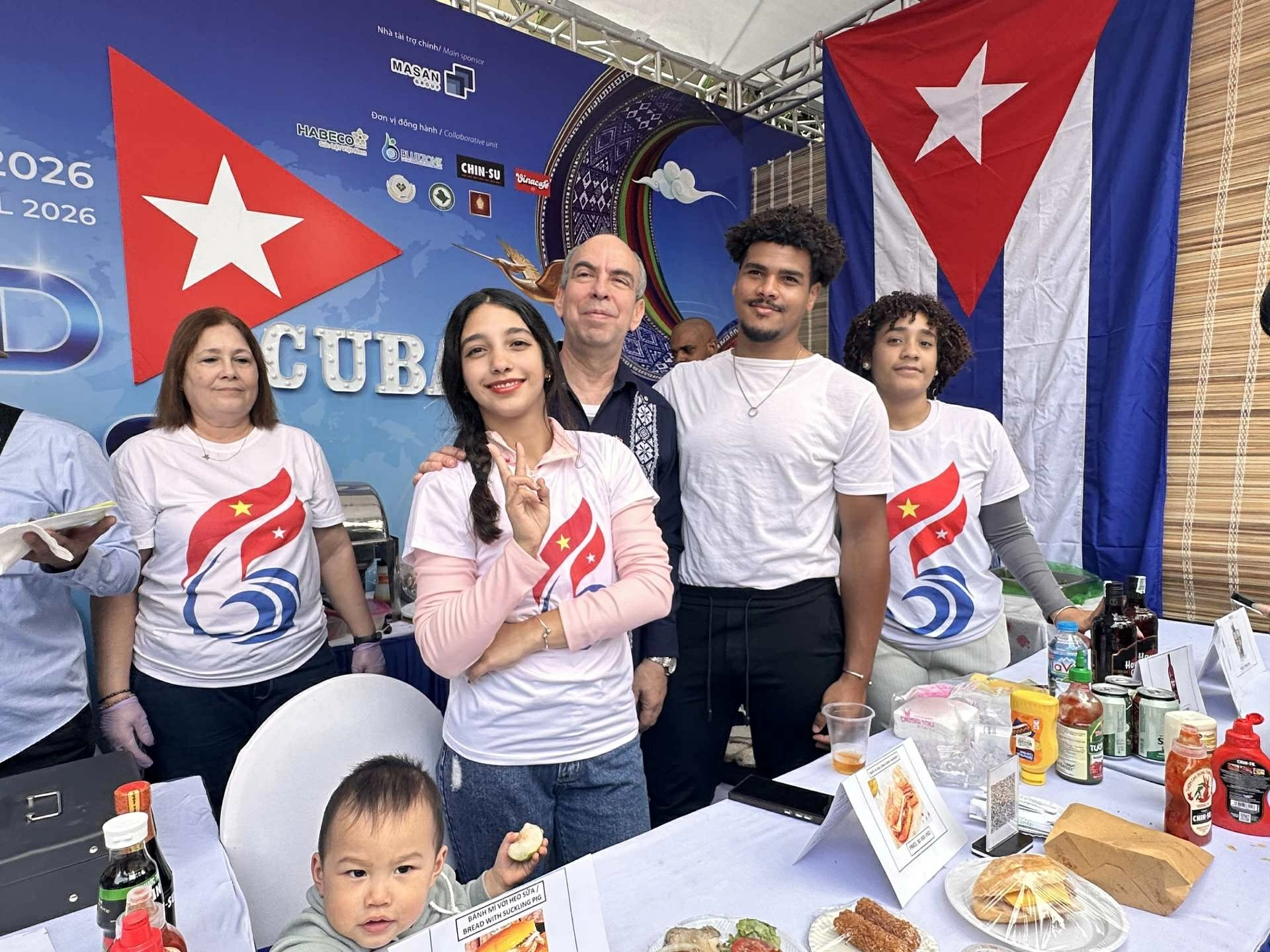 |
| Cuban students studying in Vietnam help with activities at the Cuban Embassy's stand. (Photo: Yen Vi) |
Ambassador Rogelio Polanco Fuentes noted that the Festival also offered Cubans an opportunity to deepen their understanding of Vietnamese culture and experience the close affection that Vietnamese people have for Cuba and its people.
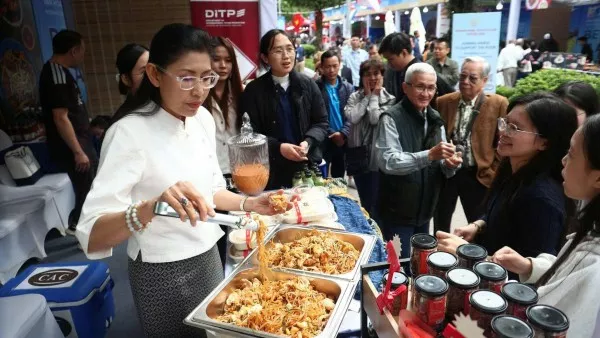
Introducing the menu at the Cuban stand, the Ambassador said one of its signature dishes was roast pork served with congrí (rice cooked with beans), accompanied by a tomato and lettuce salad. This is a familiar meal in Cuban culinary life, often enjoyed at family gatherings and during year-end celebrations.
Visitors could also sample the famous Cuban sandwich, filled with cheese and ham, alongside croquetas (fried croquettes filled with beef), both reflecting the distinctive flavours of the Caribbean island nation.
Alongside traditional dishes, the Cuban Embassy showcased characteristic drinks such as Cuban rum and popular cocktails, notably the Mojito and Cuba Libre. Made with Cuba's Havana Club rum and combined with ingredients such as lime and mint, depending on the recipe, these drinks offered visitors another opportunity to explore the richness of Cuban culinary culture.
Through the food, drinks and cultural exchanges at the stand, Ambassador Rogelio Polanco Fuentes hoped that Vietnamese audiences and international friends would gain a deeper appreciation of Cuba's distinctive cultural heritage.
Amid a gathering of diverse cultures, the Cuban Embassy's stand brought its own distinctive colours to the Festival through traditional dishes and warm encounters with visitors. These experiences gave further meaning to the message emphasised by Ambassador Rogelio Polanco Fuentes: Cuisine serves as a bridge that nurtures mutual understanding, strengthens friendship and promotes solidarity among nations.