
Vietnam–Angola relations enter a new phase, paving the way for ASEAN–African Union cooperation: Ambassador
WVR - On the eve of the State visit to Angola by President Luong Cuong and his spouse, accompanied by a high-level delegation from Vietnam, Vietnamese Ambassador to Angola Duong Chinh Chuc gave an interview to The World and Vietnam Report, highlighting the significance of the visit, as well as the potential for future bilateral cooperation and regional connectivity.
Latest
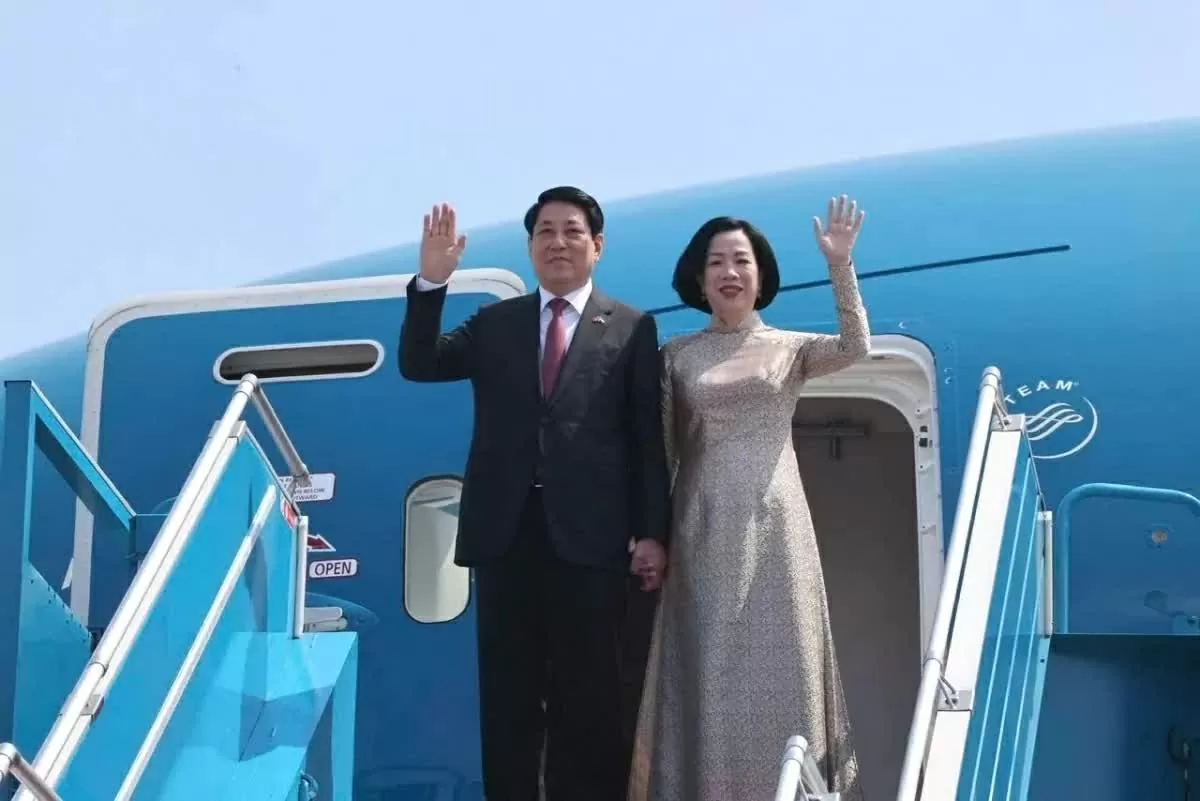 |
| President Luong Cuong and his spouse left Hanoi for a state visit to Egypt and Angola on the morning of August 3, 2025. (Photo: WVR) |
How does the Ambassador assess the significance of the State visit to Angola by President Luong Cuong and his spouse, especially as this year marks the 50th anniversary of the establishment of diplomatic relations between the two countries (12/11/1975 – 12/11/2025)?
At the invitation of Angolan President Joao Manuel Goncalves Lourenco and his spouse, President Luong Cuong and his spouse will pay a State visit to Angola from August 6 to 9.
This is the highest-level visit by a Vietnamese leader to Angola in many years, since the visits by President Tran Duc Luong in 2002 and Party General Secretary Nong Duc Manh in 2008. The visit holds significant importance in many aspects, especially as it takes place in 2025—a year of major commemorations for both countries: the 50th anniversary of the Liberation of the South and national reunification of Vietnam (April 30, 1975 – April 30, 2025), the 80th anniversary of Vietnam’s National Day (September 2, 1945 – September 2, 2025), the 50th anniversary of Angola’s Independence Day (November 11, 1975 – November 11, 2025), and the 50th anniversary of diplomatic relations between the two countries (November 12, 1975 – November 12, 2025).
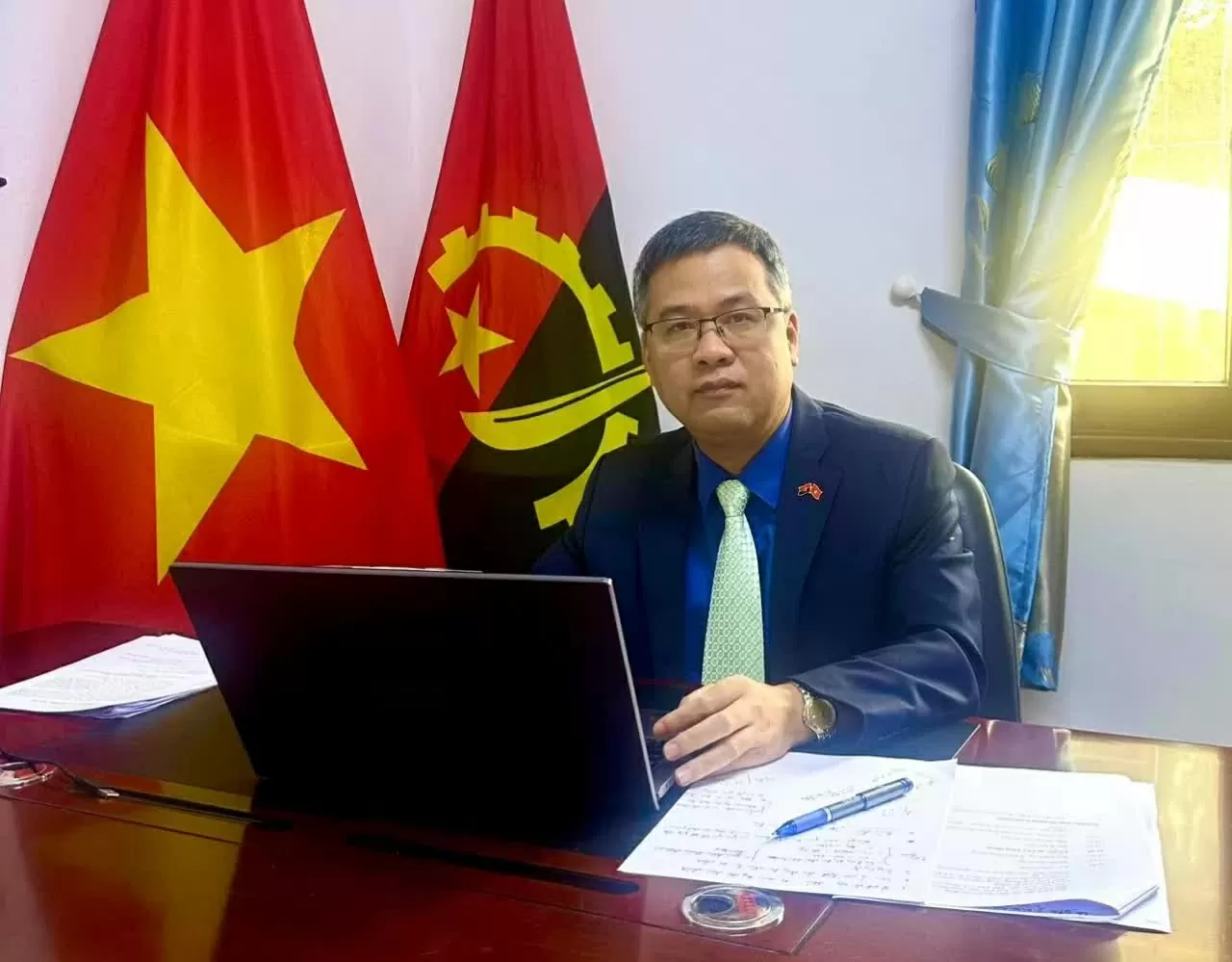 |
| Vietnamese Ambassador to Angola Duong Chinh Chuc. (Source: Vietnamese Embassy in Angola) |
Politically, the visit helps maintain high-level exchanges between the two countries, reinforcing mutual trust and understanding. It is also an opportunity for senior leaders of both sides to review the outcomes of past cooperation and to outline future directions and measures to strengthen bilateral ties, opening a new chapter in the development of the Vietnam-Angola relationship.
This visit is also of great significance as the two sides are expected to sign a number of legal documents between their governments, creating favorable conditions for citizens and businesses to enhance cooperation in economic and other sectors, as well as in citizen support and protection. The Embassy has received direct guidance from the leaders of the Ministry of Foreign Affairs of Vietnam and close coordination from relevant ministries and agencies of both countries during the review and preparation process.
In the context of a rapidly changing and complex global and regional landscape, where many countries are promoting a multipolar, multi-centered world order, the President’s visit to Angola—currently the rotating Chair of the African Union (AU)—also presents an important opportunity to strengthen Vietnam’s cooperation with the AU, Angola’s engagement with ASEAN, and to allow both sides to play a bridging role in ASEAN-AU relations.
How has the Vietnamese Embassy in Angola prepared for this important visit? What are your expectations for the outcomes and momentum it could bring to bilateral relations?
Understanding the importance of this visit, from the very beginning, the Vietnamese Embassy in Angola has been proactive and engaged in coordinating with relevant agencies of both countries to prepare for the visit.
The Embassy has worked with relevant institutions on both sides to review the status of bilateral cooperation, identify new initiatives, matters needing further promotion, existing difficulties requiring resolution, and propose appropriate solutions. The Middle East – Africa Department of the Ministry of Foreign Affairs played a central coordinating role in this process. This step is critical, as the success, substance, and feasibility of the visit largely depend on it.
Logistics, protocol, and security arrangements for the visit are also of paramount importance. Throughout this preparation process, the Embassy has received detailed guidance from domestic agencies and enthusiastic cooperation from Angolan counterparts.
This preparation and coordination have been maintained consistently from the early planning stages, through the advance mission, and throughout the duration of the visit itself.
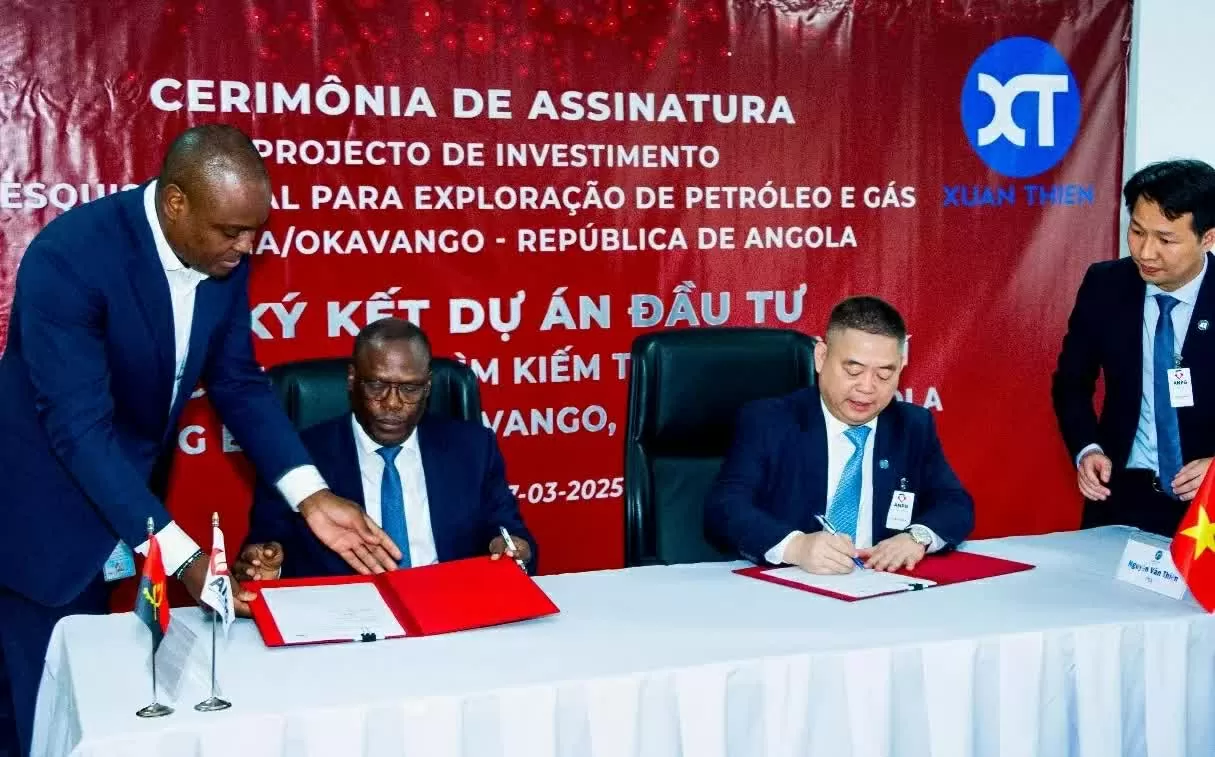 |
| Vietnamese enterprises approach the market and sign investment projects in Angola, March 2025. (Source: Vietnamese Embassy in Angola) |
Vietnam and Angola have a traditional relationship of friendship, having established diplomatic ties just one day after Angola declared independence. What would you say are the key highlights of the bilateral relationship over the past five decades, Ambassador?
Vietnam was one of the first countries to recognize Angola’s independence. Party-to-party relations were established first, followed by connections between state agencies. The smooth coordination between party and government institutions has laid the groundwork for the strong and enduring relationship we see today.
Vietnam proactively engaged in cooperation and supported Angola across various fields, most notably by sending medical and education experts to assist Angola in its early post-independence days, which were full of challenges and uncertainty.
In meetings, many Angolan leaders have proudly shared that they were treated by Vietnamese doctors, taught by Vietnamese teachers, and learned about Vietnam’s struggle for independence—historic victories such as Dien Bien Phu and April 30th. They’ve also heard stories about President Ho Chi Minh, which left a lasting impression.
However, what stands out most in the Vietnam–Angola relationship is not just the support in those early days. What is truly remarkable is Vietnam’s loyalty and consistency in maintaining its partnership with Angola. Angolan leaders highly value Vietnam as a country that never turned away from them—even in Angola’s most difficult times. This unwavering commitment has fostered mutual trust and sustained the bond between the two nations over the past 50 years.
In your view, what should Vietnam and Angola do to make their cooperation more effective and substantive in potential and strategic areas, contributing to the socio-economic development of both countries?
While developing bilateral relations may face certain challenges, the overall conditions are favorable. The strong and friendly relationship between the two countries is the most solid foundation for advancing cooperation. Although Angola has multiple political parties, all of them support strengthening ties with Vietnam.
Angola is a country with great development potential. It has a large, youthful workforce, high demand for consumer goods, and a government that is actively promoting economic diversification and boosting domestic production—particularly in agriculture and consumer goods. It is also prioritizing investment in transportation and telecommunications infrastructure. At the same time, Vietnam is ramping up its global exports, and Vietnamese businesses are expanding outward. This is a prime moment for both sides to deepen cooperation.
I believe several measures are needed to develop and strengthen bilateral relations:
First, maintain the exchange of high-level and lower-level delegations through Party, Government, National Assembly, and people-to-people channels.
Second, continue reviewing and finalizing legal documents between the two countries to create a favorable legal basis for cooperation across various sectors.
Third, both sides should take the initiative to promote mutual visits and exchanges to better understand each other’s strengths and needs, resolve difficulties, and proactively share information—especially on key products and projects that need promotion.
Fourth, promote more dynamic people-to-people, cultural, and educational exchanges; strengthen tourism cooperation; and provide more scholarships for Angolan students and trainees.
Fifth, maintain regular communication with each other’s representative agencies to expand support on the ground.
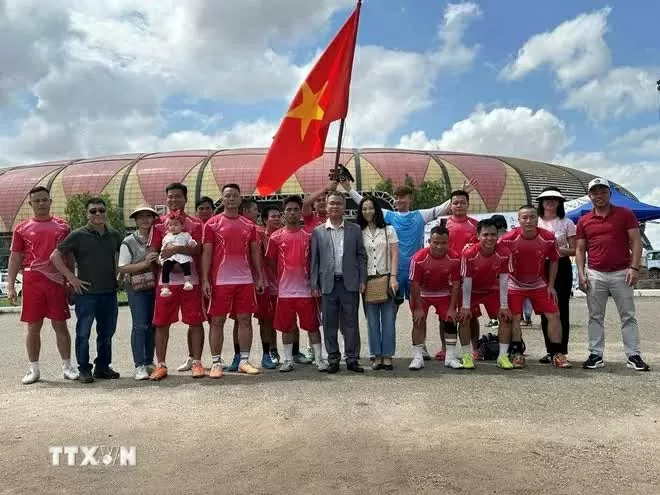 |
| The Vietnamese Ambassador to Angola took a group photo with the Vietnamese community football team in Angola, May 2025. |
The human and community element has always been a strong bond that ties the Vietnam–Angola friendship. Could you share the Embassy’s efforts to promote and spread the strength of the community as a driving force for multifaceted cooperation between the two countries?
The Vietnamese community in Angola is the largest in Africa, currently numbering around 10,000 people. However, this is only about one-fifth of its size during the early to mid-1990s. Among them are a few medium-sized business owners, but the majority are small traders or workers employed by Vietnamese or foreign companies operating in the country.
In recent years, especially since mid-2023, the community has faced numerous difficulties in their livelihoods and business activities, but everyone has shown resilience and determination to overcome the challenges.
The Vietnamese community in Angola has always been united, patriotic, and deeply attached to their homeland. They consistently support the policies of the Party and State, abide by local laws, and maintain a strong spirit of mutual assistance and solidarity.
In terms of associations, there is the Vietnamese Association in Angola, which recently completed the reorganization of its Executive Committee for the 2025–2030 term. The association continues to serve as a firm support system for the Vietnamese community in Angola.
In addition, the Vietnamese Business Association in Angola was established and officially began operations in mid-June 2024. This organization consists of Vietnamese entrepreneurs with deep knowledge and experience in Angola. It not only serves as a support network for Vietnamese businesses operating locally, but also acts as an extended arm and active support force for Vietnamese enterprises seeking to enter the Angolan market—particularly in networking and information sharing.
What has impressed you the most about this Central African nation, Ambassador?
Angola is a vast country, covering more than 1.2 million square kilometers. It is rich in natural resources, with "golden forests and silver seas," and possesses enormous development potential. While it still faces many challenges, Angola has consistently demonstrated responsibility toward the continent. The country actively participates in development forums, plays the role of mediator in regional conflicts, and has emerged as a key player within the African Union (AU).
What impresses me the most is that despite nearly 500 years of colonial rule, Angola has always remained resilient. It has preserved its cultural identity; ethnic languages continue to be used alongside Portuguese, and the nation’s cultural heritage remains distinct and unblended.
Breathtaking landscapes, abundant resources, and a self-reliant, resilient people—these are the defining and admirable features of Angola and its citizens.
Thank you very much, Ambassador!
| "In the context of a rapidly changing and complex global and regional landscape, where countries are pushing for a multipolar and multi-centered world, this State visit by the President of Vietnam to Angola—currently the rotating Chair of the African Union (AU)—is also an important occasion to strengthen cooperation between Vietnam and the AU, and between Angola and ASEAN. It is a valuable opportunity for both sides to serve as bridges in advancing ASEAN–AU relations." (Ambassador Duong Chinh Chuc) |
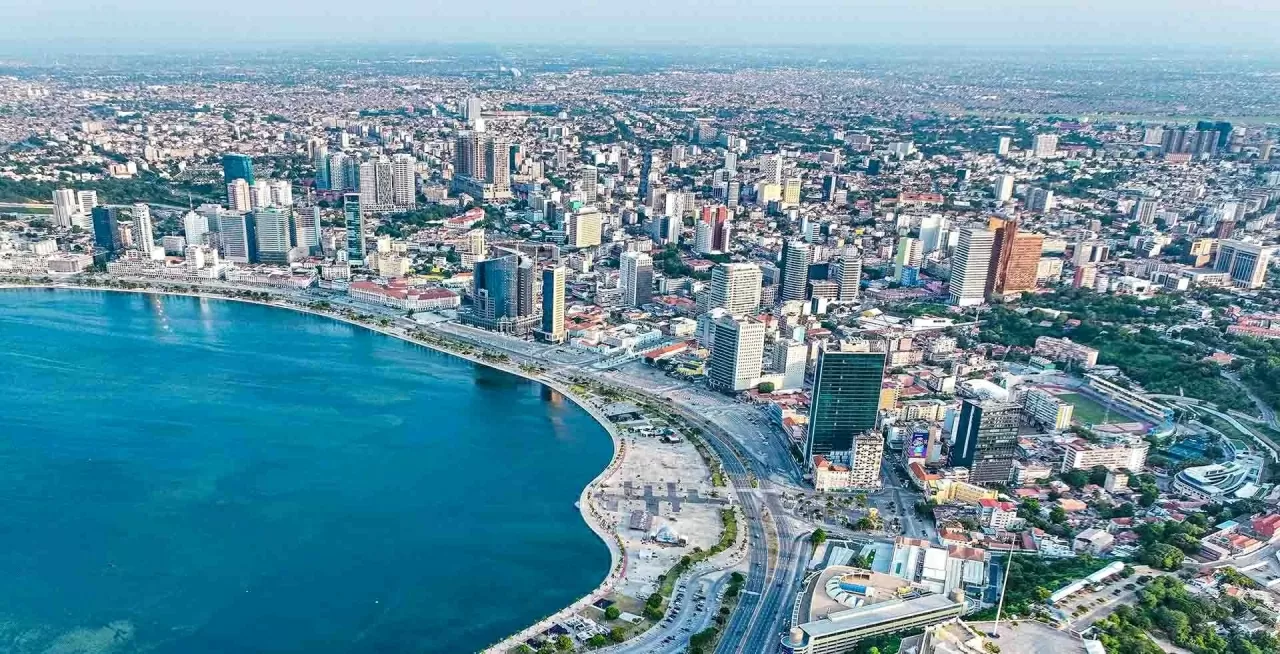 |
| Luanda, Angola. (Source: Puolotrip) |