





Trust, sincerity, and unity: The power propelling Vietnam’s global rise
WVR - After 81 years of independence, Vietnam has not only solidified its position on the international stage but has also become a reliable partner to many nations. Behind this journey lies a steadfast foreign policy, national unity, and an approach based on trust and sincerity in international relations.
Latest
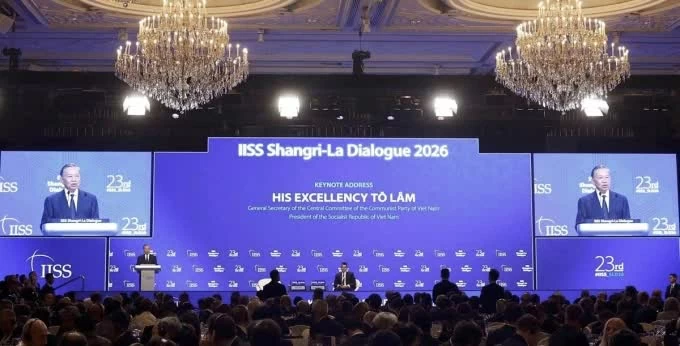 |
| The power propelling Vietnam’s global rise: General Secretary, President To Lam speaks at the Shangri-La Dialogue 2026. (Photo: Bao Chi) |
It can be said that Vietnam is gradually becoming a model of turning “enemies” into “friends”. Today, our country is not only part of a constantly changing world but also an active contributor to shaping the future with a courageous spirit and a commitment to the common interests of the international community, demonstrating a strong commitment to promoting global peace and stability.
Many questions have been raised about why Vietnam, a country that has suffered extreme pain and hardship from war, poverty, and embargoes, has not only survived but has risen proudly and confidently, becoming a symbol of tolerance, openness, loyalty, and unity in a world with a complex, unstable, and suspicious geopolitical context. What is Vietnam's secret?
Looking back at the history of international relations, few nations have endured as much sacrifice and loss due to war and division as the Vietnamese people. More than anyone, we cherish and value every moment of peace and the values of peace, cooperation, unity, and development. At the same time, we understand that for a country to rise strongly, with a bright future and prosperity for its people, it must first have political stability, economic development, and maintain balance in international relations.
Therefore, over the past 80 years, under the leadership of the Party and beloved Uncle Ho, Vietnam has persistently pursued a steadfast, consisten foreign policy of independence, and self-reliance with strategic vision, diversifying and multilateralizing its relations. The flexible application of Ho Chi Minh's diplomatic ideology, style, and art under the motto “De bat bien, ung van bien” (unchanging in principles, flexible in strategies), along with the art of "five knowings" (knowing oneself, knowing others, knowing the times, knowing when to stop, and knowing how to change) has helped Vietnam's diplomacy remain steadfast, proactive, creative, and sensitive in both adhering to the principles of safeguarding national interests and managing complex and delicate international relations to serve the country.
The Vietnamese people have tirelessly strived, suppressing their pain to " leaving the past behind, overcoming differences, promoting similarities, and looking towards the future," turning foes into friends, transforming confrontation into dialogue, while cooperating and struggling, turning adversaries into partners. This is also one of the factors that create the spiritual strength for Vietnam to overcome the past, garnering support from both adversaries and friends.
The core perspective in promoting Vietnam's international relations is “trust, sincerity, and unity”, because “trust erases hatred and differences; trust is the prerequisite for ensuring all cooperation is strong, effective, and substantial”. Meanwhile, sincerity helps parties enhance sharing, empathy, and strengthen hope and trust. Additionally, “domestic unity creates the strength of each nation, people, and the entire populace”, while “international unity, upholding multilateralism, will create global strength”.
Throughout the history of Vietnam's revolution, these perspectives have been validated by five specific examples:
Steadfast in a peaceful foreign policy, prioritizing dialogue
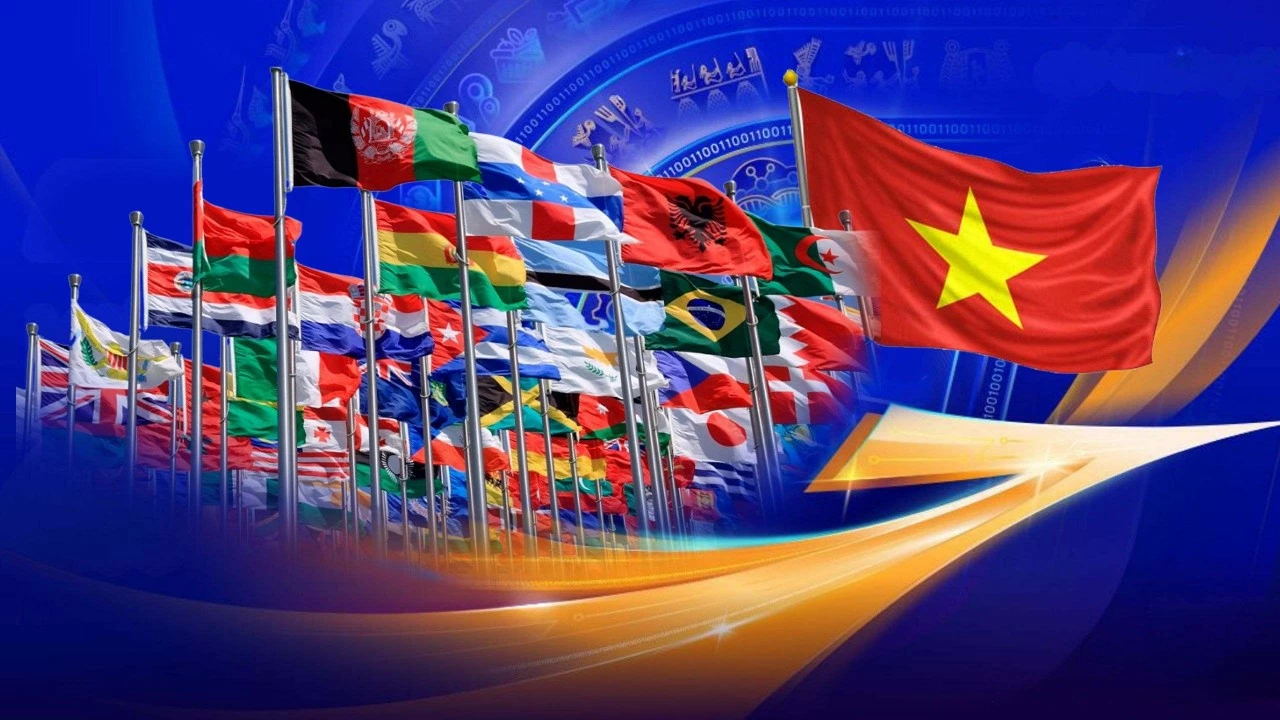 |
| Dialogue, cooperation, and respect for international law are the consistent principles in Vietnam's foreign policy. (Photo: WVR) |
Vietnam consistently pursues a foreign policy of peace, friendship, cooperation, and development, while steadfastly implementing the "4 no’s" defense policy: no military alliances; no foreign military bases or using Vietnamese territory against other countries; no aligning with one country against another; no use or threat of force in international relations.
Even in the most challenging moments of history, as long as there is an opportunity to avoid conflict through peaceful means, Vietnam always prioritizes dialogue and negotiation. For instance, the decision to sign the Preliminary Agreement on March 6, 1946, is a typical example of this consistent policy, reflecting the desire to maintain peace and buy time to avert the threat of war.
Building strategic trust, expanding partnerships for peace and development
Vietnam always considers building "strategic trust" as the foundation for developing relationships and promoting cooperation between nations. This is first demonstrated by continuously strengthening friendly relations with the three neighbouring countries sharing borders: Laos, Cambodia, and China.
These are relationships that have undergone many historical challenges, nurtured by a tradition of solidarity, mutual assistance, and support through different developmental stages, while playing a particularly important role in the security and development of Vietnam, Laos, Cambodia, and China.
In this spirit, Vietnam always values maintaining great friendship, special solidarity, and comprehensive cooperation with Laos, while sustaining good neighbourly relations, traditional friendship, comprehensive, long-term, and sustainable cooperation with Cambodia. This is one of the top priorities in Vietnam's foreign policy.
Regarding China, Vietnam aims to maintain close relations in both political and economic fields, while addressing disagreements, including the East Sea issue, through dialogue, based on mutual respect for legitimate interests, avoiding conflict. Developing relations with China is an objective requirement, a strategic choice, and one of the important priorities in Vietnam's foreign policy of independence, self-reliance, diversification, and multilateralization, along with the "4 no’s" defense policy.
In 2023, the two countries issued a Joint Statement on continuing to deepen the Comprehensive Strategic Cooperative Partnership, promoting the building of a Vietnam-China Community of Shared Future with strategic significance, thereby expanding cooperation in economy, trade, and regional border connectivity.
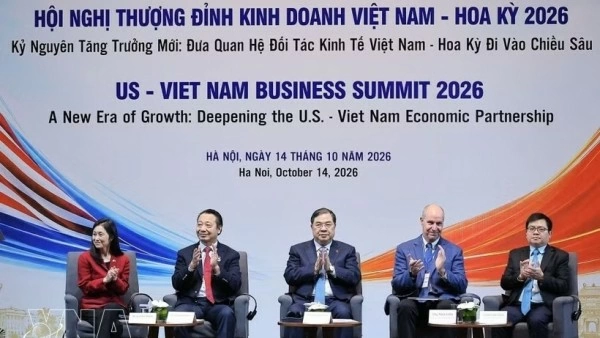
Additionally, the Vietnam-U.S. relationship is also a vivid example of the policy "leaving the past behind, overcoming differences, promoting similarities, and looking towards the future,", transforming confrontation into dialogue, turning former foes into partners. The milestone of elevating relations to a Comprehensive Strategic Partnership in 2023 clearly reflects this spirit.
Even before normalizing relations, Vietnam proactively promoted cooperation through humanitarian activities such as searching for the remains of missing U.S. soldiers, contributing to settlement of post-war issues. The sincere approach, prioritizing humanitarian interests over differences, laid the groundwork for the U.S. to lift the embargo, normalize relations in 1995, and subsequently expand cooperation in various fields.
Vietnam-U.S. trade relations have also grown nearly 300 times, from about 450 million USD in 1995 to approximately 155 billion USD in 2025. Currently, the U.S. is Vietnam's largest export market, while Vietnam has become one of the U.S.'s important trading partners. After signing the Bilateral Trade Agreement (BTA) in 2000, the two countries continuously expanded cooperation in defense, energy, science and technology, human rights, and many other fields based on mutual respect for each other's interests.
Simultaneously, Vietnam actively establishes and upgrades relationship frameworks with many important partners. To date, Vietnam has Comprehensive Strategic Partnerships with 14 countries, including China, the Russian Federation, India, Republic of Korea, the U.S., Japan, Australia, France, Malaysia, New Zealand, Indonesia, Singapore, Thailand, and the United Kingdom; along with many other Strategic and Comprehensive Partners.
These results not only enhance Vietnam's position in the Asia-Indian Ocean-Pacific region but also strengthen trust with partners, demonstrating the ability to balance relations with major powers flexibly and effectively. As a result, Vietnam increasingly elevates its geopolitical position, attracting investment and technology, and is regarded by many countries as a stable pillar in Southeast Asia.
Deep economic integration, driving growth and elevating national status
Promoting economic development linked with deep international integration has helped Vietnam rise to become one of the 20 dynamic economies with high and sustainable growth rates, while also being among the countries with the largest trade scale and foreign investment attraction capabilities in the world. Additionally, Vietnam is currently one of the economies with high openness, with 17 new-generation free trade agreements (FTAs) signed, while maintaining economic-trade relations with 230 countries and territories.
One of the important factors attracting leading global technology corporations to choose Vietnam is the determination to continue reforming, improving investment attraction policies, simplifying administrative procedures, and being ready to comply with international standards. Additionally, the spirit of "harmonizing benefits, sharing risks" that Vietnam pursues in relations with the business community also contributes to strengthening investors' confidence.
Moreover, the presence of major technology corporations is becoming an important driving force helping Vietnam make breakthroughs in digital transformation, green transformation, developing the semiconductor industry, chip design, innovation, and artificial intelligence (AI). This is also the foundation for Vietnam to implement projects on innovation, financial centers, and 4.0 technology centers, preparing for a new era of the nation.
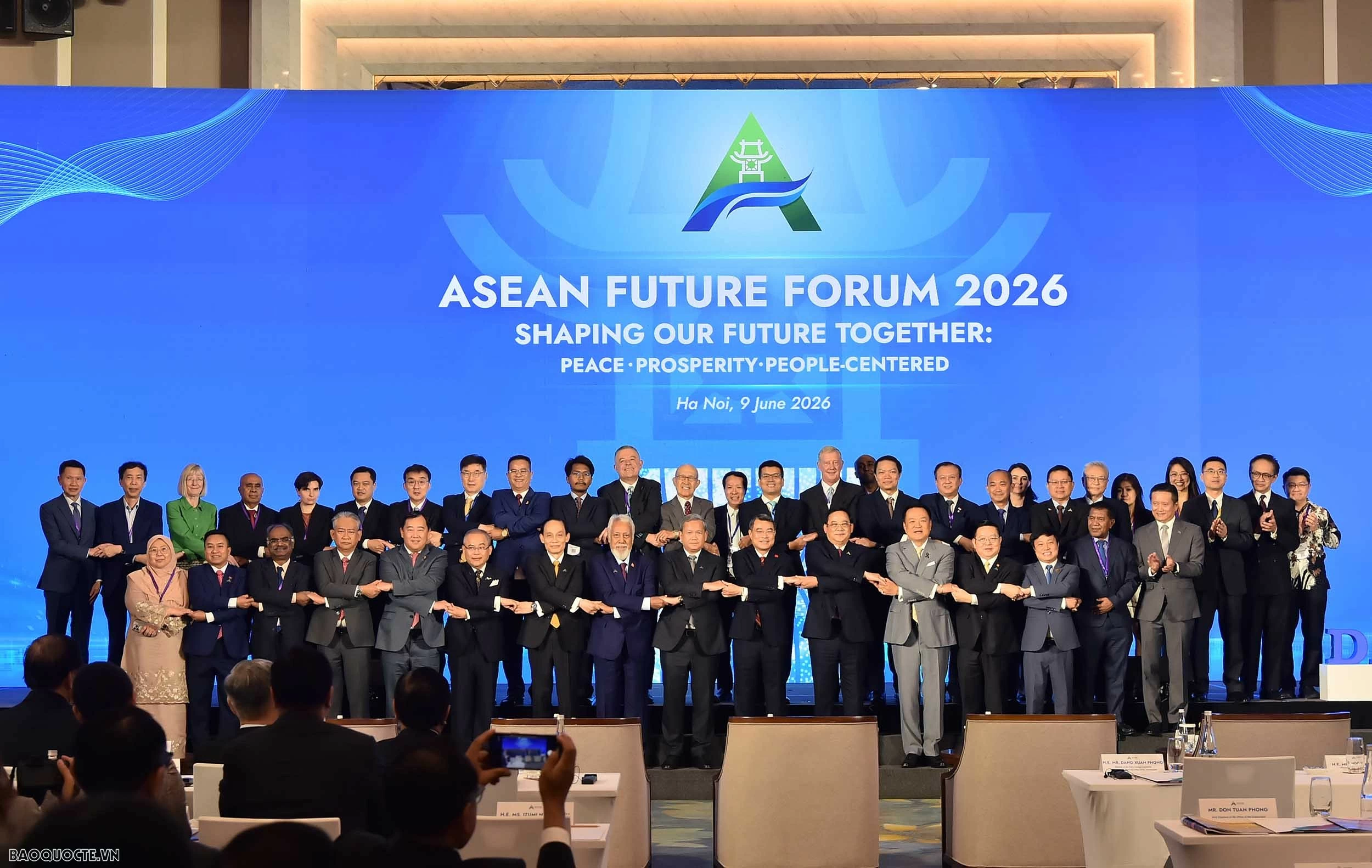 |
| Leaders and delegates attending the ASEAN Future Forum 2026 take a commemorative photo in Hanoi, sending a strong message of a peaceful, prosperous ASEAN, centered on people and proactively contributing to global issues. (Photo: Quang Hoa) |
Proactively engaging in multilateral institutions, enhancing international role and prestige
Vietnam's proactive participation in multilateral organizations and mechanisms is not merely reflected in the number of forums but also represents a developmental process, from learning to integrate to actively contributing, leading, building trust, and gradually enhancing its position on the international stage.
In addition to actively participating in multilateral mechanisms such as the United Nations (UN), the Association of Southeast Asian Nations (ASEAN), the Asia-Pacific Economic Cooperation (APEC), the expanded G7, the expanded G20, or the Organisation for Economic Co-operation and Development (OECD), in June 2025, Vietnam became a partner of the BRICS group of emerging economies. This step demonstrates the desire to contribute more to elevating the voice of developing countries, promoting international solidarity, and strengthening inclusive and comprehensive multilateralism based on respect for international law.
At the same time, Vietnam not only participates but also takes on many responsibilities at international forums. Twice elected as a non-permanent member of the UN Security Council in the 2008-2009 and 2020-2021 terms, Vietnam left a mark through many initiatives, contributing to efforts to promote peace, combat terrorism, and support development.
In 2020, as ASEAN Chair, Vietnam successfully organized online conferences amid the COVID-19 pandemic, while proposing many initiatives to maintain connectivity and promote cooperation throughout the bloc. During the 2024-2025 period, Vietnam continued to play an active role in leading ASEAN initiatives on the digital economy and climate change response, thereby contributing to strengthening ASEAN's role and Vietnam's position in the region.
These contributions reflect Vietnam's responsibility, sincerity, and solidarity with the international community. At the same time, they affirm the image of a positive, responsible nation, always ready to contribute to peace, security, and sustainable development globally, thereby continuing to enhance international prestige and status.
Vietnam's soft power: Culture, People, and Trust
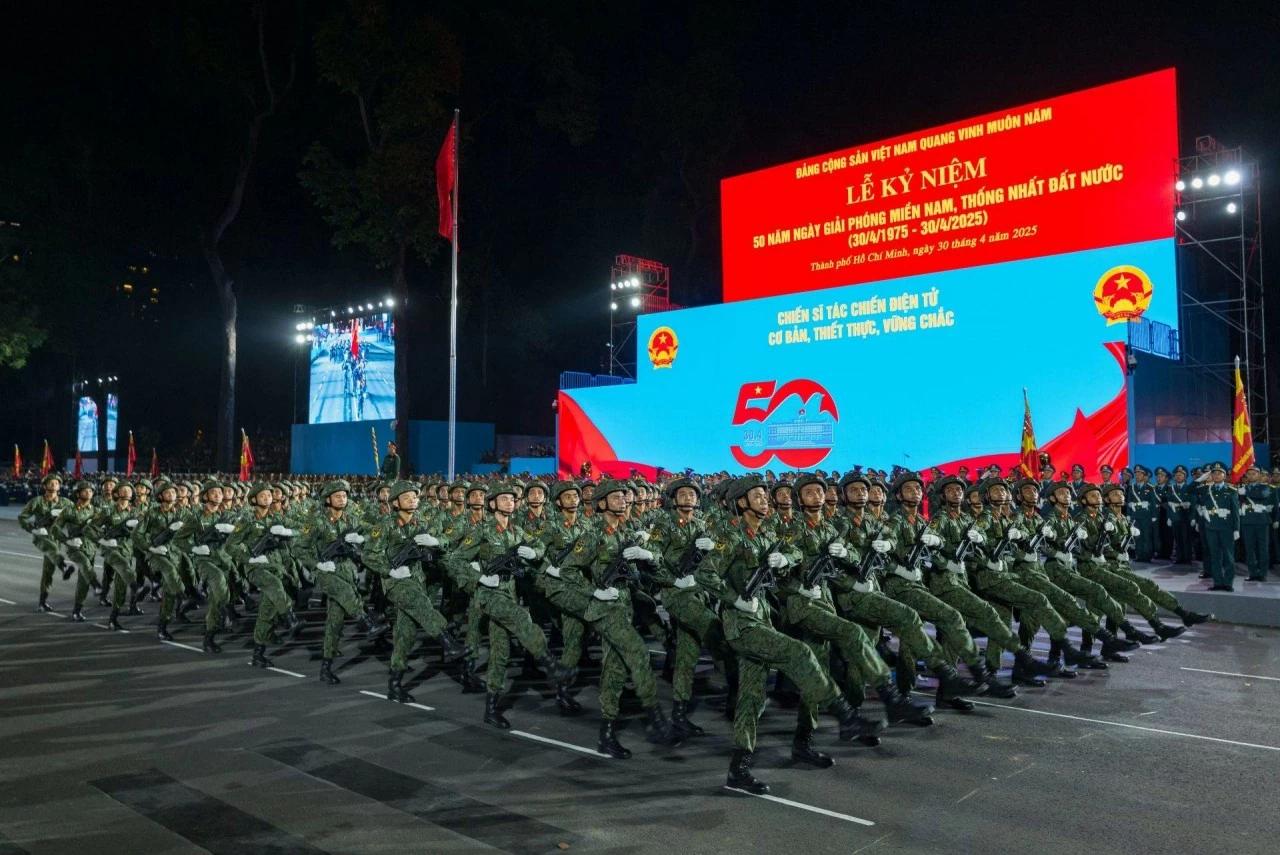 |
| The 50 th anniversary of Liberation of the South and National Reunification (A50) parade leaves a mark with its heroic spirit, demonstrating unity and national pride. (Photo: WVR) |
One of the other important factors that help Vietnam make an impression on international friends is the soft power formed from a rich history, cultural exchange, and the humanistic values in the lifestyle of kindness, moral respect, hospitality, openness, sincerity, loyalty, and unity of the Vietnamese people.
The image of Vietnamese blue-helmeted soldiers diligently supporting children and women in distant African countries, agricultural engineers tirelessly working in the fields of Cuba, or the movement to support and assist Cuba during difficult times has left many impressions, touching the hearts of millions worldwide.
Vietnam's soft power not only comes from the State's foreign activities but is also nurtured from the humane behavior of domestic people and over six million overseas Vietnamese; from how we welcome international friends; from the treasure of cultural heritage, rich cuisine; from people-to-people diplomacy activities, cultural weeks, and performances organized in many countries. In 2025 alone, major events like A50, A80, and the Vesak Festival contributed to spreading Vietnam's image, attracting millions of views worldwide.
It can be concluded that culture is the source of Vietnam's vitality and appeal in the era of deep integration. It is also the foundation for spreading Vietnamese values to the world, becoming one of the factors that create the strength and attraction of the country.
The secret to Vietnam's strength lies in the great national unity and the consensus of the entire political system under the leadership of the Party. In this overall strength, Vietnam's foreign affairs are always closely linked with defense, security, economy, and culture to fulfill the task of national development while contributing to enhancing national status. Through flexible and creative strategies, Vietnam's diplomacy has contributed to maintaining independence, self-reliance, and preventing the country from falling into a passive or dependent position amid competition among major powers.
In summary, today, Vietnam is not only an active member of the international community but also an important bridge for peace and sustainable development. One of the factors contributing to this success is the trust the world places in Vietnam's sincerity. This trust will continue to be nurtured on the universal values of humanity and the good traditions of the Vietnamese people: unity, loyalty, and benevolence.


