




Thai Hai Village: International recognition goes hand in hand with responsible tourism development
WVR - Once honoured by the United Nations World Tourism Organization (UNWTO) as the “Best Tourism Village in the World” in 2022, the Thai Hai Ethnic Eco-Stilt House Village Conservation Area faces the demand to enhance service quality, expand experiences, and ensure livelihoods suitable for local conditions.
Latest
Located in Tan Cuong Commune, Thai Nguyen Province, about 10 km from the provincial center, the Thai Hai Ethnic Eco-Stilt House Village Conservation Area spans approximately 25 hectares. It features 30 original Tay and Nung stilt houses relocated from ATK Dinh Hoa for restoration, along with conservation, culinary, resort, and recreational areas.
Preserving village spirit, creating unique appeal
Thai Hai's uniqueness lies in preserving culture linked with daily life. The stilt houses undertake specific tasks, from tea processing, wine brewing, and traditional medicine preparation to meal preparation. Residents live, work, maintain the landscape, and welcome guests.
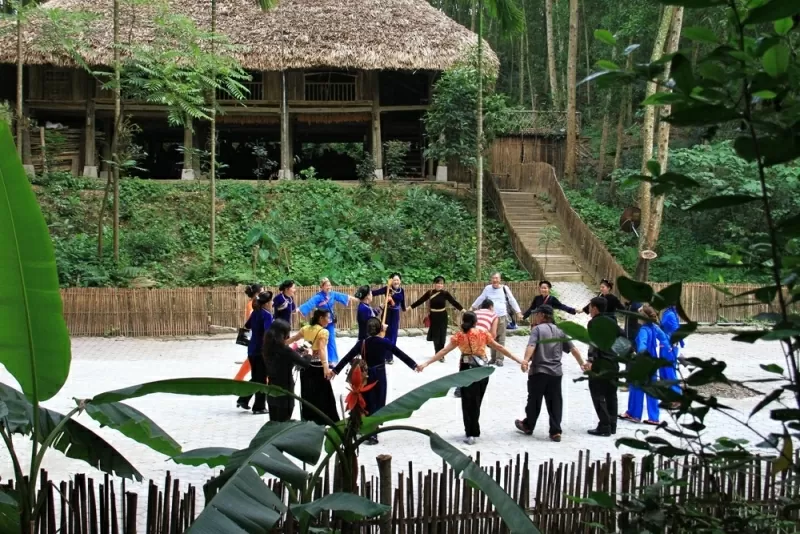 |
| In Thai Hai Village, villagers maintain a self-sufficient lifestyle, maximizing natural resources and preserving traditional cultural values. (Photo: D.L) |
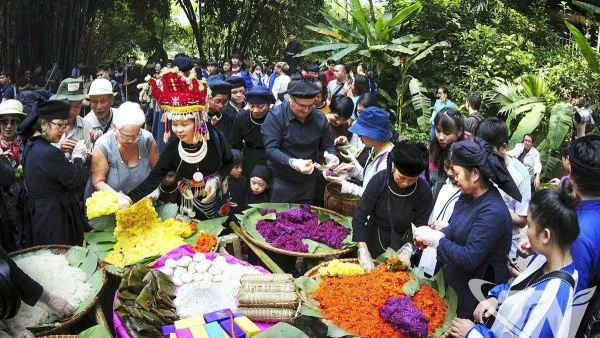
Tay culture is evident through architecture, attire, cuisine, customs, and folk art. Then singing, Tinh instruments, games, and festivals like Long Tong, baby worship, and New Rice Festival offer visitors insights into the community's spiritual life. Traditional dishes, handicrafts, tea, and herbal knowledge enrich the experience.
The model requires the community to share the responsibility of preserving stilt houses, forests, water sources, and landscapes. Residents need to agree on regulations, maintain cleanliness, protect communal spaces, and pass on skills to younger generations. The bond between residents' lives and guest activities creates authenticity, an advantage for tourists seeking deep experiences.
Thai Hai transforms cultural values into recognizable tourism products. The “Tay Ethnic Cultural Tourism, Thai Hai Village” product achieved a national 5-star OCOP rating; the conservation area received the ASEAN Homestay Award. At the Vietnam Tourism Awards 2025, Thai Hai was honored in two categories: “Best Community Tourism Destination” and “Best Tourist Dining Service”.
New awards and destination status
The “Best Tourism Village in the World” title awarded by UNWTO in 2022 marked the first international milestone. The program recognizes exemplary rural villages for cultural preservation, economic development, landscape conservation, and sustainable tourism. Thai Hai is the first village in Vietnam to be honored. The title expands recognition while setting the requirement to maintain the community's central role and environmental protection.
On July 10, 2026, Thai Hai received the Gold Award in the “Promoting Cultural Diversity” category at the Southeast Asia Responsible Tourism Awards 2026, within the framework of the 6th International Conference on Responsible Tourism and Hospitality in Miri, Malaysia.
The award, organized by the International Center for Responsible Tourism in Southeast Asia in collaboration with the Borneo Responsible Tourism Organization, acknowledges over 20 years of preserving Tay culture, forest protection, and environmental conservation.
In 2026, Thai Hai was also awarded the “Best Tourism Village” title at the first VITA AWARDS organized by the Vietnam Tourism Association in Ninh Binh. Regional and domestic professional organization recognitions demonstrate the model's persuasiveness. If the UNWTO title in 2022 opened international doors, the new awards emphasize cultural responsibility and quality development.
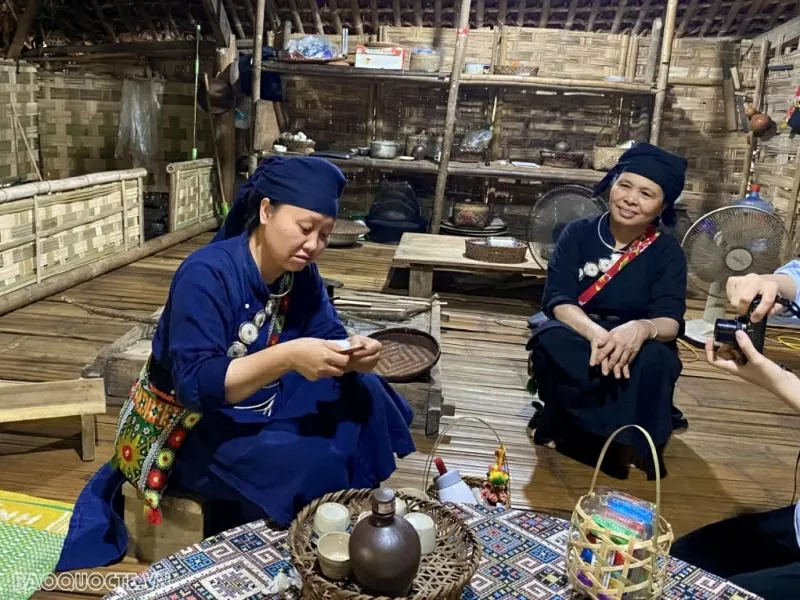 |
| Many visitors here are intrigued and wonder how over 150 people have maintained this lifestyle for many years. (Photo: Phuong Thao) |
Thai Hai has over 150 residents from various ethnic groups, welcoming thousands of visitors annually from more than 40 countries. The ability to access international markets requires diversifying services, enhancing communication skills, and deepening the introduction of Tay culture, stilt houses, cuisine, and folk knowledge.
To meet demand without losing identity, the village adds experiences like the Golden Bridge, Silver Bridge, Tay New Year space, and herbal foot baths. Festivals also provide opportunities for guests to immerse themselves in local life. New products can extend stays and increase spending but must align with culture, landscape, and service capacity; avoiding turning traditional activities into mere photo opportunities.
A notable aspect of Thai Hai is that culture is not reenacted as a performance program for tourists but is present in the community's everyday life.
According to Nguyen Thi Thanh Hai, Director of the Thai Hai Ethnic Eco-Stilt House Village Conservation Area, the attraction of the place comes not only from the landscape or ancient stilt houses but also from the local cultural life, where people live, work, and preserve traditional customs. This organization allows visitors to access Tay culture through close, authentic experiences rather than just observing staged activities.
Expanding experiences, elevating sustainable development standards
Thai Hai's prospects are linked to Thai Nguyen's new tourism orientation after integration. The province shapes an ecosystem combining lake tourism, ecological resorts, indigenous culture, and community experiences. Nui Coc Lake, Ba Be Lake, Tan Cuong tea region, ATK Dinh Hoa, and Thai Hai can complement each other, creating a diverse tour route.
Connections need to be concretized with programs suitable for the length of stay. The journey can combine the tea region, processing experience, tea tasting, then explore stilt houses, cuisine, and Then art in Thai Hai; longer routes connect with Nui Coc Lake or ATK Dinh Hoa. This approach creates opportunities for households, cooperatives, accommodation facilities, and guides to participate in the value chain, with clear itineraries and transparent benefits.
For Thai Hai, promotion should go beyond introducing titles, focusing on accurate information about products, services, experience times, and booking methods. Digital platforms, videos, and multilingual content can support international customer access but must be updated and accurately reflect the experience.
Enhancing human resource quality is an important direction. Residents welcoming guests need to be trained in communication skills, interpretation, basic foreign languages, first aid, and food safety. Cultural knowledge holders should pass on to the younger generation so that Then, Tinh instruments, crafts, cuisine, and customs are not interrupted. Training should help residents confidently tell the community's story.
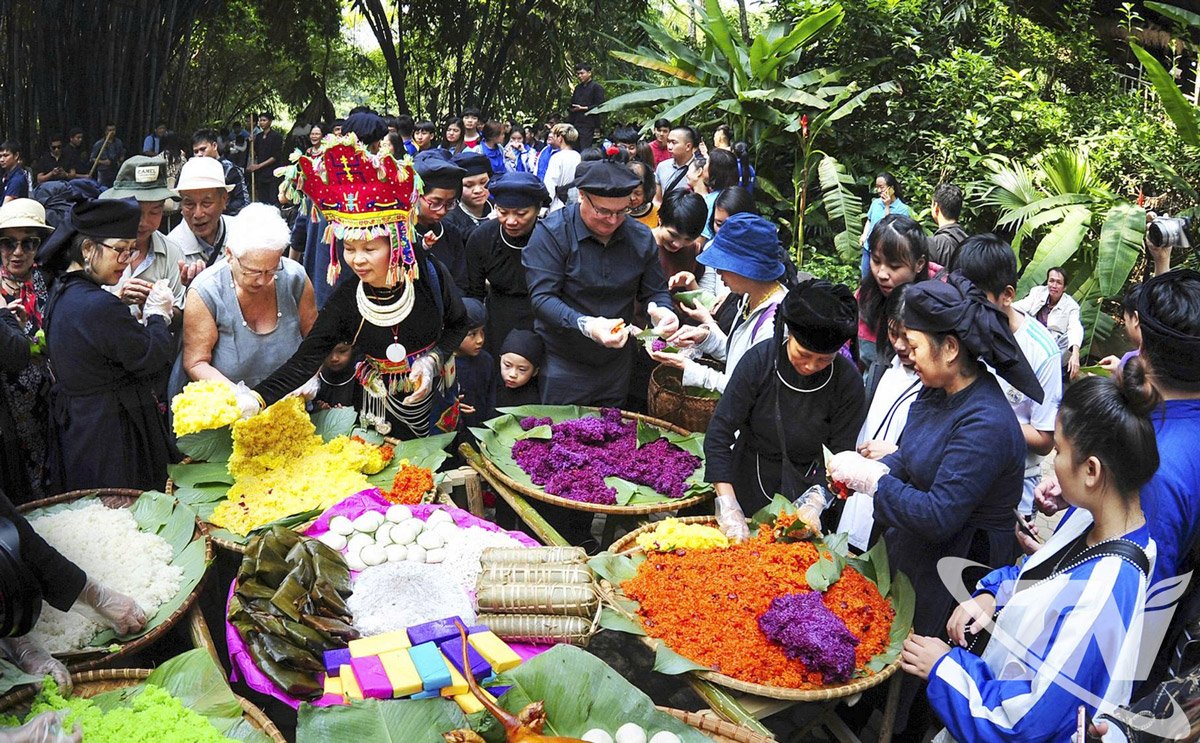 |
| Domestic and international tourists experience the New Rice Festival at Thai Hai. (Source: Thai Nguyen Newspaper) |
Nguyen Thang Chuyen, Director of the UNESCO Centre for Research and Application of Asian Culture (under the Vietnam Federation of UNESCO Associations), believes Thai Nguyen has many advantages for developing green tourism from the combination of ecological resources and community cultural identity.
However, to transform these advantages into real competitive strength, the locality needs to focus on infrastructure investment, develop distinctive tourism products, and strengthen links between destinations. This is also a necessary direction for models like Thai Hai to connect with other local tourism products, rather than operating as an independent destination.
Thai Hai has established a brand, operational experience, and recognition both domestically and internationally. The next journey needs to deepen existing values such as enhancing the quality of experiences, linking with Thai Nguyen destinations, applying technology, and giving more roles to the younger generation. Titles bring tourists, but what keeps them is the authentic identity, sincere hospitality, and a sustainably cared-for environment.