




What did Thai Nguyen gain from the International Tea Festival?
Over 260,000 visitors, estimated tourism revenue exceeding 317 billion VND, recognition of tea cultivation and processing knowledge as national heritage, and international trade, technology, and market connections are the initial outcomes of the International Tea Festival – Thai Nguyen 2026. However, the greatest value of the event lies not merely in the numbers achieved during the nine-day festival but in the opportunity for the locality to transform tea culture into a resource for long-term economic, tourism, and brand development.
Latest
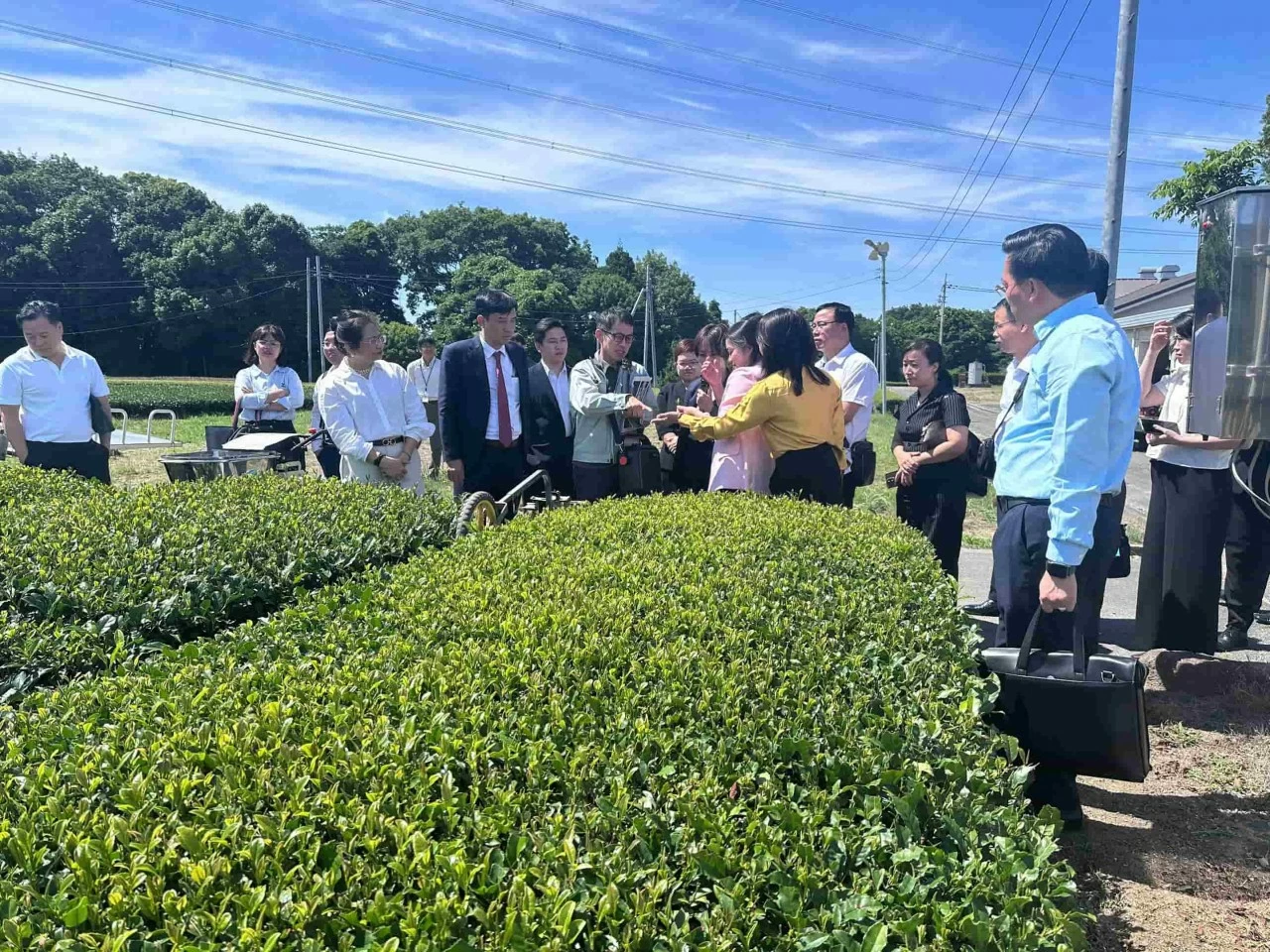 |
| Thai Nguyen Tea seeks new directions from the Japanese tea industry's development experience. |
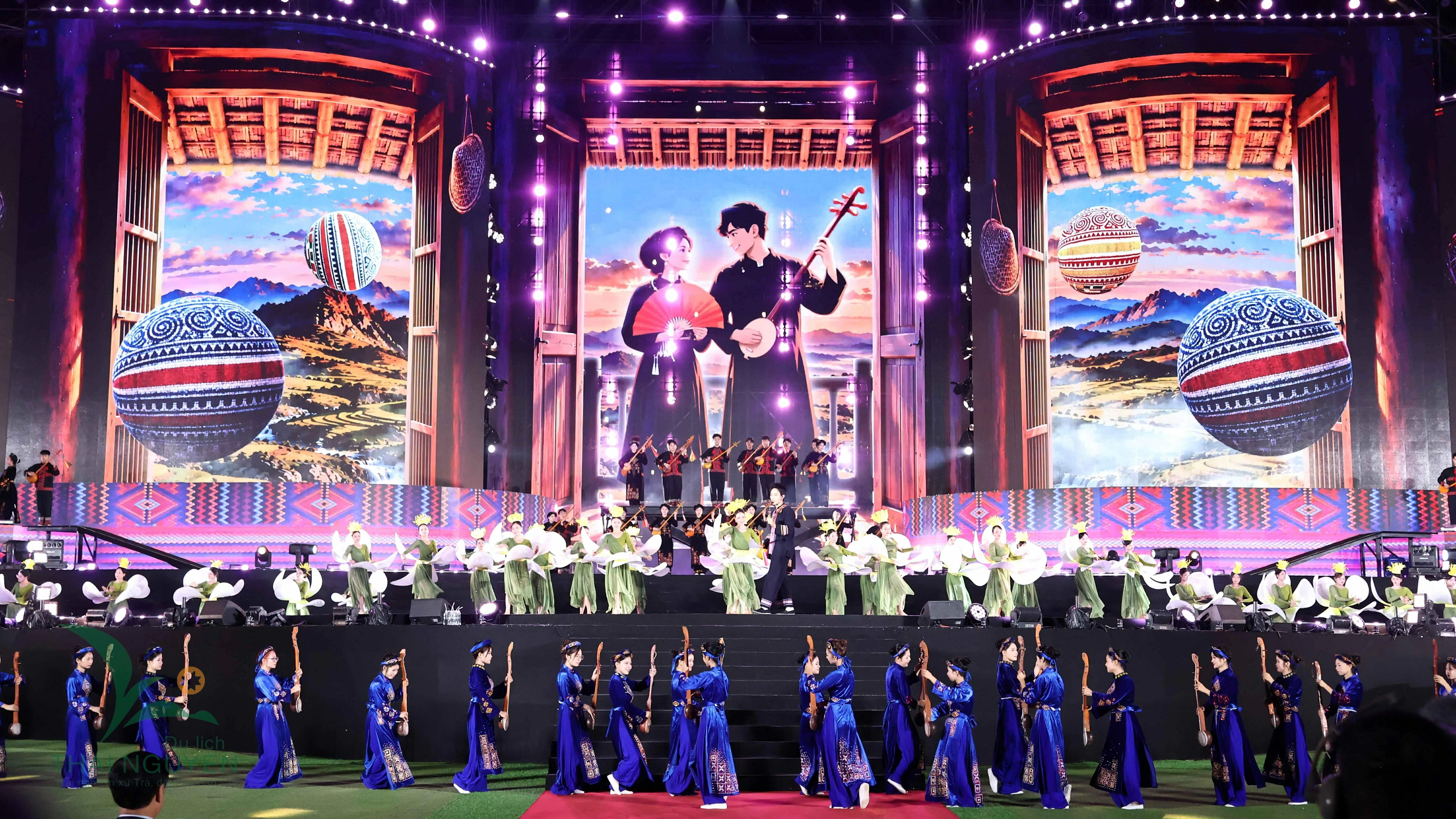
The International Tea Festival – Thai Nguyen 2026 took place from October 30 to November 7, featuring 16 cultural, tourism, trade, and international exchange activities, in conjunction with the 195th anniversary of the province's founding. During the event, the province welcomed over 260,000 arrivals; tourism revenue exceeded 317 billion VND. “The knowledge of Thai Nguyen tea cultivation and processing” was inscribed into the National Intangible Cultural Heritage List; the International Tea Economic Forum fostered further connections among businesses, experts, investors, and partners both domestically and internationally.
These results demonstrate that the Festival has created an attraction and a broader space for connection around tea products. However, evaluating an international-scale event cannot be limited to visitor numbers, event revenue, or the number of programs implemented. More importantly, what values are created, what opportunities are expanded, and the potential to transform these initial results into long-term development momentum for the locality.
From Signature Product to Local Brand
A notable highlight of this year's Festival is how Thai Nguyen has elevated tea beyond a mere agricultural product to become the centerpiece of cultural, tourism, trade, and integration narratives.
Activities such as the Tea Procession to open the festival, the International Tea Economic Forum, exchanges and tea tasting at prominent tea regions like Tan Cuong, La Bang, Dong Hy, Dong Phuc, and Vo Tranh; exhibitions showcasing tea products, OCOP products, the Culinary Festival from Tea, World Master Tea Vietnam, the Hanoi – Thai Nguyen Heritage Train, along with various artistic programs, have created a diverse experiential space.
Tea is not only introduced through stalls or sales activities but is also placed within an experiential system, from raw material regions, producers, processing techniques, tea culture appreciation to tourism and international exchanges.
Thai Nguyen, with its long-standing tea regions, community knowledge, and the “First-class Tea” brand, holds inherent advantages. Yet, amidst increasingly fierce competition among localities, product advantages alone are insufficient to attract interest. A local brand requires a recognizable story, unique experiences, and the ability to connect with the market.
The Festival has created such a space. Experiential activities at tea regions allow visitors to engage with the product right at the production site; artistic, culinary, performance, and tea appreciation programs bring tea culture to a broader audience; trade promotion activities open up further opportunities to connect with businesses and partners.
This is significant because the Thai Nguyen tea brand can be recognized not only by its flavor and product quality but also by the story of the land, people, indigenous knowledge, and culture. When these elements are connected, tea becomes a broader promotional symbol for the locality.
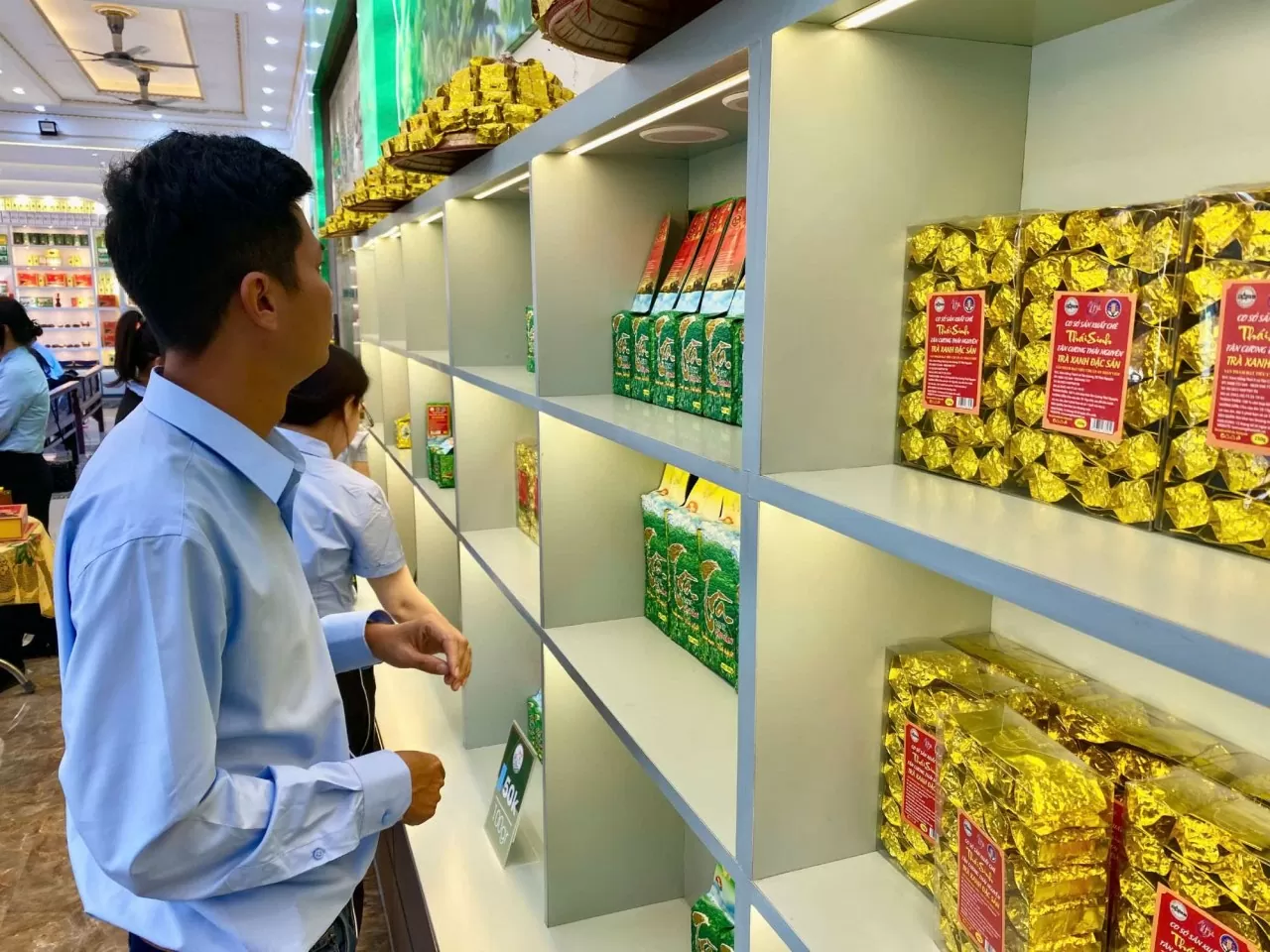 |
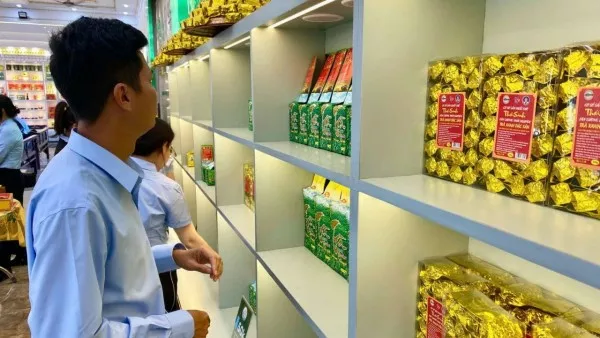
| Tan Cuong Tea is the product that builds the Thai Nguyen tea brand with its rich, aromatic flavor. (Photo: Bao TGVN) |
Visitor Numbers and Revenue: Positive Signals of Event Economy
The number of visitors and revenue achieved are noteworthy, indicating the event's ability to attract and stimulate service and tourism activities in the area.
The increase in visitors can impact various business groups, from accommodation facilities, restaurants, transportation, and tourist attractions to tea production facilities, experiential services, retail, and specialty products. Notably, tea regions have the opportunity to directly engage visitors, introduce products, expand experiential activities, and generate additional revenue.
Bringing Festival activities to tea regions is a noteworthy point. Instead of focusing solely on central spaces, the event brings visitors closer to raw material regions, tea producers, processing methods, and the culture of appreciation. This is a promising direction for developing experiential tourism, as visitors not only purchase products but also access the story behind them.
The Hanoi – Thai Nguyen Heritage Train is also an experiment in connecting transportation with destination experiences. Six train trips served nearly 1,500 visitor experiences. Although not yet sufficient to assert this as a sustainable tourism product, this number shows that the combination of transportation and destination experiences can create additional appeal.
The real economic value will be demonstrated when visitor numbers, service revenue, tea product consumption, and business activities in tea regions continue to be maintained after the Festival concludes. If the event generates a regular visitor flow, helps production facilities expand experiential activities, increase revenue, and improve market access, the economic impact will extend far beyond the nine-day event.
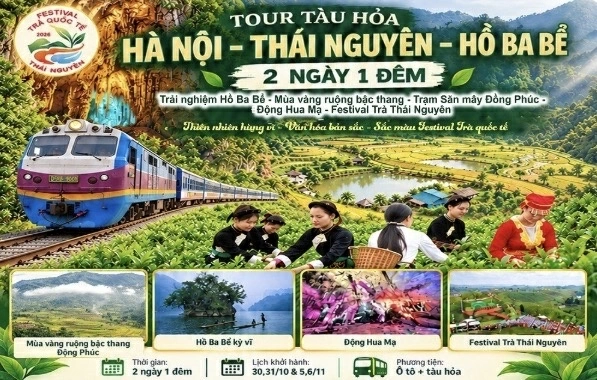 |
| Heritage Train: Bringing Thai Nguyen tea culture closer to visitors |
Tea Heritage: From Cultural Recognition to Competitive Advantage
One of the most meaningful long-term outcomes of the Festival is the inscription of “The knowledge of Thai Nguyen tea cultivation and processing” on the National Intangible Cultural Heritage List.
This recognition not only acknowledges the experiences, skills, and knowledge preserved and passed down through generations by the tea community but also affirms the cultural depth of the Thai Nguyen tea industry. This is the foundation for the locality to continue preserving and promoting indigenous knowledge while linking heritage preservation with product, tourism, and brand development.
In an increasingly competitive agricultural market, products can be positioned based on quality, price, production standards, and distribution capabilities. However, the story of origin, culture, community, and production methods can also create differentiation. Thai Nguyen tea has an advantage not only in its product but also in the cultural space formed over generations.
The heritage title can help increase the appeal of tea regions to tourists, providing a basis for cultural, educational, tourism, and product promotion programs. This is also an opportunity to raise awareness about preserving traditional knowledge and to encourage tea producers to continue safeguarding the techniques, practices, and distinctive values of the craft.
However, if it stops at titles and honoring activities, the value of recognition will be difficult to transform into sustainable benefits. Heritage needs to be preserved in community practices and linked to product quality, the living conditions of tea producers, brand protection mechanisms, and responsible tourism products.
Expanding International Connections: Opportunities for Technology and Market Access
A strategically valuable aspect of the Festival is moving beyond product introduction to create a space for exchanges on markets, technology, investment, and value chains.
On October 31, the International Tea Economic Forum 2026, with the theme “From Tea Heritage to Global Tea Economy,” was held in Thai Nguyen, attended by representatives from central agencies, international organizations, experts, scientists, businesses, cooperatives, and domestic and international partners.
The forum focused on promoting the Thai Nguyen tea brand and Vietnamese tea; connecting management agencies, experts, businesses, cooperatives, and investors; promoting trade, expanding export markets, and attracting investment in deep processing, logistics, e-commerce, and tea tourism.
Notably, domestic and international businesses and organizations exchanged and signed cooperation agreements related to production line investment, technology transfer, technical support, raw material development, product consumption linkage, brand building, distribution expansion, and export. Some cooperation contents target markets such as the Republic of Korea, Japan, China, and North America.
These connections are significant, as Thai Nguyen not only introduces products to partners but also gains access to production experience, technology, market standards, and brand-building methods from tea-producing markets.
The introduction of the Thai Nguyen Tea Ecosystem Digital Map at the forum is also noteworthy. The digital platform aims to digitize information on tea regions, production, business facilities, and products, creating an additional channel for connecting businesses with customers, partners, and investors. If effectively updated and operated, this tool can support promotion, information retrieval, trade promotion, and service development associated with tea culture.
These approaches align with the need to enhance the competitiveness of the tea industry. The international market demands not only quality products but also standards, traceability, supply capabilities, branding, distribution systems, and the ability to meet each market's requirements.
However, it is essential to be cautious: the presence of international partners, positive evaluations, or the signing of agreements does not mean that commercial contracts are executed, export turnover increases, or investment capital is disbursed. The current value of the Festival lies in creating opportunities, establishing connections, and forming cooperation links. The ultimate effectiveness must be measured by how far agreements are implemented, whether products access new markets, and whether businesses can enhance production capacity and revenue.
Post-Festival: Measuring Effectiveness with Concrete Results
The International Tea Festival – Thai Nguyen 2026 demonstrates that the locality can use a signature product to connect multiple fields. Tea serves as the convergence point for culture, agriculture, tourism, trade, art, technology, and international exchange.
From the event, Thai Nguyen can gain significant value: increasing local brand recognition; creating economic and service opportunities; expanding connections with businesses, partners, experts, and markets; and enhancing the ability to exploit tea culture into tourism products and development resources.
However, the post-Festival phase is the decisive stage. If tea regions continue to primarily sell products through traditional methods, experiential activities are not maintained, cooperation agreements are not implemented, and the increase in visitors during the festival does not translate into a regular visitor flow, most benefits will be short-term.
Thai Nguyen needs to continue monitoring specific results after the Festival: the number of collaborations implemented; the value of orders, contracts, and exports; the number of businesses and cooperatives connected; the number of visitors to tea regions in the months following the event; service revenue at experiential points; the number of tea tourism products maintained; the level of participation and income of the tea community.
Additionally, developing the tea industry in a modern direction requires adherence to quality standards, traceability, environmental protection, packaging innovation, e-commerce, brand building, and the ability to meet international market demands. The Festival can create opportunities for attention and connection, but the competitiveness of the tea industry still depends on product quality, production management, and the ability to organize the value chain.
The International Tea Festival – Thai Nguyen 2026 has opened a noteworthy opportunity to leverage distinctive cultural assets to promote local development. The event attracts tourism, brings tea culture into broader exchange spaces, recognizes its heritage value, and opens additional trade, technology, and investment connections with domestic and international partners.
What Thai Nguyen gains is not just a successful festival but an opportunity to build a tea economic ecosystem capable of developing beyond the festival's duration. This opportunity does not automatically translate into achievements. The locality needs to turn visitor interest into regular tourism demand; transform forum connections into substantive cooperation; convert heritage titles into added value for products; and ensure that tea growers, cooperatives, and local businesses are the direct beneficiaries.
In the context of many localities competing through events, tourism products, and unique brands, the endurance of a Festival does not lie in the scale of the stage or the number of activities, but in the ability to create value that endures after the festival lights dim.
Tags: