




51st anniversary of National Reunification Day: Putting the past behind, building international trust
WVR - More than half a century after the country's reunification, Vietnam is not only remembered as a nation that endured war but also as one that has transcended the past to build trust with the world, emphasised Dr. Nguyen Sy Dung, former Vice Chairman of the National Assembly. The World and Vietnam Report is pleased to introduce his article on the occasion of the 51st annyversary of the Liberation of the South and National Reunification Day (April 30, 1975-April 30, 2026)
Latest
If the victory in 1975 closed a war, the more than 50 years that followed have been a persistent journey to open up a greater value: Our country has become a reliable, responsible partner with an increasingly significant position in the international community.
Opening up to the world
In modern history, few countries have undergone a complex journey like Vietnam: From prolonged war, division, confrontation, to peace, reunification, and integration. April 30, 1975, marks a monumental milestone – the end of a war and the beginning of an era of independence, reunification, and territorial integrity. But viewing April 30 merely as an endpoint might not fully capture its historical significance.
While a war can end with an event, peace and development are long, challenging processes. The greatest challenge after the war was not only rebuilding the country but also rebuilding relationships with the world – a world still rife with suspicion, division, and differences.
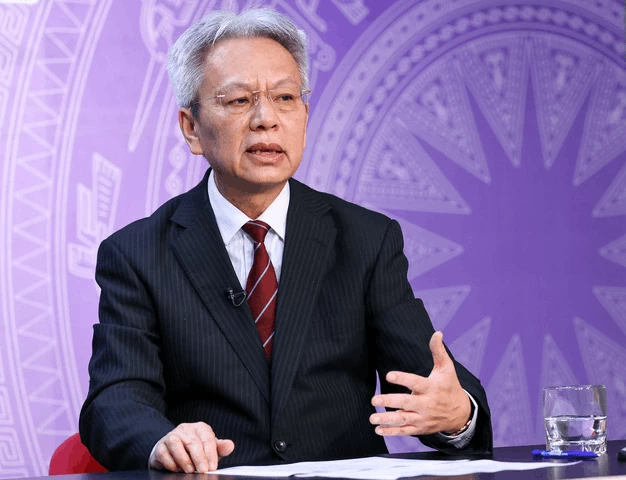 |
| Dr. Nguyen Sy Dung. (Photo courtesy by the author) |
In the early years after 1975, Vietnam entered peace under particularly difficult circumstances. Not only facing the severe consequences of war, the country also had to deal with blockades and embargoes. In the eyes of many nations, Vietnam was still viewed through the lens of conflict and past confrontations.
In this context, Vietnam's strategic choice was decisive. Instead of retreating into defense, Vietnam gradually opened up, engaged in dialogue, and integrated with the world. The Doi Moi (Renewal) decision in 1986 was not only an economic turning point but also a declaration of foreign policy: Shifting from a confrontational mindset to one of cooperation, from isolation to openness, from passive to proactive integration.
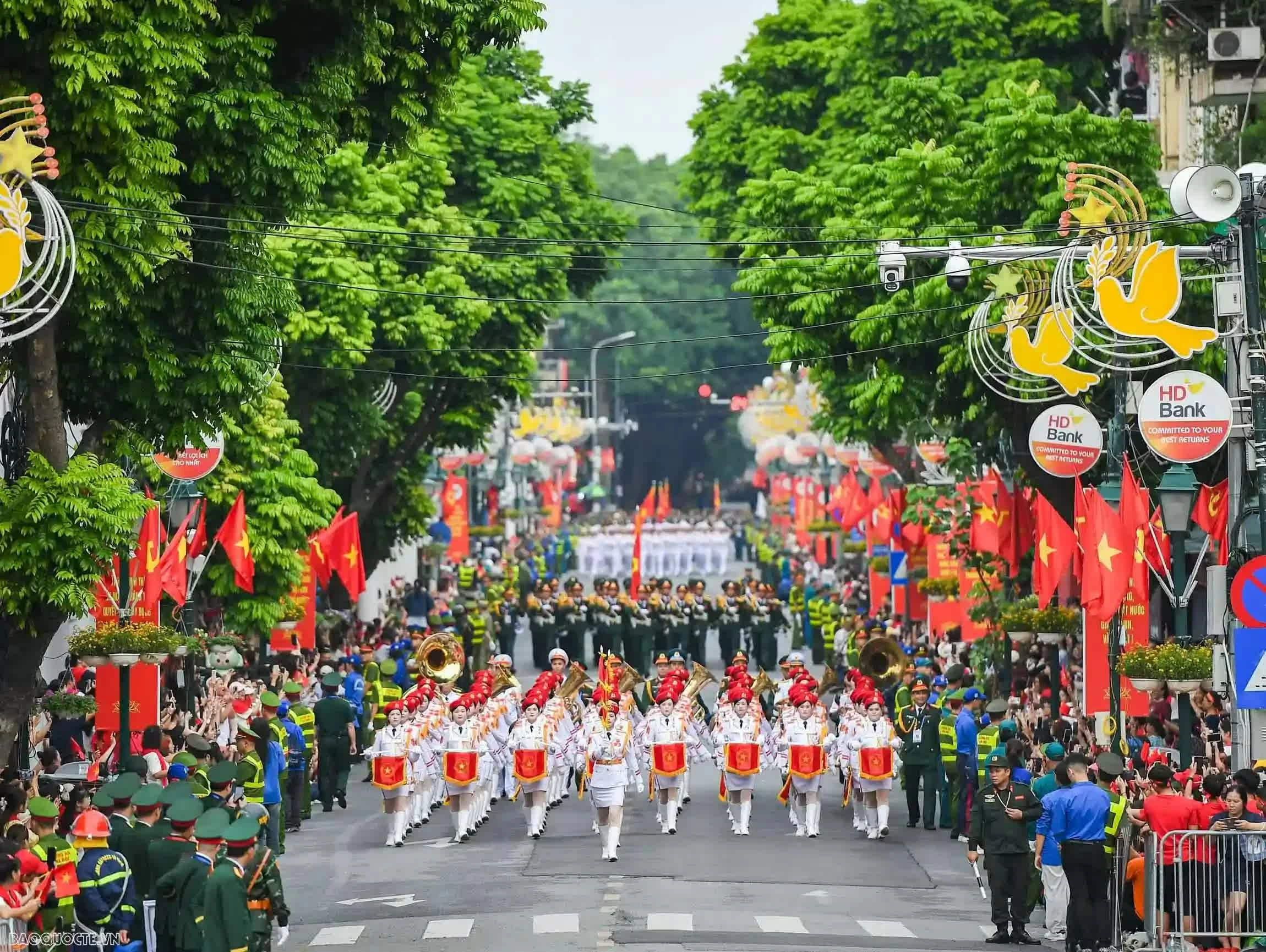
From here, a new process was initiated – a process of bringing Vietnam to the world, not through imposing strength, but with goodwill, consistency, and cautious yet steady steps. Normalizing relations with countries, joining regional and international organizations, and deeply participating in global economic institutions not only helped Vietnam break the blockade but also gradually changed the world's perception of the country.
Notably, throughout this process, Vietnam did not choose the easy path. In a world full of prejudices, gaining trust cannot happen overnight. It requires special perseverance: Perseverance with an independent and self-reliant path; perseverance with a peaceful and cooperative foreign policy; perseverance in proving through actions that Vietnam is a responsible nation.
Looking back on the journey, it is evident: From a nation emerging from war with countless difficulties, Vietnam has gradually opened its doors to the world, not only to integrate but also to build something more valuable – trust. From this starting point, Vietnam's journey to build international trust began, quietly but persistently, modestly but with great determination.
 |
Building trust
If the initial post-war period was a journey of "opening up", the next three decades were a process of consciously, strategically, and systematically building trust. First and foremost, it was about consistency in foreign policy. Vietnam remained steadfast in the principles of independence and self-reliance while pursuing a policy of multilateralization and diversification of international relations.
From once being placed on opposing axes, Vietnam proactively positioned itself as a nation that is "a friend, a reliable partner, and a responsible member of the international community". The importance lies not only in declarations but also in the consistency between words and actions across different phases and contexts.
Secondly, trust is nurtured through responsible actions and substantive contributions. Vietnam not only integrates for development but also gradually participates in addressing common regional and global issues. From taking on roles in ASEAN, deeply engaging in multilateral mechanisms, to sending forces to participate in UN peacekeeping – all send a clear message: Vietnam is not only a beneficiary of peace but also a creator and protector of peace.
Thirdly, Vietnam's international reputation is built on domestic stability and development. A nation that wants to be trusted must first demonstrate governance capacity, political-social stability, and the ability to fulfill its commitments. Economic development achievements, improving people's lives, and the serious implementation of international obligations have contributed to strengthening Vietnam's image as a trustworthy partner, one that matches words with deeds.
Notably, throughout this journey, Vietnam has persistently accumulated trust. It is a quiet but persistent process, built through each correct decision, each fulfilled commitment, and each responsibly assumed role. This approach has gradually transformed Vietnam's position: From a nation once on the opposite side to becoming a partner, friend, and reliable partner of many countries around the world.
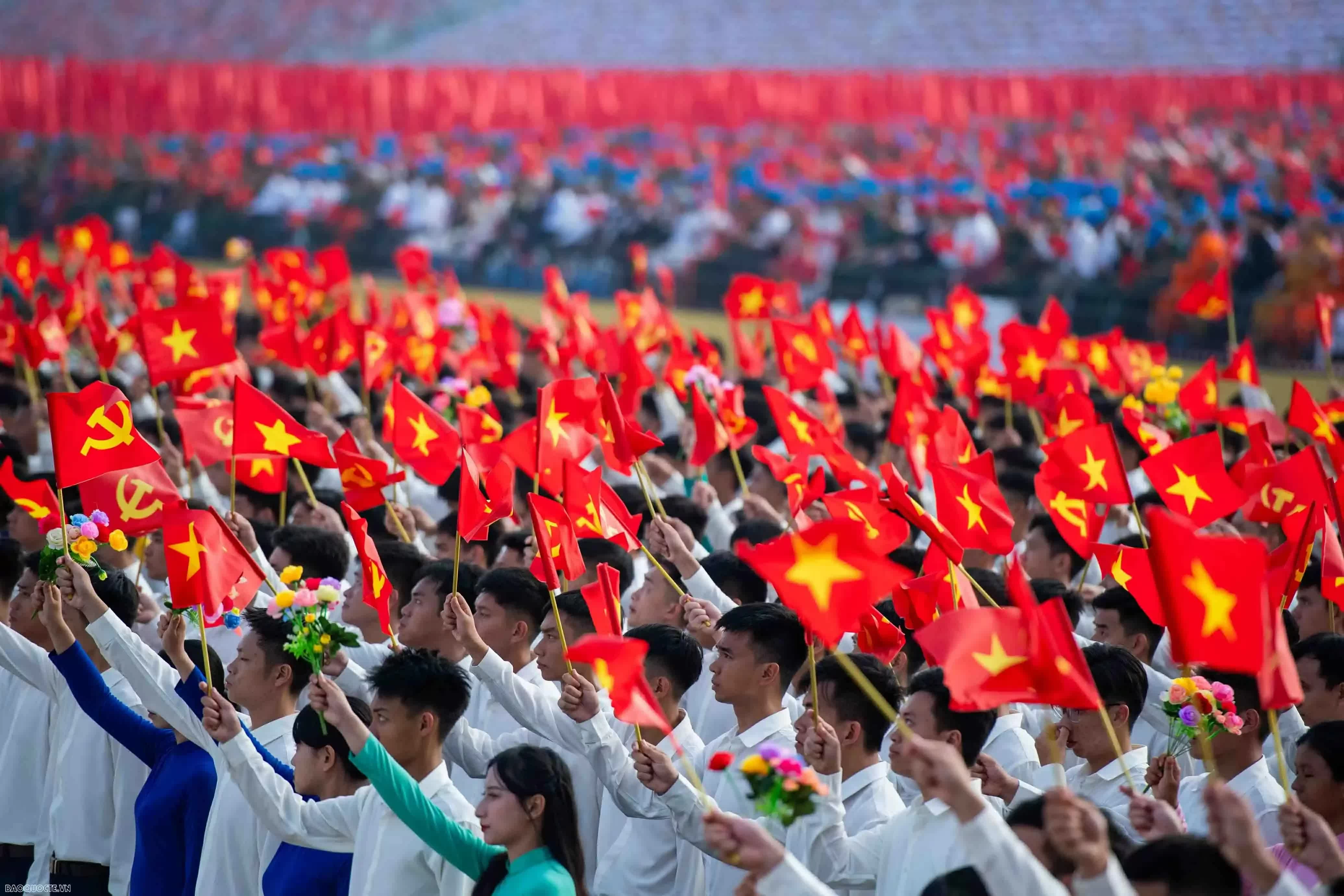 |
| Vietnam's international reputation is built on domestic stability and development. (Photo: Nguyen Hong) |
Strategic resources in a new era
Entering the third decade of the 21st century, the world is undergoing profound changes: Increasing strategic competition, prolonged local conflicts, disrupted supply chains, and especially the erosion of trust between nations. In this context, trust is no longer an abstract concept but has become a tangible strategic resource.
In such an environment, what Vietnam has persistently built over more than half a century becomes even more prominent. A nation with a high level of trust can expand policy space, be more flexible in balancing relations, and create greater appeal for economic cooperation and investment. Trust helps reduce transaction costs, enhance predictability, and lay the foundation for sustainable relationships.
In reality, Vietnam is increasingly recognized as a stable, reliable, and responsible partner in a world full of fluctuations. From attracting international investment flows, deeply participating in new-generation free trade agreements, to assuming the role of a bridge in regional and global relations, all are linked to a core element: trust.
However, the greatest value lies not only in immediate benefits but also in the ability to open up long-term development prospects. When trusted by the international community, a nation can engage more deeply in cooperative structures, have a more influential voice in shaping the rules, and have more opportunities to contribute to peace as well as common development.
Therefore, in the new development phase, continuing to consolidate and enhance the level of international trust is not only a foreign policy task but also a strategic requirement for the entire national development system. This value needs to be nurtured not only through foreign policy but also through institutional quality, execution capacity, and national reputation in all fields.
More than half a century has passed since April 30, 1975 – a milestone that ended the war and opened a new era for our nation. But in depth, it was not just the end of a war but the starting point for a longer, more challenging, and more meaningful journey: The journey of building trust with the world.
From a country emerging from war, facing blockades, embargoes, and skepticism, Vietnam chose a path that was not easy: Opening up, engaging in dialogue, cooperating, and gradually asserting itself as a responsible nation. This choice has helped Vietnam not only successfully integrate but also gradually affirm its position as a reliable partner in the international community.
In a world still fraught with instability and a lack of trust, Vietnam's journey carries significance beyond national boundaries. It is proof that from the ruins of the past, people can build solid foundations for the future, if they have enough courage, wisdom, and perseverance.
From ending the war to opening international trust, Vietnam has demonstrated a simple yet profound truth: The most enduring strength of a nation does not lie in past victories but in the ability to build trust for the future.


