



‘Made-in-Vietnam energy’ Dialogue with focus on policy, investment and reform
WVR - The 'Made-in-Vietnam energy Dialogue' last week in Hanoi to explore practical solutions for scaling clean energy investment and accelerating policy reform in support of Vietnam’s green transition.
Latest
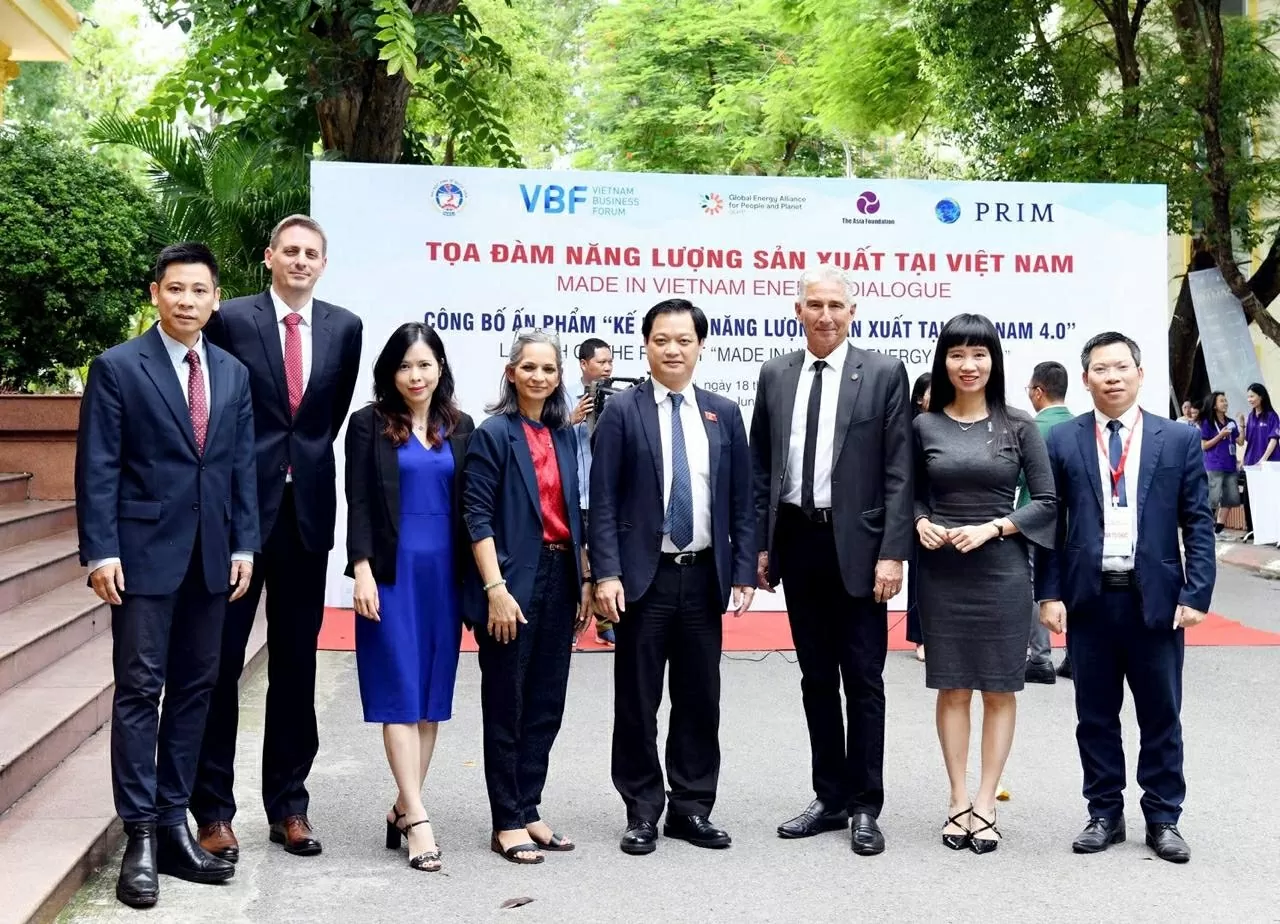 |
| Representatives from the National Assembly’s Economic and Financial Committee, The National Economics University, The Asia Foundation, Pacific Rim Investment and Management Inc., and GEAPP at the 'Made-in-Vietnam energy Dialogue'. (Source: GEAPP) |
The high-level event convened national policymakers, private sector leaders, academics, and development partners. Organized under the project 'Enhancing bankability in clean energy investment in Vietnam', the dialogue was jointly implemented by the National Economics University, The Asia Foundation, and Pacific Rim Investment and Management Inc., with support from the Global Energy Alliance for People and Planet (GEAPP). The gathering marked a significant milestone in advancing cross-sector collaboration and reinforcing momentum around Vietnam’s clean energy and climate goals.
The main highlight of the dialogue was the launch of the Made-in-Vietnam Energy Plan 4.0 (MVEP 4.0), a strategic research product offering a long-term vision, medium-term policy frameworks, and short-term recommendations to support the development of a competitive, reliable, and low-emission energy system. The plan presents a cohesive roadmap to strengthen Vietnam’s investment environment by addressing regulatory bottlenecks, improving institutional capacity, and aligning near-term action with long-term energy and economic goals.
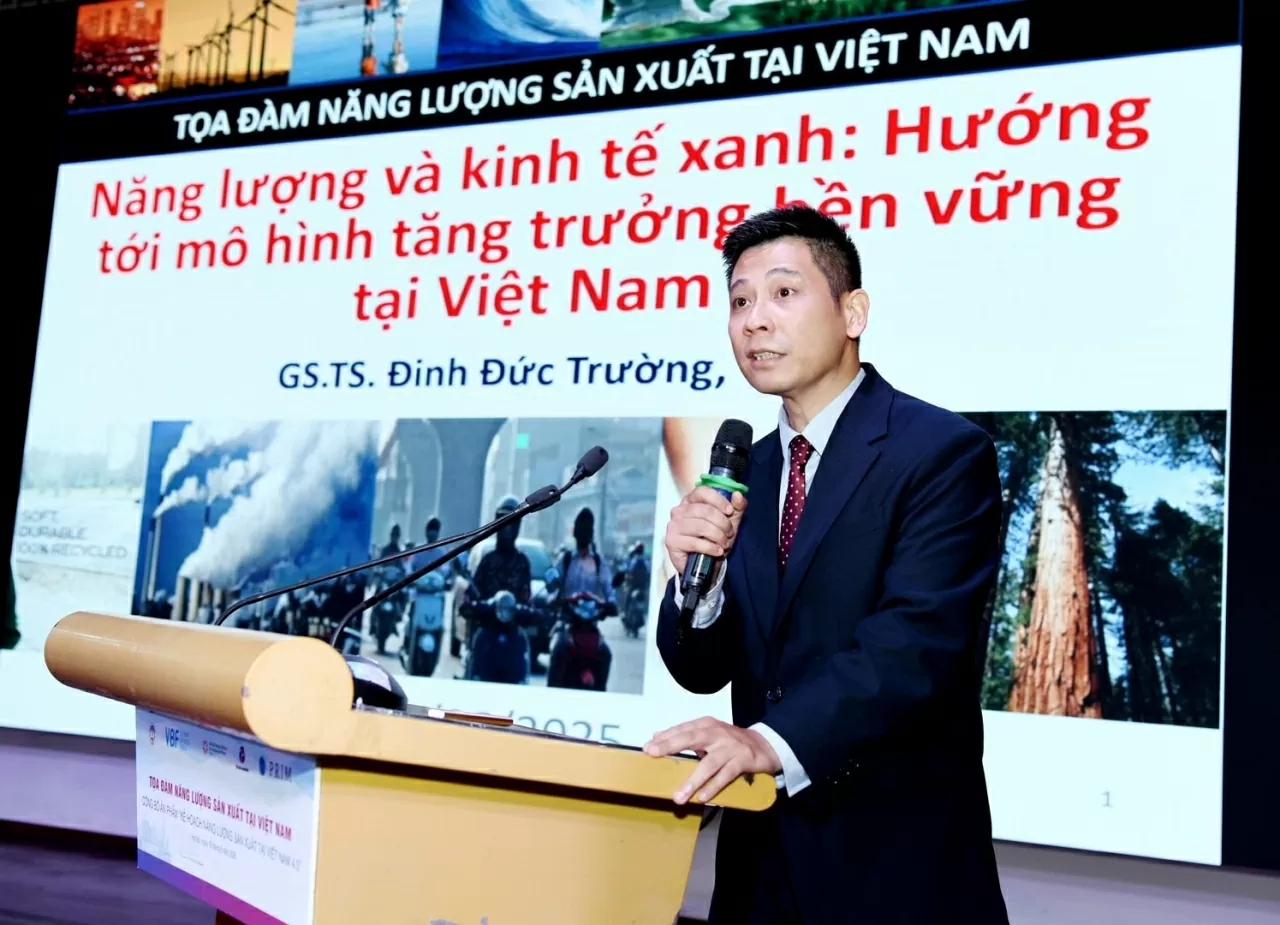 |
| Prof. Dr. Dinh Duc Truong, Dean of the Faculty of Environmental, Climate Change and Urban Studies at the National Economics University. (Source: GEAPP) |
Prof. Dr. Dinh Duc Truong, Dean of the Faculty of Environmental, Climate Change and Urban Studies at the National Economics University said: “The Made-in-Vietnam Energy Dialogue has demonstrated how research-driven policy and multi-stakeholder collaboration can meaningfully contribute to the country’s energy planning. By aligning long-term ambition with practical reform, we are laying the groundwork for a cleaner, more competitive energy future. Vietnam’s success in this transition depends on how effectively we bridge policy, investment, and implementation—and this dialogue is an important step in that direction.”
In her part, GEAPP’s Vice President for Southeast Asia Kitty Bu underscored the broader relevance of Vietnam’s clean energy efforts: “Vietnam’s clean energy journey is shaping up as a benchmark for Southeast Asia. As countries across the region race to meet climate and energy goals, Vietnam is proving how strategic planning, cross-sector dialogue, and credible policy design can accelerate progress. This dialogue elevates the region’s conversation and grounding ambition in action, and vision in results.”
Regional Program Managing Director for Southeast Asia at GEAPP Anthony Wu added: “The Made-in-Vietnam Energy Plan 4.0 is a powerful step forward—it strengthens investor confidence and provides a strategic foundation for long-term policy planning. Vietnam has the momentum, the leadership, and the vision to become a regional leader in inclusive, accelerated energy transitions. At GEAPP, we’re proud to walk alongside Vietnam in this journey—backing it with technical expertise, financing support, and sustained collaboration”.
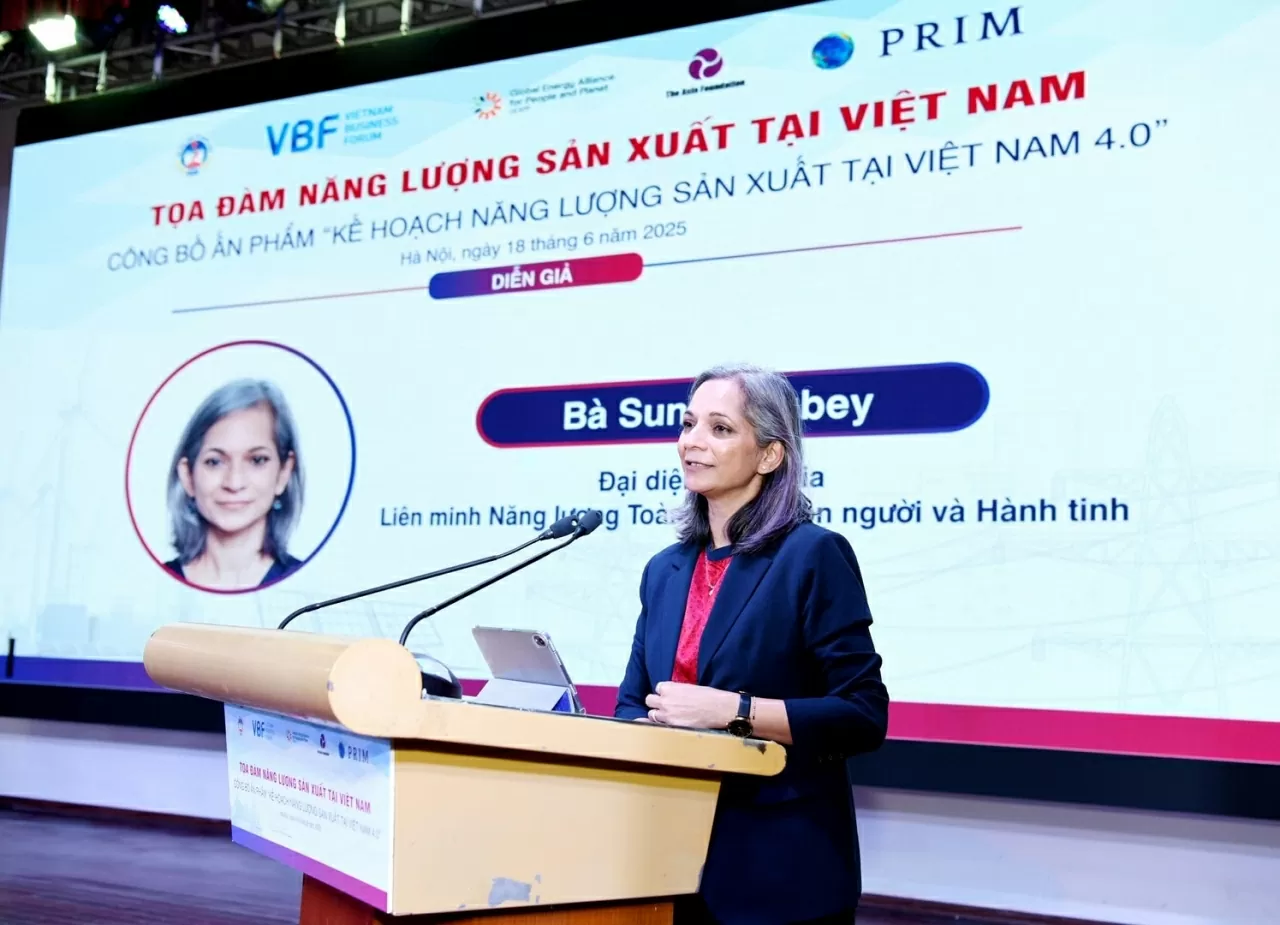 |
| GEAPP’s Country Representative in Vietnam Sunita Dubey speaking at the event. (Source: GEAPP) |
The dialogue featured in-depth exchanges on critical enablers of Vietnam’s energy transition—from investment de-risking and competitive investor selection mechanisms to market transparency and institutional reform. A multistakeholder panel brought diverse perspectives to the table, surfacing actionable policy levers to accelerate renewable energy deployment at scale.
Emerging from the discussions was a clear consensus that Vietnam’s clean energy transition hinges not only on technical innovation, but on policy clarity, regulatory consistency, and grid readiness. Participants emphasized the urgent need for a cohesive policy environment to support the rapid expansion of wind, solar, and battery energy storage. Persistent barriers to project bankability, such as permitting bottlenecks, contract design, and financing risks, were called out as key challenges that require targeted policy and financial interventions.
Grid modernization and energy storage were also identified as mission-critical to integrating higher shares of renewable energy reliably and efficiently. Yet, beyond infrastructure, speakers highlighted the deeper structural shifts needed to sustain momentum—namely, long-term coordination between government, private sector, and civil society. In this context, the Made-in-Vietnam Energy Plan 4.0 was recognized as a timely and strategic tool: offering not only a policy blueprint, but a platform for shared accountability in advancing a low-carbon, investment-ready power sector.
With Vietnam’s electricity demand expected to grow steadily through 2050, the Made-in-Vietnam Energy Dialogue offered a timely platform to deepen cooperation, align on strategic priorities, and explore practical reforms for a more resilient and sustainable energy future. By bringing together insights from across sectors and presenting the comprehensive MVEP 4.0, the dialogue helped reinforce a shared commitment to strengthening Vietnam’s clean energy landscape—laying important groundwork for long-term competitiveness and inclusive growth.
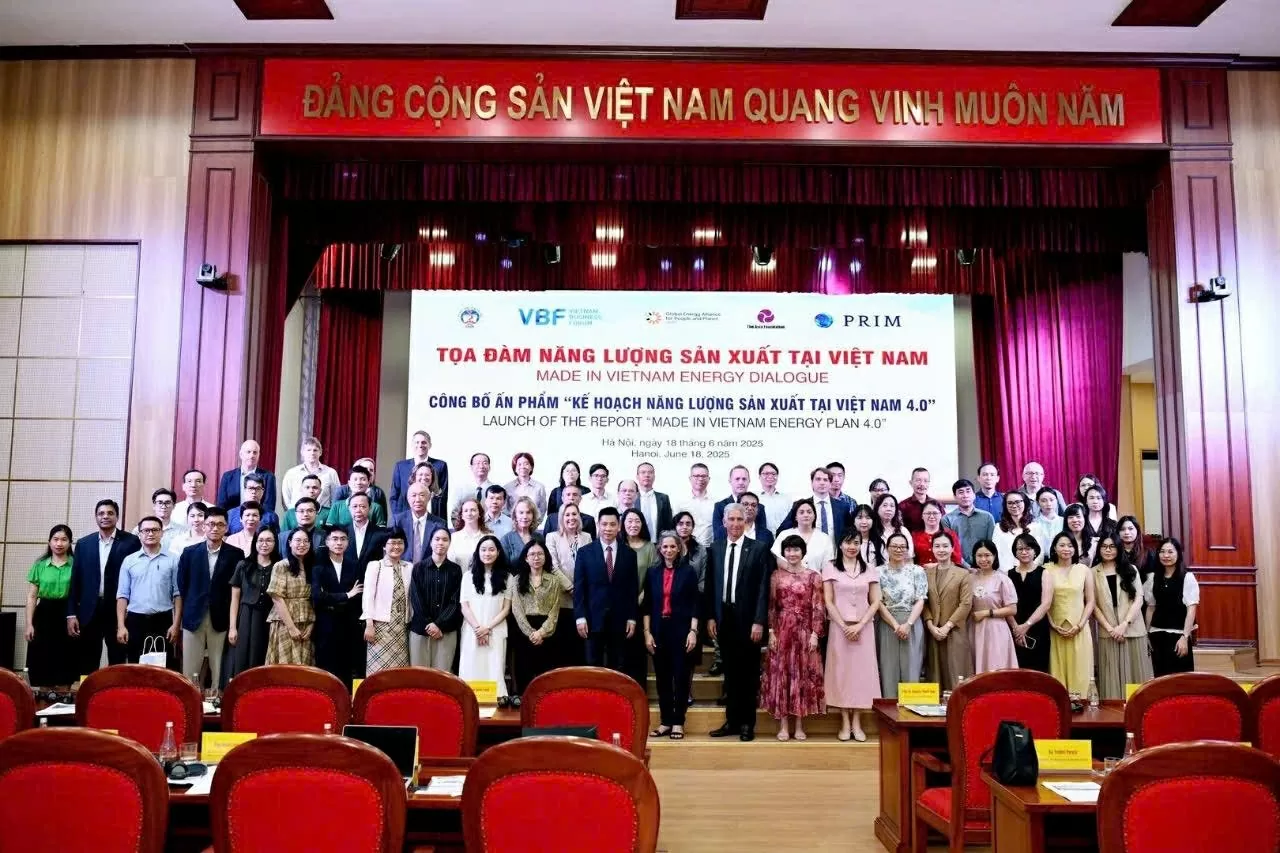 |
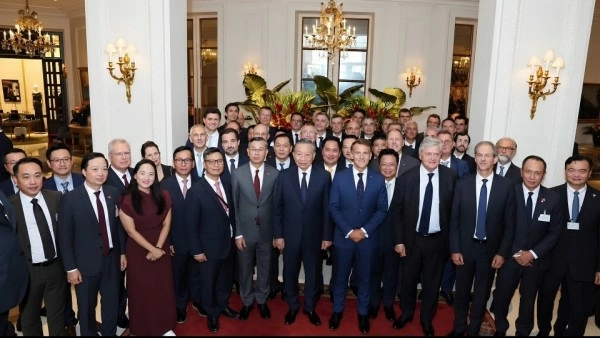
| The dialogue helped reinforce a shared commitment to strengthening Vietnam’s clean energy landscape—laying important groundwork for long-term competitiveness and inclusive growth. (Source: GEAPP) |