





Vietnam's foreign affairs work actively contributes to the successful implementation of the nation's strategic goals
WVR - Joining the collective efforts of the entire Party, people, and military, the foreign affairs forces in 2025 have demonstrated the highest sense of responsibility to fulfill strategic tasks, emphasized the Foreign Minister. The World and Vietnam Report is honoured to present an article by Member of the Party Central Committee's Secretariat, Minister of Foreign Affairs Le Hoai Trung, published in the Nhan Dan Newspaper.
Latest
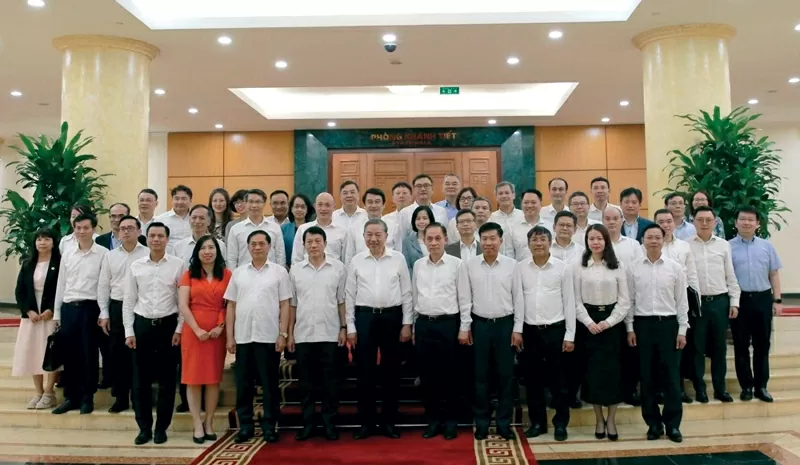 |
| General Secretary To Lam takes a commemorative photo with delegates during a working session with the Party Committee of the Ministry of Foreign Affairs at the Party Central Committee Headquarters on September 15, 2025 . (Photo: Quang Hoa) |
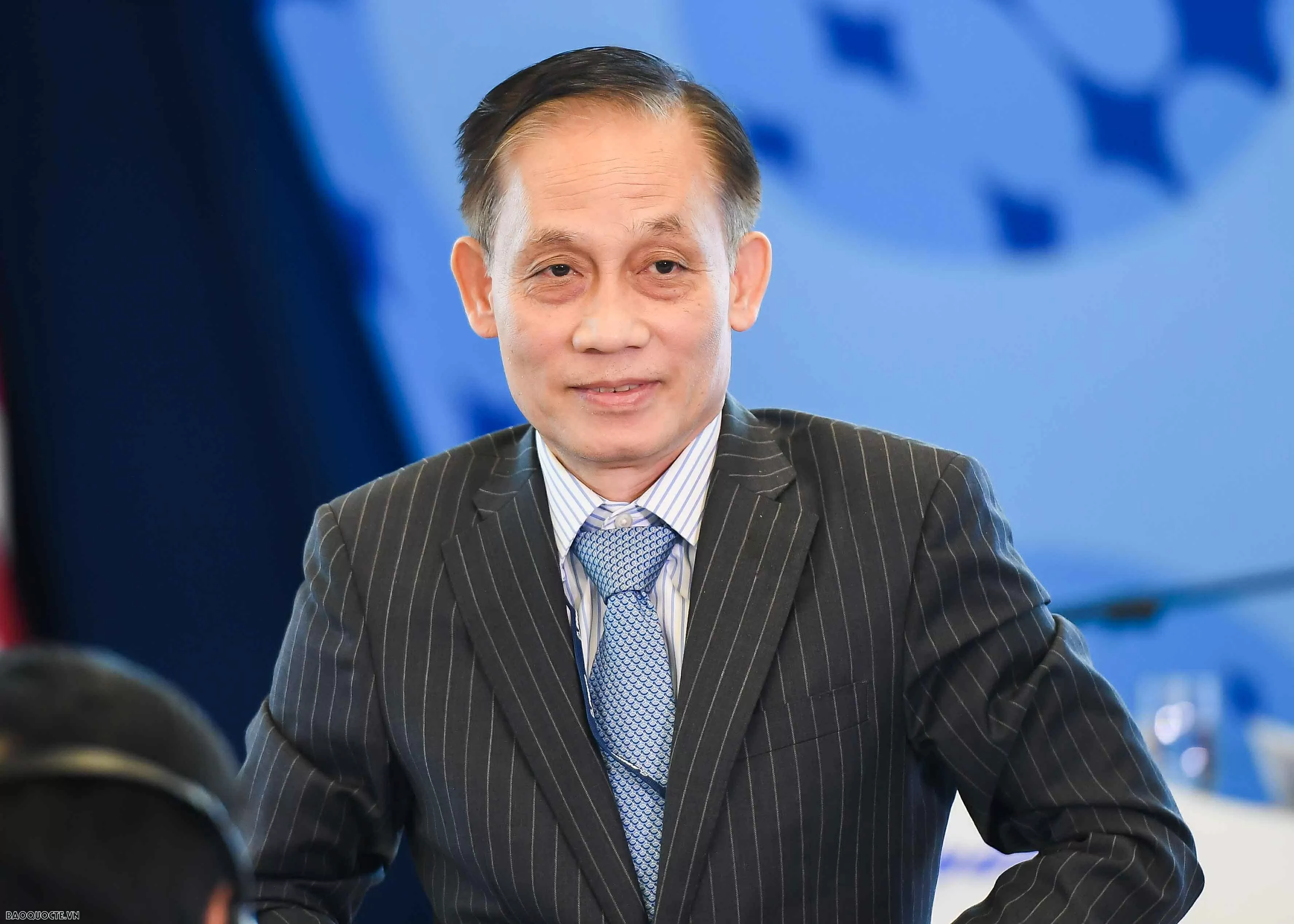 |
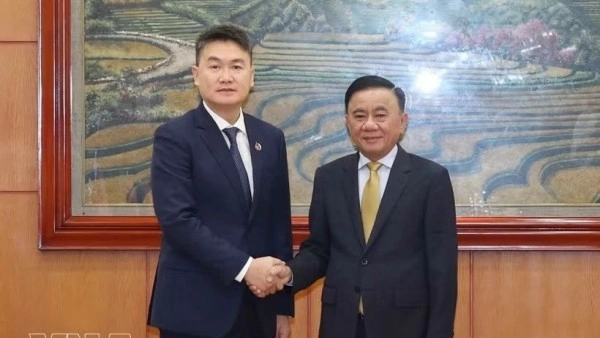
| Central Party Secretary, Minister of Foreign Affairs Lê Hoài Trung. (Photo: Nguyễn Hồng) |
In 2025, the global situation continues to evolve rapidly and complexly, intertwined with epochal opportunities and the most significant upheavals and instabilities since the Cold War. Domestically, the entire political system is committed to achieving the goals set by the 13th National Party Congress, laying a solid foundation towards fulfilling the strategic tasks of the 14th National Party Congress. Joining the collective efforts of the entire Party, people, and military, the external affairs forces in 2025 have demonstrated the highest sense of responsibility to fulfill strategic tasks as emphasized by General Secretary To Lam, “maintaining a peaceful, stable environment; rapid and sustainable socio-economic development; improving people's living standards, all for the people”(1), contributing to enhancing the nation's position and strength as it enters a new era.
Maintaining strategic proactivity
Research, forecasting, and advisory work over the past year have been prioritized and enhanced, contributing to understanding the situation, identifying opportunities and challenges, and forming the basis for timely and effective policy proposals. Amidst the complex global situation, foreign affairs forces have proactively developed thousands of strategic advisory reports and proposals, recommending appropriate countermeasures to protect and promote national interests, closely following the Party's guidelines and State policies, effectively serving the leadership and direction of the Party Central Committee, directly and regularly the Politburo, Secretariat, Standing Secretariat, Government, and National Assembly.
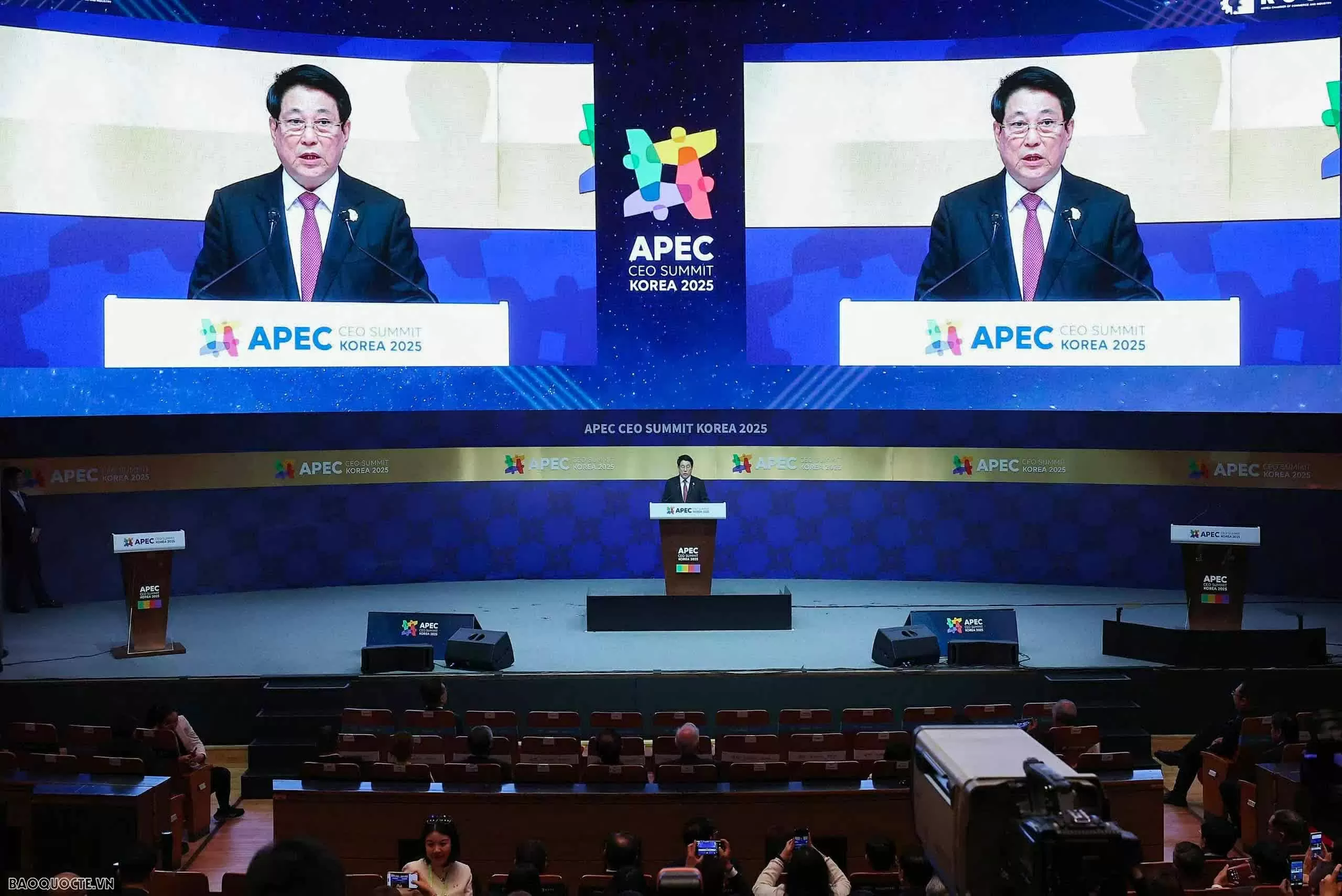 |
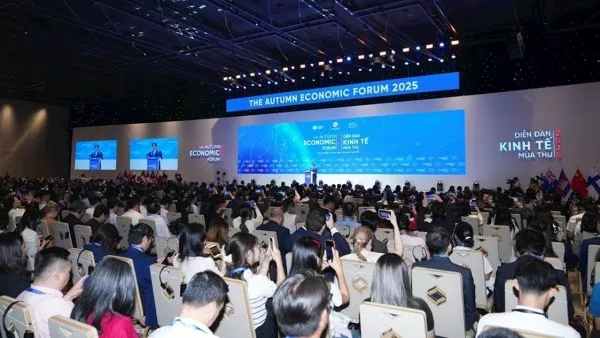
| President Luong Cuong speaks at the APEC 2025 Business Summit on October 30, 2025. (Photo: Quang Hoa) |
Research and advisory work on foreign affairs has directly contributed to policy development in new areas such as digital transformation, green transition, circular economy, and innovation in development models. Proactively identifying traditional and non-traditional security challenges early has helped maintain strategic proactivity, preventing the nation from being caught off guard.
Strengthening, expanding, and elevating foreign relations
Adhering to the foreign policy of the 13th National Party Congress, in 2025, foreign affairs work on both bilateral and multilateral fronts, as well as in various fields, has achieved significant, substantive results, contributing to consolidating a peaceful and stable environment, leveraging external resources and favourable conditions for development, and continuously enhancing the nation's position.
On the bilateral front, foreign affairs activities have been vibrant, especially those of key leaders (2), creating important political frameworks and orientations for relationships; simultaneously promoting issues of interest and benefit to us, aligning with the realization of the nation's strategic goals. Through high-level meetings, policy dialogues, and theoretical exchanges, Party diplomacy asserts its strategic orientation role in establishing and consolidating political foundations, actively supporting bilateral relations. In state diplomacy, over the past year, we have upgraded relations with 17 partners, bringing the total number of partners with Comprehensive Partnership or higher to 42 countries (3). A highlight of the past year is the increased substance and effectiveness of high-level visits, evidenced by the signing of nearly 350 cooperation agreements, a 2.5-fold increase compared to 2024. We have also integrated the organization of major national celebrations (50 years of Southern Liberation and National Reunification, 80 years of the August Revolution and National Day) with participation in major partner celebrations to promote bilateral cooperation.
Relations with neighbouring countries are a standout highlight in the overall foreign affairs landscape, contributing to enhancing mutual understanding, political trust, and playing a pivotal role in defense-security cooperation, with significant breakthroughs in economic, trade, investment cooperation, infrastructure connectivity, and cultural and people-to-people exchanges. Engaging with Laos, Cambodia, and China has reaffirmed the importance, strategic significance, and top priority of our neighbouring partners. Close coordination between defense, security, foreign affairs, localities, and other forces has contributed to maintaining peaceful, friendly borders, safeguarding independence, sovereignty, and territorial integrity, as well as developing border and cross-border economies with neighbouring countries.
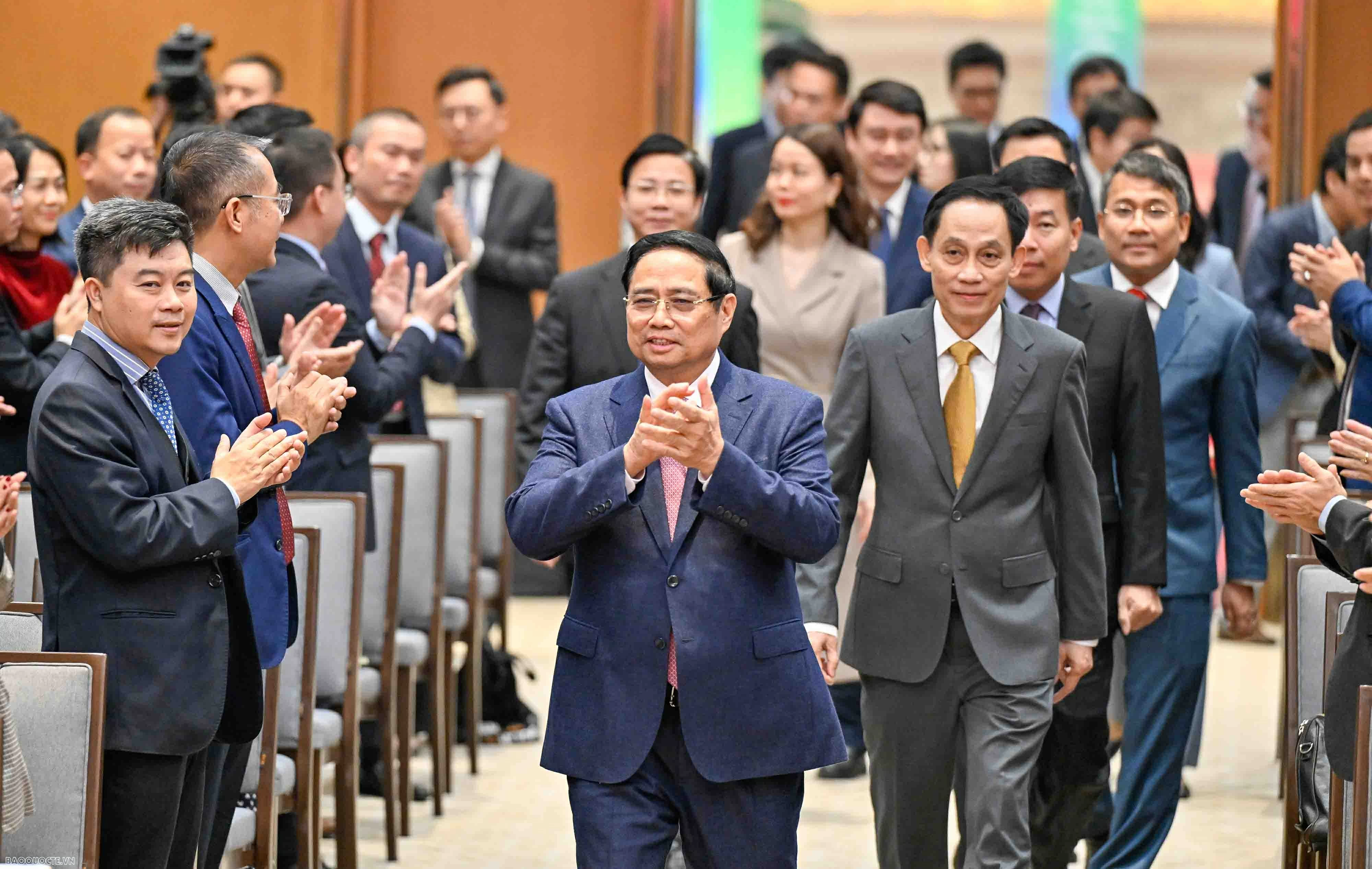 |
| Prime Minister Pham Minh Chinh attends the National Conference reviewing diplomacy sector in 2025 and the key tasks for 2026. (Photo: Nguyen Hong) |
Relations with major countries, important partners, and regional countries are increasingly deepening and effective, with strategic trust strengthened, highlighted in areas such as economy, trade, science and technology, innovation, digital transformation, energy, education, healthcare, and addressing non-traditional security challenges. Relations with traditional friends and countries in Europe, Latin America, the Middle East-Africa, and the Global South continue to develop across various dimensions, deepening friendship and substantive cooperation.
On the multilateral front, we continue to achieve significant results in line with the Politburo's Resolution 59 on international integration in the new context and the Secretariat's Directive 25 on elevating multilateral diplomacy. Amidst challenges facing multilateral institutions, Vietnam continues to demonstrate strong faith, responsibility, and commitment to multilateralism, upholding international law; actively participating in the pillars of multilateral institutions, especially ASEAN, the United Nations, APEC, and sub-regional mechanisms; continuing responsible participation in the international community's joint efforts to address common challenges such as peacekeeping, disaster relief, greenhouse gas emission reduction, energy security, and food security; proactively proposing initiatives serving the common interests of the international and regional community; participating in many international leadership and management mechanisms such as the Human Rights Council and 6/7 UNESCO mechanisms. The success of multilateral diplomacy is also reflected in the successful organization of conferences in Vietnam, such as the ASEAN Future Forum, P4G Summit, and the signing ceremony of the UN Convention against Cybercrime, affirming Vietnam's role, reputation, and leadership capacity.
Promoting growth, innovating development models
In 2025, economic diplomacy has effectively fulfilled its core and central tasks in foreign affairs, closely following the development goals set by the Party and Government, including a growth target of over 8% and innovating the development model to enhance growth quality towards rapid and sustainable development. The contribution of economic diplomacy is primarily reflected in timely grasping and forecasting global economic trends and new development fields, thereby advising and serving the Government's socio-economic development directives and management.
Economic diplomacy and science-technology diplomacy have promptly implemented major policies of the Politburo, such as Resolutions 57, 59, 66, 68, and 70. Economic diplomacy has been effectively integrated into high-level foreign affairs activities, achieving a record number of commitments and agreements in areas of need and interest, such as market diversification, investment attraction, strategic connectivity, and deeper integration into regional and global supply chains. Economic diplomacy activities have focused on enhancing support for connecting localities and businesses, thereby expanding markets and partners to meet the development goals of various sectors, fields, and localities.
Science-technology diplomacy has become a new spearhead, focusing on innovation, digital transformation, and green transition, contributing to realizing the development of 11 strategic technologies, making substantive contributions to the implementation of the Politburo's Resolution 57.
Amidst global trade uncertainties and unexpected policy adjustments by many countries, economic diplomacy has contributed to addressing emerging issues, advising on flexible policy responses, enhancing adaptability, resilience, and strategic autonomy of the economy, maintaining growth momentum. The country's total import-export turnover in 2025 exceeded 900 billion USD, reinforcing Vietnam's position among the top 15 largest trading economies globally. Promoting new FTA negotiations, expanding the Halal market, and diversifying supply chains have contributed to enhancing the economy's potential and resilience.
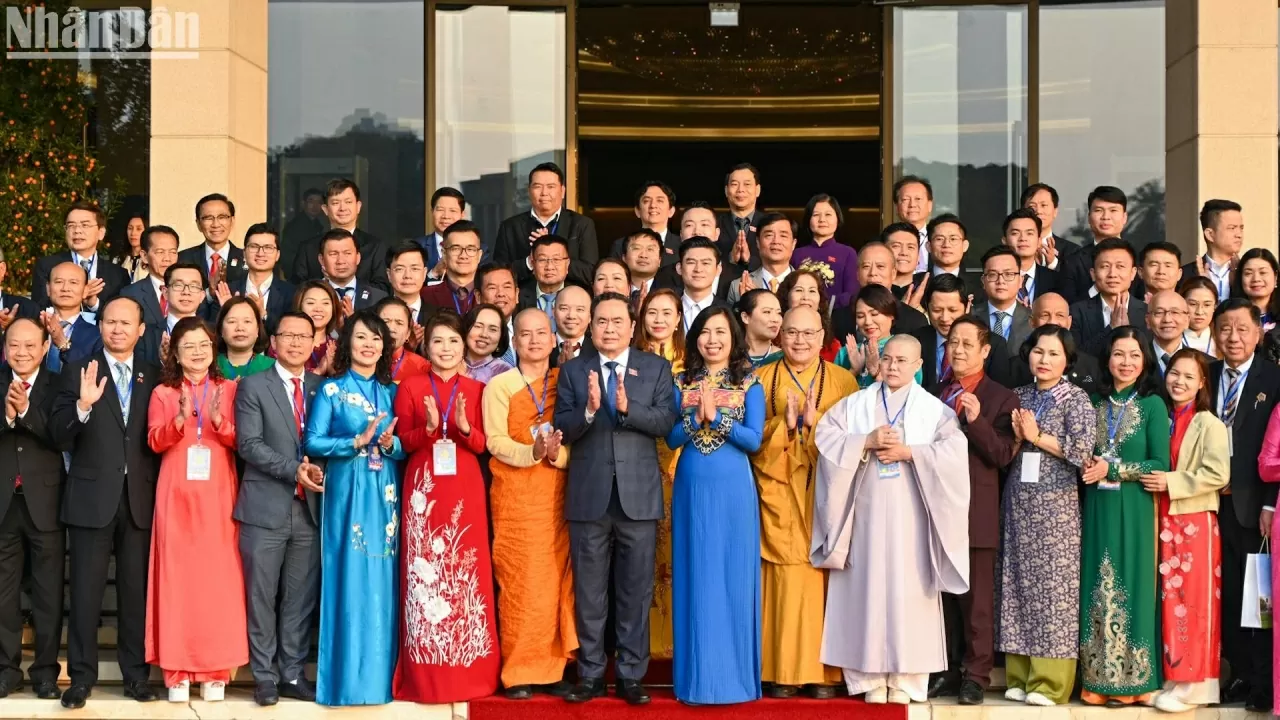 |
| National Assembly Chairman Tran Thanh Man meets with the Vietnamese community abroad attending the "Spring Homeland" program in 2025 at the National Assembly House on January 19, 2025. (Source: Nhan Dan Newspaper) |
Through diverse and creative foreign economic activities, international investment inflows into the country continue to reach new record levels. Registered FDI in 2025 reached approximately 35.2 billion USD (up 15.6%), while disbursed capital reached a record nearly 23 billion USD. Encouragingly, investment projects have improved in quality, focusing on priorities such as science and technology-based development, innovation, environmental protection, and strategic infrastructure development with a long-term vision.
Leveraging the nation's soft power
Foreign affairs in 2025 contribute to enhancing the nation's comprehensive strength by leveraging soft power, cultural values, and humanitarian spirit, serving the practical interests of the people. The Cultural Diplomacy Strategy to 2030 is being systematically and professionally implemented with a variety of rich and diverse activities, such as successfully organizing the Vesak Buddha Day, meetings, and Vietnam Week events abroad. In 2025, with the efforts of ministries, sectors, and localities, including the active role of the Ministry of Culture, Sports and Tourism, and relevant localities, we achieved 7 new UNESCO titles, bringing Vietnam's total to 77 across 34 provinces and cities. The "International Decade for Culture for Sustainable Development" initiative approved by UNESCO is an important contribution by Vietnam, promoting the integration of culture and development. External information work is increasingly proactive, not only promoting the national image but also protecting the Party's ideological foundation and national interests in a complex, multi-dimensional information environment.
Citizen protection work has been timely and effective at hotspots such as Israel, Iran, and the complex situations in Myanmar, Thailand, and Cambodia, safely bringing thousands of citizens home. Work with overseas Vietnamese has made significant progress, strongly arousing patriotism and a sense of connection to the homeland. Remittances reached a record level of over 16 billion USD, a substantial material resource contributing practically to the nation's development.
Contributing to the overall picture, people-to-people diplomacy has played a bridging role, fostering friendship and mutual understanding, thereby garnering valuable support from progressive people worldwide and creating a sustainable foundation for the nation's foreign relations.
Building a comprehensive, modern, and professional diplomatic sector
Alongside implementing foreign affairs tasks, sector building work is conducted seriously and systematically based on deeply understanding the Party Central Committee's Resolution No. 18-NQ/TW.
In 2025, the diplomatic sector has urgently and seriously reviewed, reorganized, and completed the organizational model towards streamlining, effective, and efficient operations. Through mergers, the number of units in the Ministry of Foreign Affairs has been reduced by 42.5%, while assuming the Party's diplomacy tasks and part of the National Assembly's foreign affairs functions to ensure unified management and synchronized, interconnected foreign affairs activities.
The coordination mechanism between the three pillars of Party diplomacy, state diplomacy, and people-to-people diplomacy, along with close integration with defense, security, and external affairs of ministries, sectors, and localities from central to local levels, is increasingly harmonious, synchronized, and effective, helping to develop policies faster, more proactively, and with higher quality, especially in urgent situations.
Many important legal documents have been completed, creating a favorable institutional foundation for foreign affairs and international integration, from the amended Law on International Treaties, the amended Nationality Law, to the new Regulation on unified management of foreign affairs activities and the National Assembly's Resolution No. 250/2025/QH15 dated December 10, 205 on special mechanisms and policies to enhance international integration effectiveness.
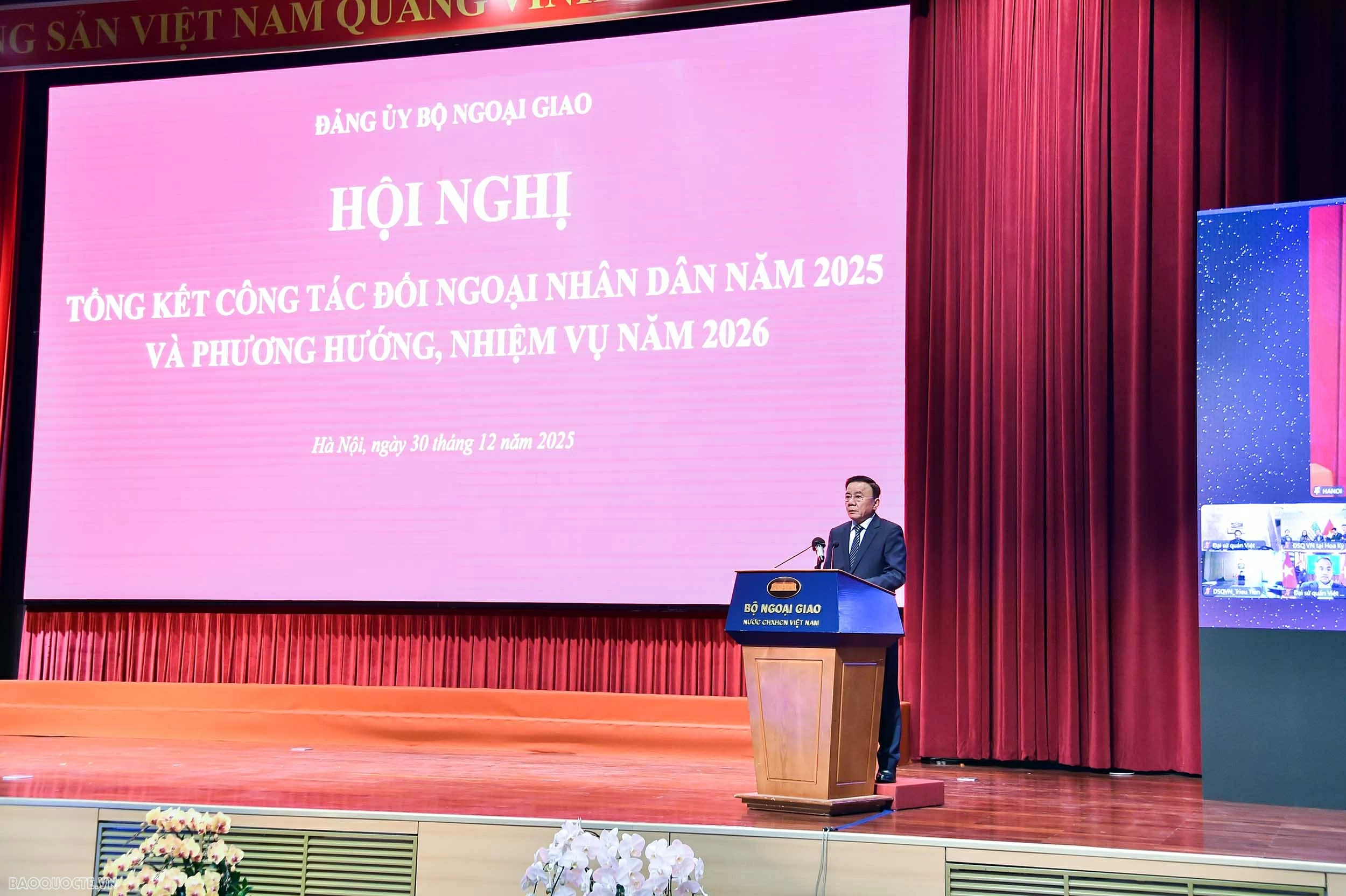 |
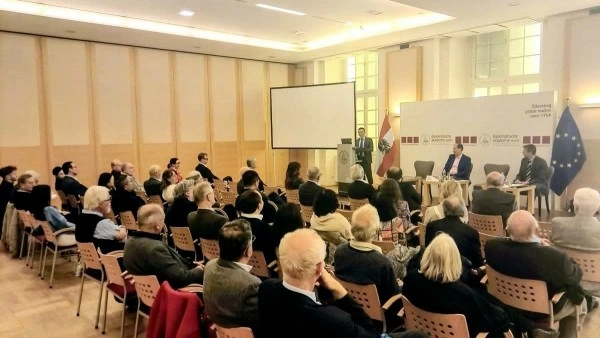
| Politburo Member, Standing Member of the Secretariat Tran Cam Tu attends and delivers a directive speech at the Conference reviewing People-to-People Diplomacy in 2025 and the tasks for 2026 on December 30, 2025. (Photo: Quang Hoa) |
Training and capacity building for staff have been comprehensively renewed in terms of thinking, implementation methods, and resource allocation, aiming to build a foreign affairs team that is "both virtuous and talented", emphasizing innovation, discipline, professionalism, political courage, and absolute loyalty to the Party, the nation, and the people. The modernization of facilities and digital transformation in foreign affairs work is also being accelerated, gradually laying the foundation for building a comprehensive, modern, and professional Vietnamese diplomacy in the new era.
The achievements and results are thanks to the comprehensive, absolute, and direct leadership of the Party, regularly the Politburo and Secretariat led by General Secretary To Lam, the timely, synchronized, and creative implementation of the Party and State's guidelines and policies, the concerted efforts of the entire political system, foreign affairs forces of ministries, sectors, localities, people, and businesses, and the support of international friends and partners.
Promoting the pioneering role, essential and regular tasks of external affairs
Adhering to the theme of the 14th National Party Congress on the spirit of "strategic autonomy, self-reliance, confidence, advancing strongly in the nation's era of rising", external affairs and international integration recognize the need for strong, breakthrough innovation in thinking and action, promoting the pioneering, creative role, along with defense and security, in carrying out the "essential, regular tasks (4)", "developing external affairs in the new era, commensurate with the nation's historical, cultural stature, and new position and strength (5)", and "accelerating the implementation of a comprehensive affairs strategy at a new heigh (6)", contributing to the global economy, global politics, and human civilization.
The immediate task of the entire diplomatic sector and external forces of ministries, sectors, and localities is to deeply understand and effectively implement the foreign policy of the 14th National Party Congress, focusing on intelligence, urgently developing an Action Program to implement the Congress's Resolution. The orientations of the Central Party, Politburo, Secretariat, Government, and National Assembly are fundamental guidelines for synchronized, unified implementation of foreign affairs activities from central to local levels, across all sectors and levels. The motto of foreign affairs is the determination to quickly and accelerate the implementation of the Party's new viewpoints and policies, the State's policies into life, transforming strategic orientations into specific, substantive, and measurable results with the spirit of continuous innovation in thinking and implementation methods. The highest requirement of foreign affairs in the coming time is to ensure the effective implementation of the Party's guidelines from the early days of the term, creating favourable momentum for the nation's new era. To fulfill these tasks, mottos, and requirements, foreign affairs forces will continue to prioritize and continuously improve the quality of research, advisory, coordination, and implementation work.
Under the wise leadership of the Party and State, Vietnam's foreign affairs are determined to leverage intelligence, courage, responsibility, and the spirit of serving the nation and people, to effectively contribute alongside other forces and sectors to achieving the nation's strategic goals in the new era.
1. Article by General Secretary To Lam: “Vietnam Steadfastly Advances into a New Era and the Issues Posed for the Cause of Safeguarding the Fatherland.
2. In 2025, 75 foreign-affairs activities by key leaders were conducted, representing a 1.5-fold increase compared with the previous year.
3. Through this network, Vietnam has established Comprehensive Strategic Partnerships with all five permanent members of the United Nations Security Council and with 18 of the 21 G20 members.
4. Draft Documents of the 14th National Congress of the Communist Party of Vietnam.
5. Draft Documents of the 14th National Congress of the Communist Party of Vietnam.
6. General Secretary To Lam delivers the closing remarks at the 15th Plenum of the 13th Party Central Committee, December 23, 2025.


