




International Culinary Culture Festival 2026: Timor-Leste Ambassador João Pereira spreads a message of peace through traditional dishes
WVR - “Food brings peace” was the message emphasised by Timor-Leste’s Ambassador to Vietnam João Pereira in an interview with The World and Vietnam Report on the sidelines of the International Culinary Culture Festival 2026.
Latest
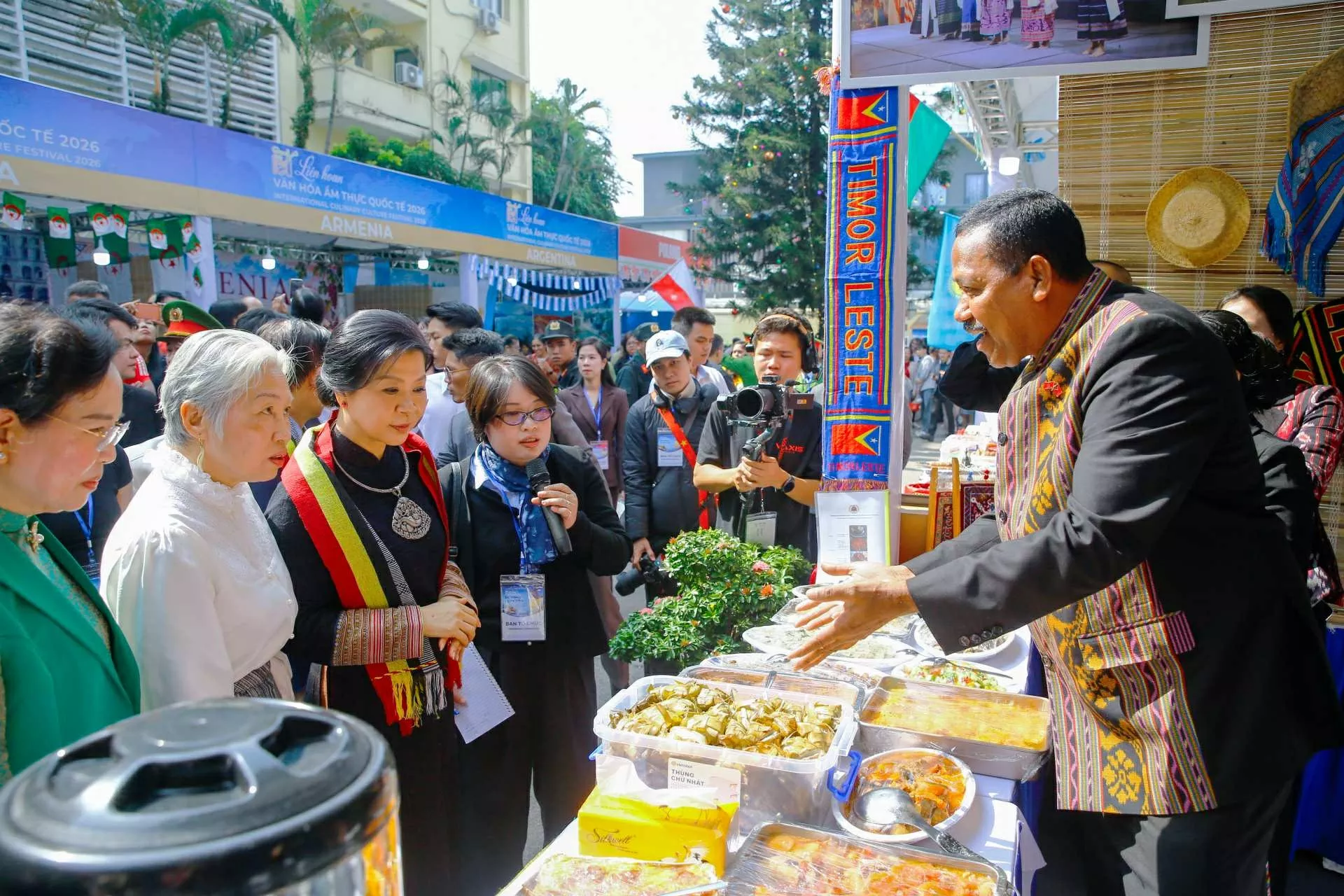 |
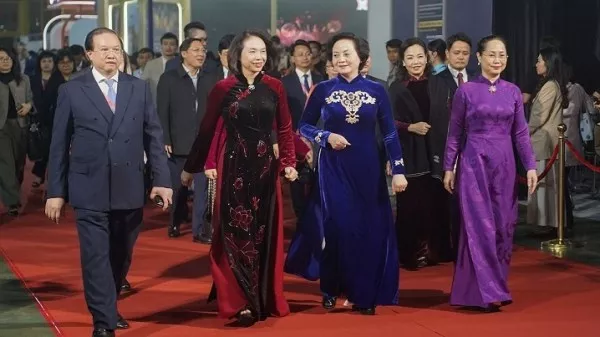
| Timor-Leste’s Ambassador to Vietnam João Pereira introduces his country’s traditional dishes to Madame Ngo Phuong Ly, spouse of General Secretary and President To Lam, and Madame Le Nguyet Anh, spouse of Foreign Minister Le Hoai Trung, at the International Culinary Culture Festival 2026. (Photo: Anh Tuan) |
Sharing his impressions of the International Culinary Culture Festival 2026, Timor-Leste’s Ambassador to Vietnam João Pereira highlighted the event’s significance in showcasing cultural identities, promoting cultural exchange and strengthening mutual understanding among nations.
As ASEAN’s newest member, Timor-Leste particularly valued the opportunity to participate in this cultural exchange event organised by the Service Department for Diplomatic Corps, bringing the distinctive culture of its country and people closer to the Vietnamese public and international friends.
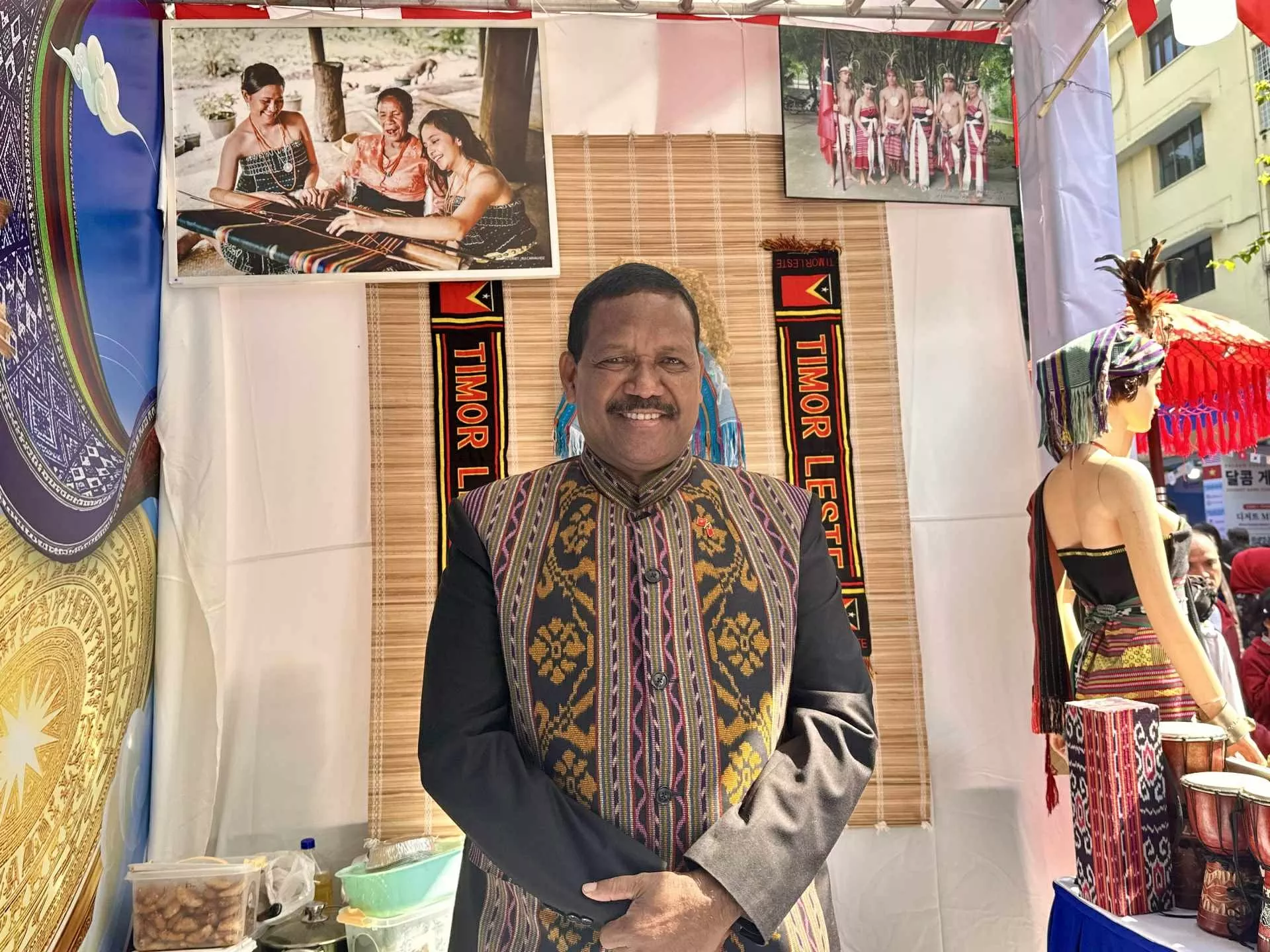 |
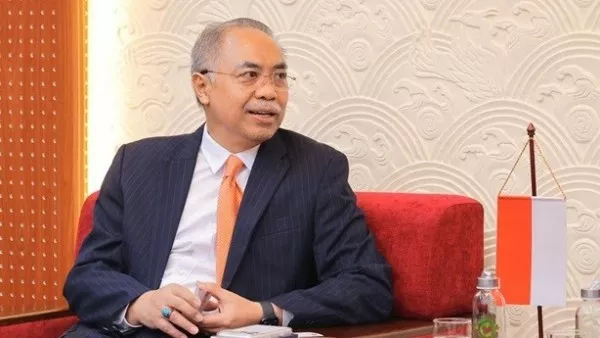
| Timor-Leste’s Ambassador to Vietnam João Pereira. (Photo: Yen Vi) |
According to the Ambassador, every dish has its own distinctive character, reflecting the richness of each nation’s traditions, customs and way of life.
“Through food, we can appreciate the richness and diversity of cultures around the world. It is this very diversity that has the power to bring people together,” Ambassador João Pereira shared.
From this perspective, the Timorese diplomat emphasised that the Festival’s value also lies in the encounters, conversations and warmth shown by visitors towards the people and cultures of participating countries.
Behind every dish is a story of the people who have created and preserved its distinctive flavours.
“When we enjoy a dish, we also remember the people who prepared it. That is why I say that food brings peace,” the Ambassador remarked.
Bringing this spirit of cultural exchange and sharing to this year’s Festival, Timor-Leste showcased traditional dishes reflecting its national identity and the cultural influences that have shaped the country throughout its history.
The culinary colours of Timor-Leste
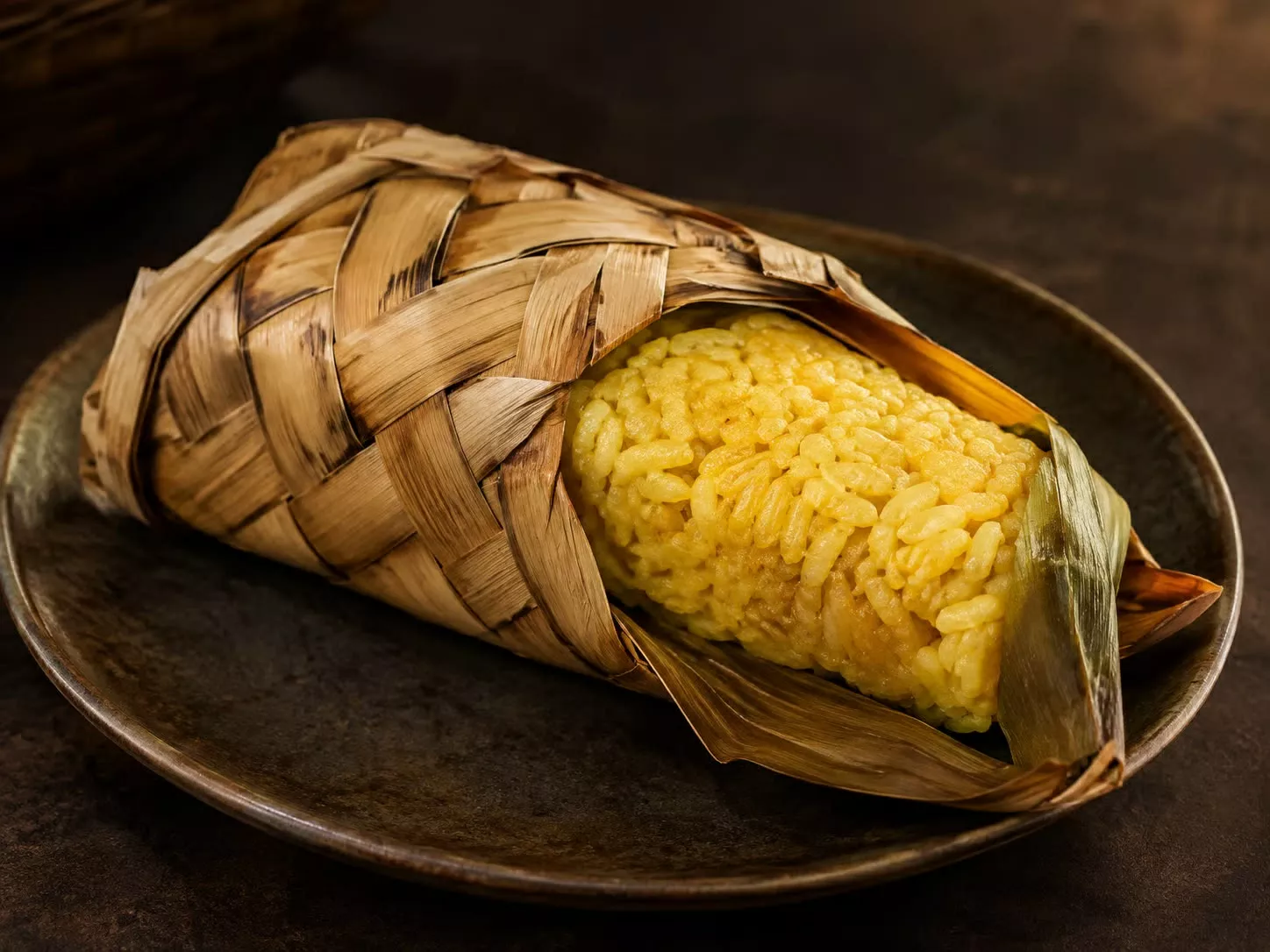 |
| Katupa, a traditional dish of Timor-Leste. (Source: Menuella) |
Among the highlights was katupa (rice wrapped in coconut leaves), a traditional dish prepared with rice and coconut oil, commonly enjoyed during festivals and celebratory occasions in Timor-Leste.
Another speciality was torta de batata (potato pie), a dish influenced by Portuguese culinary traditions, made primarily with potatoes, cheese and various types of meat or fish.
According to the Ambassador, the dish can also be prepared with tuna to accommodate different dietary requirements and preferences, including those of diners who follow a halal diet.
The menu also featured feijoada (a bean and meat stew), caldeirada (a fish or seafood stew) and vegetable dishes made with papaya, a familiar ingredient in Timorese cuisine.
The combination of indigenous dishes and flavours influenced by other cultures reflects the diversity of this Southeast Asian nation’s culinary heritage.
Alongside traditional dishes, the Timor-Leste booth introduced visitors to its distinctive Arabica coffee. Ambassador João Pereira explained that while Vietnam is renowned for its Robusta coffee, Timor-Leste excels in Arabica production thanks to its mountainous terrain, offering visitors another opportunity to discover the country’s coffee culture.
Through his experiences with Vietnamese cuisine, the Timorese diplomat has also recognised numerous similarities between the two countries, particularly in their use of ingredients and preservation of traditional culinary practices.
Pork, for instance, is a common ingredient in both Vietnamese and Timorese cuisine, contributing to the familiar flavours of everyday meals.
The two countries also share similarities in their traditions of enjoying alcoholic beverages, with traditional drinks served during festivals and community gatherings.
Reflecting on these similarities, Ambassador João Pereira noted that connections between cultures can begin with the simple things in everyday life.
Despite their distinctive flavours and customs, nations can always find common ground through the stories shared around the dining table.