








International Culinary Culture Festival 2026: Flavours of ASEAN showcase 11 countries, celebrating culinary diversity
WVR - One of the highlights of the International Culinary Culture Festival 2026 is the “Flavours of ASEAN” area, alongside two other themed areas, “Proud of Vietnam” and “Flavours of the World”. Join The World and Vietnam Report in exploring the distinctive dishes that define the culinary identities of ASEAN’s 11 member states.
Latest
Sharing the traditions of wet-rice cultivation, a tropical climate and a long history of trade, Southeast Asian countries have developed culinary cultures that embrace common characteristics while retaining their own distinctive identities.
Brunei - The distinctive flavours of the Malay kitchen
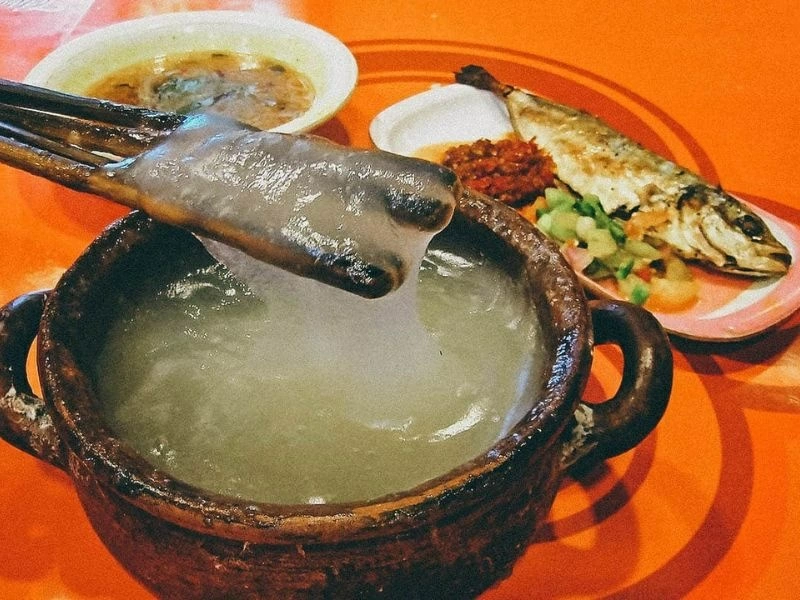 |
| Ambuyat, a speciality of Brunei, stands out for its translucent, sticky texture and unique way of eating, accompanied by richly flavoured dipping sauces. (Source: Agoda) |
Deeply rooted in Malay culture and influenced by Islamic dietary practices, Bruneian cuisine makes extensive use of rice, beef, chicken, fish, seafood and tropical spices.
One of the country’s most distinctive specialities is ambuyat, a dish made from starch extracted from the trunk of the sago palm. When mixed with hot water, the starch gradually develops into a translucent, sticky mixture with a mild flavour.
What makes ambuyat particularly interesting is the way it is eaten. Instead of using a spoon, Bruneians use candas, a two-pronged bamboo utensil, to twirl small portions of the starch before dipping them into cacah, a sauce that typically has a sour and spicy flavour. Its soft, slippery texture allows diners to swallow it without chewing.
Meanwhile, nasi katok (white rice served with fried chicken and sambal chilli sauce) is a popular and affordable meal. Its name is associated with the story of customers knocking on vendors’ doors to buy rice late at night.
Bruneians also have various ways of preparing glutinous rice, notably kelupis (glutinous rice wrapped in leaves and steamed) and pulut panggang (glutinous rice wrapped in leaves and grilled over charcoal).
Cambodia - The essence of Khmer cuisine
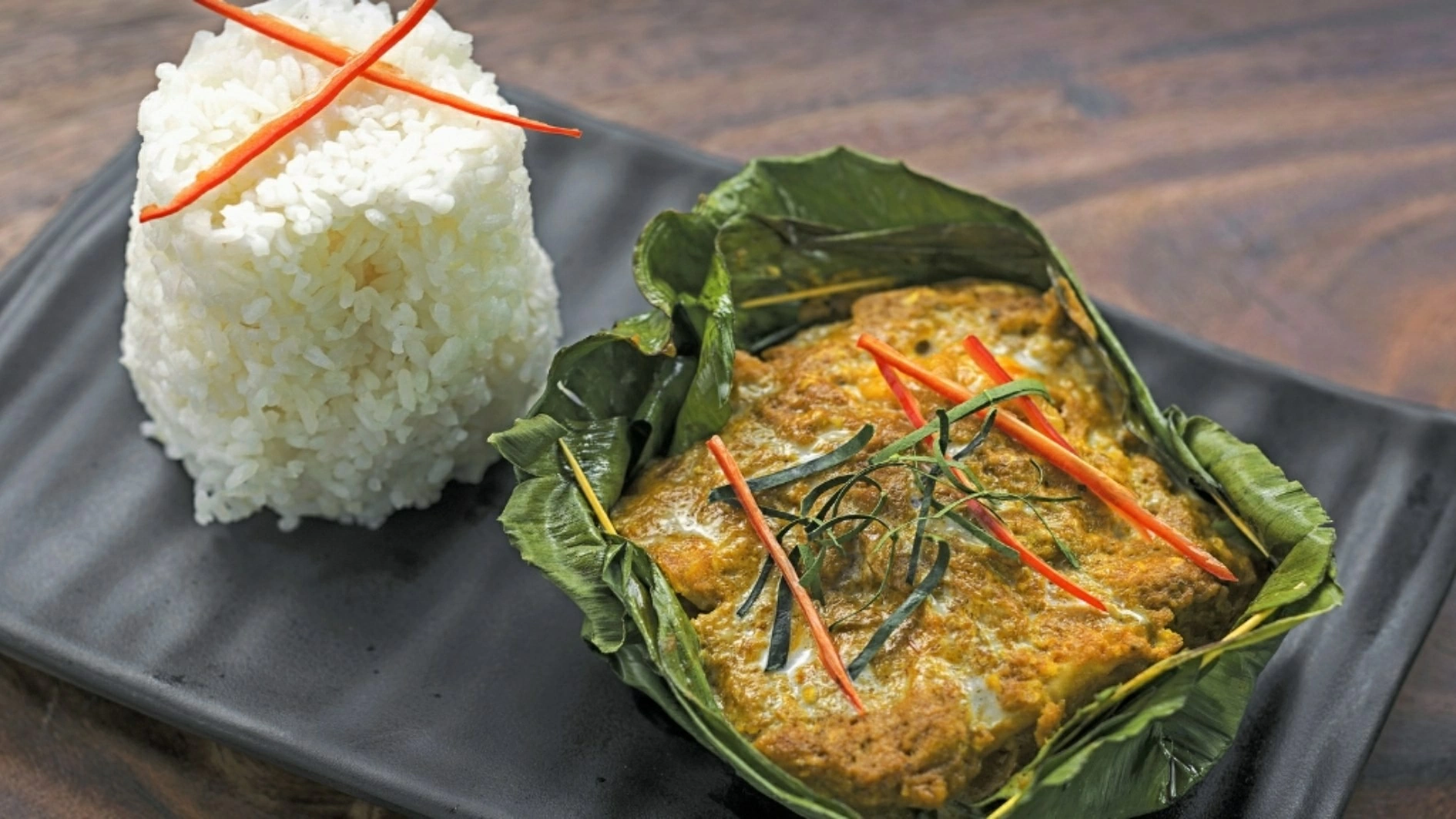 |
| Cambodia’s amok trey (fish curry steamed in banana leaves) combines the delicate richness of coconut milk with the fragrance of traditional Khmer spices. (Source: Hanoi Voyages) |
The abundance of the Mekong River and Tonle Sap Lake provides Cambodia with a plentiful supply of food. Freshwater fish, rice and aromatic herbs have consequently become staple ingredients in Khmer kitchens.
Among the most representative dishes is amok trey, a fish curry steamed in banana leaves. In Khmer, “trey” means fish. The dish is prepared using coconut milk, eggs and kroeung, a spice paste made by pounding lemongrass, galangal, turmeric and various herbs.
Once steamed, the ingredients blend into a smooth, delicate, custard-like texture, with a mild richness and distinctive aroma.
While amok trey requires skill in balancing spices, num banh chok (Khmer rice noodles) reflects the simplicity of everyday life. Rice noodles are served with fish curry and accompanied by banana blossoms, cucumber, raw vegetables and fresh herbs.
A typical Cambodian breakfast also includes bai sach chrouk (rice with grilled pork and pickled vegetables). Cambodia is equally renowned for lok lak, a richly seasoned stir-fried beef dish served with a pepper and lime dipping sauce.
Indonesia - The rich spices of the archipelago
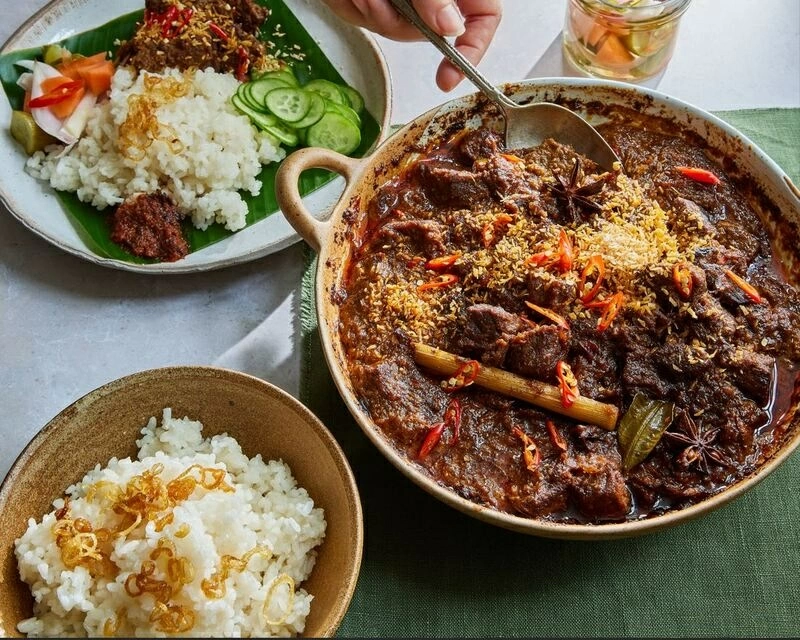 |
| Rendang, an Indonesian speciality, is slow-cooked to ensure that the beef becomes tender and absorbs the rich flavours of the spices. (Source: Tilda Rice) |
Once occupying an important position along the historic spice trade routes, Indonesia boasts a rich culinary heritage featuring cloves, nutmeg, turmeric, galangal and numerous other aromatic ingredients.
Originating from the Minangkabau community of West Sumatra, rendang (meat slow-cooked in coconut milk and spices) is typically prepared with beef, lemongrass, galangal, chillies and various aromatic ingredients.
The cooking process can take several hours. As the coconut milk gradually reduces, the spices penetrate the meat, giving it a deep brown colour and distinctive aroma. This cooking method also helps preserve the meat for longer.
Alongside rendang, nasi goreng (Indonesian fried rice) is distinguished by its glossy brown colour and the characteristic sweet and savoury flavour of kecap manis, Indonesia’s signature sweet soy sauce. The dish is commonly served with a fried egg, cucumber and crispy crackers.
Meanwhile, sate (grilled meat skewers) comes in numerous regional variations. For vegetable lovers, gado-gado (vegetable salad with peanut sauce) offers an appealing combination of boiled vegetables, tofu and eggs.
Notably, in 2018, Indonesia’s Ministry of Tourism selected rendang, nasi goreng, sate, gado-gado and soto (traditional soup) as five signature dishes representing the country’s cuisine.
Laos - The simple charm of glutinous rice
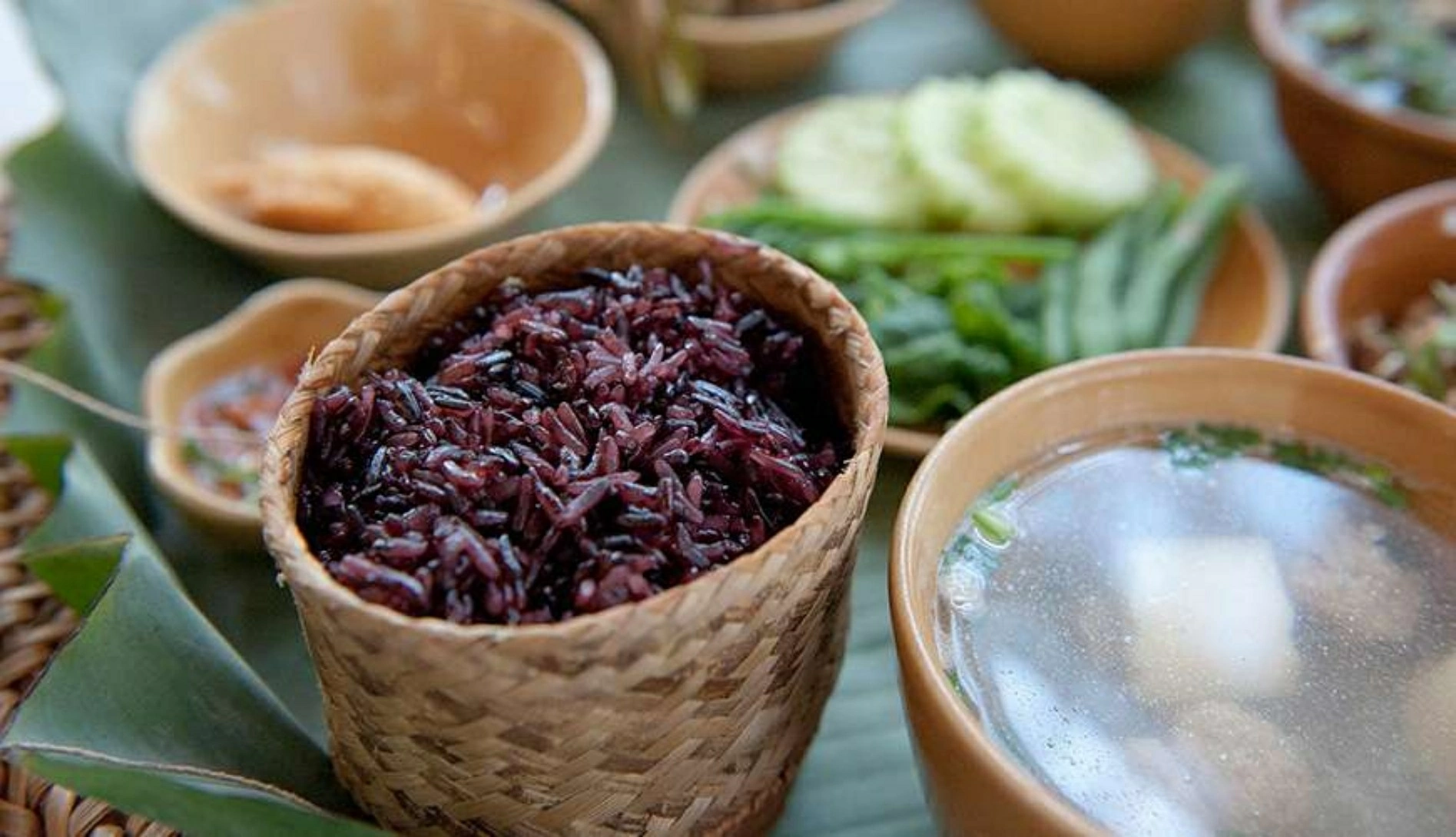 |
| Khao niaw (sticky rice), traditionally served in woven bamboo baskets, is an indispensable part of Lao meals. (Source: Ms Linh’s Adventure) |
Glutinous rice holds a special place in the daily lives of Lao people. Khao niaw (sticky rice) is traditionally served in woven bamboo baskets with lids. Diners use their hands to shape the rice into small portions before dipping them into sauces or eating them with meat and fish dishes.
One of the dishes commonly enjoyed with sticky rice is laap, made from finely chopped meat or fish mixed with lime juice, chillies, toasted rice powder and fresh herbs. In Lao culture, laap is also associated with good fortune and is therefore frequently served during festivals, New Year celebrations and family gatherings.
With its distinctive sour and spicy flavours, tam mak hoong (green papaya salad) is prepared by pounding the ingredients in a mortar to allow the seasonings to blend thoroughly. One ingredient that gives the dish its distinctive character is padaek, a richly flavoured fermented fish sauce.
Lao people also enjoy khao piak sen, a noodle soup featuring soft, chewy noodles made from rice flour and tapioca starch.
Jeow, a collective term for traditional dipping sauces, also plays an important role in Lao meals. Simple ingredients such as aubergines, tomatoes and grilled chillies are pounded together with seasonings and served with sticky rice and vegetables.
Malaysia - Flavours at a cultural crossroads
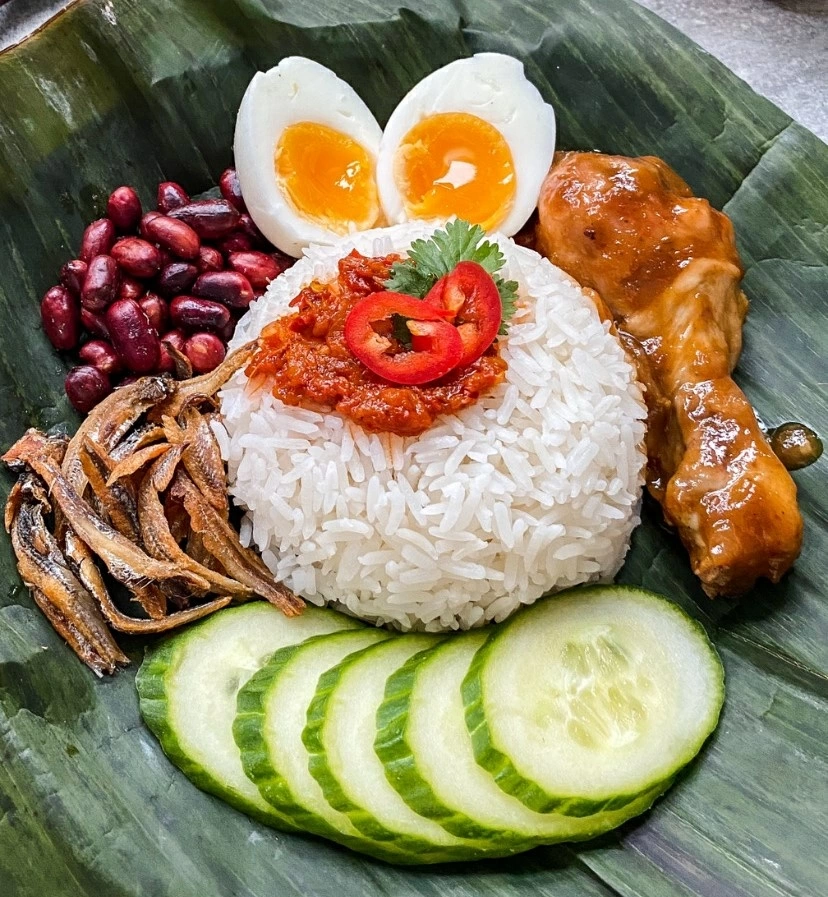 |
| Malaysia’s nasi lemak (rice cooked in coconut milk) derives its distinctive flavour from the combination of fragrant, rich rice, sambal chilli sauce and various accompaniments. (Source: Tilda Rice) |
The influences of Malay, Chinese and Indian cultures are clearly reflected in Malaysia’s culinary traditions, even in its familiar breakfast dishes.
A prime example is nasi lemak, rice cooked with coconut milk and pandan leaves, served with sambal chilli sauce, crispy fried anchovies, roasted peanuts, boiled eggs and cucumber. Traditionally, the dish is wrapped in banana leaves to preserve the fragrance of the rice.
Another popular breakfast choice is roti canai, a flatbread with roots in Indian cuisine. The dough is stretched, flattened and folded into multiple layers before being cooked on a griddle. This process creates a crispy exterior and soft interior, with the bread typically served alongside curry.
A Malaysian breakfast also commonly features teh tarik (pulled milk tea). Its name derives from the technique of repeatedly pouring tea between two containers from a height to create a fine layer of froth.
In 2024, Malaysia’s breakfast culture was inscribed on UNESCO’s Representative List of the Intangible Cultural Heritage of Humanity.
Alongside dishes enjoyed nationwide, each locality boasts its own specialities. Penang is renowned for char kway teow (stir-fried flat rice noodles with prawns, eggs and bean sprouts) and asam laksa (a noodle dish with a distinctive sour broth made from fish and tamarind).
Myanmar - The unique tradition of eating tea
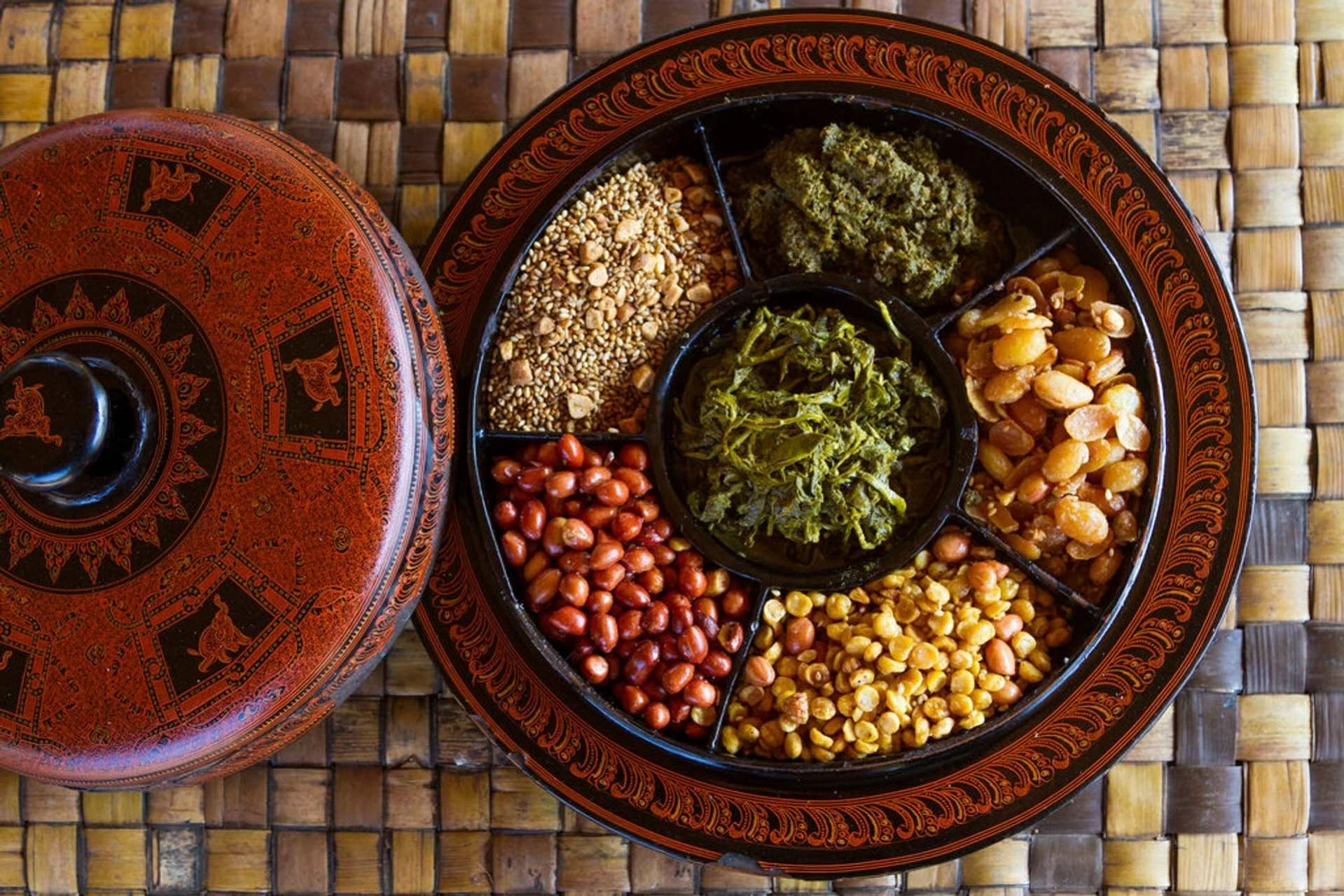 |
| Lahpet thoke (fermented tea leaf salad) is a distinctive Myanmar dish, often served to guests or enjoyed during family gatherings. (Source: Olive Magazine) |
Situated at the crossroads of South Asia, East Asia and Southeast Asia, Myanmar has absorbed numerous culinary influences from neighbouring countries while preserving its own distinctive cooking traditions, particularly the use of fermented ingredients.
For many people in Myanmar, the day begins with a steaming bowl of mohinga (rice noodles in fish broth). The broth is prepared with fish, lemongrass, chickpea flour and thinly sliced banana stems. Depending on their preferences, diners may add boiled eggs, fresh herbs or crispy fritters.
A particularly distinctive feature of Myanmar’s culinary culture is that tea leaves are eaten rather than used solely to prepare beverages.
Lahpet thoke (fermented tea leaf salad) combines the mild astringency of tea leaves with the nutty flavours of peanuts, fried beans and toasted sesame seeds, complemented by the aroma of garlic. The salad is often served to guests or enjoyed during gatherings with friends and relatives.
Meanwhile, Shan State is renowned for shan khauk swe, a rice noodle dish served with chicken or pork cooked with tomatoes and spices. Diners can choose between a soup-based version and a dry noodle version, depending on their preferences.
The Philippines - The art of balancing flavours
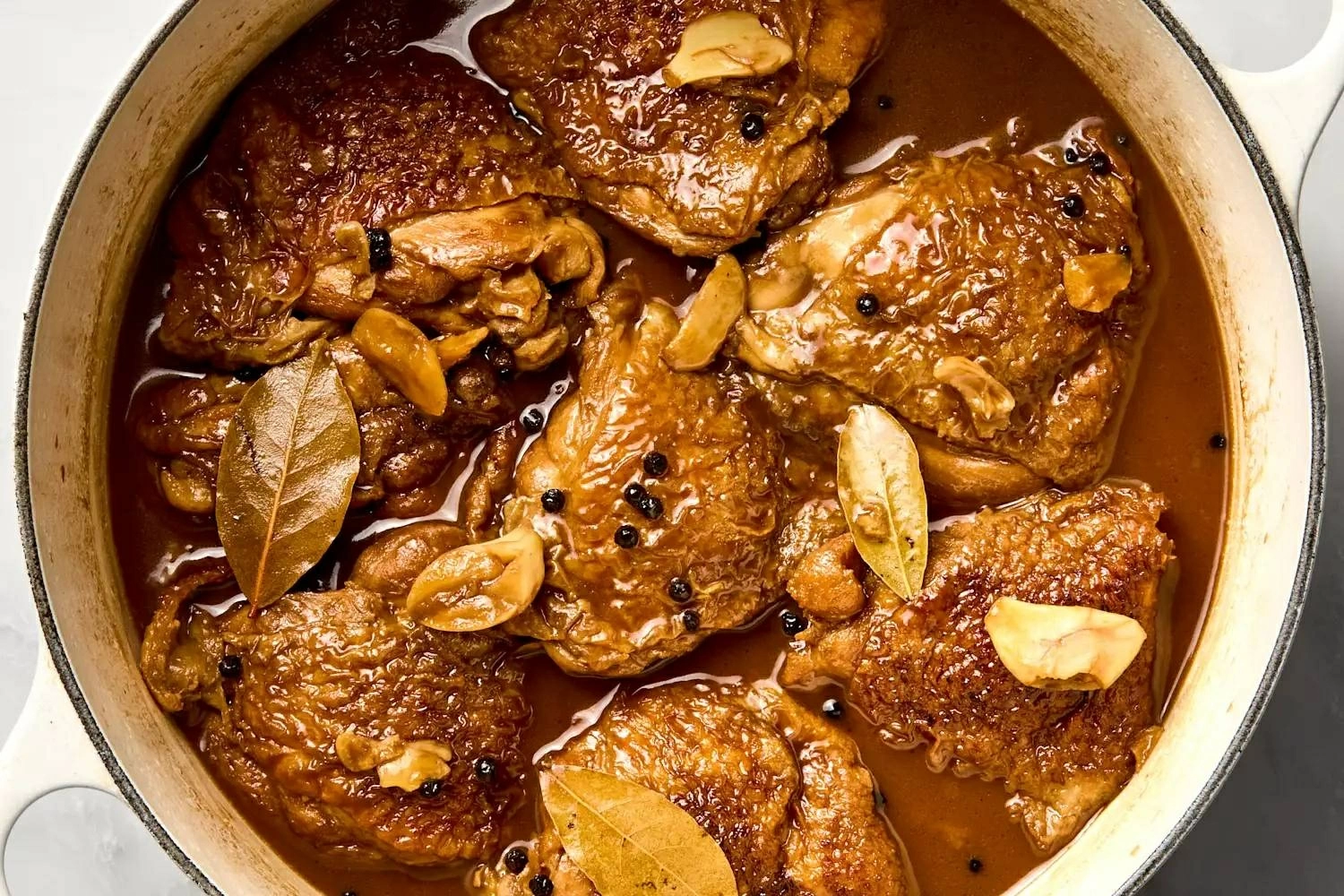 |
| Adobo, a traditional Filipino braised meat dish, is distinguished by the harmonious balance of sour and savoury flavours from vinegar, soy sauce and spices. (Source: The Kitchen) |
Shaped by centuries of interaction between indigenous, Chinese and Spanish cultures, Filipino cuisine has developed distinctive cooking techniques, particularly in its combination of sour, salty and sweet flavours.
Closely associated with family meals is adobo, a dish of chicken or pork braised with vinegar, garlic, soy sauce, peppercorns and bay leaves. Each family may adapt the recipe to suit its own tastes, but vinegar remains an essential ingredient, providing acidity and helping preserve food in the tropical climate.
While adobo is an everyday dish, lechon (whole roasted pig) is commonly served during festivals, weddings and family gatherings. The pig is slowly roasted over charcoal, producing golden, crispy skin while keeping the meat inside tender.
Filipinos are also particularly fond of sinigang, a sour soup typically prepared with tamarind, meat, fish or seafood, and vegetables.
During birthday celebrations, pancit, a collective term for various noodle dishes, is often served. The long noodles symbolise wishes for good health and longevity.
For dessert, halo-halo (shaved ice mixed with milk, jelly, sweetened beans, fruit and ice cream) is a must-try. Its name means “mix” in Filipino, reflecting the way the dessert is enjoyed.
Singapore - A world of flavours on one table
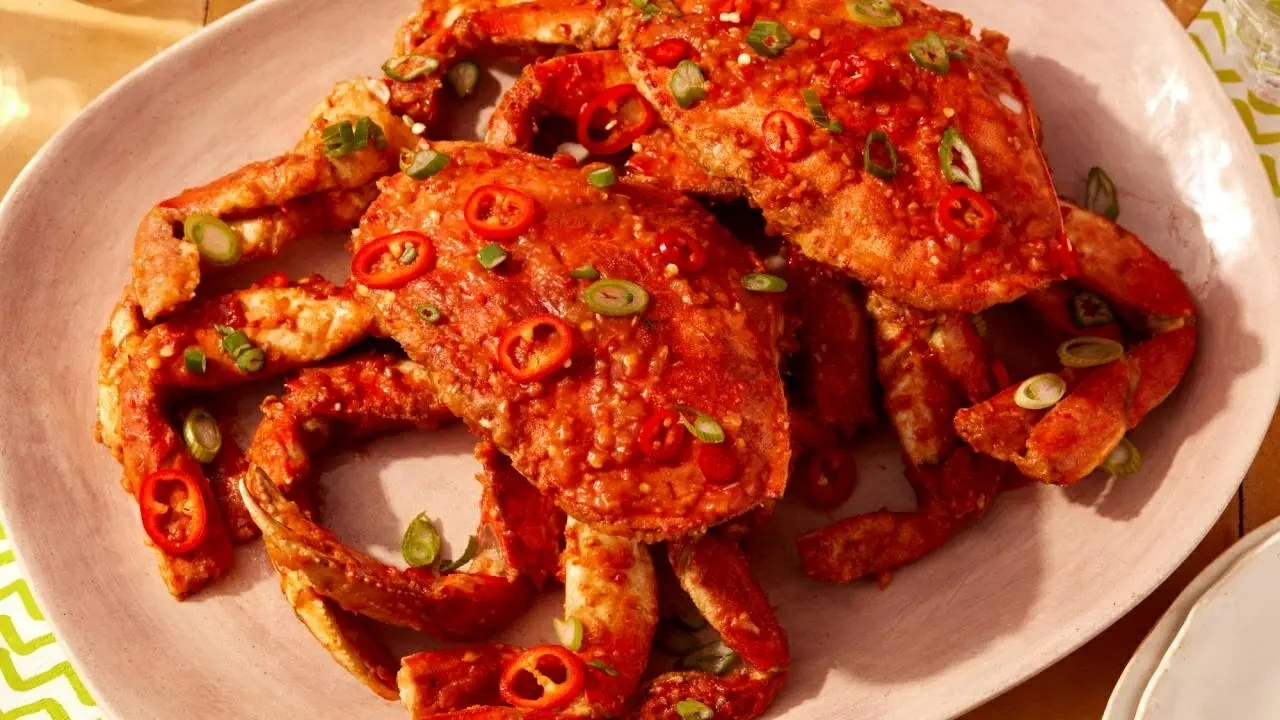 |
| Chilli crab is one of Singapore’s signature dishes, renowned for the natural sweetness of crab meat and its rich, velvety sauce. (Source: Food Network) |
In Singapore, affordable communal dining spaces known as hawker centres have long served as meeting places for Chinese, Malay, Indian and other communities.
In 2020, Singapore’s hawker culture was inscribed on UNESCO’s Representative List of the Intangible Cultural Heritage of Humanity, reflecting the role of food in bringing communities together.
Among the specialities that have earned Singapore its culinary reputation, chilli crab stands out for the natural sweetness of crab meat combined with a sauce made from tomatoes, chillies and eggs. Diners often order mantou (golden-fried, unfilled buns) to dip into the thick, smooth sauce.
Equally renowned is Hainanese chicken rice. Rather than being cooked in plain water, the rice is prepared using chicken stock, resulting in fragrant, delicately rich grains served with chicken, ginger sauce and chilli sauce.
Another speciality is laksa, a noodle dish reflecting Peranakan culinary influences, featuring a broth made with coconut milk, spices, prawns and other seafood.
A traditional Singaporean breakfast is often associated with kaya toast, toasted bread spread with butter and a jam made from eggs, sugar and coconut milk. It is commonly enjoyed with soft-boiled eggs and a cup of traditional coffee.
Thailand - Four flavours behind a culinary reputation
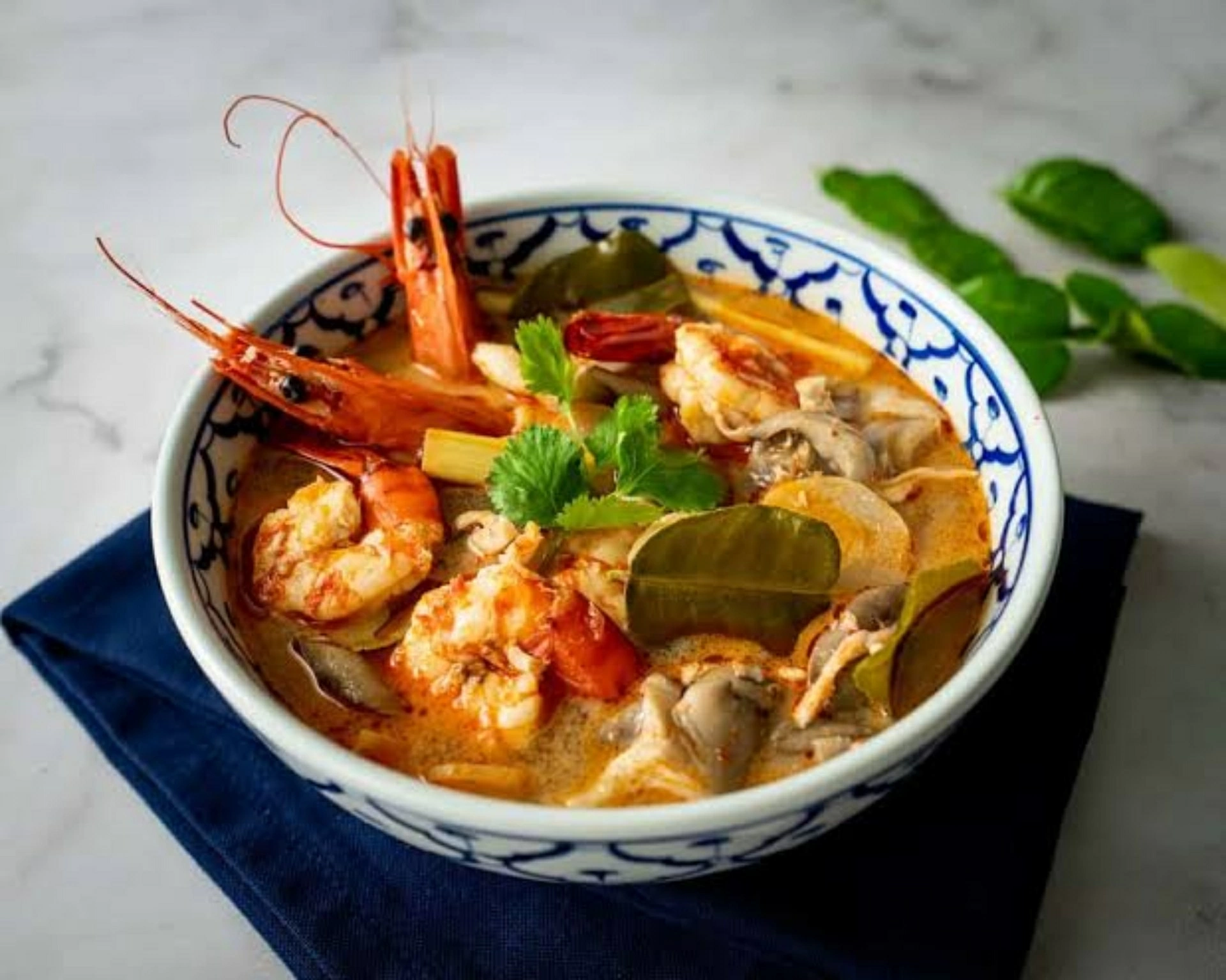 |
| Tom yum goong (hot and sour prawn soup) showcases the art of combining spices and herbs in Thai cuisine. (Source: Hot Thai Kitchen) |
From the tanginess of lime and the fiery heat of chillies to the sweetness of palm sugar, Thai people skilfully combine ingredients to achieve a harmonious balance of flavours in each dish.
This culinary art is particularly evident in tom yum goong, a hot and sour prawn soup. The broth is prepared with lemongrass, galangal, lime leaves, chillies and lime juice. The natural sweetness of fresh prawns balances the sour and spicy flavours of the seasonings.
In 2024, tom yum goong was inscribed on UNESCO’s Representative List of the Intangible Cultural Heritage of Humanity. The dish reflects the knowledge of Thai people in making use of aquatic resources and naturally available herbs and spices.
Another internationally renowned representative of Thai cuisine is pad Thai (stir-fried rice noodles with eggs, tofu, bean sprouts, prawns and tamarind sauce), often topped with roasted peanuts. Diners can adjust the flavours to their liking by adding lime, dried chillies and sugar.
In north-eastern Thailand, som tam (green papaya salad) is a familiar speciality. The ingredients are pounded in a mortar with garlic, chillies, lime and fish sauce, creating a refreshing, crunchy combination of sour and spicy flavours.
Alongside savoury dishes, khao niao mamuang (mango sticky rice) has won over countless international diners with its simple combination of ripe mango, soft glutinous rice and coconut milk.
Timor-Leste - The charm of rustic cuisine
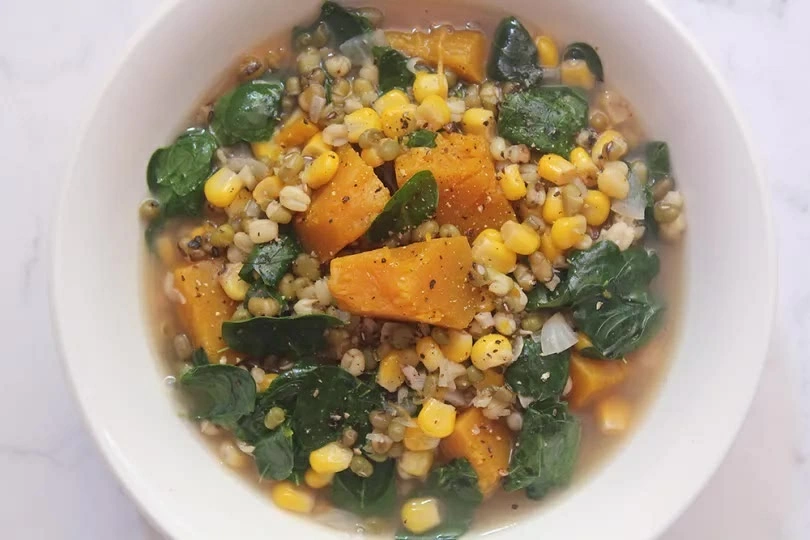 |
| Batar da’an, a rustic dish from Timor-Leste, combines the natural sweetness of maize, beans and pumpkin. (Source: Amcarmen’s Kitchen) |
Having officially become ASEAN’s 11th member on October 26, 2025, Timor-Leste brings new flavours to the region’s culinary landscape. The country’s cuisine draws on mountain produce, coastal seafood and Portuguese cultural influences.
Maize, pumpkin, cassava and various beans are familiar staples in everyday meals. Using these ingredients, local people prepare batar da’an, a dish of maize, beans and pumpkin cooked together, preserving the natural sweetness of the produce.
Benefiting from its coastline, Timor-Leste also boasts a variety of fish dishes. One notable example is ikan sabuko, grilled fish marinated with tamarind and spices.
Another traditional cooking method is tukir, in which meat is cooked inside bamboo tubes over an open fire. The bamboo helps retain moisture, allowing the meat to become tender and absorb the seasonings evenly.
No introduction to Timor-Leste’s agricultural produce would be complete without mentioning coffee. Grown primarily in the highlands, coffee is one of the country’s major exports and provides a livelihood for many households in Southeast Asia’s youngest nation.
Vietnam - A tapestry of flavours from north to south
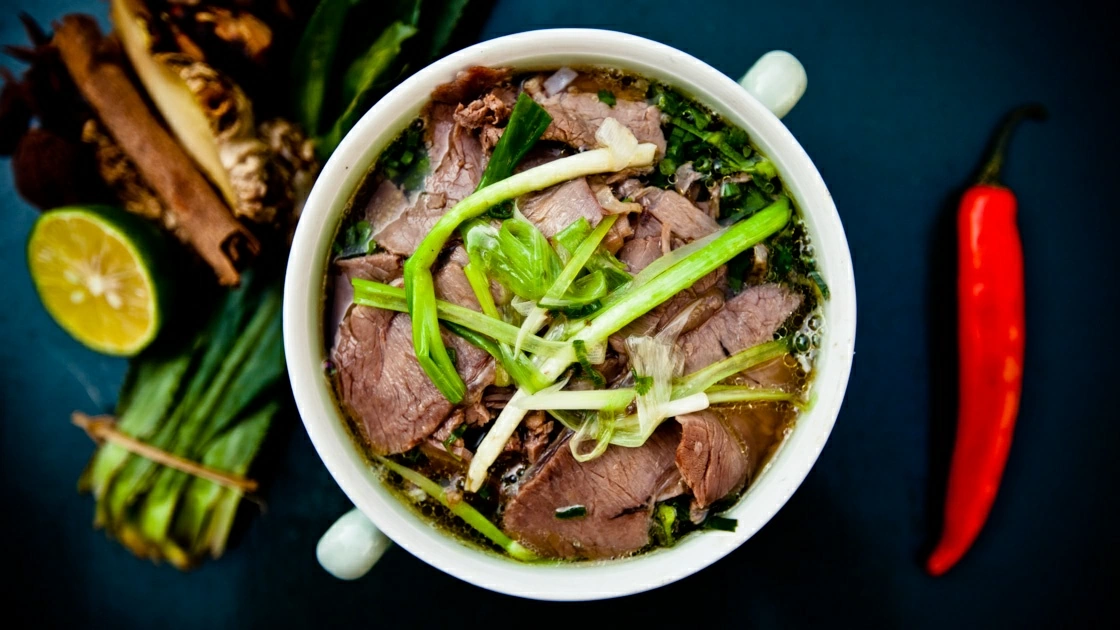 |
| With its delicately sweet broth, soft rice noodles and distinctive aroma of spices, pho has become a global symbol of Vietnamese cuisine. (Source: Vietnam Travel) |
Stretching along an S-shaped coastline, Vietnam’s diverse climate, terrain, ingredients and regional customs have shaped a remarkably rich culinary landscape.
In northern Vietnam, pho is one of the finest examples of the subtle art of seasoning. Its broth is simmered from bones for several hours and served with flat rice noodles, beef or chicken, and various spices. Across the country, Vietnamese people enjoy pho in different ways, from their choice of accompanying herbs to the seasonings they add.
Hanoi is also renowned for bun cha, featuring charcoal-grilled pork, fresh rice vermicelli, raw vegetables and a sweet-and-sour fish sauce. In 2016, the dish attracted considerable international media attention following a dinner shared by US President Barack Obama and chef Anthony Bourdain in the capital.
Travelling southwards to central Vietnam, diners can discover the rich flavours of bun bo Hue, a beef noodle soup with a fragrant broth infused with lemongrass and fermented shrimp paste, or the distinctive character of Hoi An’s cao lau, featuring chewy noodles, char siu pork, fresh herbs and crispy toppings.
Central Vietnam is also famous for traditional rice-based delicacies such as banh beo (steamed rice cakes), banh nam (flat steamed rice cakes wrapped in banana leaves) and banh bot loc (translucent tapioca dumplings).
Meanwhile, the abundance of southern Vietnam’s waterways is reflected in dishes such as ca loc nuong trui (whole snakehead fish grilled over burning straw), canh chua (sour soup), lau mam (fermented fish hotpot) and golden, crispy banh xeo (Vietnamese savoury pancakes), served with garden vegetables and herbs.
Beyond national borders, banh mi, with its crispy crust and diverse fillings, and goi cuon (fresh spring rolls filled with prawns, pork, rice vermicelli and herbs) have become familiar names on the global culinary map.
| Taking place on November 21-22, the 14th International Culinary Culture Festival is organised by Vietnam’s Ministry of Foreign Affairs under the theme “Beyond Flavors”. The event is expected to bring together more than 100 booths and approximately 2,500 domestic and international delegates and guests. - Date: November 21-22, 2026. - Venue: Van Phuc Diplomatic Compound, 298 Kim Ma Street, Hanoi. - Visitor advisory: Due to limited space and parking facilities at the venue, the Organising Committee advises visitors to minimise the use of private cars and prioritise public transport to help reduce traffic congestion. |