




Da Nang: Unlocking strategic resources and shaping a new growth pole
Nearly a decade after successfully hosting the APEC Economic Leaders' Week in 2017, Da Nang is entering a new phase of development, with an expanded economic space, increasingly significant growth potential, and a system of outstanding special mechanisms and policies introduced by the central government.
Latest
From a dynamic and liveable coastal tourism city, Da Nang is now taking on an increasingly prominent role as a strategic growth pole and an important center for external relations, finance, science and technology, and logistics in Viet Nam and the wider Asia-Pacific region.
Looking ahead to APEC Year 2027 in Viet Nam and the strategic milestones of 2030-2045, Da Nang remains committed to building a transparent, innovative and sustainable investment environment. The city is proactively working alongside international partners to connect knowledge, technology and resources, with a view to advancing development, prosperity and peace.
A strategic hub for connectivity within the Asia-Pacific cooperation framework
In Viet Nam's process of international economic integration, the Asia-Pacific region, with the APEC forum and the G20, comprising the world's leading developed and emerging economies, at its core, continues to play a strategic role in regional trade, investment and supply chains.
With its favorable geoeconomic location, Da Nang is well positioned to serve as a connecting hub between the Central Key Economic Region and other regional economies. Politburo Resolution No. 57-NQ/TW on breakthroughs in the development of science and technology, innovation and national digital transformation, together with National Assembly Resolutions No. 136/2024/QH15 and No. 259/2025/QH15, has provided the city with additional institutional foundations and development space to make a major shift in its cooperation strategy with APEC and G20 members: moving beyond the attraction of traditional industries towards semiconductor chips, artificial intelligence (AI), international finance and the development of a Free Trade Zone (FTZ).
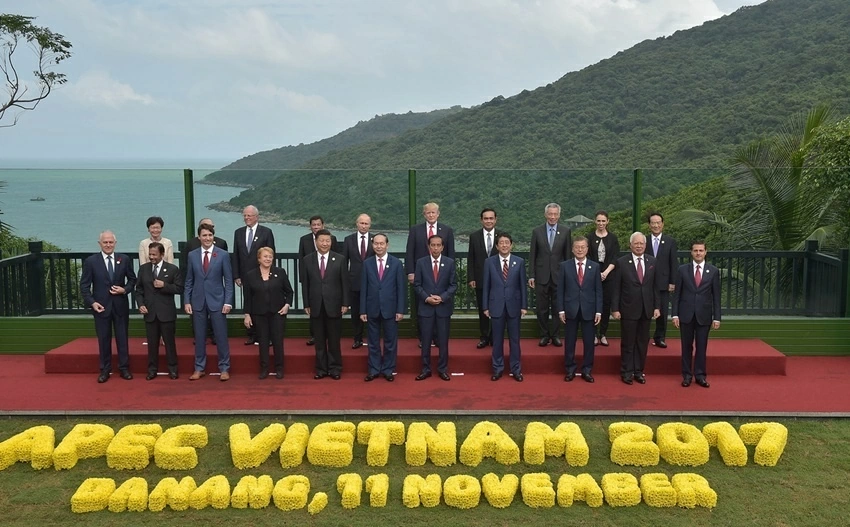 |
| Caption: Da Nang has made remarkable strides, transforming from a coastal tourism and service city into a prominent destination for semiconductor design, artificial intelligence and innovation. (Source: Da Nang City People's Committee) |
This transformation is clearly reflected in the city's network of partnerships with APEC and G20 members. In cooperation with the United States, Da Nang is stepping up semiconductor design training and AI technology transfer through connections with Silicon Valley, the State of Oregon, Arizona State University, and major corporations such as Nvidia, Synopsys, Marvell, Qorvo, and Intel.
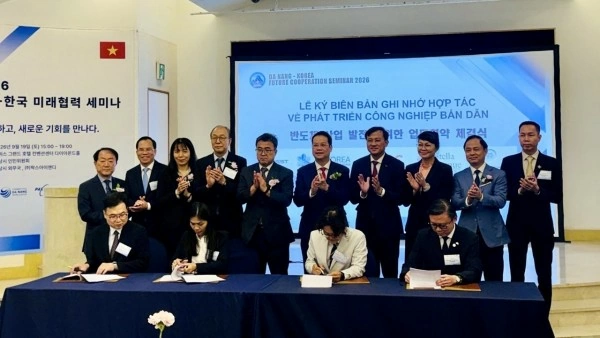
Korea is not only Da Nang's largest source market for international visitors but is also expanding cooperation into the aerospace sector (KP Aero), the development of the Da Nang-Seoul Startup Space, and engagement with SK and Samsung Electronics. In September 2026, the two sides signed two memoranda of understanding on semiconductor development and the AI ecosystem. Japan is supporting the city through ODA provided by the Japan International Cooperation Agency (JICA), cooperation in developing the High-Tech Park, an embedded software research and development (R&D) center, green transformation, and the presence of companies such as Renesas and Nagase.
Meanwhile, Indian partners are advancing technology cooperation projects with HCLTech, as well as MICE tourism and high-end wedding tourism. The Fraunhofer ENAS Institute (Germany) and the Austrian Development Agency (ADA) are deepening their engagement in innovation. Within the Asia-Pacific region, Singapore and Thailand are providing advice on open seaport and FTZ models, while connectivity is being strengthened through the Singapore Semiconductor Industry Association. China is expanding electronic component production chains and air route networks. As a result, the number of semiconductor design companies in Da Nang has more than tripled, from eight in early 2024 to 26 in 2026.
Breakthroughs in preferential policies, investment attraction and trade promotion
The city is focusing on finalizing mechanisms and policies to support the development of strategic technologies, with a view to implementing the Scheme on Semiconductor and AI Development under Plan No. 200/KH-UBND dated 23 April 2026, and the National AI Strategy under Plan No. 528/KH-UBND dated 10 October 2026, both issued by the Da Nang City People's Committee. The Da Nang City People's Council has issued Resolutions No. 21, 22 and 24/2026/NQ-HDND on tax exemptions, infrastructure support and the attraction of high-quality human resources in these sectors.
Da Nang also recognized FPT and Marvell Vietnam as strategic partners on 26 April 2025. To date, 21 chip design and semiconductor companies have established operations in the city. In addition, the semiconductor Fab-Lab project, valued at VND1.8 trillion, was officially launched on 28 July 2025. Covering more than 5,700 square meters, the facility is expected to have a design capacity of approximately 10 million products per year. Another project involves investment in computing infrastructure to support research and development in semiconductor chip design and artificial intelligence (AI Lab), with funding of VND 200 billion from the state budget. Da Nang is expected to put this facility into operation in December 2026.
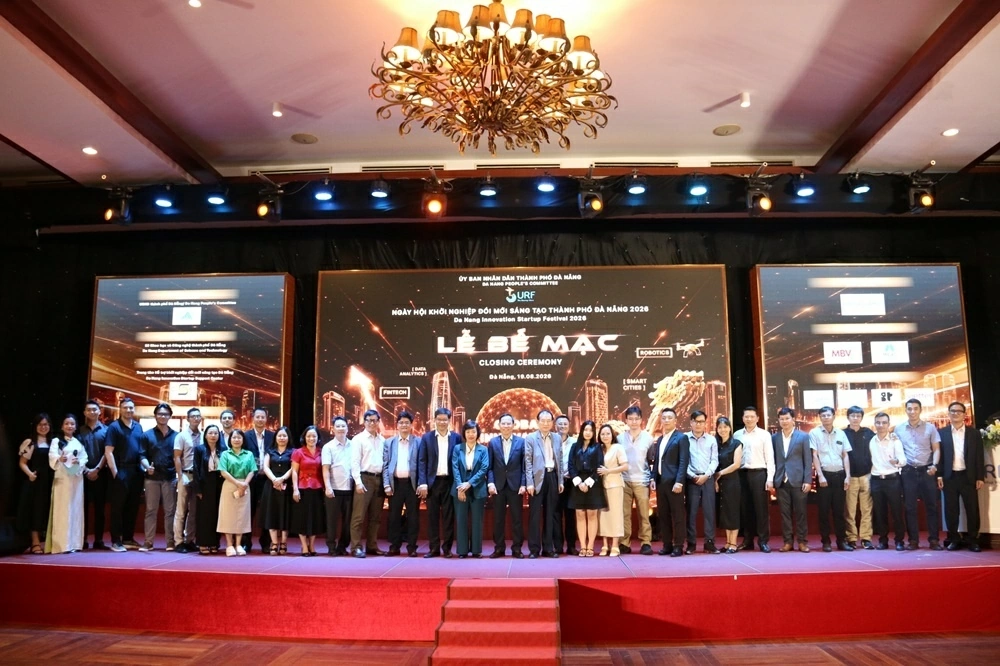 |
| Caption: Da Nang's startup ecosystem climbed 212 places to rank 554th globally in 2026. (Source: Da Nang City People's Committee) |
With its dynamic ecosystem and events such as the Da Nang Innovation Startup Festival (SURF) and the Da Nang Venture and Angel Investment Forum (DAVAS) 2026, the city has attracted more than 30 international investment funds, with total capital exceeding US$5 billion. According to StartupBlink, Da Nang's startup ecosystem climbed 212 places, ranking 554th globally in 2026. In agriculture, the city prioritizes developing high-tech and organic farming linked to ecotourism.
In education, the Da Nang Research and Training Center for Semiconductor Chip Design and Artificial Intelligence has signed cooperation agreements with seven universities and colleges and is working with Intel, Cadence, and Synopsys to train human resources in accordance with international standards. In tourism, the city is promoting its beach resort and MICE segments, particularly among visitors from Korea, Japan, India, Russia, and ASEAN.
In the first ten months of 2026, Da Nang's total merchandise import and export turnover was estimated at US$8.3 billion, up 12.1% compared with the same period in 2025. Of this, exports reached US$4.25 billion, up 12%, while imports totaled US$4.07 billion, up 12.1%.
The city's key export products are clearly positioned across different markets. Textiles and garments, processed seafood, precision engineering products, electronic components, and fishing rods are exported to the United States and the European Union (EU). Software, automotive wiring harnesses, rubber products, and handicrafts are exported to Japan and Korea. Technical rubber products, construction materials, pharmaceuticals, and agricultural and aquatic products are gaining stronger market access in China, India, Russia, and ASEAN.
Positioning Da Nang as a center for AI and digital transformation
Looking ahead to APEC Year 2027 in Viet Nam and the 10th anniversary of Da Nang hosting the APEC Economic Leaders' Week in 2017, the city has identified the need to implement a comprehensive and coordinated approach to external relations across all pillars, with science, technology and innovation serving as the core drivers for mobilizing domestic and international resources.
In industry and technology, Da Nang aims to rank among the Viet Nam’s top three localities in AI by 2030, attract at least 3,000 AI professionals, and integrate AI into 100% of online public services and the Intelligent Operations Center (IOC). By 2045, the city aims to become a leading AI hub in ASEAN and Asia.
The city is focusing on calling for investment from APEC and G20 partners in an AI data center with a capacity of 1,000 racks (10 MW), jointly developing an AI Center of Excellence (AI CoE), and positioning Da Nang as a location offering regulatory sandboxes and a data exchange platform.
At the same time, circular agriculture and green transformation are being integrated in line with the APEC Bangkok Goals. Culture, education and tourism will continue to be promoted through events such as the Da Nang International Fireworks Festival (DIFF) and the Da Nang Asian Film Festival (DANAFF). The city is also seeking to mobilize foreign non-governmental assistance, focusing on healthcare, ecosystem conservation and restoration, and climate change response.
Nearly a decade after the APEC 2017 milestone, Da Nang has made remarkable progress, transforming from a coastal tourism and service city into a prominent center for semiconductor design, artificial intelligence, and innovation on the Asia-Pacific map. The city stands ready to welcome investors, businesses and partners from APEC and G20 member economies to explore opportunities, establish connections and work alongside the municipal authorities in this new era.
Looking towards APEC Year 2027 in Viet Nam and the 2030–2045 vision, with the support of its special institutional framework, the Government and the Ministry of Foreign Affairs, Da Nang is determined to maximize its advantages, enhance its competitiveness and mobilize all available resources to accelerate its development. The city aims to make a positive contribution to regional trade and knowledge flows while affirming its role as a strategic growth pole of Viet Nam in the digital era.
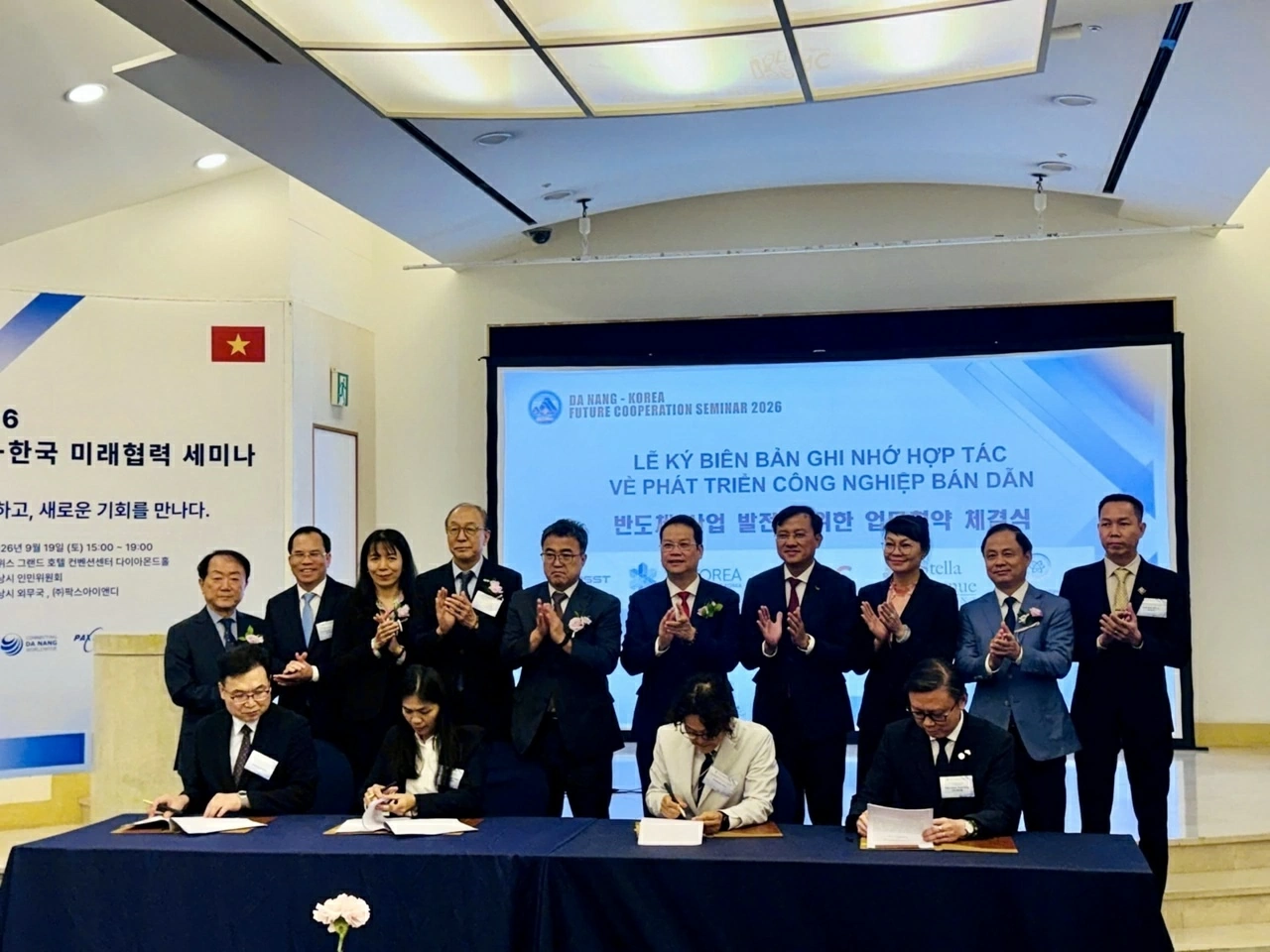 |
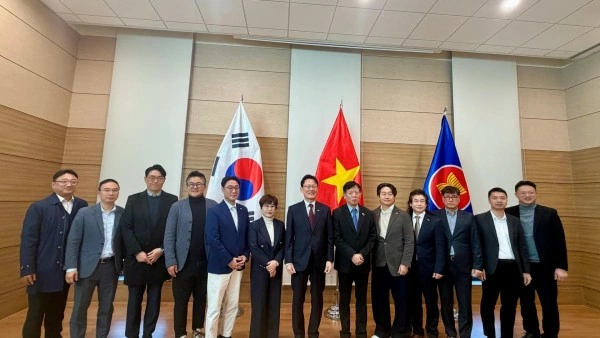
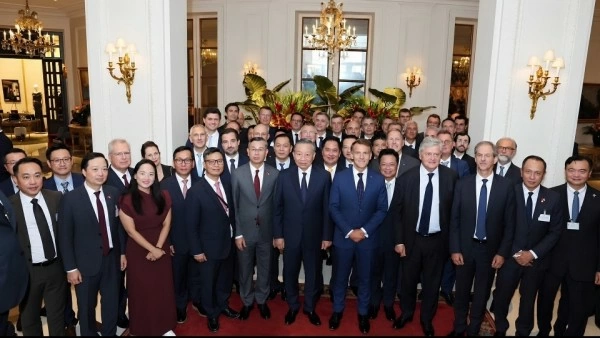
| The Da Nang-Korea Future Cooperation Dialogue 2026 took place on 19 September 2026, as part of a working visit to Korea and the United States by leaders of the Da Nang City People's Committee. (Source: Da Nang City People's Committee) |