

Leaders of member countries within the AZEC framework pose for a group photo on the occasion of the 3rd Asia Zero Emission Community (AZEC) Summit on October, 26. (Photo: Australian Embassy to Vietnam)



 27°C
27°C
27°C
27°C
27°C
27°C
 26°C
26°C
 26°C
26°C
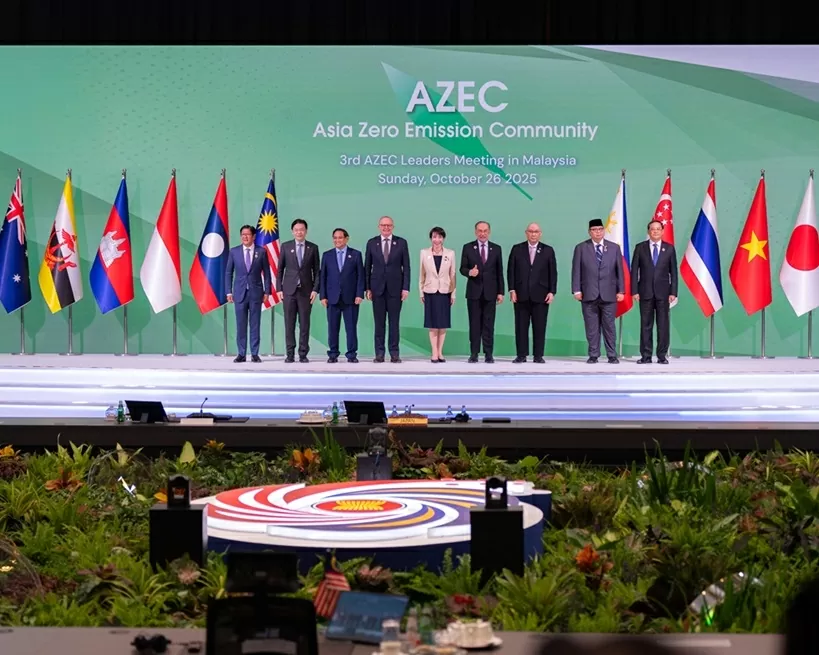 |
| Leaders of member countries within the AZEC framework pose for a group photo on the occasion of the 3rd Asia Zero Emission Community (AZEC) Summit on October, 26. (Photo: Australian Embassy to Vietnam) |
Southeast Asia understands all too well the true cost of conflict and the value of peace. Violence and instability disrupt livelihoods, displace communities and undermine economic growth – threatening food and energy security, and placing long-term development and prosperity at risk.
In the face of intensifying strategic circumstances, the need for collective leadership has never been greater. ASEAN exemplifies this – fostering trust, promoting peace and stability, and providing a platform for dialogue. That’s why Australia, alongside Vietnam, is supporting efforts to reinforce ASEAN-led mechanisms that prevent conflict before it begins.
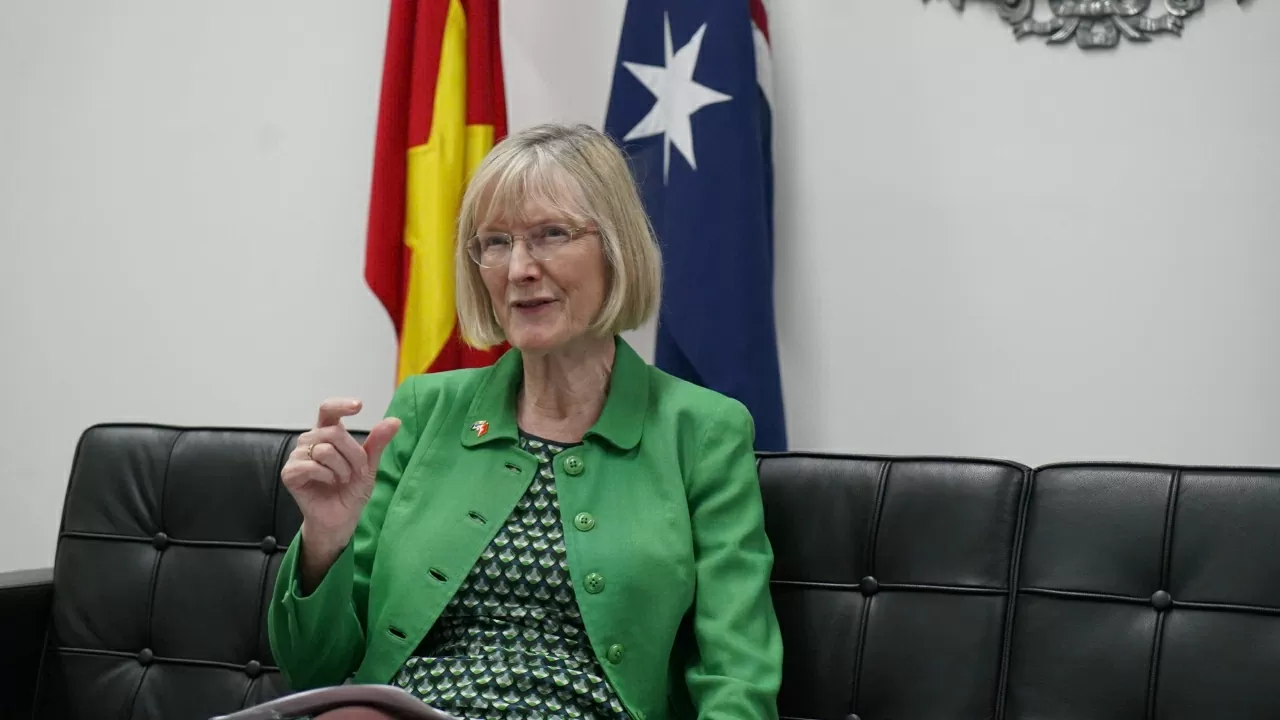 |
| Australia’s Ambassador to Vietnam Gillian Bird PSM. (Photo: Thu Hien) |
The ASEAN-Australia Joint Leaders’ Statement on Conflict Prevention and Crisis Management in the ASEAN-led Regional Architecture (28 October 2025) reaffirms our recognition that peace and stability in our region are a collective responsibility. It sends a clear signal that, in the face of mounting challenges, we are united in choosing dialogue over confrontation, and cooperation over division.
Conflict is neither inevitable nor easily contained once it begins. For Australia, conflict prevention means fostering a region where sovereignty is respected, disputes are settled peacefully in accordance with international law, and all countries – large and small – can thrive. This requires trust, transparency, and practical tools to de-escalate tensions. We all have a role to play in assuring peace.
ASEAN and its architecture, including the East Asia Summit, are central to this effort. ASEAN's voice is unique and consequential – shaping norms, setting expectations and influencing behaviours across the region – and underpinned by a pragmatic approach to managing tensions and promoting mutual understanding.
The recent joint declaration between Cambodia and Thailand shows how ASEAN can resolve tough disputes through peaceful means. Australia commends the leadership of Cambodia and Thailand, together with the role that Prime Minister Anwar as ASEAN Chair and President Trump have played, in this significant step in resolving the border conflict and strengthening regional peace and stability. This milestone reflects a collective commitment to advancing ASEAN-led peace efforts.
ASEAN’s commitment to peace, stability and dialogue has long been central to its vision. You see it echoed in the ASEAN Outlook on the Indo-Pacific, the ASEAN Charter, and in the forward-looking ASEAN Vision 2045. This same spirit is reflected in the Treaty of Amity and Cooperation in Southeast Asia, which will mark its 50th anniversary in 2026.
Building on this foundation, Australia is focused on practical, collective leadership, seen in initiatives like our Conflict Prevention Workshops with ASEAN. These efforts are not just symbolic, but a direct investment in strengthening ASEAN-led architecture to prevent conflict and manage crises before they escalate.
Australia stands with Vietnam and Southeast Asia not just in principle but through concrete support for the rules and norms that underpin regional stability. This includes our strong support for international legal frameworks, including the United Nations Convention on the Law of the Sea (UNCLOS). Frameworks like UNCLOS matter because they help keep the South China Sea stable and secure – critical for the USD4 trillion in trade that flows through its waters each year.
Beyond our borders, we support vital peacekeeping operations, including with Vietnam, where we work alongside personnel deploying to the UN Mission in South Sudan – providing strategic airlift, training, and equipment. And through our current term on the UN Peacebuilding Commission, we’re helping strengthen the multilateral system and support efforts to prevent conflict both in our region and across the world.
The Leaders’ Statement is a call to action. Conflict is not inevitable – but preventing it demands collective leadership, cooperation, and trust. The Statement reflects a commitment to translate shared principles into practical measures that reduce risk, strengthen transparency, and build resilience.
Australia is determined to play our part because we understand the dire cost of conflict and the immense value of peace. Because when diplomacy fails, it’s not just ideals that are lost – it’s lives, livelihoods and future opportunities for growth.