





Amended Nationality Law: A welcoming signal for returnees
WVR - The amended Nationality Law represents a major shift and breakthrough in the Party and State’s policies, aimed at removing barriers and creating opportunities for overseas Vietnamese to return to their roots and homeland.
Latest
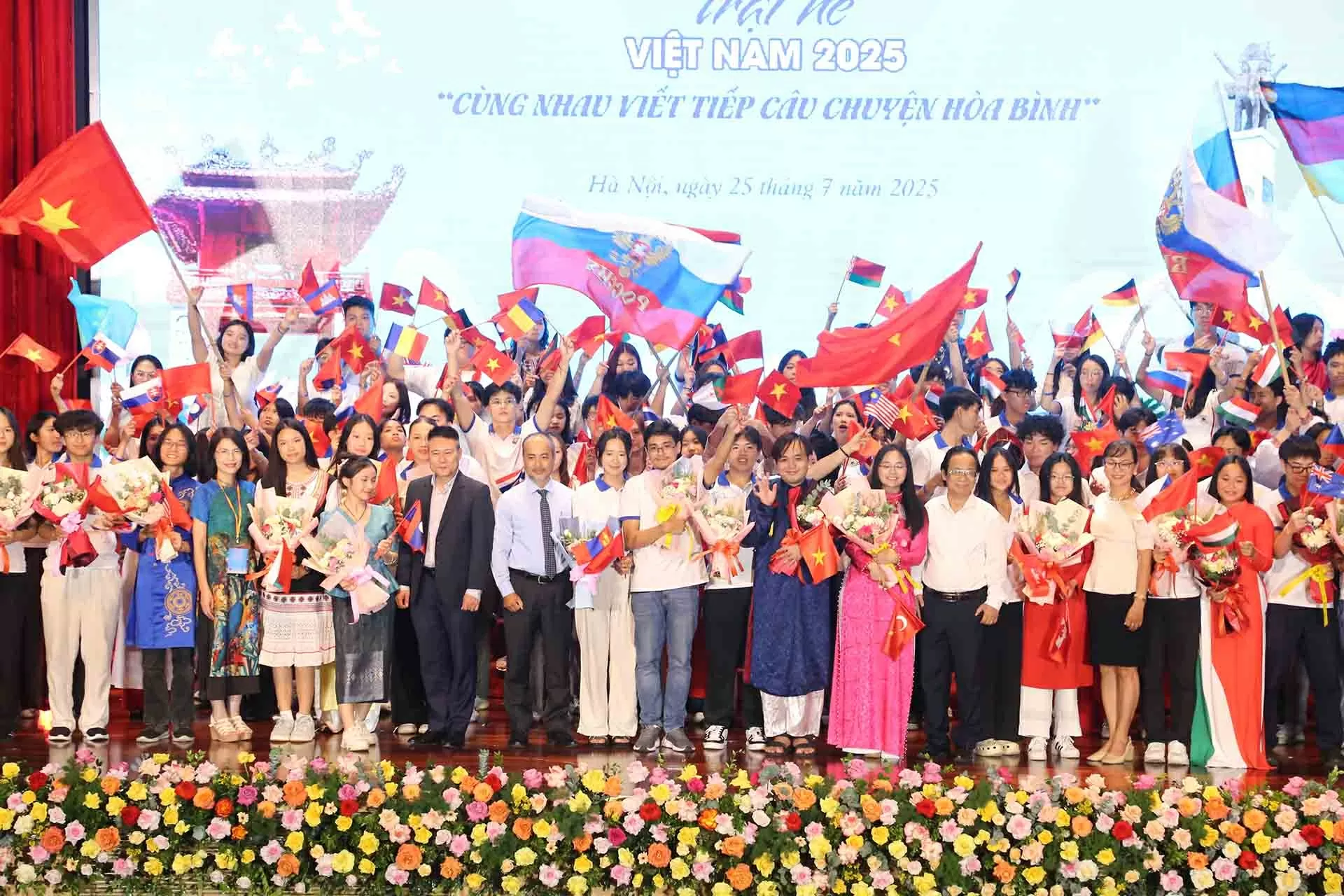 |
| Young overseas Vietnamese participate in the 2025 Vietnam Summer Camp program. (Photo: Thanh Long) |
The 15th National Assembly has passed the Law amending and supplementing several provisions of the Vietnamese Nationality Law. This move continues to institutionalize, in a timely and comprehensive manner, the Party and State’s policies toward overseas Vietnamese, creating more favorable conditions for them to return home for investment, production and business, as well as attracting high-quality human resources to the country.
According to Mr. Nguyen Trung Kien, Head of the State Committee for Overseas Vietnamese Affairs under the Ministry of Foreign Affairs, the Law “loosens” the regulations on regaining or acquiring Vietnamese nationality while retaining foreign nationality. He believes these new policies will encourage overseas Vietnamese to look toward their homeland, contribute their talent and intellect to the development of the economy, culture, society, science and technology as the country enters a new era.
The overseas Vietnamese community currently numbers about 6 million people, living in more than 130 countries and territories worldwide. Many have foreign nationalities, and many also hold dual nationality due to residing in countries that allow multiple citizenships. They have long awaited new policies in this amendment to the Nationality Law.
A Sign of Vietnam’s Legal Renewal
Like many overseas Vietnamese, Dr. Phan Bich Thien, Chairwoman of the Vietnamese Women’s Forum in Europe and currently living in Hungary, was thrilled to learn that the amended Nationality Law had just been passed during the 9th session of the 15th National Assembly, with many provisions favorable to overseas Vietnamese in regaining or acquiring Vietnamese nationality.
This makes people of Vietnamese origin living far from home, like her, feel cared for by the homeland and motivated to contribute more to the country as Vietnamese citizens. Notably, the Law allows foreigners with Vietnamese spouses, parents, or children to apply for Vietnamese nationality without meeting special conditions.
Currently, the overseas Vietnamese community is experiencing increasing multicultural marriages, with many mixed-race generations. Previously, Ms. Thien had raised the issue of foreign spouses and mixed-race children easily applying for Vietnamese nationality during a meeting with the National Assembly’s Foreign Affairs Committee (before its merger). Therefore, she is delighted that the community’s proposals have been acknowledged by the Party, Government, National Assembly, and relevant agencies.
According to her, the amended Law encourages foreigners with Vietnamese spouses, parents, or children to forge stronger ties with Vietnam; to view Vietnam as their second homeland; and to awaken this community’s potential contributions to the country, especially from mixed-race generations.
The amendment also reflects Vietnam’s trend toward international legal integration. She expressed hope that the implementing guidelines would soon be issued with clear, specific provisions, enabling smoother applications for acquiring or regaining nationality.
 |
| Amended Nationality Law: Dr Phan Bich Thien, President of the Vietnamese Women’s Forum in Europe and Head of the organising committee. (Photo; VNA) |
A Way to Attract Investment Capital
iving in Japan, Mr. Do Quang Ba, Chairman of the Vietnam–Japan International Exchange Organization, is particularly interested in the provision allowing Vietnamese citizens who have renounced their nationality to reapply for it.
He strongly supports this amendment, as many people previously had to renounce their Vietnamese nationality to acquire their host country’s nationality for work or business reasons.
However, losing Vietnamese nationality created obstacles for them when they wanted to invest or do business in Vietnam.
 |
| Amended Nationality Law: Mr. Do Quang Ba. (Photo: Courtesy by author) |
He said: “I believe allowing people to regain Vietnamese nationality will help attract investment capital to Vietnam and draw high-quality human resources from the overseas Vietnamese community.”
Opening the door wider
Ms. Nguyen Thi Thanh, an overseas Vietnamese in Belgium, highly values the innovations in the amended Nationality Law recently passed by the National Assembly. With a deep-rooted perspective of someone always connected to her origins, she believes these changes demonstrate the State’s care for overseas Vietnamese, making it easier for the community to stay connected and contribute to the homeland.
First and foremost is the major opportunity provided by the flexible dual citizenship provision (Article 11)—the most exciting point for many overseas Vietnamese. The new law allows Vietnamese residing abroad to retain their Vietnamese nationality even after acquiring a foreign one, provided certain conditions are met (instead of having to apply for permission to retain nationality, which was previously very restrictive).
This means people like Ms. Thanh can consider acquiring Belgian nationality to facilitate living, working, and traveling in Europe without fearing the loss of their Vietnamese nationality—if they can meet conditions such as proving the necessity of foreign naturalization and committing to safeguarding the rights and interests of the Vietnamese State and its citizens.
Article 13 specifies in more detail the cases eligible to renounce Vietnamese nationality, including those who have acquired foreign nationality but are not eligible to retain Vietnamese nationality under Clause 2 of Article 11. In the future, if overseas Vietnamese wish to renounce Vietnamese nationality for personal reasons, the procedures will be more transparent and straightforward.
Next, Article 19 adds cases where people of Vietnamese origin who do not yet have Vietnamese nationality but are permanently residing in Vietnam, possess full civil capacity, and meet other conditions may acquire Vietnamese nationality without having to renounce their foreign nationality (with approval from the President).
According to Ms. Thanh, this is a welcoming signal for repatriation. For example, if overseas Vietnamese have relatives—such as children or grandchildren born in Belgium, holding Belgian nationality but of Vietnamese descent—who wish to live long-term in Vietnam and acquire Vietnamese nationality, the door is now wider open, without requiring them to give up Belgian nationality.
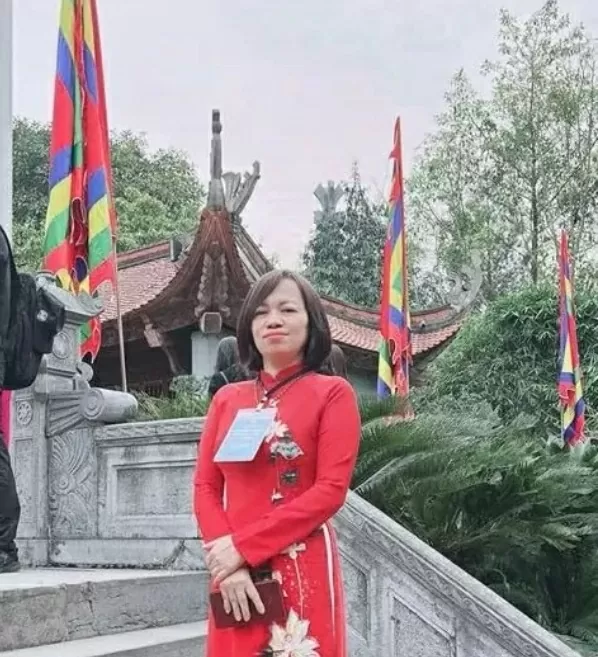 |
| Amended Nationality Law: Ms. Nguyen Thi Thanh. (Photo: Courtesy by author) |
The amended Law creates great opportunities to preserve cultural identity and legally maintain ties with the homeland more conveniently than before. The flexible dual nationality provision is a significant step forward, fulfilling the long-held aspirations of millions of overseas Vietnamese.
However, the success of the law largely depends on the detailed implementing documents and the actual manner of enforcement—whether they are truly open, transparent, and maximally supportive of overseas Vietnamese while still safeguarding legitimate national interests.
“I hope global Vietnamese communities will joyfully welcome the positive values that the Party and State are striving to achieve for the homeland’s transformation and development in this new era,” Ms. Thanh said happily.
To prepare for the drafting of the amended Nationality Law, the Ministry of Foreign Affairs and Vietnamese representative agencies abroad have served as bridges for many years, listening to and compiling the aspirations and difficulties related to nationality from overseas Vietnamese, thereby proposing to the National Assembly, Government, and Ministry of Justice revisions to ensure appropriateness.
Mr. Pham Hoang Tung, Deputy Director General of the Consular Department, said that during the implementation of nationality-related laws, the Ministry of Foreign Affairs will continue gathering feedback and aspirations from the community, while regularly monitoring and updating foreign nationality laws to recommend policies suited to actual conditions.


