

80 years of the August Revolution: A historic milestone of national pride
WVR - National pride is not just a sentiment, but an inner driving force for Vietnam to rise in a new era. That is the view of Associate Professor Dr. To Ba Truong, Director of the Institute for Educational Development and Cooperation Studies, on the occasion of the 80th anniversary of the August Revolution (August 19, 1945 – August 19, 2025).
Latest
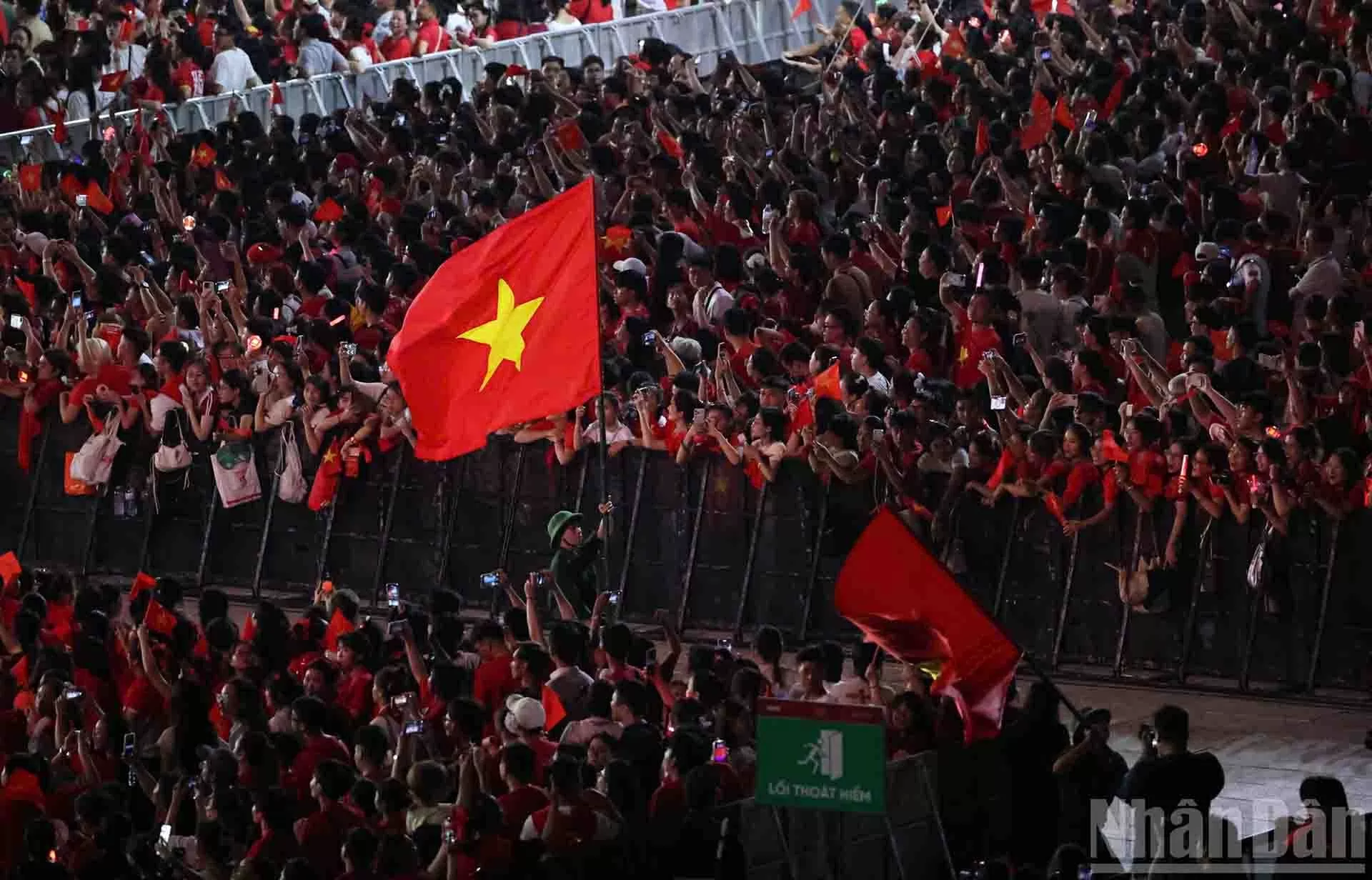 |
| Tens of thousands gathered at My Dinh Stadium in Hanoi on August 10 to attend the National Concert commemorating Vietnam’s historic revolutionary milestones. (Photo: Nhan Dan Newspaper) |
Commenting on how has the sense of national pride among the Vietnamese people evolved from the milestone of the August Revolution in 1945—especially in the current stage of nation-building and defense, as the country enters a new era, Dr. To Ba Truong emphasized that patriotism has always been a core value in Vietnam’s history and culture. It has been expressed across many dimensions—from struggles against foreign aggression to literature, art, and daily life. Love of country is not only about fighting on the battlefield, but also about preserving culture, language, and tradition, and contributing to national development.
First, in the period of nation building, national pride was transformed into the will to reconstruct. After 1975, Vietnam achieved reunification but faced the heavy consequences of war: a devastated economy, destroyed infrastructure, and hardship for millions of citizens. Yet, the Vietnamese people persevered, step by step reviving the nation, promoting patriotic emulation movements, reducing poverty, and building a socialist Vietnam.
Second, during the subsequent phase of development, national pride was expressed in the spirit of overcoming difficulties and relying on internal strength. From being one of the poorest countries, Vietnam emerged as a nation with one of the fastest growth rates, with steadily improving living standards.
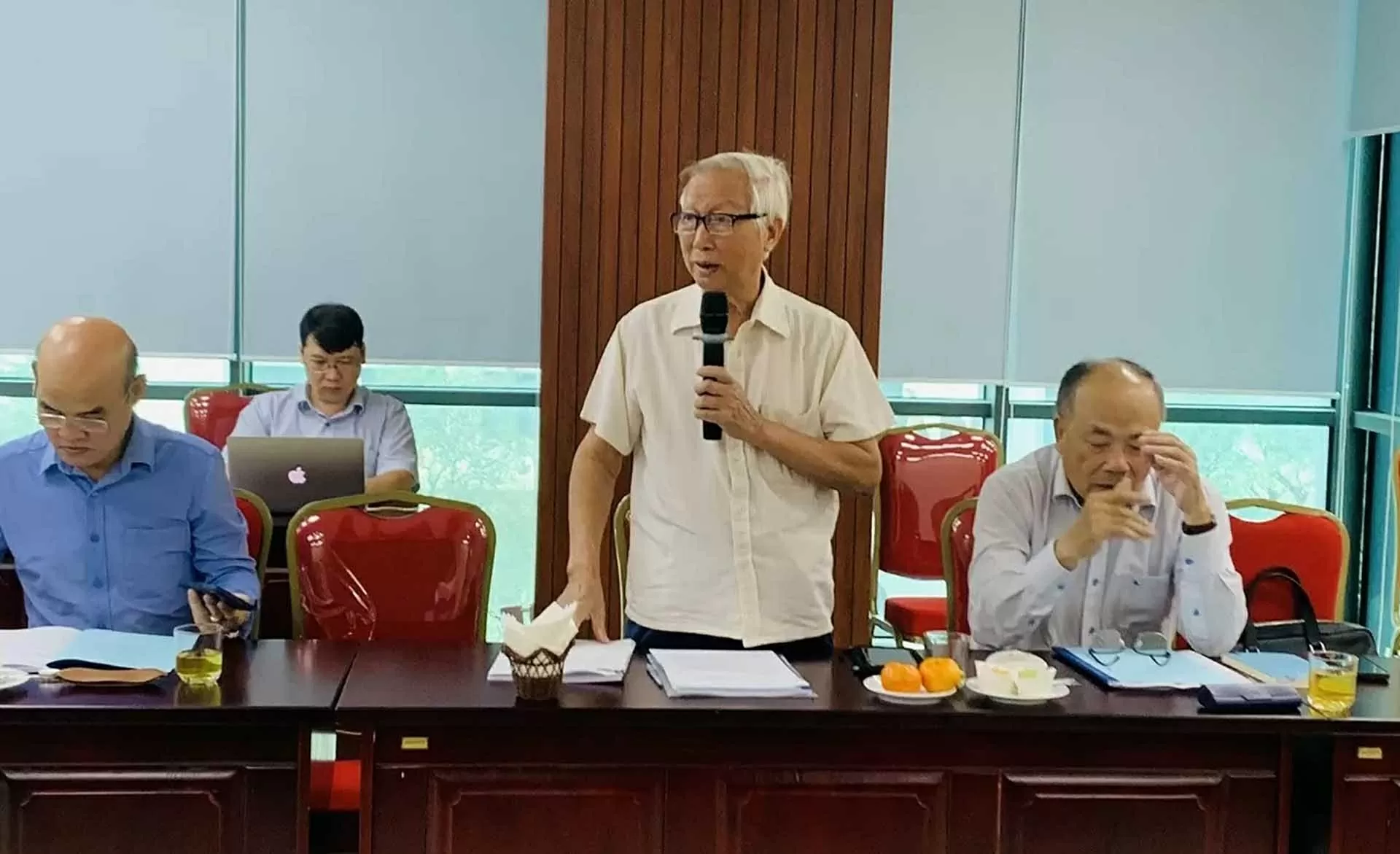 |
| Associate Professor Dr. To Ba Truong, Director of the Institute for Educational Development and Cooperation Studies. (Photo: WVR) |
Third, in the present era, national pride is not only preserved but elevated and spread, both domestically and globally. In this age of globalization, Vietnam has been integrating deeply with the world, participating in trade agreements, international organizations and global forums. Technology, knowledge, and innovation have become new engines of growth. The young generation is increasingly dynamic, courageous, and eager to affirm the country’s place on the world stage.
Today, Vietnam has every reason to be proud: it is among Southeast Asia’s fastest-growing economies and has a recognized voice on global issues such as climate change, peace, and sustainable development.
Across three phases—resistance, reconstruction, and new development—national pride has continuously evolved: from the spirit of struggle, to the will to build, and now into the aspiration for integration and the affirmation of Vietnam’s global identity.
Therefore, in the context of deep international integration, Dr. Truong believed that in preserving and fostering national pride, Vietnam faces formidable challenges as it asserts itself globally. Cultural identity risks being diluted. Fierce competition places Vietnamese enterprises against powerful foreign corporations with advanced technology and abundant resources. Vietnamese workers must upgrade their skills to avoid falling behind. External cultural influences may impact lifestyles and traditional values if not carefully filtered. Economically, without strong internal capacity, Vietnam risks dependence on foreign markets, technology, and capital. Other challenges include cybersecurity and potential external political influence—requiring vigilance and resilience.
At the same time, integration offers enormous opportunities. Access to global knowledge and technology allows Vietnam to learn, transfer innovations, and improve its production, management, and human resources.
International integration is an inevitable process—opening great opportunities for growth while posing significant challenges. To seize opportunities and overcome risks, Vietnam must strengthen internal resources in education, technology, and culture, safeguard its identity, and enhance competitiveness.
Regarding the role of young generation, Dr. Truong highlighted their key contribution in safeguarding and advancing national values. Their patriotism must go beyond emotion and be expressed through concrete, practical actions. Young people must strive for academic excellence, reaching out to the world and bringing back knowledge to serve the nation. Vietnamese startups are making their mark in technology, education, and agriculture, embodying the “dare to think, dare to do” spirit and carrying Vietnamese brands onto the global stage.
Equally important, young people should preserve and promote Vietnamese culture—drawing inspiration from tradition to create fashion, films, music, art, and social media content that introduce Vietnamese cuisine, language, and history to the world. They should also actively engage in social and community activities, environmental protection, and volunteer work in remote areas—showing responsibility to their country. Ultimately, they must demonstrate confidence in international exchanges and collaborations while retaining their Vietnamese identity. National pride for the young generation is not just admiration for the past, but action toward the future.
Dr. Truong also emphasized that national pride can and should be transformed into a powerful driving force for the young generation, enabling them to contribute to Vietnam’s sustainable development in the spirit of the August Revolution—“master of the nation, master of destiny”.
He noted that national pride is a deep-seated love and faith in Vietnam’s history, culture, people, and achievements. It is not merely a sentiment but a powerful source of motivation for positive action. Therefore, it must be translated into a sustainable engine of development.
This requires young people to study, research and innovate, contributing to national progress; to nurture ambition and overcome personal limits for collective achievements. National pride is, in many ways, a form of “soft power”, enabling Vietnam to project itself as a friendly, resilient, and reliable nation. It is both a spiritual legacy and an endogenous force for sustainable development.