



The house 113A Dang Dung, once harbouring the Sai Gon - Gia Dinh commandos, is set to be honoured
On November 14, the Ho Chi Minh City Monuments Conservation Centre, in collaboration with the Tan Dinh Ward People's Committee, organised a scientific seminar on House 113A Dang Dung. This address is closely associated with the activities of the Sai Gon – Gia Dinh Commandos. The event aims to complete the scientific dossier, clarifying its historical and cultural value, and to propose its classification as a city-level historical site.
Latest
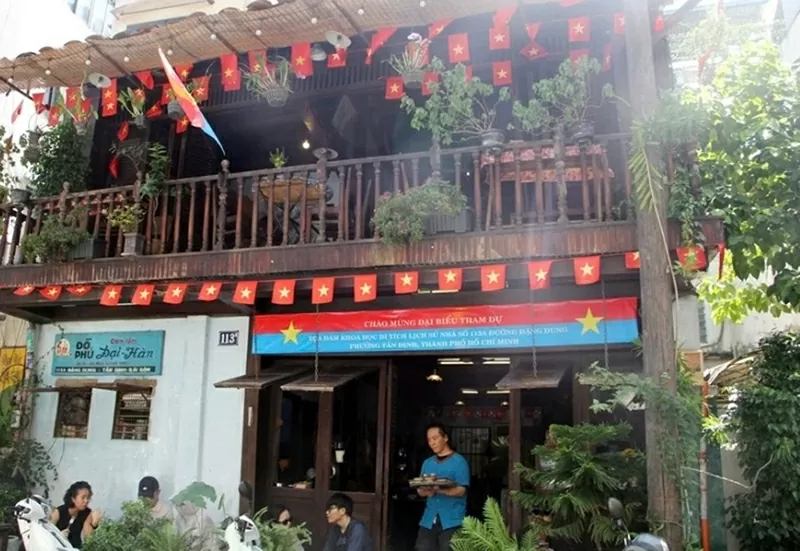 |
| Do Phu Café – Dai Han Broken Rice at 113A Dang Dung, Tan Dinh Ward, Ho Chi Minh City |
The house 113A Dang Dung, under the familiar guise of "Do Phu Café – Dai Han Broken Rice", was established by People's Armed Forces Hero Tran Van Lai and his comrades. It served as a communication hub, weapons cache, and troop hideout in the heart of Sai Gon during the resistance against the U.S. With two cleverly constructed above-ground bunkers beneath the floor, a secret mailbox behind a wooden wall, and an escape route leading to the back alley, the house became a "hidden fortress" for the commandos amid what was considered a dense enemy encirclement.
The café space was intricately camouflaged: old wooden tables and chairs, a hand-cranked coffee grinder, and even a candy display cabinet were arranged to fit normal daily activities. However, few knew that beneath the wooden planks and tiles lay a whole arsenal of AK ammunition, grenades, and C4 explosives, ready for major battles. The commandos often joked, "Customers order iced coffee, but beneath their feet is an entire battlefield."
According to historical documents, 113A Dang Dung was also a secret location for Unit A30, where many soldiers lived and worked as ordinary citizens in the city, while actually playing a crucial role in the urban combat network. It was also one of the sites preparing for the 1968 Tết Offensive.
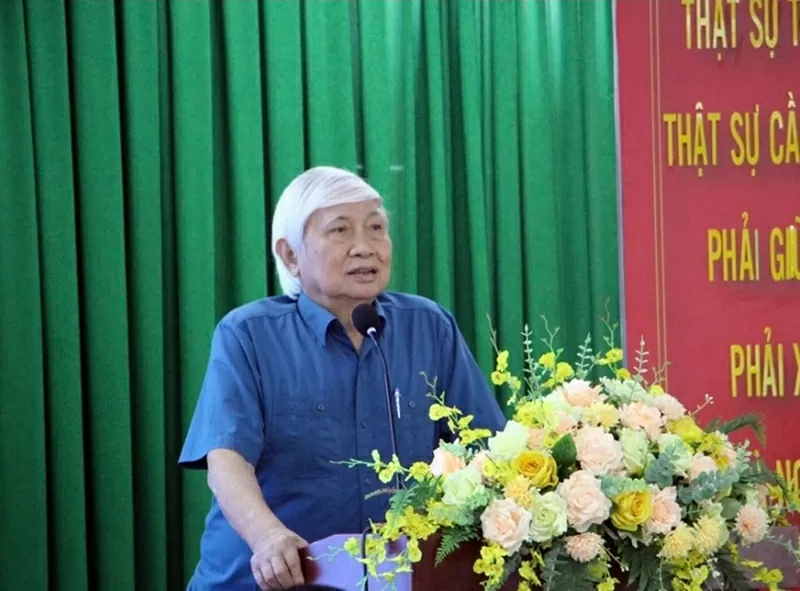 |
| Assoc. Prof. Dr. Phan Xuan Bien proposes classifying House 113A Dang Dung as a historical site of the Sai Gon - Gia Dinh Commandos. |
Assoc. Prof. Dr. Phan Xuan Bien, Vice President of the Vietnam Historical Science Association, remarked that the house "is one of the exemplary bases for the unique combat methods of the commandos: flexible, secretive, relying on the people, and operating right in the heart of the enemy." He emphasised that not every base could survive long within the city, and maintaining a secretive house for many years is a vivid testament to the ingenuity, steely spirit, and protection by the people.
From an architectural heritage perspective, Assoc. Prof. Dr. Ha Hong Minh (University of Social Sciences and Humanities – Vietnam National University, Ho Chi Minh City) pointed out that the remaining traces in the house, from the above-ground bunkers, secret mailbox to the camouflage system, "all bear the distinct characteristics of a commando-style urban base." According to him, completing the classification dossier will fill in the gaps in the history of the commandos – a force "without military ranks, without serial numbers, but leaving many recorded achievements in the history of urban Sai Gon."
Ms. Le Tu Cam, President of the Ho Chi Minh City Cultural Heritage Association, emphasised the dual value of the house: both as an architectural testament nearly 80 years old that still retains its original structure, and as a "living archive" reflecting the ingenuity and bravery of those engaged in secret activities during the anti-U.S. period.
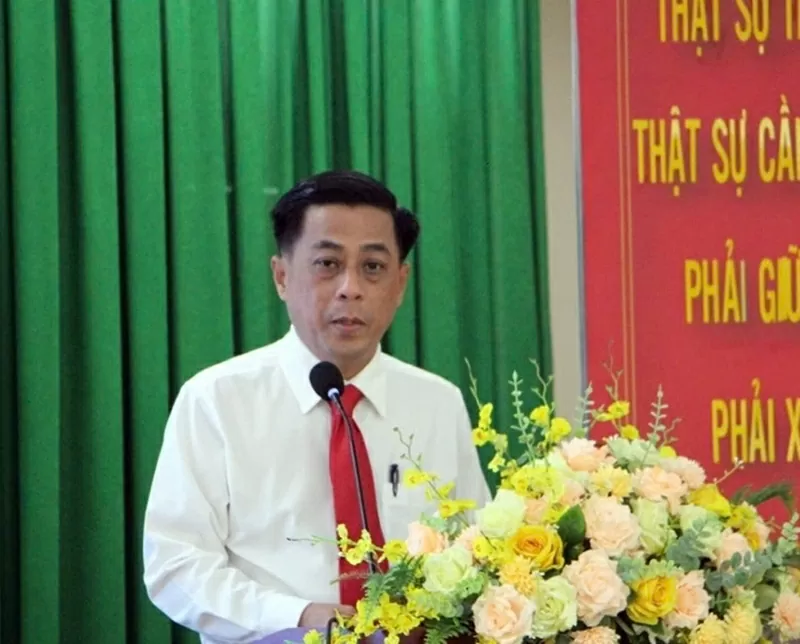 |
| Mr. Tran Vu Binh, owner of the house at 113A Dang Dung. |
Not only is the house historically significant, but it has also been a tourist attraction for many years. Every month, groups of students, veterans, and international tourists visit to hear stories recounted by witnesses who lived and fought during that era. Many schools have included this address in their experiential history education programs, helping students better understand the defence of Sai Gon right at the city's historical sites.
The Party Committee of Tan Dinh Ward stated that the early classification as a historical site will provide an essential legal basis for preserving the house, especially amid the rapid urbanisation in the central area. Preservation also helps affirm the value of one of the remaining iconic spots in the heart of Ho Chi Minh City.
The current preservation direction views the house as a site of exceptional value, needing prioritisation in the urban revolutionary heritage conservation strategy. The house is also seen as a fitting link in building a map of Sài Gòn commando sites, connecting with many destinations, such as Co Giang Weapon Bunker, Uncle Tu Cau's House, and Alley 287 Nguyen Dinh Chieu.
At the seminar, delegates unanimously proposed naming the site "Do Phu Café – Dai Han Broken Rice, Secret Base of the Sai Gon - Gia Dinh Commandos." Besides classification, many suggested expanding the site's exploitation towards storytelling – experiential activities, including reenactments of commando operations, creating interactive displays about the secret bunkers, and developing a digital map system to help visitors explore the house's story through various historical layers.
Several local travel agencies noted that the "Sai Gon Commandos" themed tours are attracting special interest from young tourists, many of whom enjoy hearing combat stories right in the authentic space where troop hideouts, weapon transports, and tense escapes once took place. Adding 113A Dang Dung to the tour network will create a new highlight in the journey of exploring urban history.
The proposal to classify the house as a historical site aims not only to preserve the house but also to safeguard the memory of a special historical period, during which ordinary people accomplished extraordinary feats right in the heart of the city.

| Hanoi breaks ground on landmark Opera House by West Lake A groundbreaking ceremony for the Hanoi Opera House and Thematic Cultural and Artistic Park project was held in Tay Ho ward on October 5 by ... |

| Dong Thap develops eco-tourism linked to ancient house heritage According to Vo Pham Tan, Deputy Director of the Dong Thap Department of Culture, Sports and Tourism, the artistic value of these ancient houses -harmoniously ... |