




Working together for peace and sustainable development at sea: Perspectives from Timor-Leste representatives
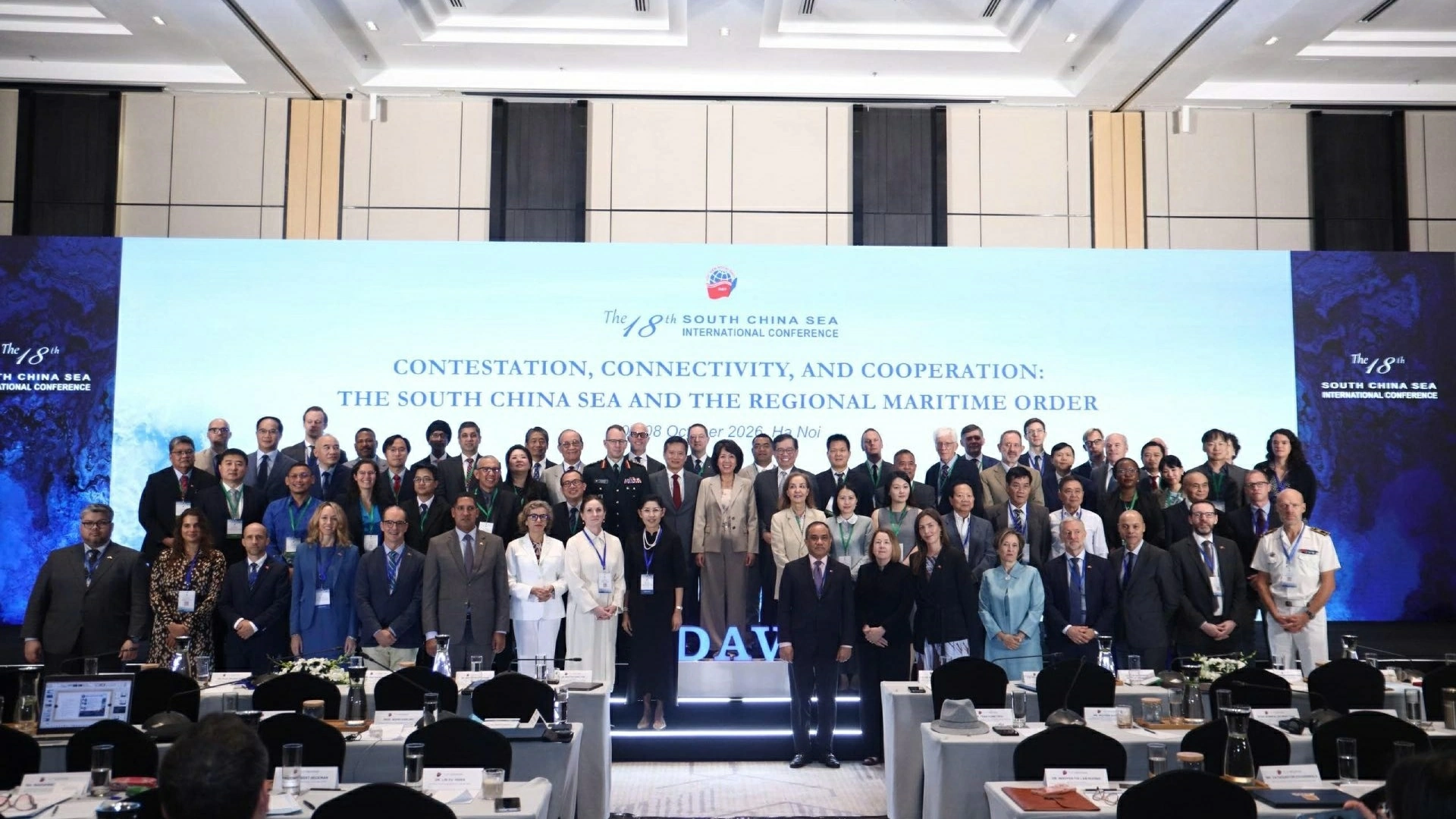
WVR - On the sidelines of the 18th International Conference on the East Sea (internationally known as South China Sea), The World and Vietnam Report spoke with two representatives from Timor-Leste, who offered their perspectives on maritime issues: From promoting dialogue and cooperation among countries to strengthening the role of local communities in resource management and the development of the maritime economy. Although their perspectives differ, both share the common goal of maintaining peace and stability, ensuring sustainable development, and balancing competing interests.
Latest
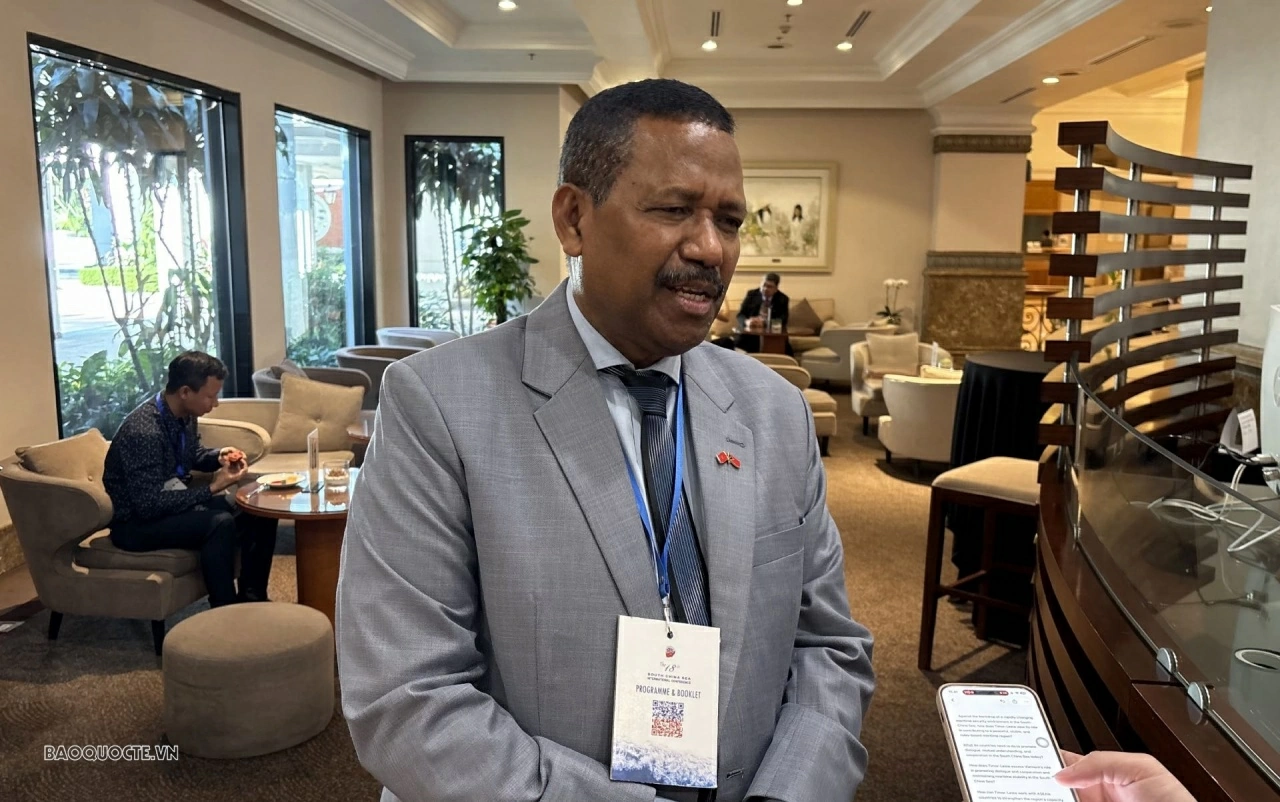 |
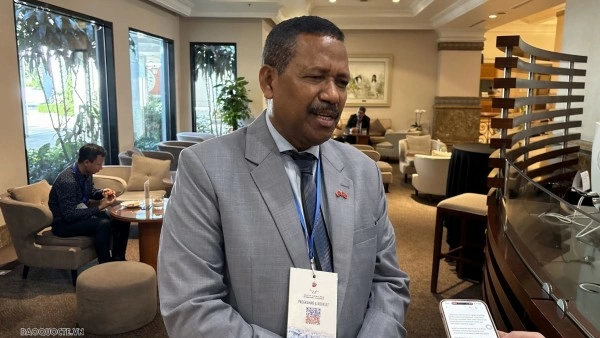
| Timor-Leste Ambassador to Vietnam João Pereira. (Photo: Ngoc Anh) |
Dialogue to maintain peace and stability
Timor-Leste Ambassador to Vietnam João Pereira emphasized that dialogue is the best way to build consensus and resolve maritime disagreements. He also affirmed that Timor-Leste has a responsibility to work alongside other ASEAN member states to contribute to regional peace, security and stability.
| More from WVR |
 Empowering young people to shape maritime cooperation: Scholars’ perspectives Empowering young people to shape maritime cooperation: Scholars’ perspectives |
As ASEAN’s newest member, Timor-Leste is committed to making an active contribution to regional peace and stability, while recognizing that it cannot stand apart from issues affecting the ASEAN community as a whole. According to Ambassador Pereira, developments in any member state can become a shared concern for the entire bloc.
Against the backdrop of a rapidly changing maritime security environment in the East Sea, the Ambassador said ASEAN’s dialogue mechanisms offer the best way to build consensus and seek solutions to disagreements among the parties concerned. This is particularly important in addressing complex maritime issues, including those in the East Sea.
Ambassador Pereira also stressed that, as an ASEAN member, Timor-Leste has a responsibility to participate in collective efforts to resolve disagreements among countries in the region, including tensions in the East Sea and other maritime crises that could affect ASEAN.
To promote dialogue, enhance mutual understanding and expand cooperation in the East Sea, countries should make full use of dialogue mechanisms, exchange views and seek solutions to shared challenges. The participation of ASEAN members in this process is essential to helping maintain regional peace, security and stability.
Assessing Vietnam’s role, Ambassador Pereira described the country as an active player in efforts to resolve disagreements. He expressed confidence that Vietnam has the capacity to work with other ASEAN member states and countries with interests in the East Sea to help address related issues.
The Ambassador also highlighted the importance of regional cooperation in responding to maritime security challenges. He noted that Timor-Leste had officially become an ASEAN member and was committed to working with other countries towards a shared vision and a united ASEAN Community. Accordingly, member states should strengthen dialogue and work together to find solutions to issues affecting the region, from the East Sea to the Strait of Malacca and other waters in Southeast Asia.
Discussing the potential for maritime cooperation between Timor-Leste and other ASEAN countries, Ambassador Pereira emphasised that Timor-Leste’s geographical position, surrounded by the ocean, gives it a responsibility to work closely with ASEAN member states to safeguard peace, security and stability in Southeast Asia.
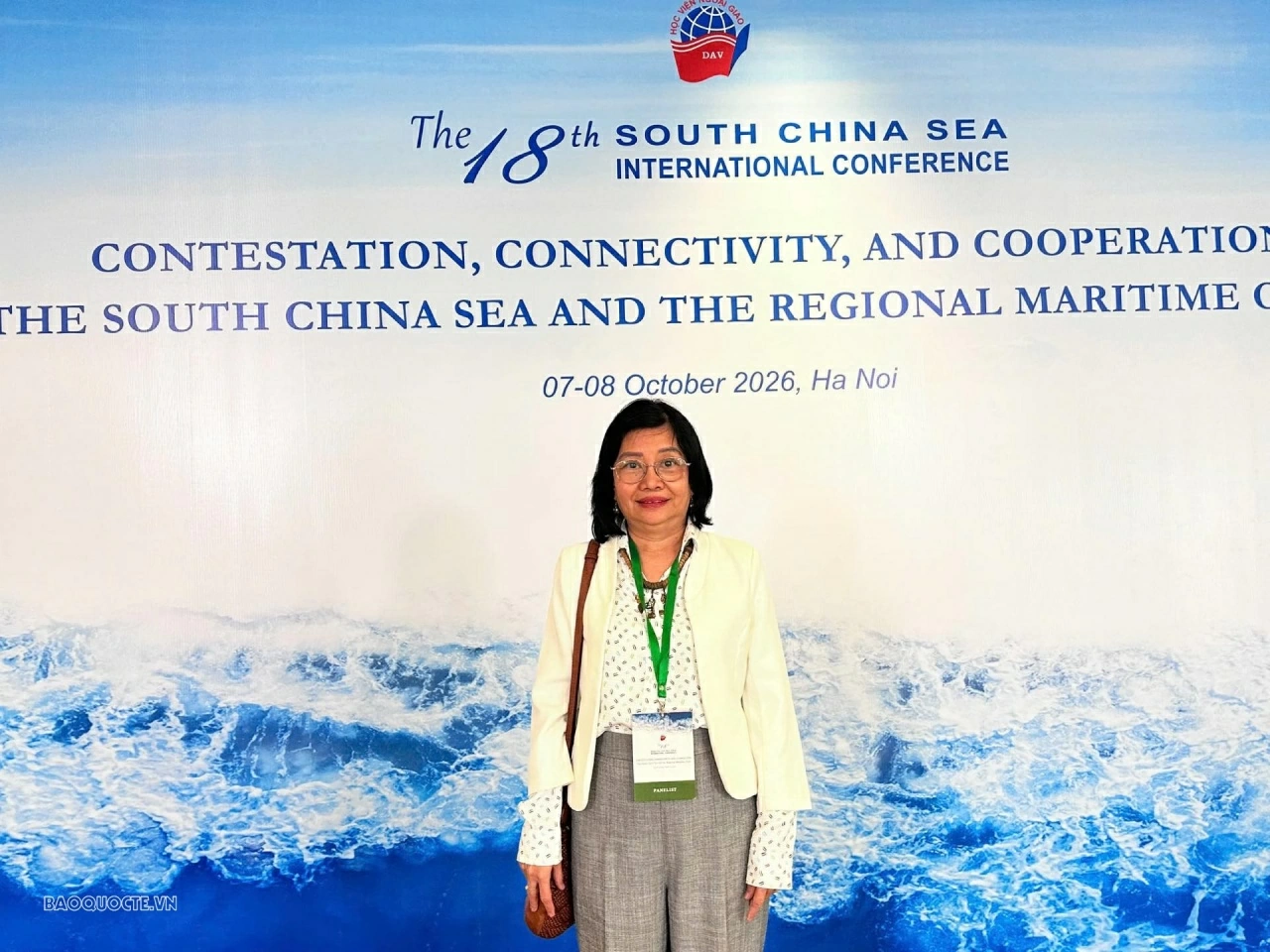 |
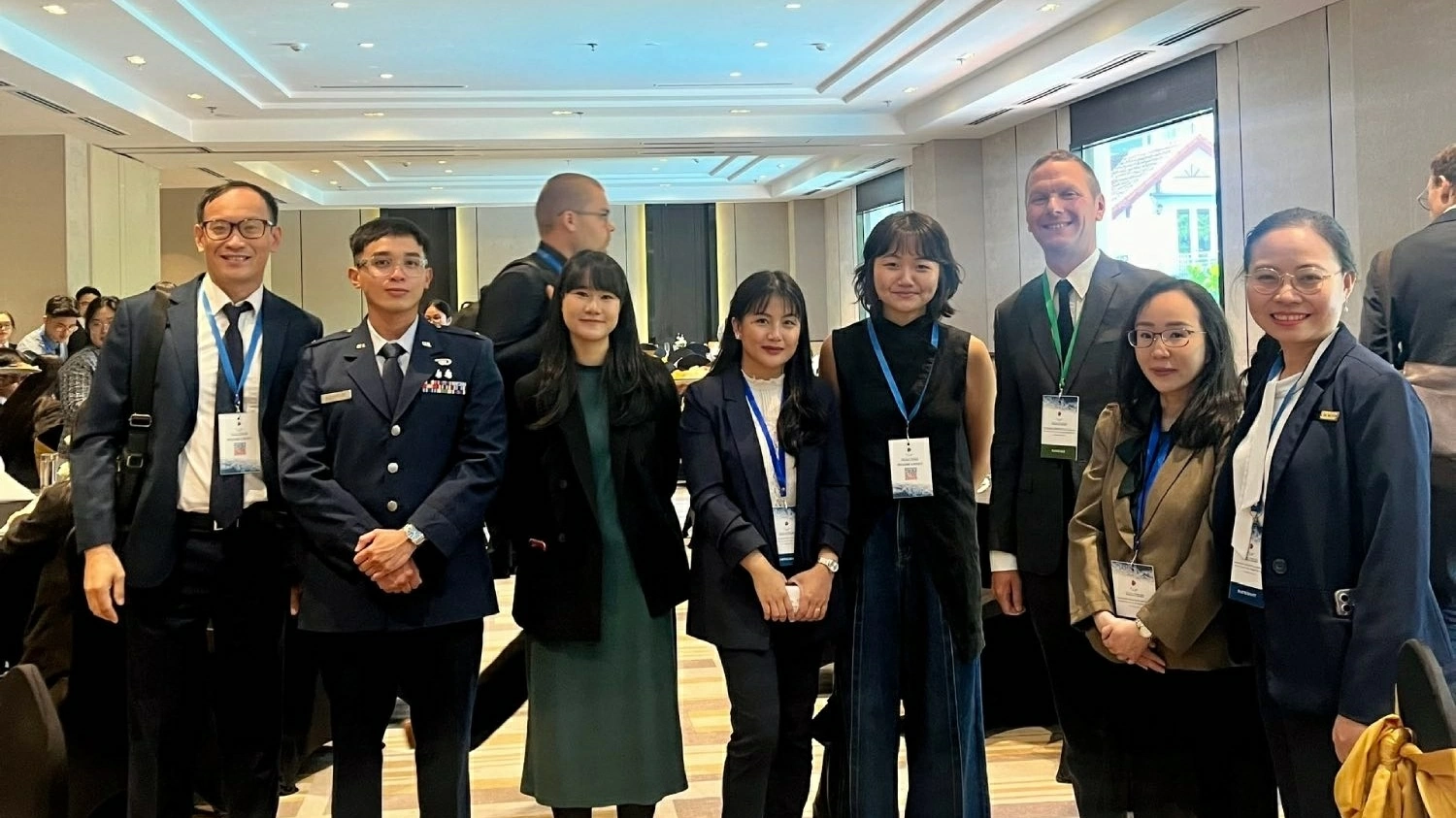
| Dr. Therese Nguyen, lecturer in Community Development, Faculty of Social Sciences, National University of Timor-Leste. (Photo: Yen Vi) |
Putting local communities at the heart of development
For Dr. Therese Nguyen, a lecturer in Community Development at the Faculty of Social Sciences, National University of Timor-Leste, negotiations and efforts to resolve maritime issues do not take place solely between governments. Civil society organizations and social movements also have an important role to play.
Dr. Nguyen also emphasised the importance of respecting local authorities and customary law in resource management and maritime economic development. She explained that Timor-Leste relies not only on the state’s legal system but also places importance on traditional rules that Indigenous communities have maintained over generations. Local people are often more familiar with customary law than with official government regulations. Harmonizing the two systems is therefore important in helping communities feel that they are genuine stakeholders in the development process.
When people are involved as active stakeholders, they can contribute their views, monitor activities and participate in managing matters that affect their communities. This also helps strengthen the link between development policies and people’s actual needs.
Dr. Nguyen cited the application of customary law in several fishing areas in Timor-Leste as an example. Rules developed by local communities are used to limit overfishing, thereby helping protect fish stocks and coral reefs.
She noted that Timor-Leste is home to coral reefs renowned for their beauty and rich biodiversity in the Pacific region. Atauro Island is a popular destination for tourists, particularly those interested in scuba diving. Businesses providing tourism services there are required to comply with regulations established by local communities.
This experience demonstrates that maritime economic development needs to go hand in hand with respect for local traditions and customary law. Before development projects are implemented, the relevant authorities should consult communities and listen to residents’ views on the potential impacts on their lives and livelihoods.
Dr. Nguyen also cited a plan to expand the port on Atauro Island. Before the project proceeds, studies involving local residents and consultations with the community should be conducted to determine how the expansion would affect them. Authorities, she argued, need to listen to residents rather than make decisions solely from the perspective of public administration or infrastructure development.
Furthermore, Dr. Nguyen argued that the construction and expansion of seaports should not be assessed solely in terms of the scale of infrastructure or overall economic efficiency. What matters is whether local communities genuinely benefit from the development.
Specifically, once a port has been built, it should bring economic benefits to local people and improve their quality of life. Port infrastructure and maritime transport should facilitate community life and economic activities rather than undermine existing sources of livelihood.
She warned that the involvement of outside investors and businesses could create competitive pressures for local residents. If these pressures are not adequately considered, development could deprive communities of economic opportunities and even marginalize them in the very places where they live.
Dr. Nguyen therefore called for a balanced approach that combines infrastructure development with the protection of community interests. The goal should not simply be to build ports or attract investment, but also to enable local people to participate in and benefit from the outcomes of development. Respecting communities, consulting residents and safeguarding livelihoods should be regarded as essential elements of maritime economic development.