






Empowering young people to shape maritime cooperation: Scholars’ perspectives
WVR - Young people need more opportunities to engage in dialogue, share knowledge and put forward initiatives to advance international cooperation on marine environmental protection and sustainable development.
Latest
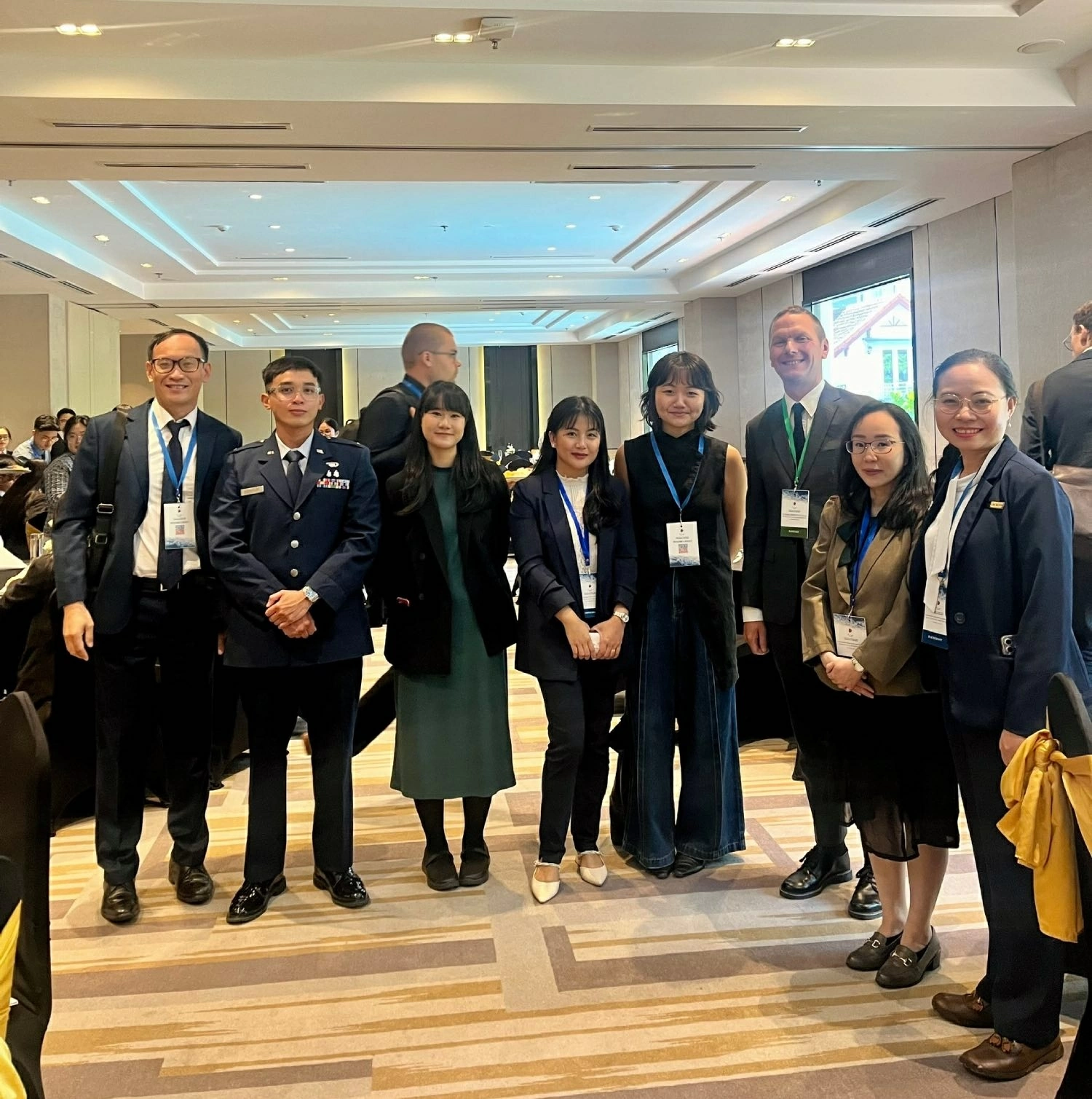 |
| The event brings together young scholars from various countries. (Source: Embassy of Sweden in Vietnam) |
On the sidelines of the 18th international scientific conference on the East Sea (internationally known as South China Sea), The World and Vietnam Report spoke to young scholars from Singapore, Australia and India about the role of science, emerging security challenges and the contribution of young people to regional maritime cooperation.
Their perspectives highlight the importance of building trust in the East Sea through areas of shared interest, while linking research with policymaking and practical action.
Science diplomacy as a foundation for trust
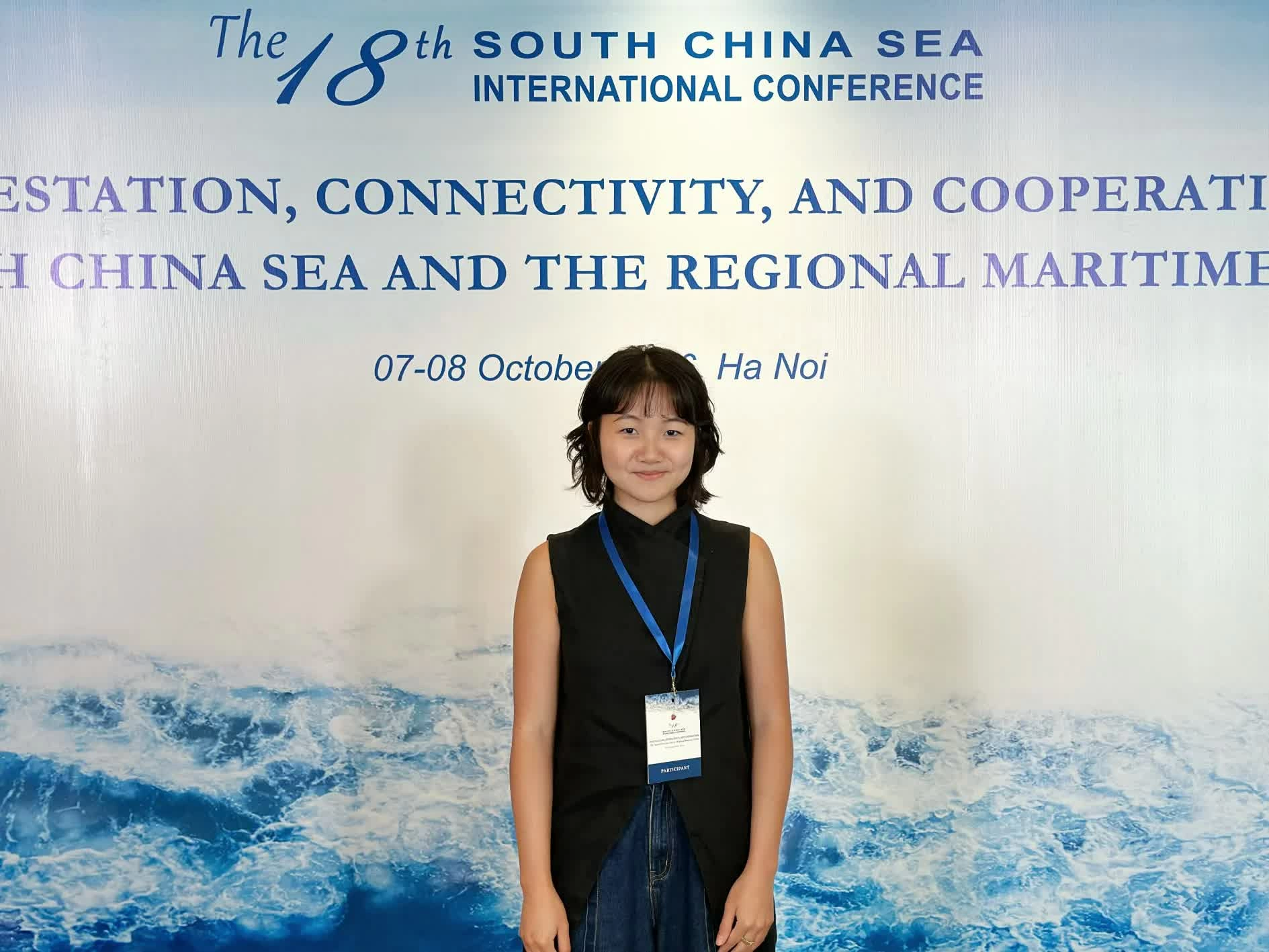 |
| Ms. Alayna Yap, an MPhil International Relations Candidate at University of Oxford, UK. (Photo: Trung Anh) |
Shared interests in marine environmental protection and fisheries management provide a basis for scientific cooperation, which can broaden dialogue and give countries bordering the East Sea further opportunities to coordinate their efforts and build trust.
Ms. Alayna Yap, an MPhil International Relations Candidate at University of Oxford, said joint projects on water quality, fisheries and coastal management and protection could lay the groundwork for cooperation across a wider range of areas, including politics.
She noted that science diplomacy can bring researchers together with policymakers and diplomats, enabling stakeholders to expand their knowledge base, share data and carry out joint research projects.
Drawing on practical considerations, Ms. Alayna Yap explained that if each country relied primarily on its own coastguard and scientific community, the data collected might not provide a comprehensive picture of developments across the region.
By contrast, ASEAN, either independently or in cooperation with China, should promote joint research and data-sharing to pool information, broaden the scope of observation and enhance transparency.
Highlighting the long-term significance of this approach, Ms. Alayna Yap said scientific cooperation should remain an important component of regional dialogue.
As climate change and marine environmental challenges increasingly transcend national borders, sharing knowledge, data and experience can strengthen countries’ capacity to respond, while providing a firmer basis for stable and sustainable maritime cooperation in the East Sea.
Understanding emerging security dynamics
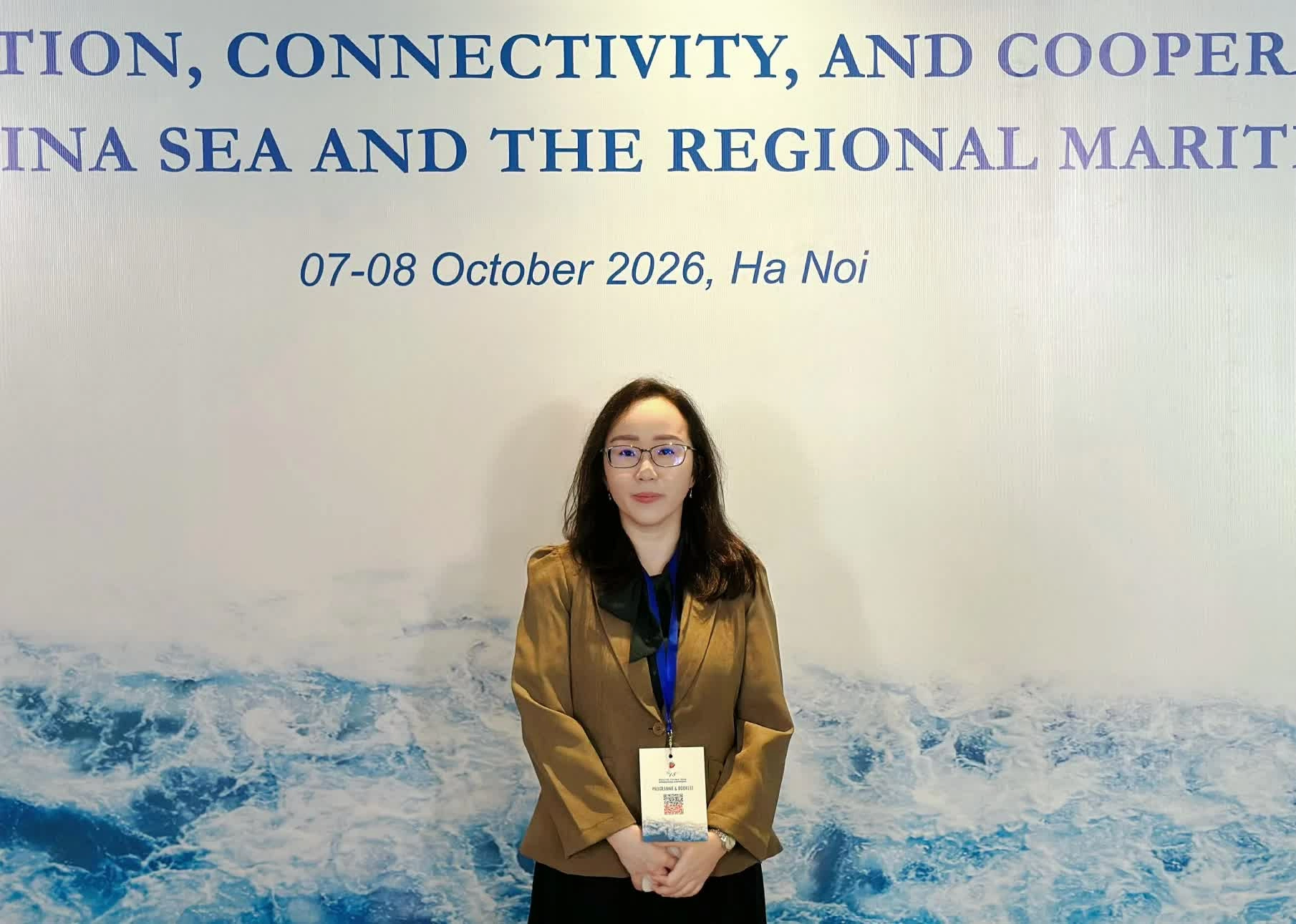 |
| Dr. Lupita Wijaya, Research Fellow at the La Trobe Centre for Global Security, Australia. (Photo: Trung Anh) |
While scientific cooperation can provide a foundation for dialogue, understanding changes in the security environment can help countries identify areas where closer coordination is needed.
Dr Lupita Wijaya, a Research Fellow at the La Trobe Centre for Global Security in Australia, argued that, alongside developments on the ground, information and technology are creating new challenges for maritime security research.
Where traditional approaches to security tended to focus on borders and territories defined by clear geographical boundaries, competition now extends into the information space, shaping perceptions and influencing human behaviour.
From this perspective, Dr. Lupita Wijaya highlighted the challenges posed by misinformation and disinformation, emphasising the role of the media in shaping public perceptions of maritime issues.
She explained that, through collaboration with journalists, her research examines how regional issues are reported and how media coverage influences public perceptions in East Asian countries.
Programmes for emerging leaders can also broaden research perspectives by providing participants from different countries with opportunities to exchange expertise, compare viewpoints and develop policy proposals.
Wijaya also stressed the need to strengthen resilience to information threats through closer coordination across journalism, information security, cybersecurity and artificial intelligence (AI).
In addition, she called for further research into unmanned underwater vehicles (UUVs) and undersea cable systems, areas that are becoming increasingly important to maritime security.
Working together to protect the marine environment
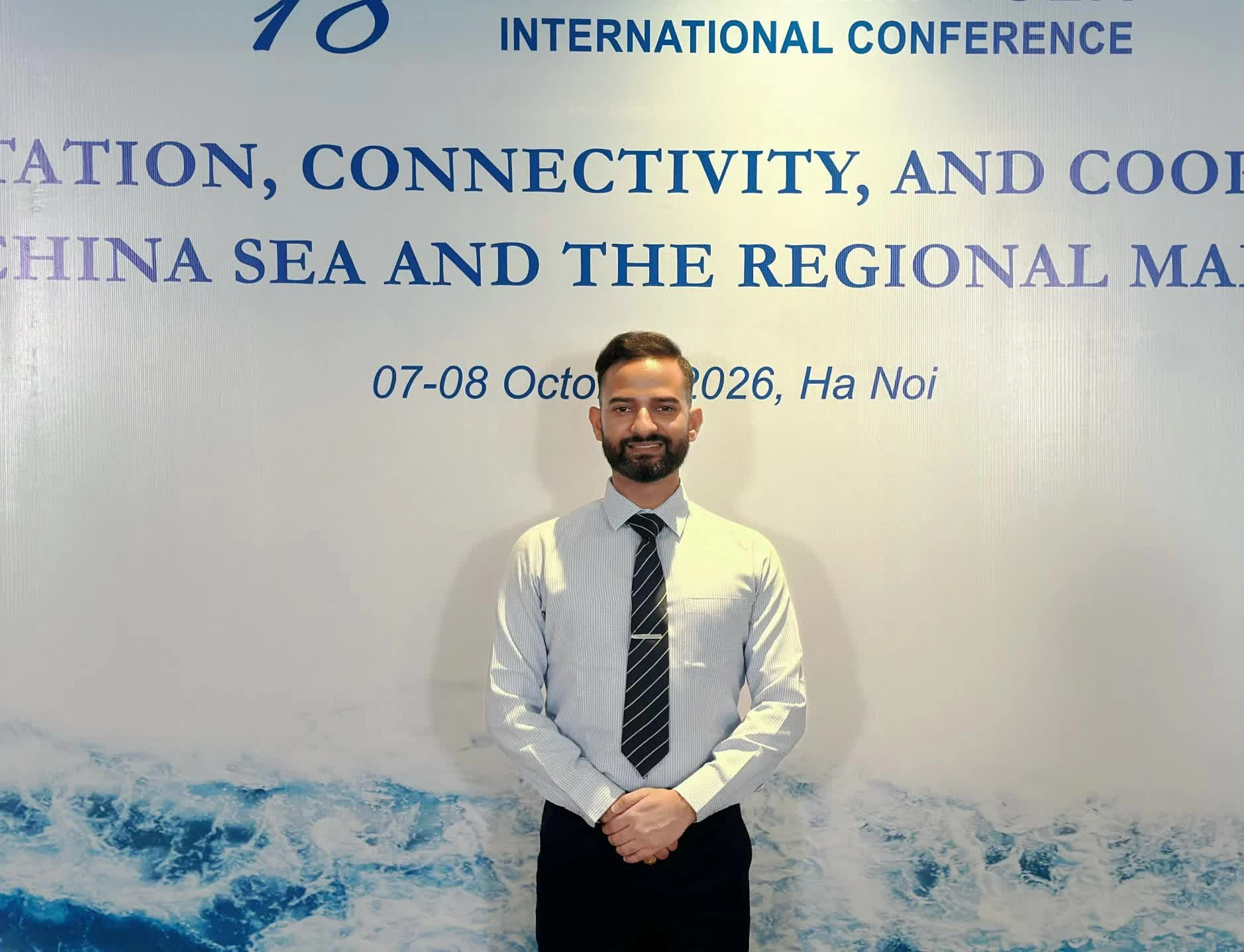 |
| Dr. Neeraj Singh Manhas, an expert on issues related to water and transboundary river in South Asia, based in New Delhi, India. (Photo: Trung Anh) |
As environmental and security challenges become increasingly intertwined, effective cooperation depends on translating knowledge and initiatives into concrete policies and action.
Dr. Neeraj Singh Manhas, an expert on issues related to water and transboundary river in South Asia based in New Delhi, India, placed particular emphasis on the need for stronger international coordination in marine environmental protection.
In terms of practical solutions, he discussed the potential use of AI to compile task lists, establish priorities and develop shared data repositories.
However, for such solutions to be implemented effectively, international cooperation must be backed by adequate resources and strike a balance between economic development and environmental protection.
According to Dr. Neeraj Singh Manhas, developed countries should support developing countries in their efforts to reduce emissions.
Countries must also honour their commitments and maintain consistent policies across generations to ensure that long-term goals are pursued steadily.
Highlighting ASEAN’s proactive role, Dr. Neeraj Singh Manhas said member states could put forward initiatives and strengthen regional links to advance maritime cooperation.
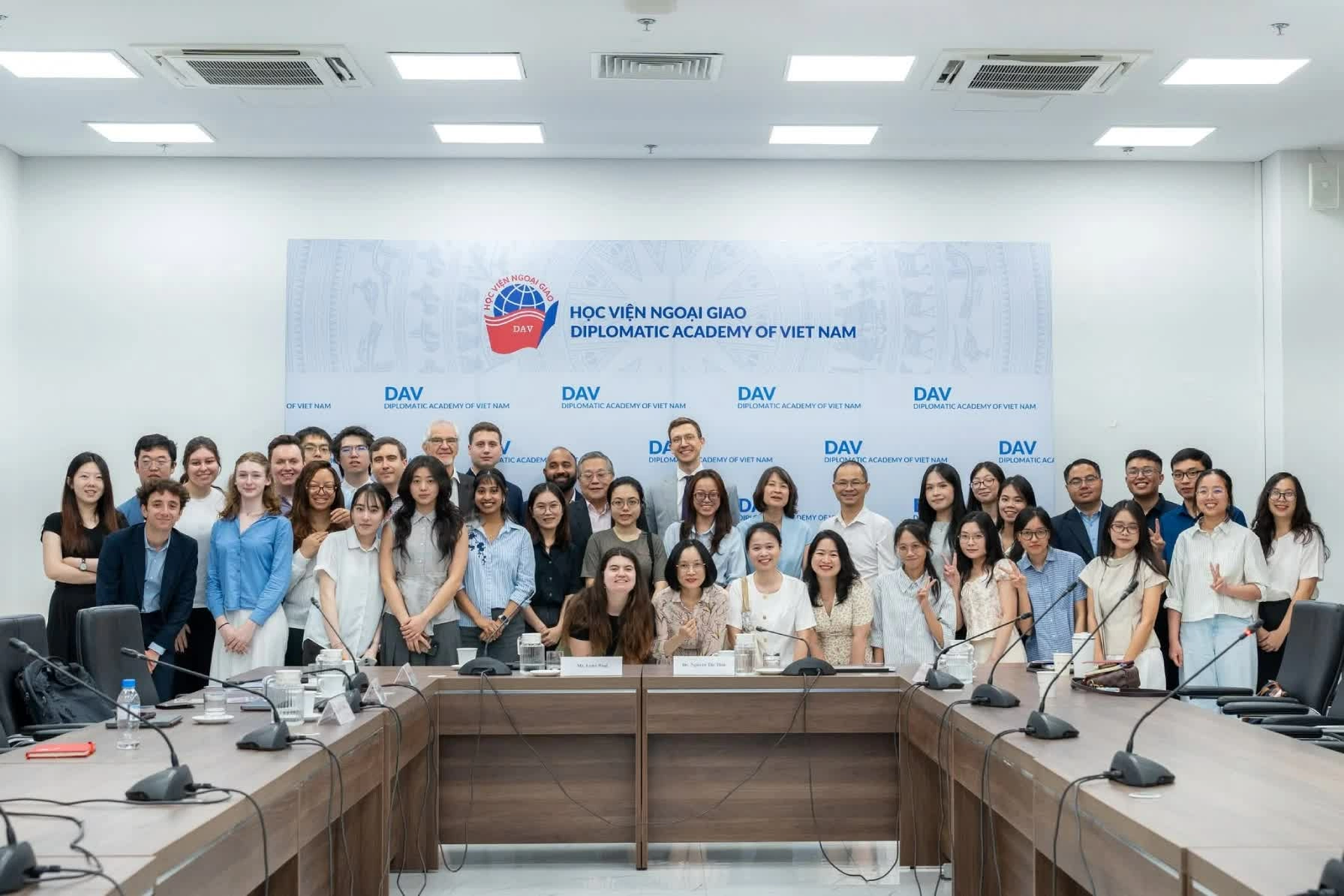 |
| Scientific exchange between the Diplomatic Academy of Vietnam and Johns Hopkins University on “Indo-Pacific: Current Geopolitical and Geo-economic Changes”, April 7. (Source: Diplomatic Academy of Vietnam) |
A common theme in the three scholars’ remarks was the active role young people can play in advancing regional cooperation.
Dr. Neeraj Singh Manhas said young people should cultivate curiosity, ask questions and develop analytical thinking skills to examine issues from different perspectives.
Emphasising the role of policy in driving change, the Indian expert argued that young people should engage more actively in research and policy advisory work, bringing fresh perspectives to the policymaking process.
Sharing an example from his practical work, Dr. Lupita Wijaya said she had put forward a policy proposal in Australia that helped pave the way for a three-year programme on maritime reporting for media organisations in Southeast Asia.
Meanwhile, Ms. Alayna Yap emphasised young people’s responsibilities to their countries, the region to which they belong and future generations.
She said young people should take a proactive interest in regional maritime issues and contribute to international cooperation, biodiversity conservation and marine environmental protection for the benefit of generations to come.
Although approaching the issues from different perspectives, the three scholars underscored the importance of linking research, dialogue and policymaking to advance cooperation in the East Sea.
By drawing on their expertise, fostering interdisciplinary collaboration and taking responsibility for the region’s future, young people can help turn shared initiatives into practical outcomes, strengthening trust and promoting sustainable maritime cooperation.


