





Strengthening Mekong Subregional Cooperation through connectivity - key for sustainable development: Ambassador of Laos
The 12th Summit of the Cambodia–Lao PDR–Myanmar–Viet Nam Cooperation (CLMV) and the 11th Summit of the Ayeyawady–Chao Phraya–Mekong Economic Cooperation Strategy (ACMECS), hosted by the Socialist Republic of Viet Nam, represent important milestones in strengthening cooperation, solidarity and integration among countries in the Mekong subregion.
Latest
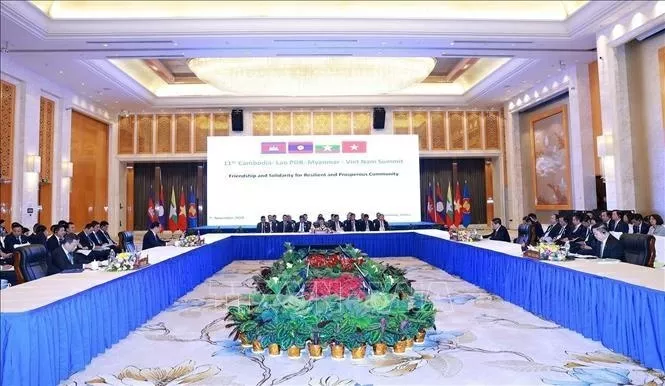 |
| The 11th Summit of the Cambodia–Lao PDR–Myanmar–Viet Nam Cooperation (CLMV) in Yunnan Province, China. (Photo: VNA) |
The 12th Summit of the Cambodia–Lao PDR–Myanmar–Viet Nam Cooperation (CLMV) and the 11th Summit of the Ayeyawady–Chao Phraya–Mekong Economic Cooperation Strategy (ACMECS), hosted by the Socialist Republic of Viet Nam, represent important milestones in strengthening cooperation, solidarity and integration among countries in the Mekong subregion. These summits take place at a time when the regional and international landscape is undergoing profound changes, presenting both opportunities and challenges for economic development, regional connectivity and sustainable growth. Against this backdrop, the two cooperation frameworks remain highly relevant platforms for promoting collective efforts, enhancing mutual support and advancing shared development aspirations.
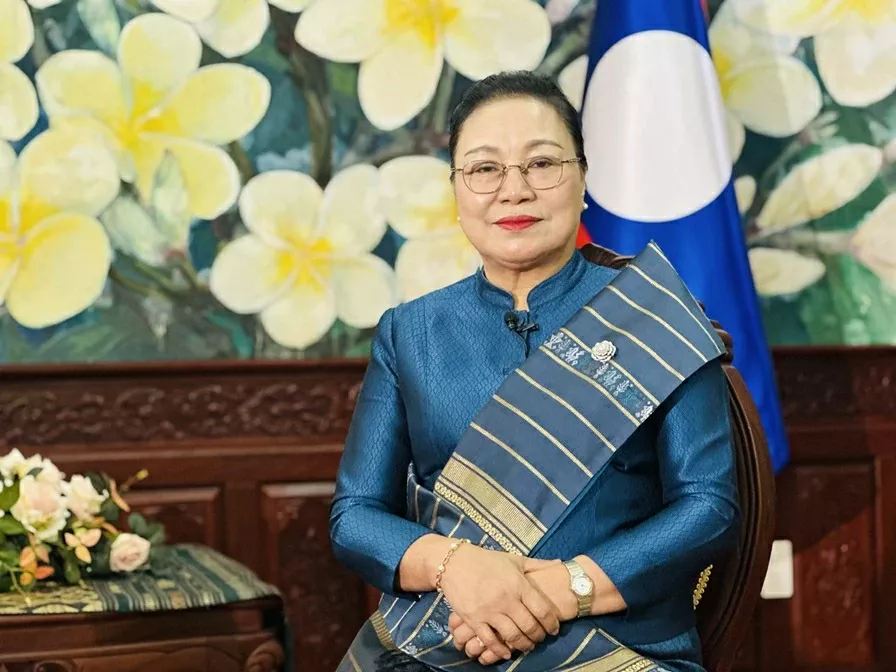 |
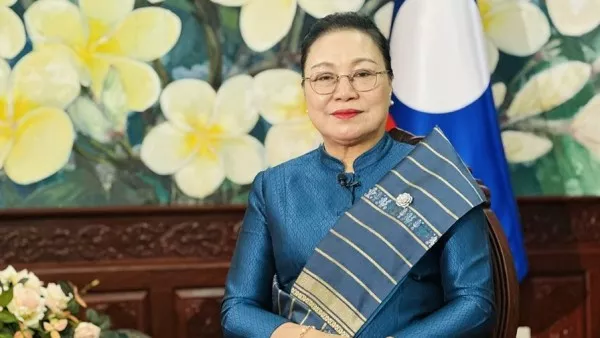
| Lao Ambassador to Vietnam Khamphao ERNTHAVANH. (Photo: Anh Duc) |
For the Lao People's Democratic Republic, these summits are particularly significant because they provide an important opportunity to reaffirm our commitment to regional cooperation, strengthen partnerships with neighbouring countries and promote initiatives that contribute to peace, stability and prosperity throughout the Mekong subregion.
CLMV and ACMECS: Important Mechanisms for Shared Development
Over the years, CLMV cooperation has played a valuable role in promoting economic integration and narrowing development gaps among its member countries. Through cooperation in trade, investment, tourism, transport, agriculture, industry, education and human resource development, CLMV has helped strengthen economic linkages and create opportunities for more balanced and inclusive development.
Similarly, ACMECS has served as an important framework for enhancing economic cooperation among the five Mekong countries, namely Cambodia, Lao PDR, Myanmar, Thailand and Viet Nam. It provides a platform for strengthening economic connectivity, promoting cross-border cooperation, mobilising development resources and fostering partnerships with external development partners.
In an increasingly interconnected world, no country can achieve sustainable development in isolation. The challenges facing our subregion, including economic uncertainties, climate change, environmental degradation, food and energy security, and disruptions to global supply chains, require closer coordination and collective responses. Therefore, strengthening CLMV and ACMECS cooperation is not merely a matter of economic collaboration; it is also a strategic necessity for building a more resilient, inclusive and sustainable Mekong subregion.
We believe that the two mechanisms should continue to complement one another, avoid duplication of efforts and promote practical cooperation that responds to the development priorities and specific circumstances of each member country.
Connectivity as a Driving Force for Subregional Integration
One of the most important aspects of the two summits is their emphasis on connectivity. In our view, connectivity is not simply about constructing roads, bridges, railways, ports and other physical infrastructure. It is a comprehensive concept that encompasses economic, trade, investment, digital, energy, institutional and people-to-people connectivity.
For the Lao PDR, enhancing connectivity is of particular strategic importance. As a land-linked country located at the heart of mainland Southeast Asia, Laos attaches great importance to developing transport infrastructure and logistics networks that connect our country with neighbouring countries and regional and international markets. The development of regional railway networks, expressways, international bridges, border facilities and logistics systems will help reduce transportation costs, facilitate the movement of goods and people, and create new opportunities for trade, investment and tourism.
Our vision is to transform the Lao PDR's geographical position from a landlocked disadvantage into an advantage as a regional connectivity hub, linking China, ASEAN and the wider Mekong region. This vision is consistent with our national development priorities and the broader objectives of ASEAN connectivity.
Nevertheless, physical infrastructure alone cannot fully realise the potential of regional connectivity. Greater attention should also be given to simplifying customs procedures, harmonising standards, facilitating cross-border transportation, promoting digital trade, strengthening financial cooperation and improving the movement of people. These measures are essential to ensuring that infrastructure investments generate tangible economic benefits.
Furthermore, digital connectivity, innovation and the development of human resources should become increasingly important components of subregional cooperation. By strengthening digital infrastructure and sharing knowledge and technology, Mekong countries can improve productivity, enhance competitiveness and create new opportunities for businesses, particularly small and medium-sized enterprises.
We also believe that connectivity should be pursued in a sustainable and inclusive manner, taking into account environmental protection, climate resilience and the needs of local communities. The ultimate objective is to ensure that the benefits of integration reach all countries and peoples across the subregion.
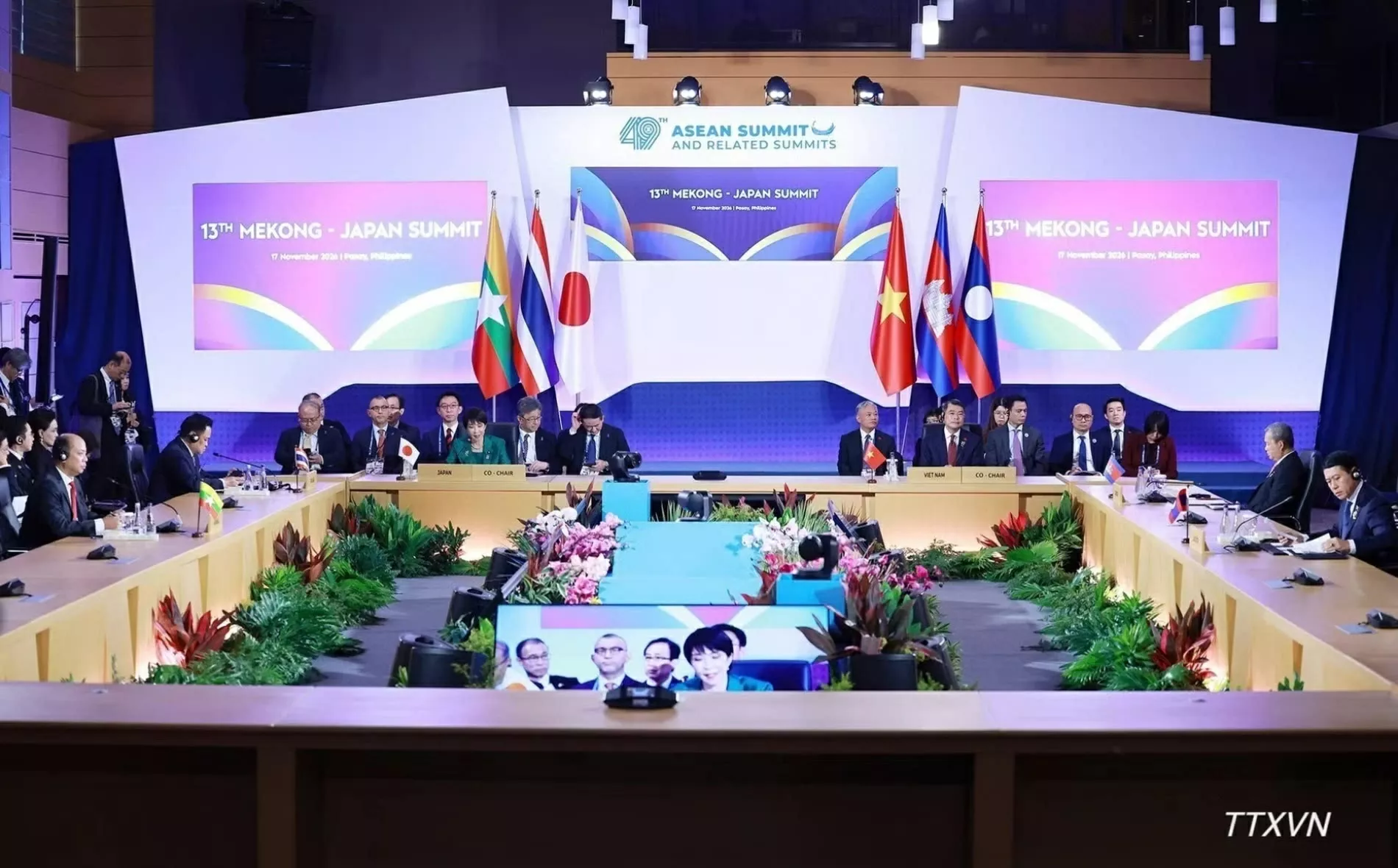 |
| An overview of the 13th Mekong-Japan Summit in Manila, the Philippines. (Photo: VNA) |
Viet Nam’s Important Role in Promoting Mekong Cooperation
The Lao PDR highly appreciates Viet Nam’s role in hosting the 12th CLMV Summit and the 11th ACMECS Summit. As an active and responsible member of these mechanisms, Viet Nam has consistently made important contributions to strengthening cooperation, solidarity and mutual trust among countries in the Mekong subregion.
Viet Nam’s hosting of these important summits reflects its strong commitment to regional integration and its determination to promote a more connected, dynamic and prosperous Mekong region. With its growing economic potential, strategic geographical position, development experience and extensive regional and international partnerships, Viet Nam is well positioned to facilitate dialogue, build consensus and promote practical cooperation among member countries.
We particularly value Viet Nam's efforts to promote connectivity, economic cooperation and sustainable development, as well as its contributions to strengthening ASEAN unity and the broader regional architecture. The successful organisation of these summits can provide fresh momentum for both mechanisms, particularly in translating political commitments into concrete programmes and projects.
We are confident that Viet Nam’s constructive role will continue to contribute to building stronger partnerships among Mekong countries and mobilising support from development partners for projects that respond to the common priorities of the subregion.
Laos–Viet Nam Relations: A Special Relationship Beyond Regional Cooperation Frameworks
For the Lao PDR, the significance of these summits also extends to the special relationship between Laos and Viet Nam. Our two countries enjoy a time-honoured relationship founded on the great friendship, special solidarity, comprehensive cooperation and strategic significance, nurtured and strengthened by successive generations of leaders and peoples of both countries.
This relationship has been forged through a shared history of struggle, mutual support and cooperation. It represents a valuable legacy that both countries are committed to preserving, protecting and further developing for the benefit of present and future generations.
Today, Laos–Viet Nam relations continue to flourish across all fields, including political affairs, defence and security, economic cooperation, trade, investment, education, culture, science and technology, and people-to-people exchanges. The close political trust and regular high-level exchanges between the two Parties and States provide a strong foundation for advancing bilateral cooperation in an increasingly complex regional and international environment.
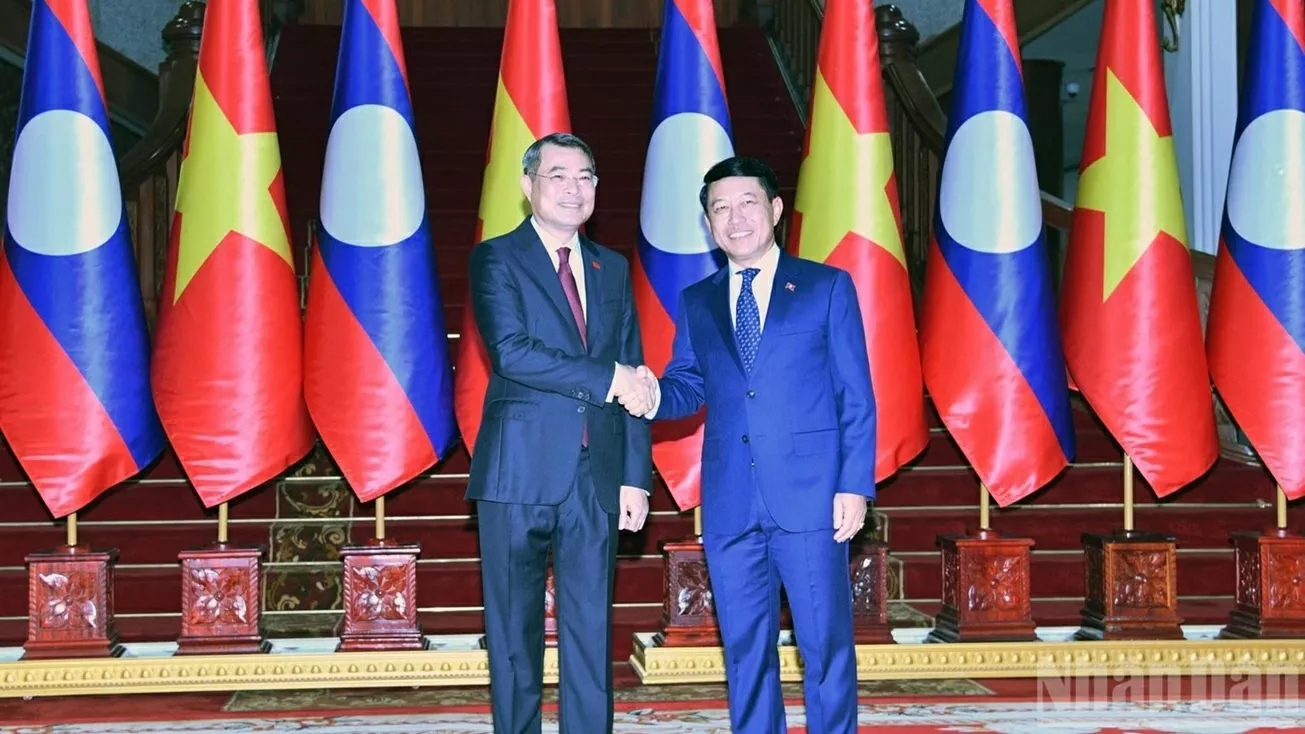 |
| Lao Prime Minister Saleumxay Kommasith and Vietnamese Prime Minister Le Minh Hung during his official visit to Laos in October 2026. |
Importantly, the relationship between Laos and Viet Nam goes far beyond the frameworks of CLMV and ACMECS. While these mechanisms provide useful platforms for coordinating policies and promoting multilateral cooperation, the Laos–Viet Nam relationship has its own distinctive historical foundation, political significance and strategic depth. It is a comprehensive bilateral partnership that serves the fundamental interests of both countries and contributes to peace, stability and development in the region.
Within CLMV and ACMECS, Laos and Viet Nam continue to work closely together, support one another and coordinate their positions on issues of common interest. In particular, both countries share strong interests in developing transport infrastructure, strengthening cross-border economic corridors, facilitating trade and investment, promoting energy cooperation and improving regional logistics connectivity.
We believe that closer coordination between Laos and Viet Nam, together with cooperation with other Mekong partners, will create greater opportunities for economic development and regional integration. The continued strengthening of our special relationship will therefore benefit not only the two countries and their peoples but also the wider Mekong subregion and ASEAN community.
Looking Ahead: Turning Commitments into Concrete Outcomes
Looking ahead, the Lao PDR hopes that the outcomes of the 12th CLMV Summit and the 11th ACMECS Summit will provide renewed direction and practical momentum for subregional cooperation. It is important that the commitments and initiatives agreed upon by leaders be translated into concrete programmes, projects and activities with clear implementation arrangements and measurable benefits.
Priority should be given to improving transport and logistics connectivity, facilitating cross-border trade and investment, strengthening digital transformation, promoting sustainable agriculture and tourism, enhancing energy cooperation, developing human resources and addressing common environmental challenges. At the same time, closer coordination among member countries and stronger partnerships with development partners will be essential to mobilising the necessary financial, technical and technological resources.
The Lao PDR remains firmly committed to working closely with Cambodia, Myanmar, Thailand and Viet Nam, as well as other development partners, to strengthen the effectiveness of CLMV and ACMECS cooperation. We believe that solidarity, mutual trust, respect for one another's development priorities and the spirit of shared responsibility are essential foundations for achieving our common goals.
In conclusion, the 12th CLMV Summit and the 11th ACMECS Summit are important opportunities to renew our collective commitment to a more integrated, connected, resilient and prosperous Mekong subregion. We highly appreciate Viet Nam's role in hosting these summits and its continued contributions to regional cooperation. For Laos and Viet Nam, we are confident that our great friendship, special solidarity and comprehensive cooperation will continue to grow stronger, creating new opportunities for development and contributing to peace, stability and prosperity in the Mekong subregion and beyond.
Connectivity brings our countries closer; solidarity strengthens our common efforts; and cooperation builds our shared future.