




Building momentum for APEC Viet Nam 2027
Viet Nam looks forward to working with APEC member economies to build on the outcomes of APEC 2026 and continue implementing cooperation programmes and initiatives towards a peaceful, stable and prosperous Asia-Pacific, delivering long-term benefits to businesses and people.
Latest
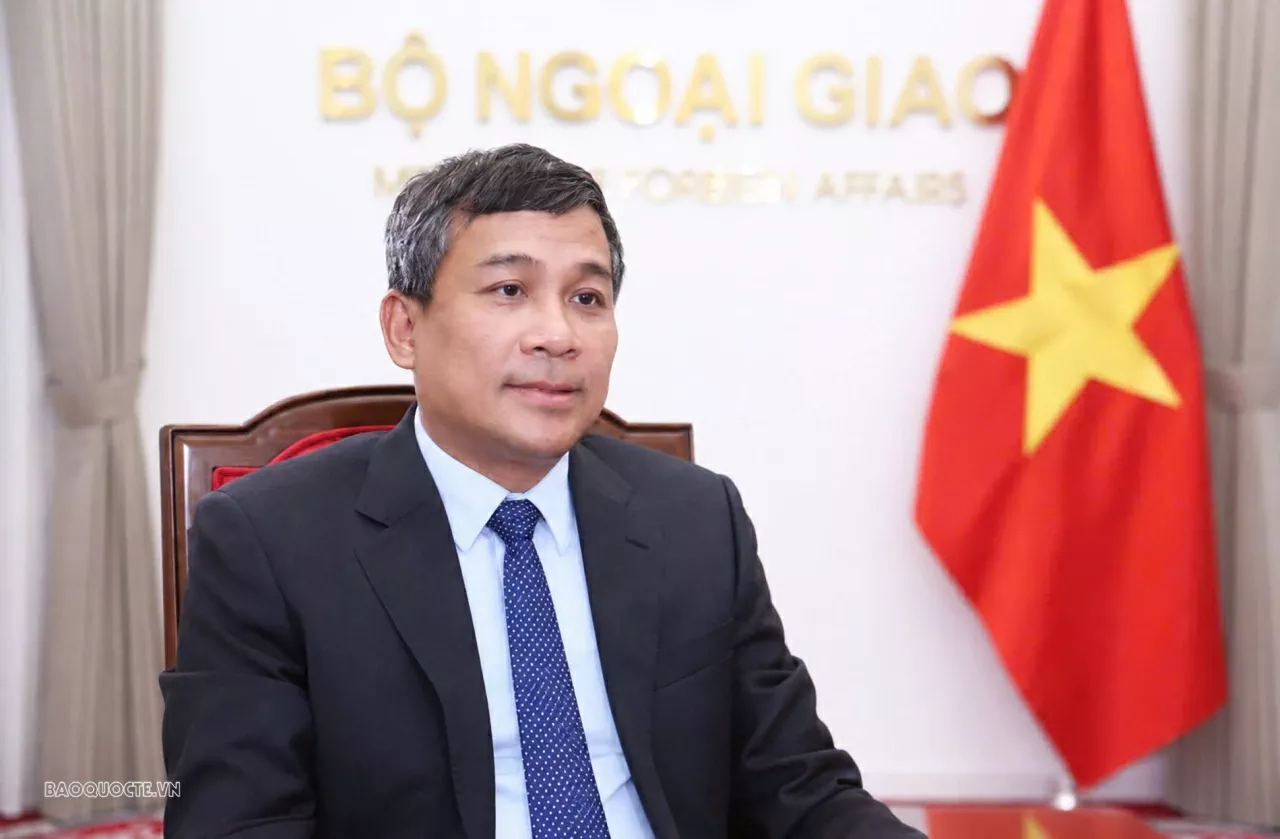 |
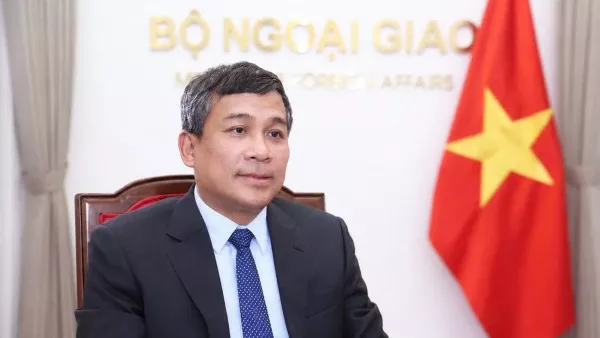
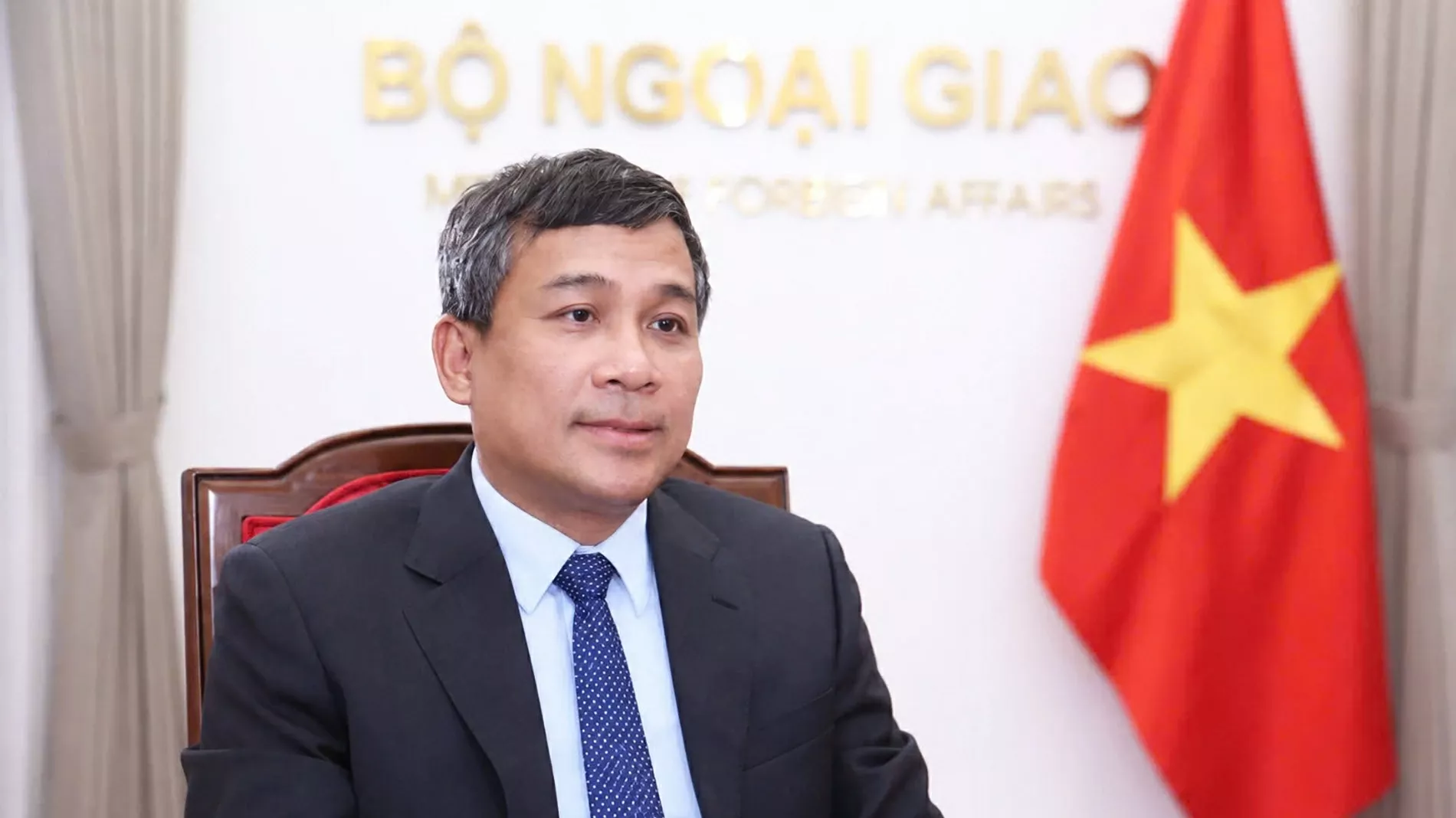
| Member of the Party Central Committee and Permanent Deputy Minister of Foreign Affairs Nguyen Minh Vu. (Photo: Thanh Long) |
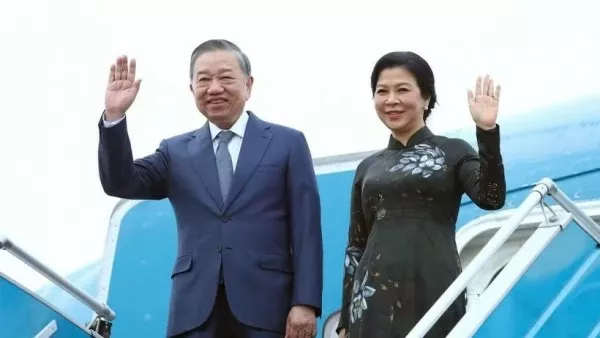
Mr. Nguyen Minh Vu, Member of the Party Central Committee and Permanent Deputy Minister of Foreign Affairs, discusses General Secretary and President To Lam’s working visit to China from 17 to 20 November 2026 to attend the 33rd APEC Economic Leaders’ Week in Shenzhen and engage in bilateral meetings.
Deputy Minister, the 2026 APEC Economic Leaders’ Week is taking place amid significant changes in the global and regional economic and political landscape. How do you assess the significance of APEC Year 2026, and what does Viet Nam hope to see from this year’s Leaders’ Week?
Since its establishment in 1989, APEC has pursued the enduring goal of promoting sustainable growth and shared prosperity in the Asia-Pacific through open trade and investment, stronger regional integration, and economic and technical cooperation. In 2026, that goal is facing a major test. The region and the world are grappling with geo-political and geo-economic shifts, uncertainty in the trade and investment environment, and rapid advances in science and technology that bring both opportunities and challenges. Against this backdrop, APEC - with its 21 member economies accounting for more than 60 per cent of global GDP and over half of world merchandise trade - has become all the more important as a forum for sustaining dialogue and cooperation and helping to make the Asia-Pacific one of the engines of global growth.
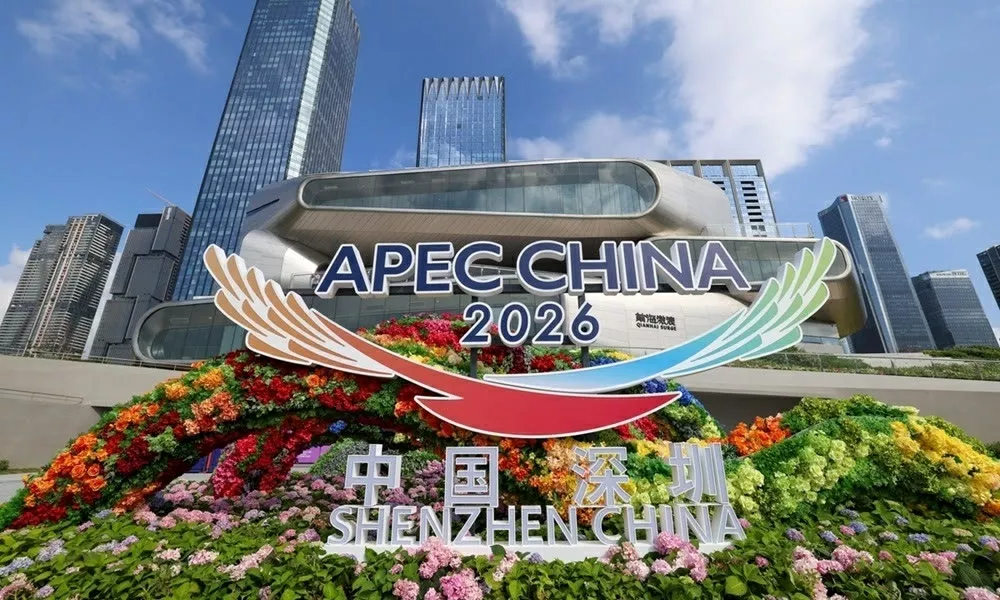 |
| An APEC-themed decorative display in Shenzhen, China. (Source: Xinhua) |
With only a few months left in 2026, it is clear that China, as host, together with other members have made this a meaningful year for APEC cooperation in three respects.
First, the theme, “Building an Asia-Pacific Community to Prosper Together”, and the three priorities proposed by China, centred on openness, innovation and cooperation, reflect the members’ longstanding aspiration for an open and connected region of shared prosperity. They also respond to practical needs on maintaining a favourable environment for trade and investment, advancing regional economic integration, and addressing shared challenges.
Second, the consensus reached throughout the year at ministerial meetings on trade, finance, the digital economy, energy and food security, as well as in working groups, has laid the groundwork for member economies to coordinate policies, advance joint initiatives, and prepare reports to APEC Economic Leaders.
Third, China and other members have drawn on one of APEC’s strengths: linking policy dialogue with the voice of the business community. Through the APEC Business Advisory Council (ABAC), issues directly affecting businesses - from supply-chain bottlenecks to access to digital technologies - have been translated into policy recommendations for APEC Economic Leaders.
The upcoming APEC Economic Leaders’ Week in Shenzhen is attracting widespread attention, and APEC members and the international community have high expectations for it.
We hope the meeting will give APEC Economic Leaders an opportunity to meet and exchange views in person on major global and regional issues, and to convey a shared message in support of dialogue, openness and cooperation - thereby helping to preserve the peaceful and stable environment.
We also hope the meeting will deliver tangible progress for the region in areas such as economic integration, regional connectivity and digital trade, laying the foundations for a more connected region and fresh momentum for growth over the coming decade.
Finally, we hope the consensus reached in Shenzhen will provide impetus for APEC Viet Nam 2027. Viet Nam looks forward to working with all members to build on the outcomes of APEC 2026 and advance programmes and cooperative initiatives for a peaceful, stable and prosperous Asia-Pacific, bringing lasting benefits to businesses and people.
Deputy Minister, looking back on nearly 30 years of Viet Nam’s participation in APEC, what benefits has APEC cooperation brought to Viet Nam? How has Viet Nam’s role, standing and contribution in the forum evolved?
Looking back on the nearly three decades since Viet Nam joined APEC in 1998, we can affirm that it was a decision of strategic significance for the country’s international economic integration. APEC opened up new avenues for cooperation with some of the world’s leading economic, trade and technology hubs, while helping Viet Nam prepare for further steps towards deeper integration.
The benefits of APEC cooperation have been felt across a range of areas. For the economy, they include opportunities to expand markets, attract investment, and access knowledge and development experience. For businesses, APEC has made it easier to connect with partners, explore markets and participate in regional supply chains. APEC’s cooperation programmes, policy exchanges and capacity-building initiatives have also supported Viet Nam in improving its institutions, strengthening the business environment and enhancing its capacity to integrate internationally.
In my view, one of the lasting benefits has been the significant evolution in our thinking, capabilities and approach to international integration, particularly economic integration. Our experience has taught us that making the most of opportunities from abroad requires us to take the initiative in reforming at home. It has also shown that earning a voice and the trust of others depends on making practical contributions to the shared work.
Viet Nam’s evolving role in APEC is evident in its progression from an active member to one that now puts forward initiatives, helps shape the cooperation agenda and assumes important responsibilities within the forum. Successfully hosting APEC Year twice, in 2006 and 2017, were notable milestones. Their significance lay not only in the events themselves, but also in Viet Nam’s ability to coordinate, reconcile different interests and concerns and work with other members to build consensus and sustain cooperation during challenging times.
Alongside these major milestones, Viet Nam has also contributed through specific initiatives and projects on human resource development, trade facilitation, food security and disaster response. These contributions draw on our own experience and development needs, while also addressing the shared interests of APEC member economies.
Viet Nam’s APEC journey demonstrates how national development and regional contribution reinforce one another. As Viet Nam develops and integrates more deeply, it gains greater capacity to contribute; effective regional cooperation, in turn, creates further opportunities for Viet Nam. The country’s standing and credibility have been built through this process - through consistency in its commitments, a strong sense of responsibility and the practical work it carries out with its partners.
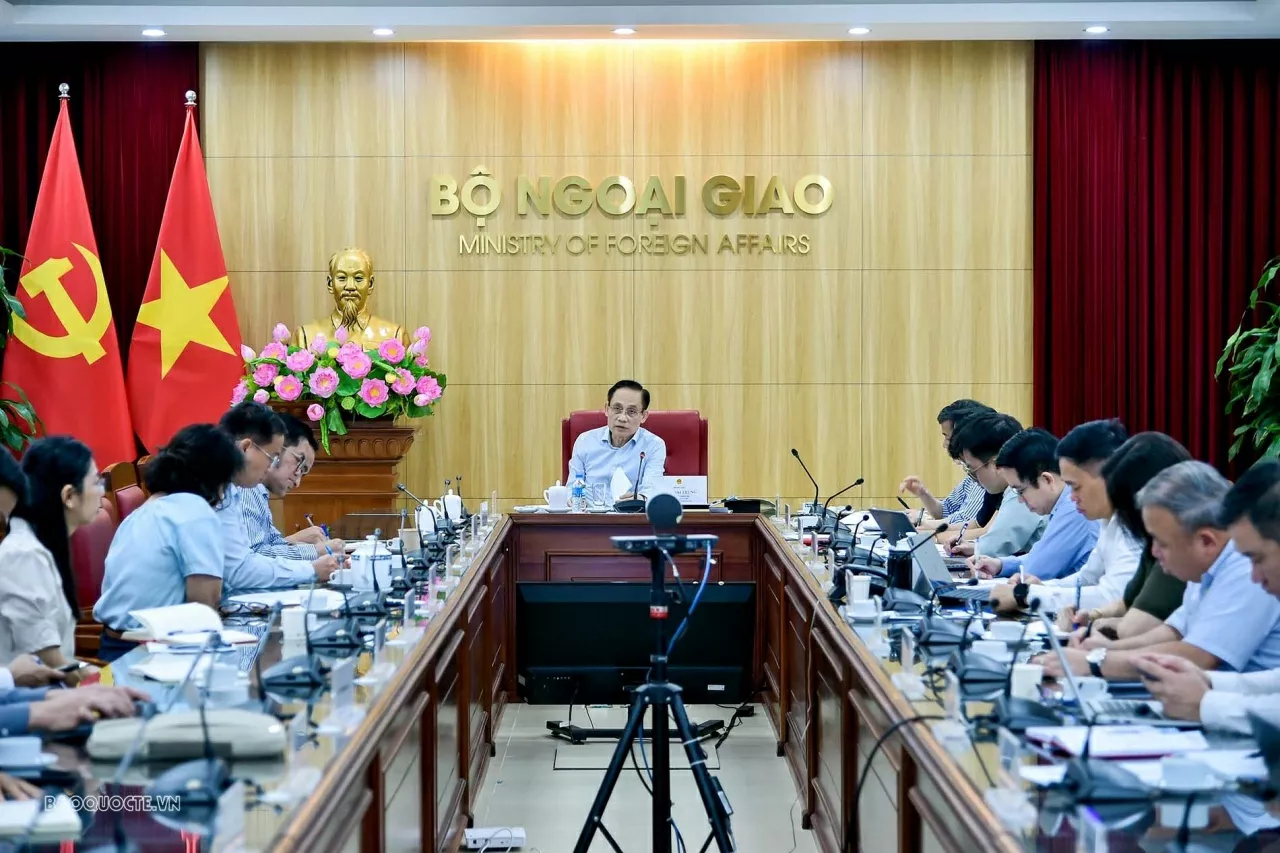 |
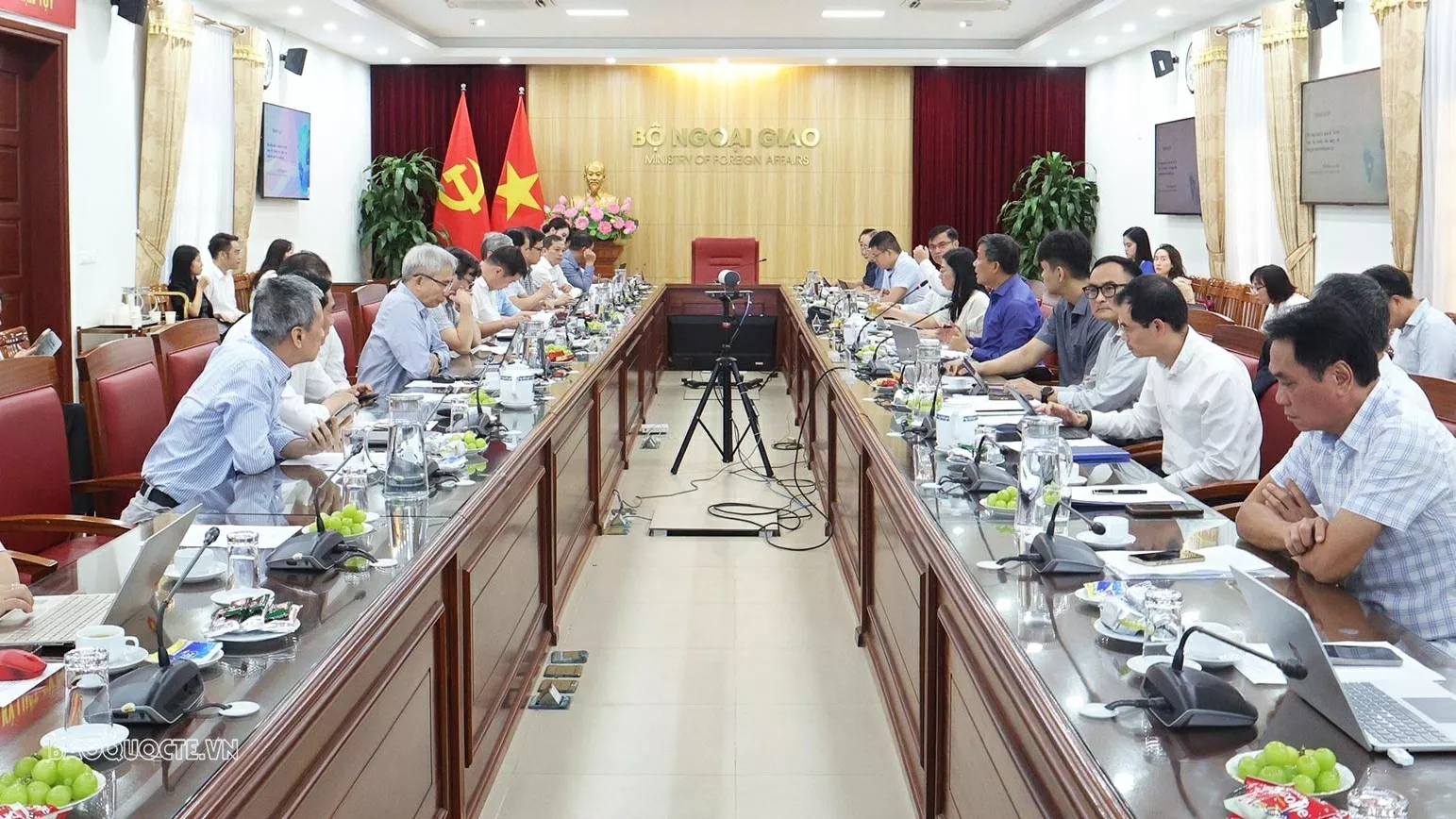
| On November 2, Politburo member and Minister of Foreign Affairs Le Hoai Trung chaired a meeting to review preparations for the Vietnamese delegation’s participation in APEC 2026 Economic Leaders’ Week and bilateral activities in China, as well as to review progress and preparations for APEC 2027, which Viet Nam will host. (Photo; Thanh Long) |
What are the main objectives of General Secretary, President Tô Lâm’s visit to China to attend APEC Economic Leaders’ Week 2026 and undertake a programme of bilateral engagements, in terms of APEC cooperation and Viet Nam-China relations?
General Secretary, President Tô Lâm’s visit to China to attend APEC Economic Leaders’ Week 2026 and undertake a programme of bilateral engagements is of particular importance on both the multilateral and bilateral fronts. Its overarching objective is to contribute to the region’s key economic cooperation agenda, deepen relations with partners and create more favourable conditions for Viet Nam’s development.
At APEC, Viet Nam seeks to work with other members to strengthen the foundations of regional economic cooperation, maintain an open and stable environment for trade and investment, and promote new drivers of growth. With the global economy still facing significant challenges, direct exchanges among leaders are important for building understanding, seeking consensus and providing direction for cooperation.
During Leaders’ Week, General Secretary, President Tô Lâm will meet with leaders from a number of APEC economies. The occasion will also allow Viet Nam to share its development priorities and discuss with partners potential cooperation in science, technology, innovation, digital transformation, green transition and human resource development. Our aim is to identify concrete opportunities that meet the needs of the economy and deliver practical benefits to businesses and people.
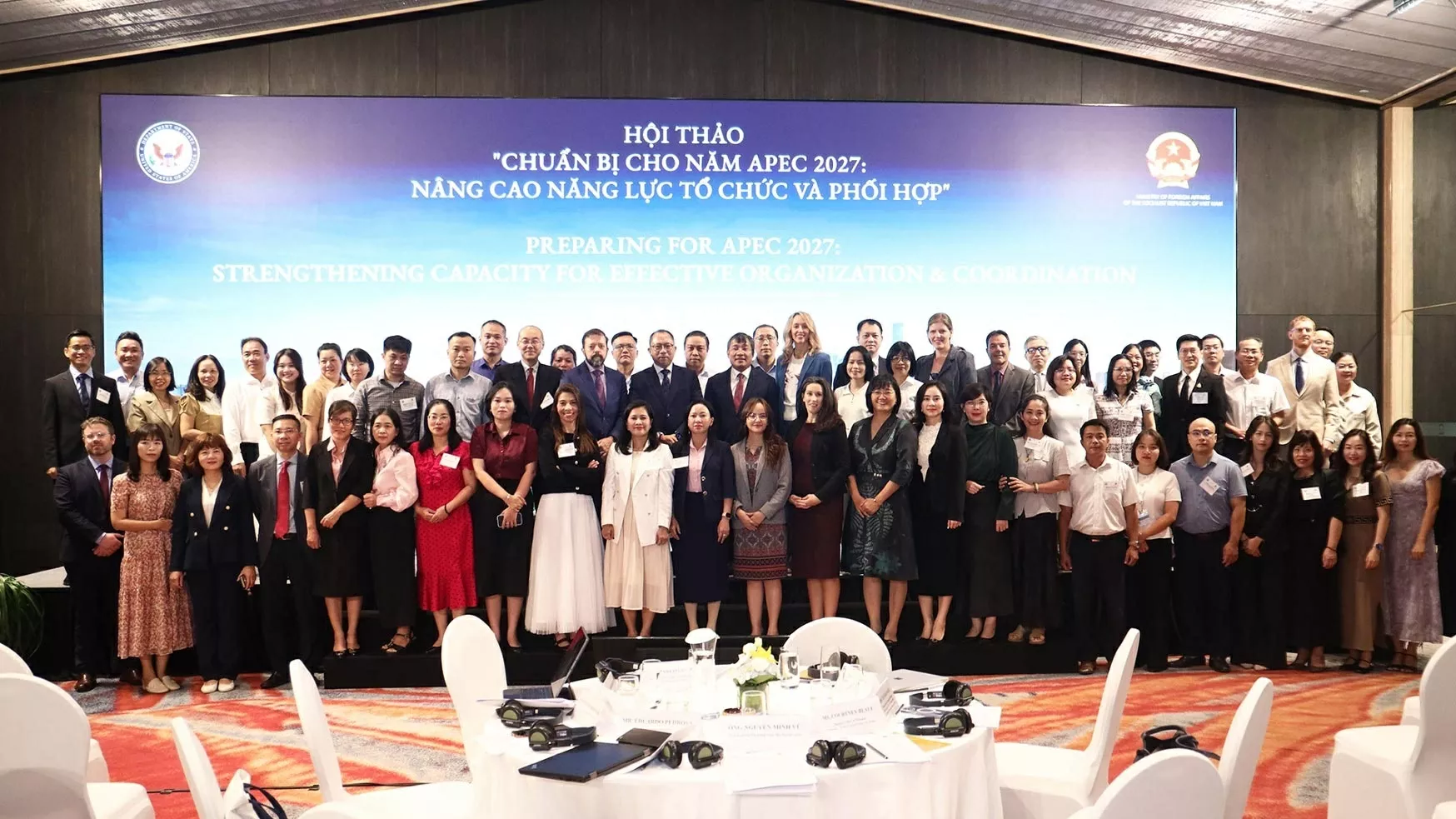
The visit comes as Viet Nam is actively preparing to host APEC in 2027. Consultations, listening to members’ views and securing their cooperation are therefore important. They will help Viet Nam, as the 2027 APEC host, shape a programme that builds on achievements to date while responding to the region’s emerging development needs.
As for Viet Nam-China relations, a key objective is to continue strengthening political trust and advancing substantive cooperation. High-level exchanges provide an opportunity for both sides to review the implementation of their common understandings, identify priority work and address obstacles that may arise during implementation.
As neighbouring countries with closely connected economies, Viet Nam and China have considerable scope to expand cooperation in trade, investment, supply chain and infrastructure connectivity. Science and technology, the digital economy and the green economy also offer promising avenues for cooperation that align with each country’s development needs. Cooperation between localities and people-to-people exchanges should likewise continue to receive attention, helping to foster mutual understanding and strengthen the social foundations of bilateral relations.
Maintaining candid and sincere dialogue will also help the two sides appropriately address issues on which they differ, contributing to peace and stability and creating favourable conditions for the sustainable development of bilateral relations.
We hope the visit will affirm Viet Nam’s role as a proactive and responsible participant in regional cooperation, while also bringing tangible progress in Viet Nam–China relations. Its lasting value will be reflected in how shared understandings and directions are carried forward through practical programmes, projects and results.