


RoK President Lee Jae Myung’s Vietnam visit: Moving beyond conventional frameworks to become a strategic anchor for a new phase
WVR - Amid strategic competition and global economic restructuring, Vietnam-Republic of Korea relations face the demand to elevate in both quality and depth. On the occasion of Republic of Korea (RoK) President Lee Jae Myung's State visit to Vietnam (April 21-24), The World and Vietnam Report held an interview with Vietnamese Ambassador to Republic of Korea Vu Ho about the strategic significance, new cooperation dynamics, and long-term vision of the bilateral relations.
Latest
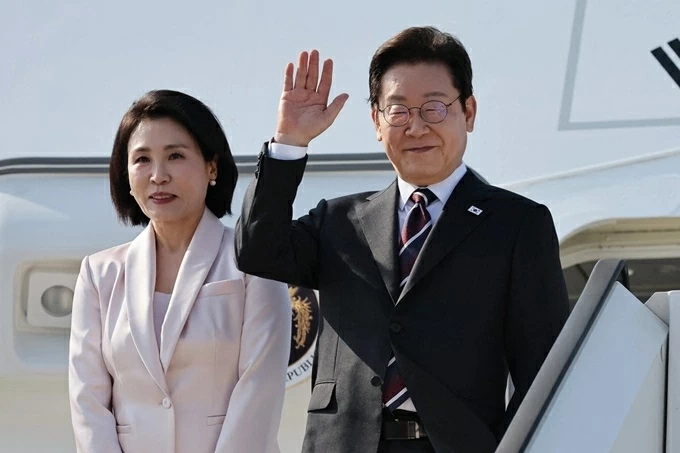 |
| Republic of Korean President Lee Jae Myung and his spouse are set to make a state visit to Vietnam. (Source: Yonhap) |
Ambassador, could you elaborate on the significance and key focuses of Republic of Korean President Lee Jae Myung's visit to Vietnam, being one of the first guests after Vietnam's recent leadership consolidation?
This visit holds significance beyond a typical bilateral visit, serving as a "strategic anchor" for the new phase of the bilateral relationship. The fact that the Republic of Korean President is among the first leaders to visit following Vietnam's leadership consolidation indicates two things: The level of political trust and strategic priority both sides accord each other in their overall foreign policy is very high.
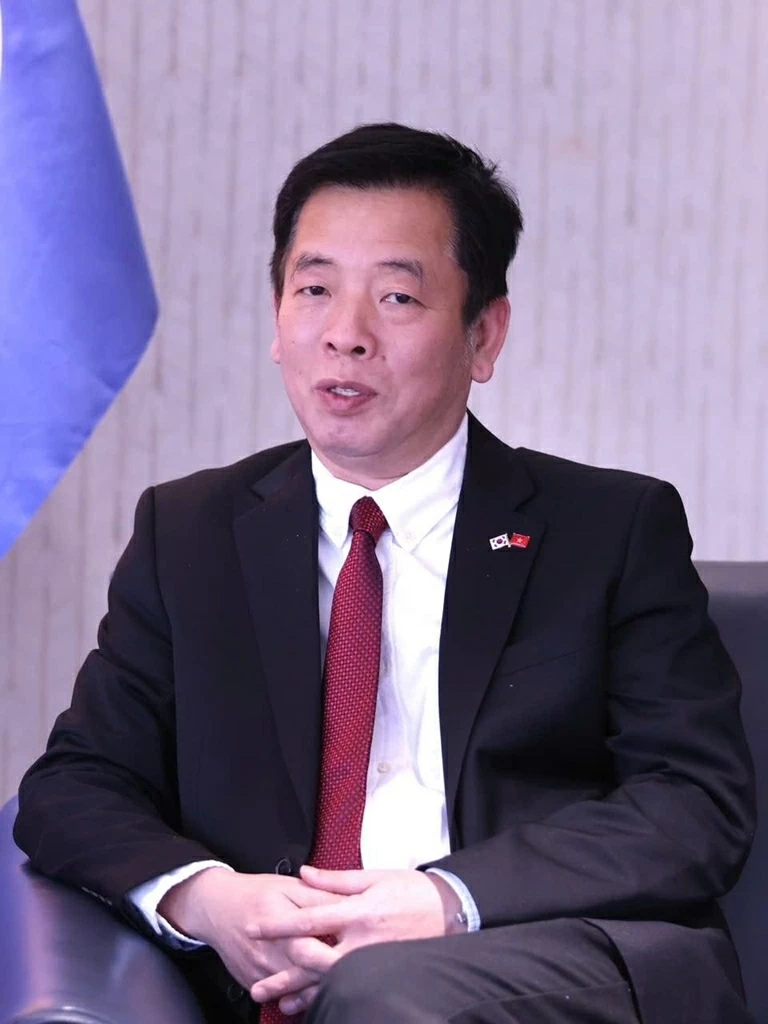 |
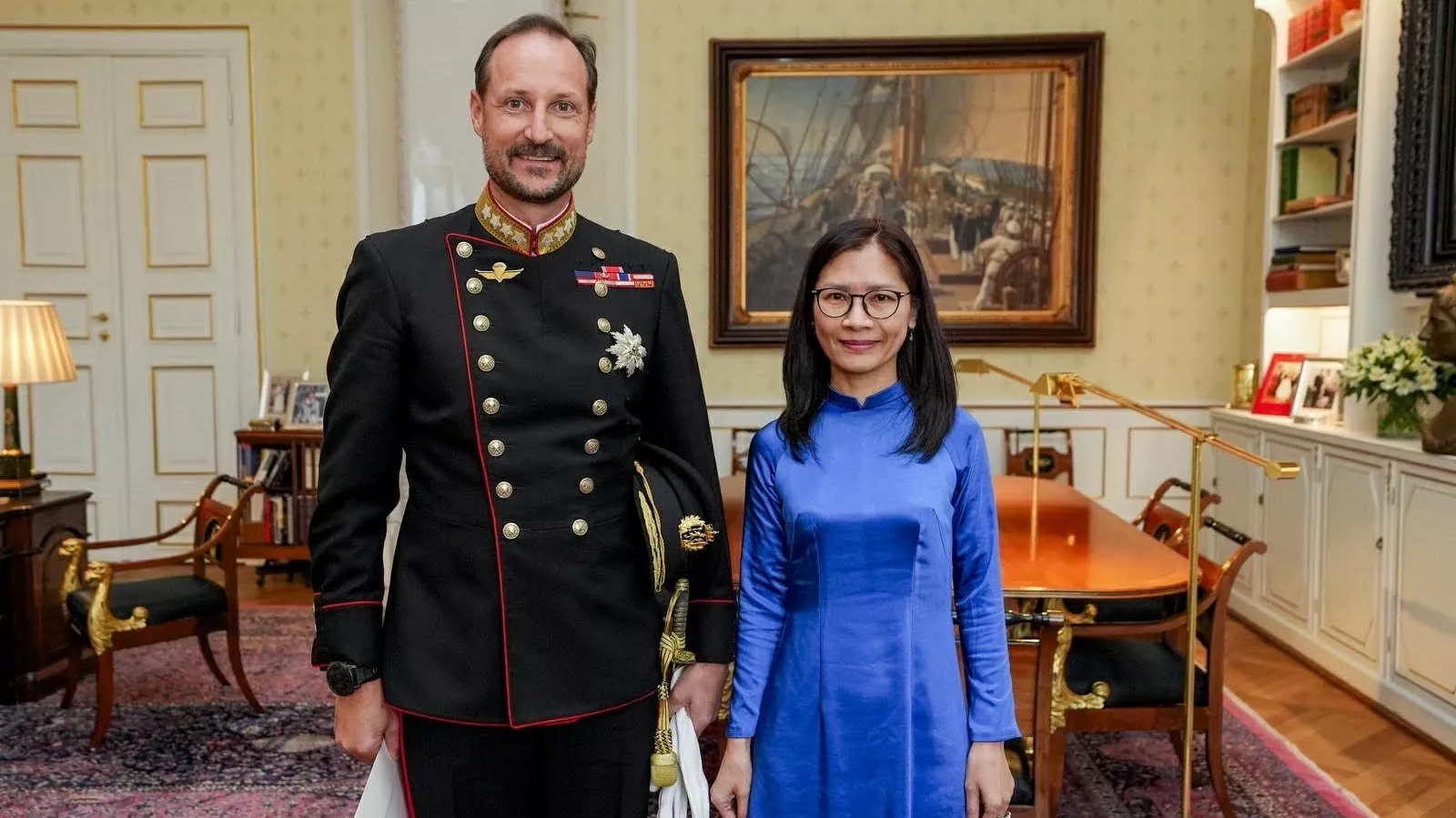
| Vietnamese Ambassador to Republic of Korea Vu Ho. (Source: Vietnamese Embassy in Republic of Korea) |
Republic of Korea is currently the largest foreign investor in Vietnam, with cumulative registered capital of approximately 85-90 billion USD, and one of the leading trade partners, with bilateral trade in 2025 estimated to reach about 90-95 billion USD. Additionally, Republic of Korea is a significant ODA and development cooperation partner.
In this context, the visit will focus on transforming the current scale of cooperation into higher quality collaboration through three main pillars. These include shaping a long-term strategic vision (towards 2030-2045), restructuring cooperation dynamics from labor-capital to technology-innovation, and strengthening the social foundation with over 350,000 Vietnamese in Republic of Korea.
The core point is to elevate the relationship from "important partner" to "creative partner" in regional development and stability. In summary, the direction of the bilateral relationship is: "From development partner to creative partner – from cooperation to linkage – from production to innovation."
To achieve development goals, Vietnam will transition its growth model based on science and technology, innovation, and digital transformation. These are strengths of South Korea and key areas of cooperation between the two countries in recent times. What are your expectations for new substantial pushes contributing to realizing Vietnam's development goals?
Vietnam is entering a phase of growth model transformation, where science – technology and innovation play a central role. Meanwhile, Republic of Korea is one of the countries with the highest R&D investment rates globally, exceeding 4% of GDP. Therefore, the "push" Vietnam expects is not in increasing the number of projects, but in changing the nature of technological cooperation.
Currently, many Republic of Korean enterprises have established large production complexes in Vietnam, especially in electronics. The next phase requires a step further: Integrating Vietnam into higher value-added stages such as design, R&D, and core technology, particularly in semiconductors and AI. This will allow Vietnam to deeply engage in the high-tech value chain.
Vietnam has a young workforce, with hundreds of thousands of graduates annually in STEM fields. By combining with Republic of Korea's training systems and experience, the two sides can establish regional-scale engineer training centers. This will be a key human resource for large-scale technological development.
Achieving these goals cannot overlook the innovation ecosystem, a key factor in technological development. With the connection of R&D centers, technology incubators, venture capital funds, and startup networks, the bilateral connection will gradually improve in quality. This will help Vietnam enhance its endogenous capacity, not just increase production output.
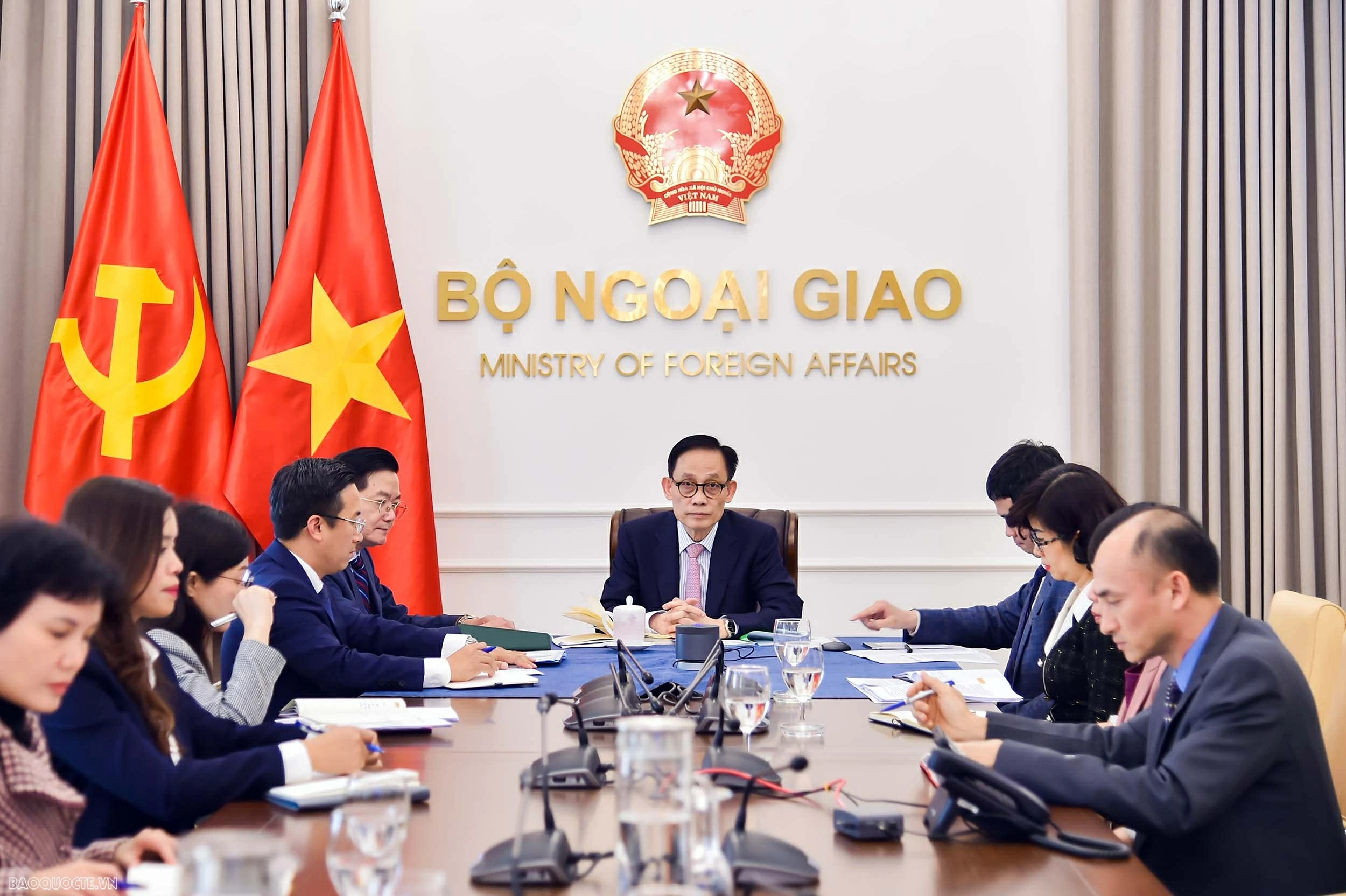 |
| Politburo Member, Minister of Foreign Affairs Le Hoai Trung in a phone call with Republic of Korean Foreign Minister Cho Hyun on March 10. |
Shifting from cooperation to economic linkage, Republic of Korean enterprises identifying Vietnam as a global production hub, a strategic destination… are the directions both sides are pursuing to soon achieve the trade turnover target of 150 billion USD by 2030. What is your assessment of this prospect and direction?
The target of 150 billion USD by 2030 is feasible, but only achievable if both sides transition from "economic cooperation" to "structured economic linkage". Currently, a notable characteristic is the high dependency on importing components from Republic of Korea, reflecting Vietnam's primary role in assembly stages within the value chain.
Therefore, to achieve the target sustainably, focus must be on three breakthroughs. These include increasing localization rates through developing supporting industries in Vietnam, enabling Vietnamese enterprises to engage more deeply in Republic of Korea's supply chains. Next, improving the trade balance sustainably by increasing exports of technology products, processed agricultural goods, and services to Republic of Korea, rather than relying on a few traditional items. Additionally, connecting small and medium enterprises (SMEs), which constitute over 90% of businesses in both countries, yet have limited connectivity, presents a significant opportunity for expanding cooperation.
If these aspects are effectively implemented, Vietnam-Republic of Korea economic relations will transition from a "processing – assembly" model to "co-production – co-creation", ensuring sustainability and longevity.
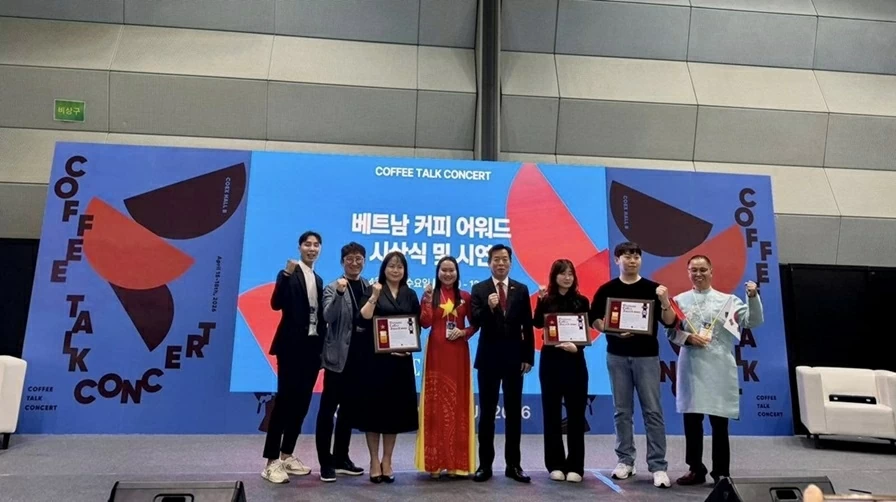 |
| Vietnam participates in Coffee Expo Seoul 2026. (Source: Vietnamese Embassy in Republic of Korea) |
Republic of Korea successfully hosted APEC 2025 with many highlights. Looking towards APEC 2027 to be held in Phu Quoc, Vietnam, how can the two countries share and cooperate for this important multilateral event?
Hosting APEC 2027 in Phu Quoc is not only a significant diplomatic event but also an opportunity for Vietnam to demonstrate its role in shaping regional development trends. In this context, Republic of Korea – with its successful experience in hosting APEC 2025 – is a very important partner.
The two countries can cooperate on three levels. Firstly, in terms of content – policy, both sides can coordinate to promote initiatives on digital economy and artificial intelligence, energy transition and green economy, and sustainable supply chains. Secondly, at the technical – organizational level, both sides can share experiences in conference operations, ensuring security, multilateral coordination, and international communication. Thirdly, image and technology application of smart conference solutions, digitalization, and the "green APEC" model, contributing to enhancing Vietnam's position as the host country.
More importantly, APEC 2027 is an opportunity for Vietnam and Republic of Korea to affirm their roles as central partners in the Asia-Pacific economic structure, contributing to promoting an open, inclusive, and rules-based region.
Thank you very much, Ambassador!