





Reenacting the memories of the National Resistance Day
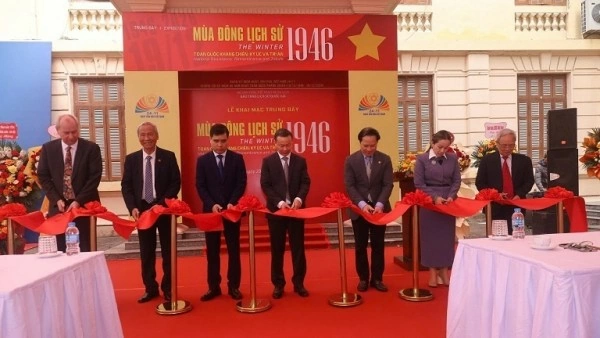
WVR - On the occasion of the 80th anniversary of the National Resistance Day (December 19, 1946 – December 19, 2026), the National Museum of History is organizing the exhibition "Historical Winter 1946 – National Resistance: Memories and Gratitude".
Latest
The exhibition, held in conjunction with Vietnam Culture Day (November 24), comprises three parts: “Aspiration for Peace”, “Faith and Strength”, and “Memories and Gratitude”. It reenacts the journey from efforts to maintain peace to resistance and activities honoring the generations who dedicated and sacrificed for the revolutionary cause of the nation. The exhibition features over 150 documents, images, and artifacts from the early days of resistance against French colonialists, highlighting the spirit of defending the nation's independence and freedom.
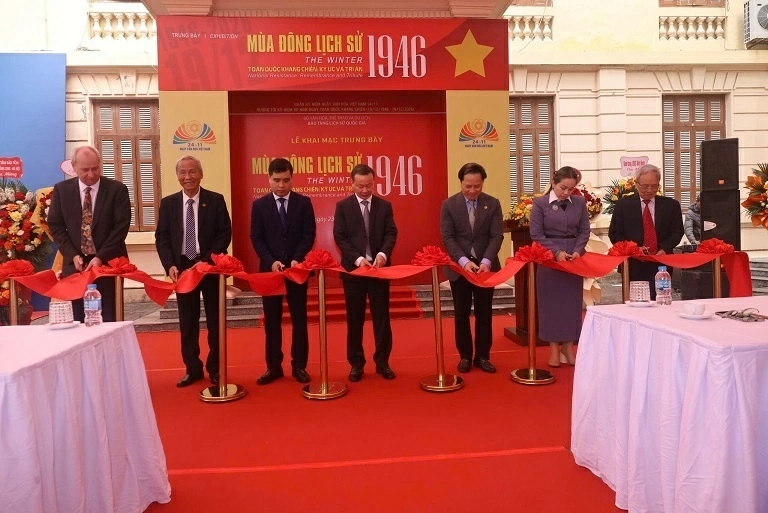 |
| Delegates inaugurate the exhibition on November 23 in Hanoi. (Source: Organizing Committee) |
From aspiration for peace to determination for resistance
The “Aspiration for Peace” section introduces diplomatic efforts and the context leading to the National Resistance. The materials include the Preliminary Agreement (March 6, 1946), the directive “Peace to Advance” (March 9, 1946), documents on the Da Lat Preparatory Conference, the Fontainebleau Conference, and the Vietnam–France Provisional Agreement (September 14, 1946), reflecting the goodwill for negotiations, the policy to consolidate the government, and preparation of forces. In Hanoi, the massacre of civilians on Hang Bun Street (December 17, 1946) and the ultimatums on December 18 and 19 escalated tensions, thwarting peace efforts.
The “Faith and Strength” section reenacts the National Resistance and the 60-day-and-night battle to defend Hanoi (December 19, 1946 – February 17, 1947), with the spirit “Determined to die for the Fatherland to live”.
A highlight is the draft “Call for National Resistance” by President Ho Chi Minh – a national treasure; the Government's directive urging nationwide resistance on December 20, 1946, and the combat order by Minister of Defense and Commander-in-Chief Vo Nguyen Giap on December 19, 1946.
Materials on battles at Bac Bo Phu, Dong Xuan Market, along with artifacts like three-pronged bombs, guns, uniforms, insignia, and armbands, reenact the fighting. Notably, the insignia and armband of soldier Vu Dinh Nhi, found after 21 years, and the diary of Hoang Dieu City Militia are featured.
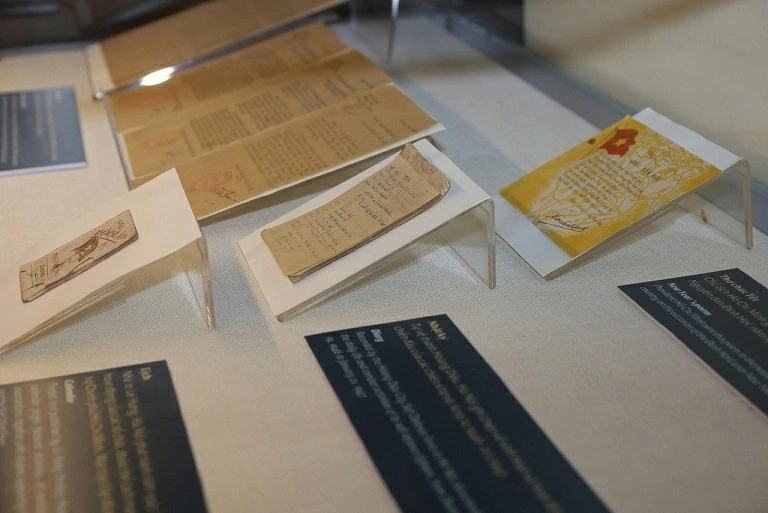 |
| The displayed materials. (Source: Organizing Committee) |
The materials also reflect battles on the Northern, Central, Southern, and Central Highlands fronts, the scorched-earth movement, and the people's contributions; notably, the “Combat Experience” book by Mr. Tran Hong Thiet and the national flag sewn by the Southern Women's National Salvation Association in 1947.
Besides documents and weapons, the exhibition introduces materials on spiritual life during the resistance: New Year poems by President Ho Chi Minh for the Tet Dinh Hoi 1947; a letter from the Resistance Committee of Zone XI to wounded Southern soldiers on January 21, 1947; a letter from Ho Chi Minh to Dr. Vu Dinh Tung on January 7, 1947.
The music collection “Day of Return” includes five compositions by soldiers of the Capital Regiment and the newspaper “Resistance Information” published from December 1946 to March 1947, depicting the optimistic spirit, faith, and camaraderie between the military and civilians. These materials demonstrate that the fighting spirit was always accompanied by spiritual life.
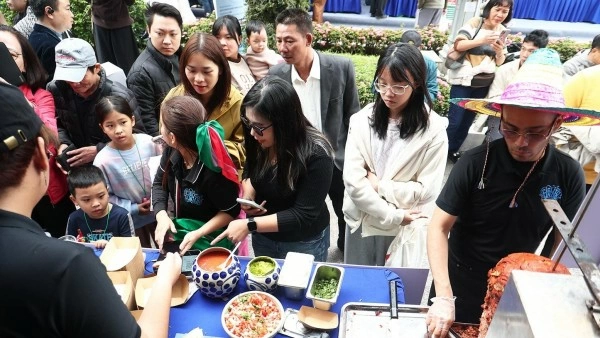
The space “Celebrating Tet in the Siege – Tet Dinh Hoi 1947” reenacts Tet in the Hanoi war zone through activities like folding peach blossoms, writing letters, designing stamps, wrapping banh chung, and experiencing soldier uniforms, allowing the public to feel the military-civilian bond.
Continuing memories, spreading the ethic of gratitude
The “Memories and Gratitude” section presents the recollections of witnesses who fought and served in Hanoi, through recordings and interviews by the National Museum of History.
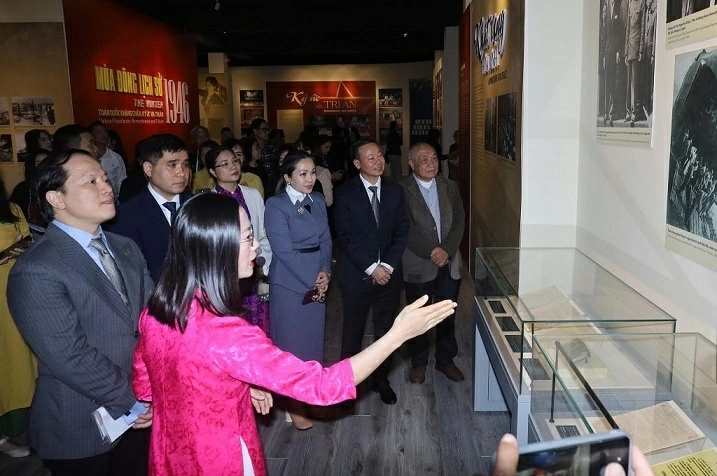 |
| The event is open from November 23 to December 23 at the National Museum of History. (Source: Organizing Committee) |
Commemorative images, propaganda posters, special editions, newspapers, and gratitude activities are introduced, including the “500 Days and Nights Campaign to Intensify the Search, Gathering, and Identification of Martyrs' Remains”.
Notably, the Gratitude Corner invites visitors to fold paper cranes, write messages of gratitude, and remember the heroes and martyrs, reminding everyone of the ethic “When drinking water, remember its source”.
Open from November 23 to December 23 at the National Museum of History, the exhibition clarifies the significance of the National Resistance, ignites patriotism, national pride, and reminds today's generations to cherish independence, freedom, and take responsibility for maintaining peace.
| On September 2, 1945, the Democratic Republic of Vietnam was born following the success of the August Revolution. Facing the threat of a French colonial return, the Government persistently pursued political and diplomatic struggles, seeking peaceful solutions. As the French escalated provocations, on December 19, 1946, the Party and President Ho Chi Minh launched the National Resistance. From Hanoi with the 60-day-and-night battle to fronts across the country, Vietnamese troops and civilians united and resiliently defended their independence. |