




Reception for Heads of Delegations at the UN Convention against Cybercrime Signing Ceremony
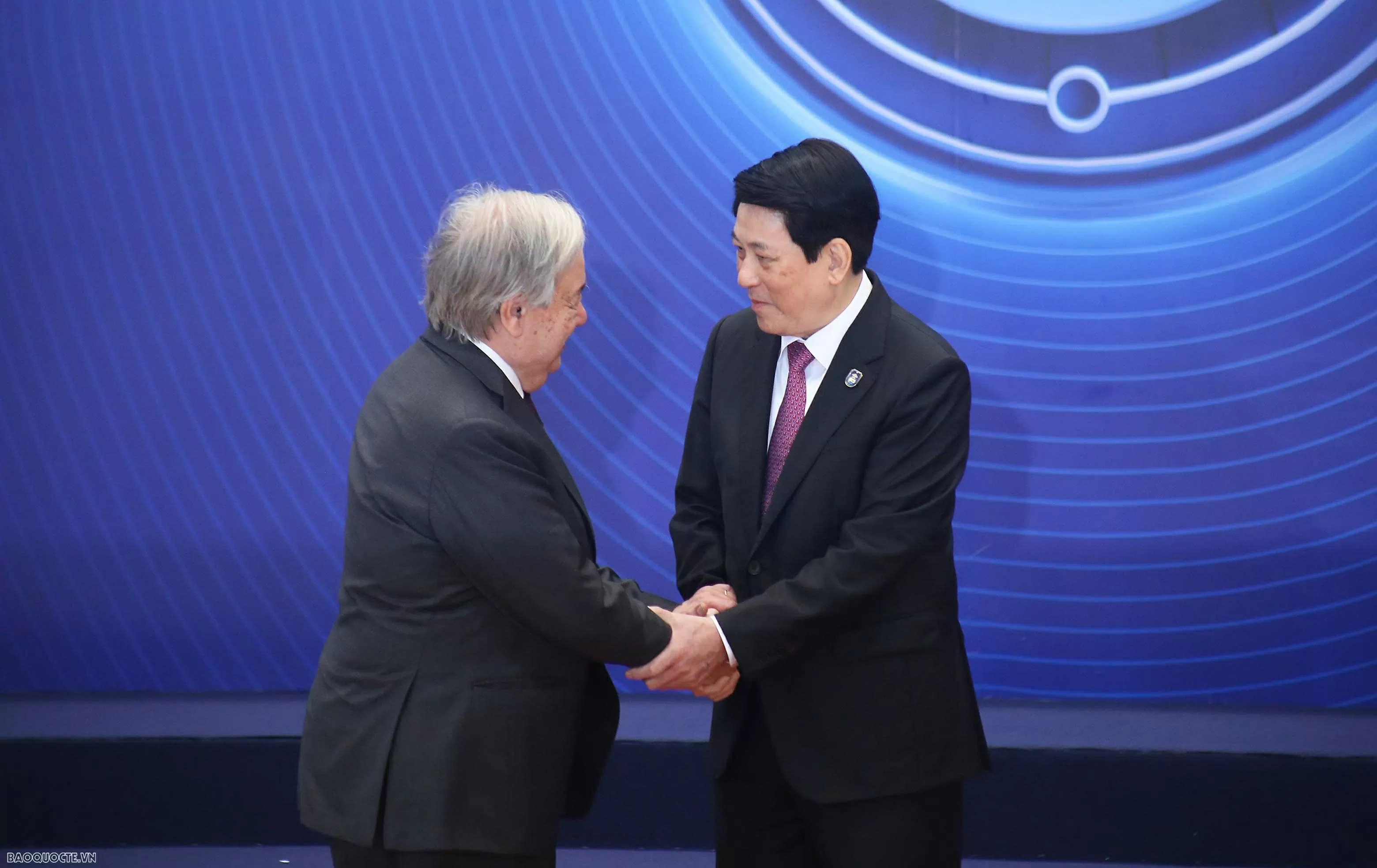
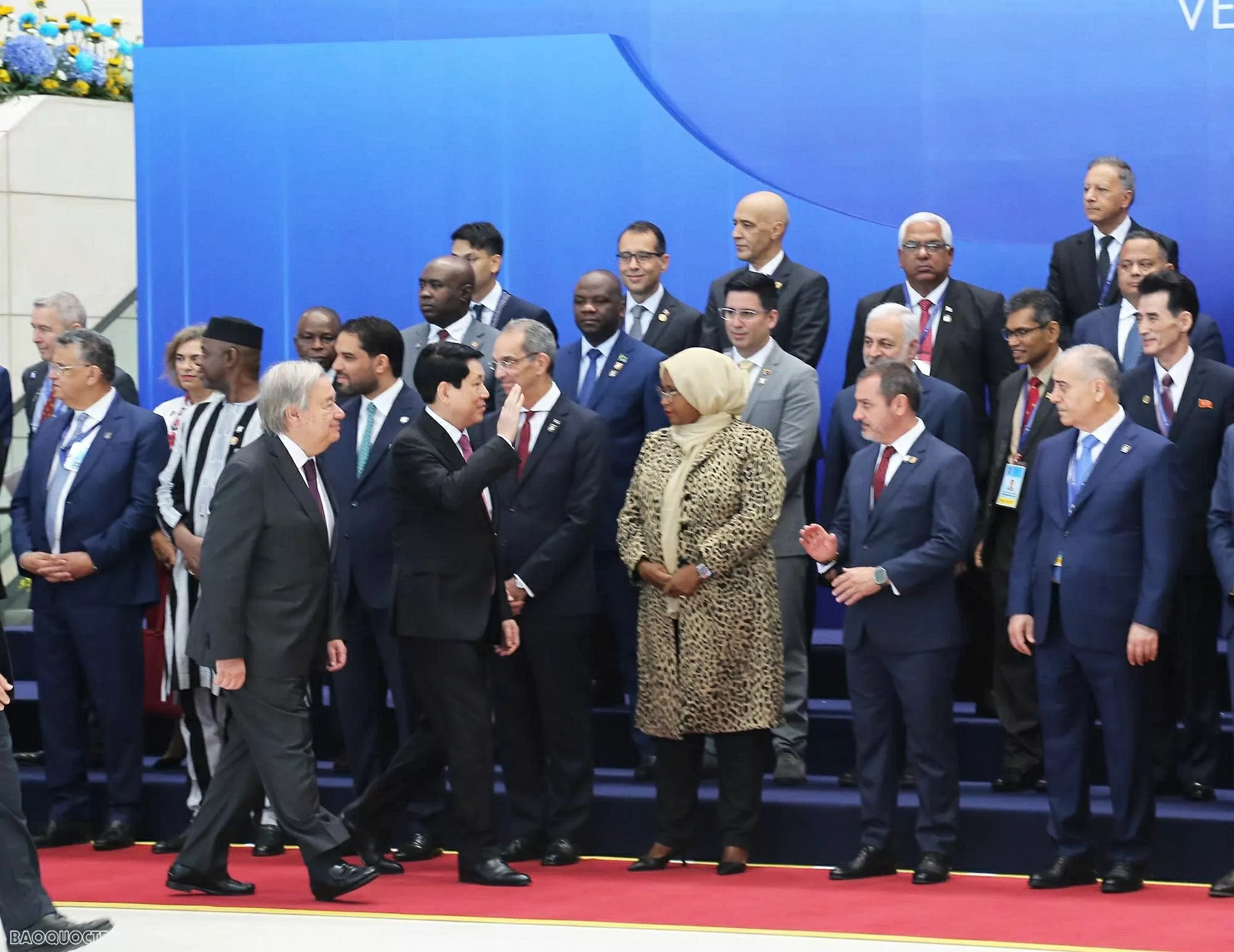
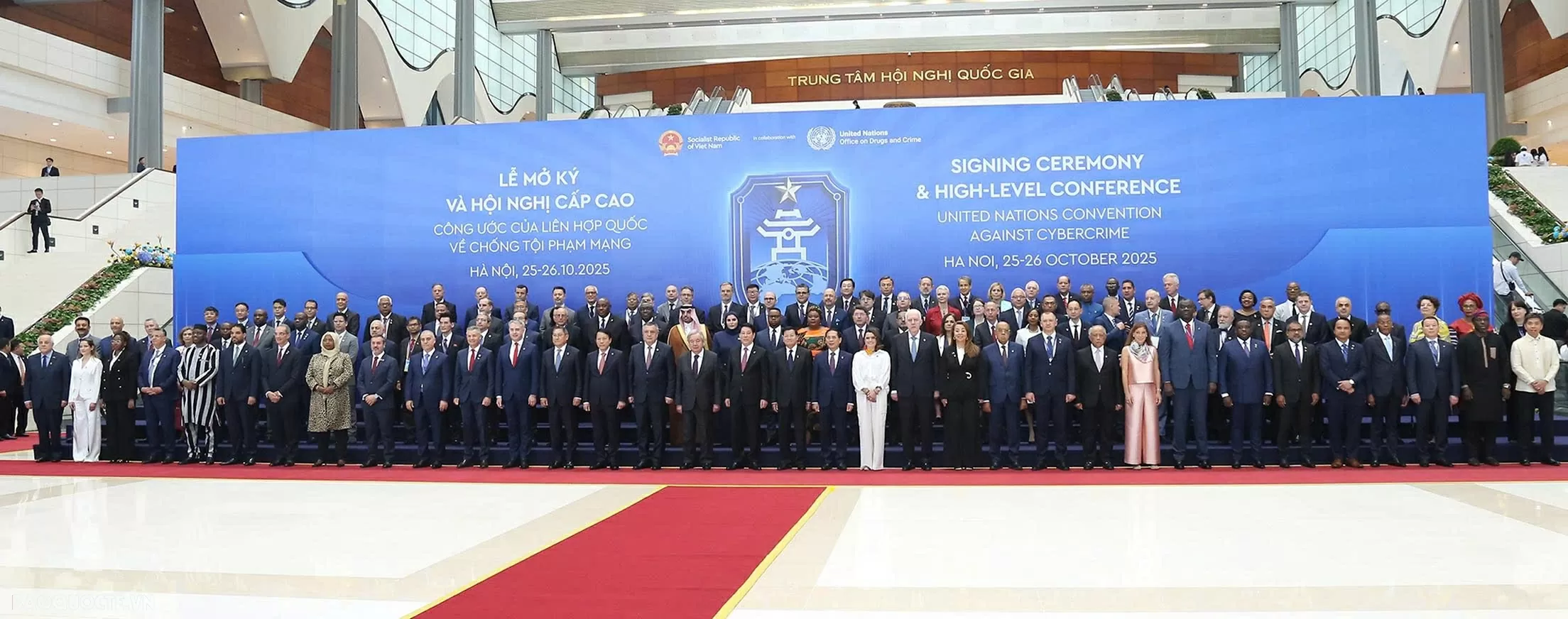
WVR - On the morning of October 25, at the National Convention Center, the official reception for heads of delegations attending the signing ceremony of the United Nations (UN) Convention against Cybercrime along with the group photo session, took place. President Luong Cuong presided over the reception.
Latest
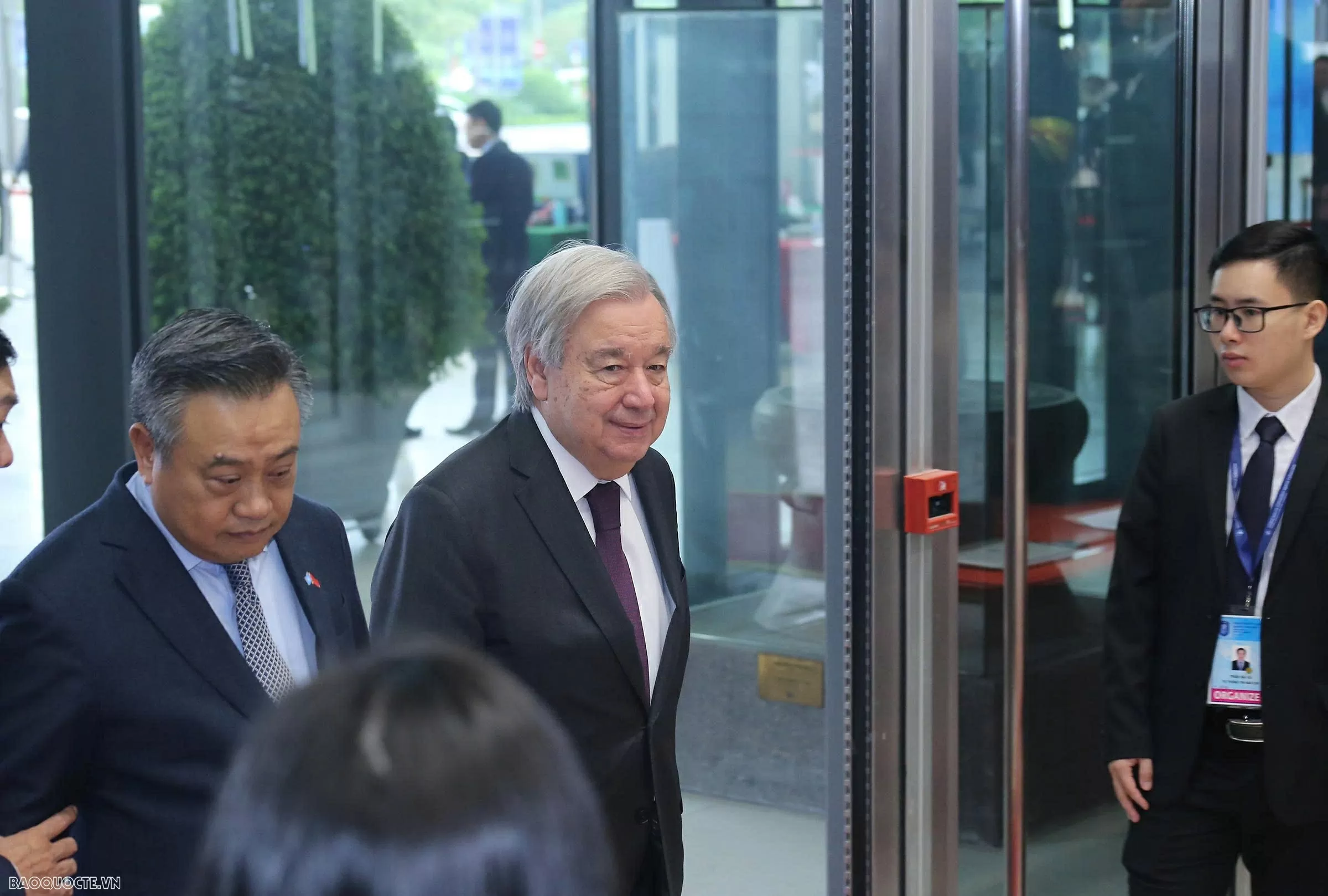 |
| At the invitation of President Luong Cuong, UN Secretary-General António Guterres paid an official visit to Vietnam and attended the signing ceremony of the UN Convention against Cybercrime, also known as the Hanoi Convention, from October 24-25, 2025. |
 |
| The opening of the Hanoi Convention, themed “Combating Cybercrime – Sharing Responsibility – Looking to the Future”, was presided over by President Luong Cuong. UN Secretary-General Antonio Guterres, along with the attendance of senior leaders from various countries and regional and international organizations. |
The opening ceremony featured plenary discussions and high-level dialogues, alongside side conferences on international cooperation in combating cybercrime. This marks the first time a Vietnamese location is associated with a global multilateral treaty in a field of significant international interest, marking a milestone in Vietnam's multilateral diplomacy and Vietnam-UN partnership.
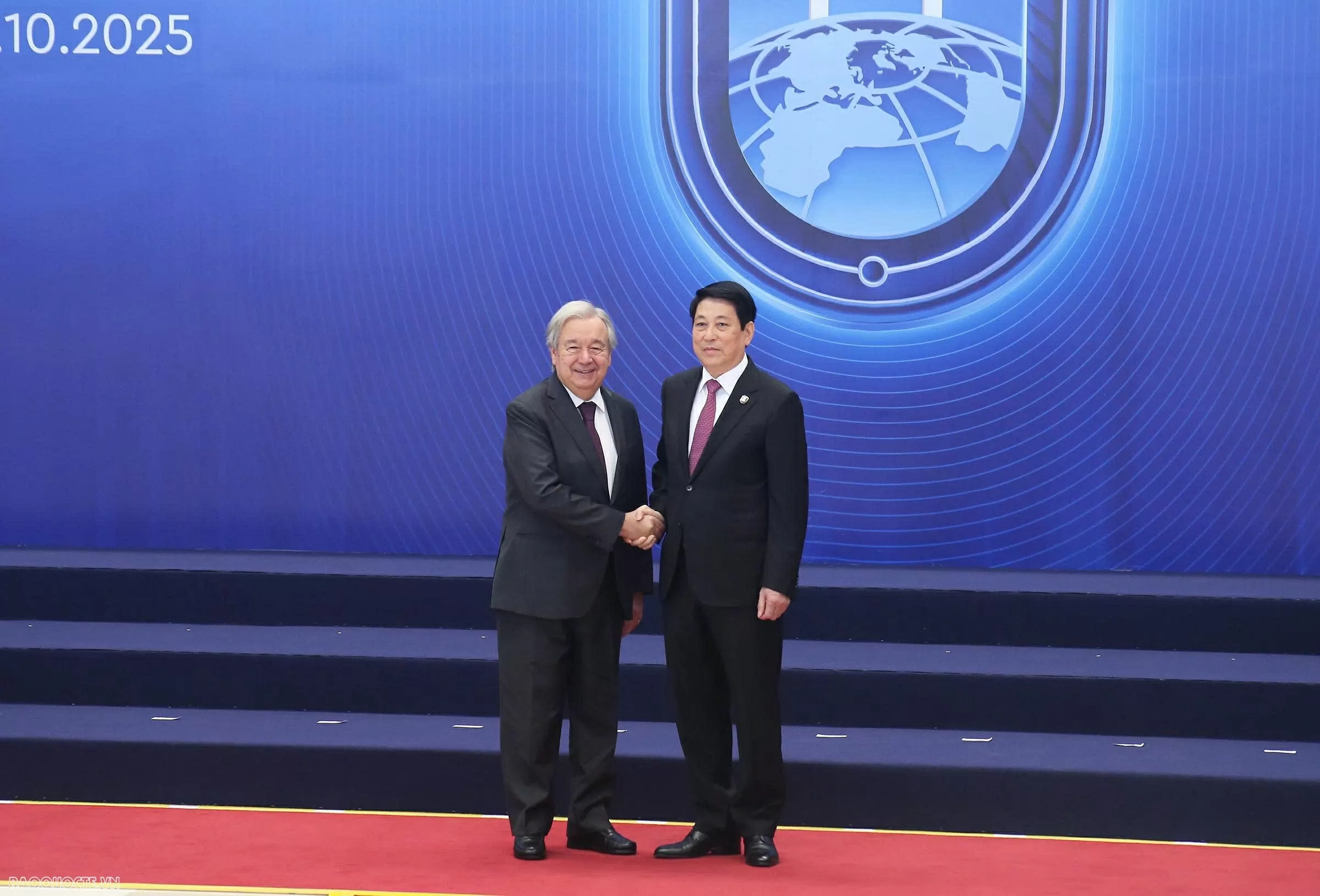 |
| President Luong Cuong and UN Secretary-General António Guterres. |
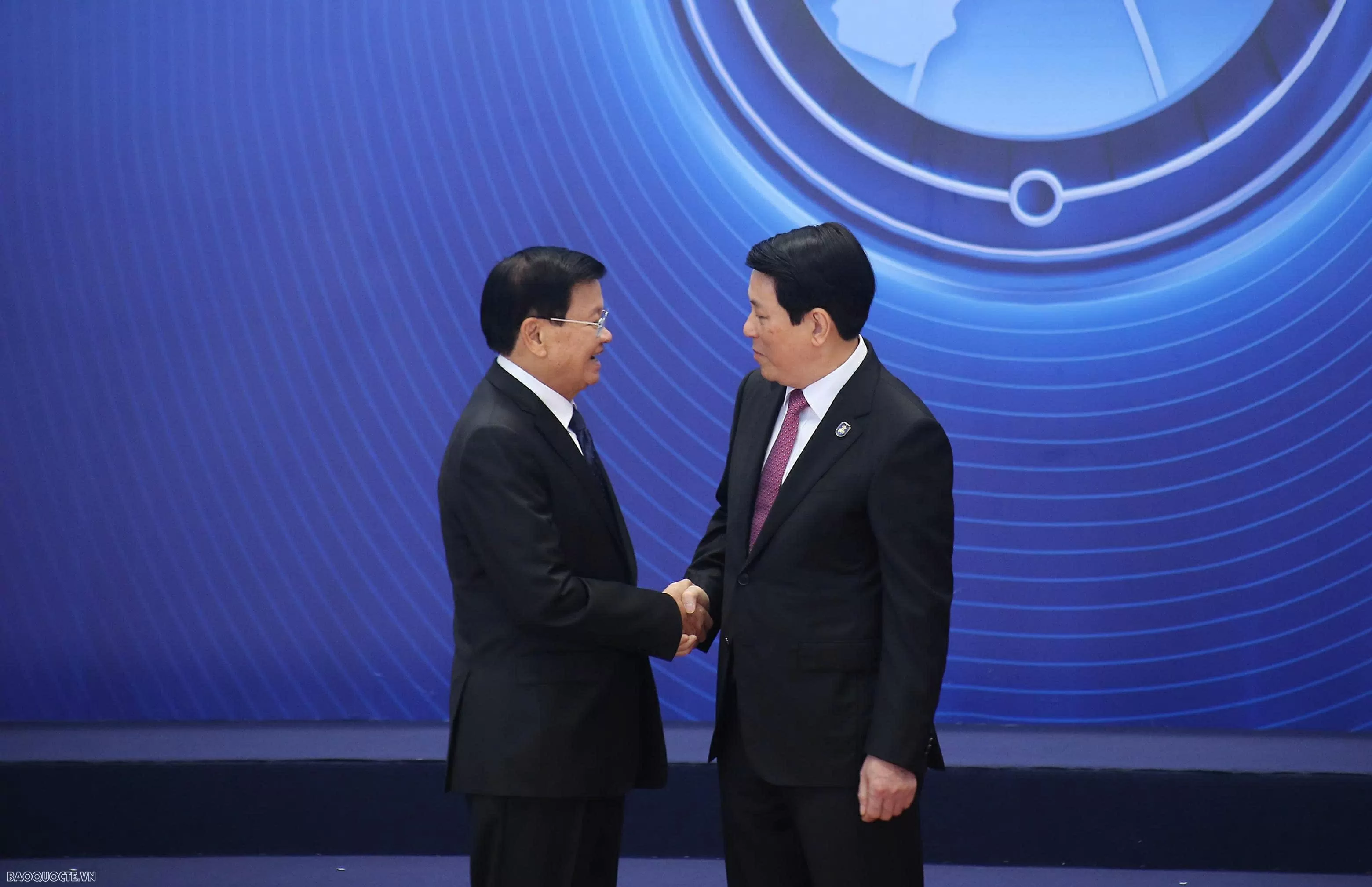 |
| General Secretary and President of Laos Thongloun Sisoulith, a close friend of the Party, State, and people of Vietnam, also attended, as guest of honour of the signing ceremony of the Hanoi Convention. |
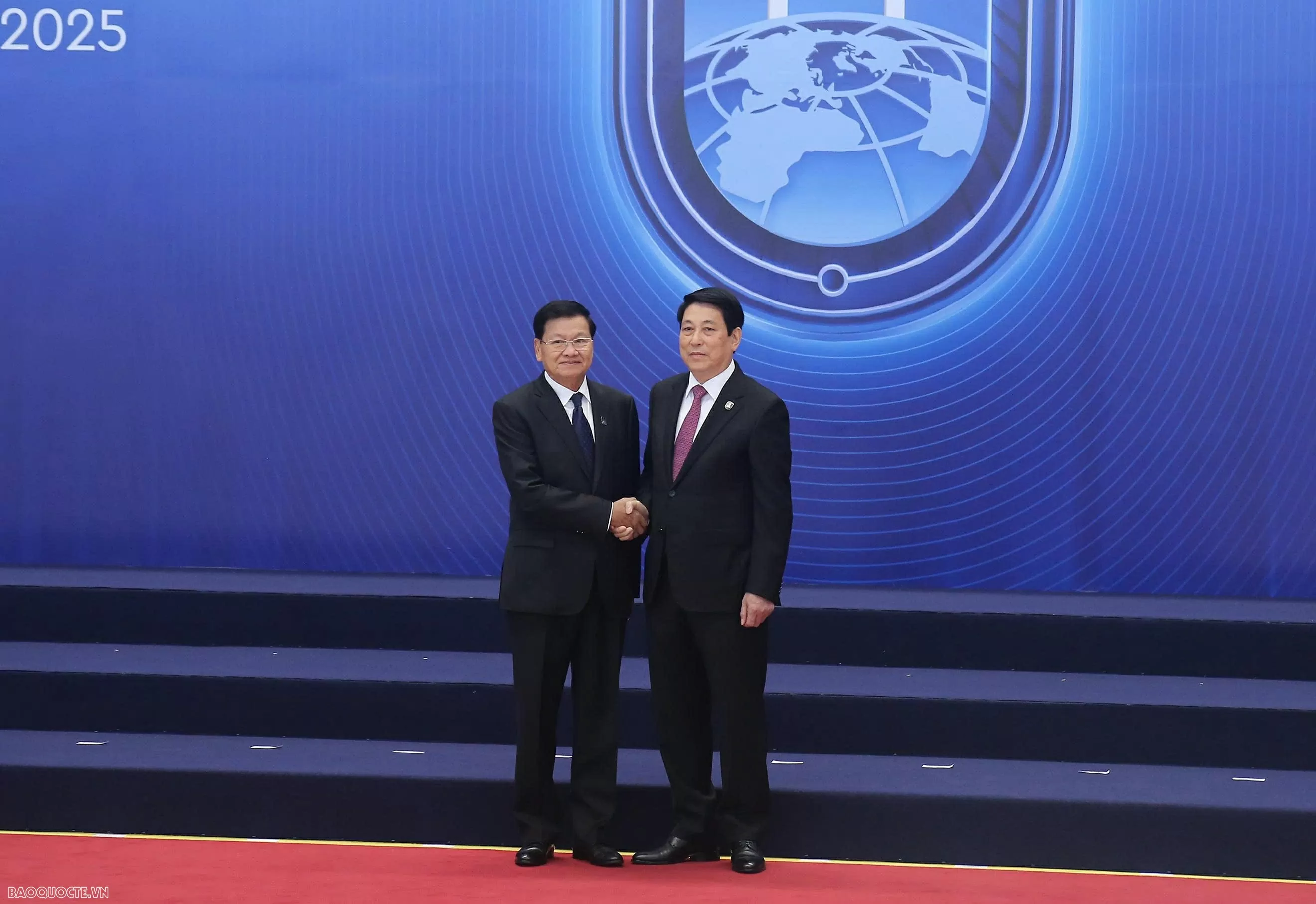 |
| The signing ceremony of the Hanoi Convention is a significant international event, and Vietnam is honoured to host it. |
The Convention will establish a new legal framework, enabling member countries worldwide to collaborate in combating various forms of cybercrime, contributing to global cybersecurity. The personal participation of the General Secretary and President of Laos, along with a high-level Laotian delegation, significantly contributed to the overall success of the event.
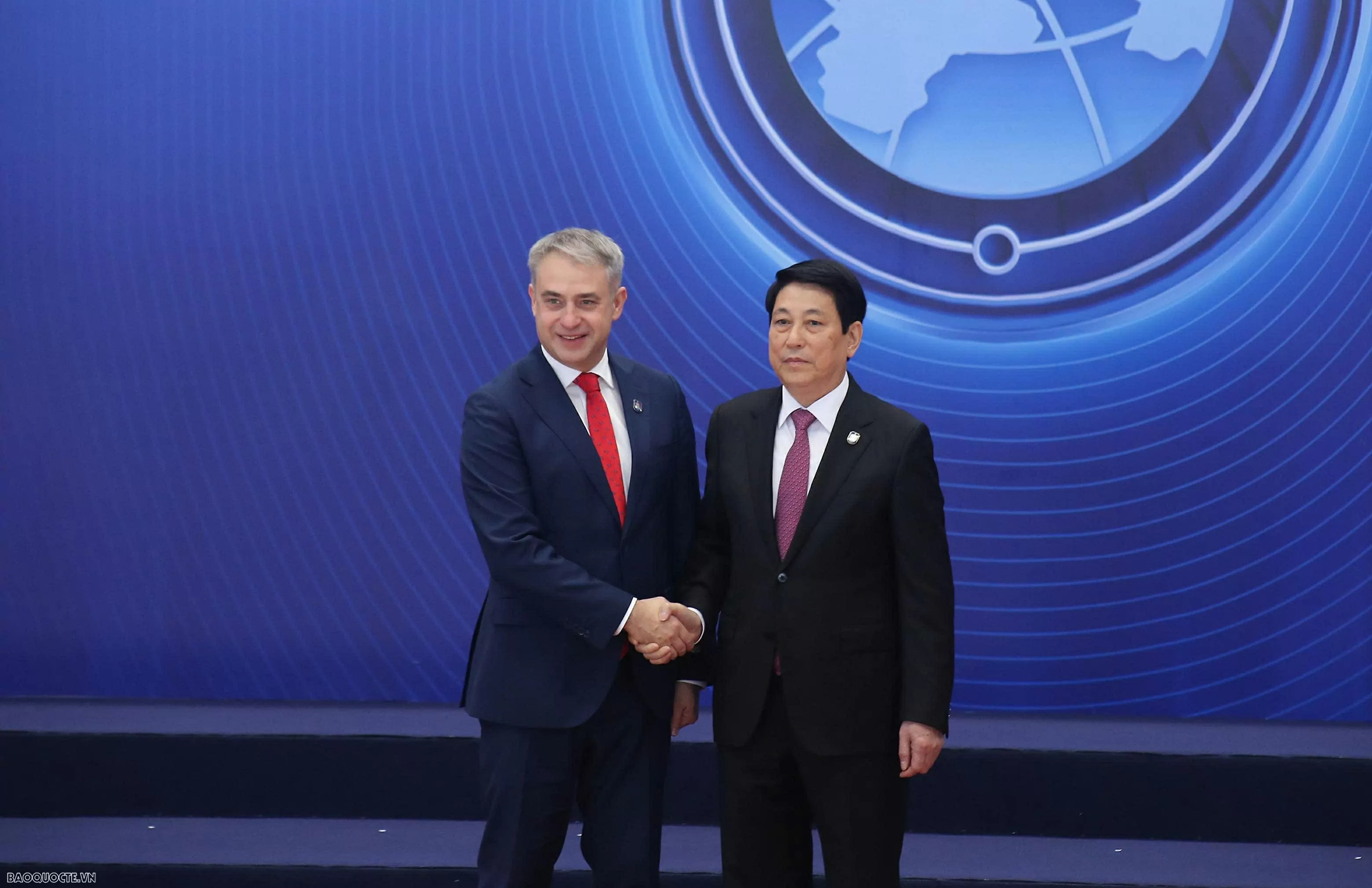 |
| President Luong Cuong and Polish Deputy Prime Minister and Minister of Digital Affairs Krzysztof Gawkowski. |
Earlier, on the afternoon of October 24, during a meeting with Deputy Prime Minister Bui Thanh Son, Deputy Prime Minister Krzysztof Gawkowski praised Vietnam for organizing the signing ceremony of the UN Convention against Cybercrime, affirming the country's strong commitment to addressing global issues.
 |
| The naming of a convention after Hanoi not only holds deep symbolic significance but also underscores Vietnam's role as a bridge between developed and developing nations, promoting dialogue and cooperation. |
The naming of a convention after Hanoi not only holds deep symbolic significance but also underscores Vietnam's role as a bridge between developed and developing nations, promoting dialogue and cooperation based on principles of equality, respect for sovereignty, and mutual benefit. Amidst global differences in cyberspace management, Vietnam has demonstrated flexible and skillful multilateral diplomacy, contributing to international consensus building.
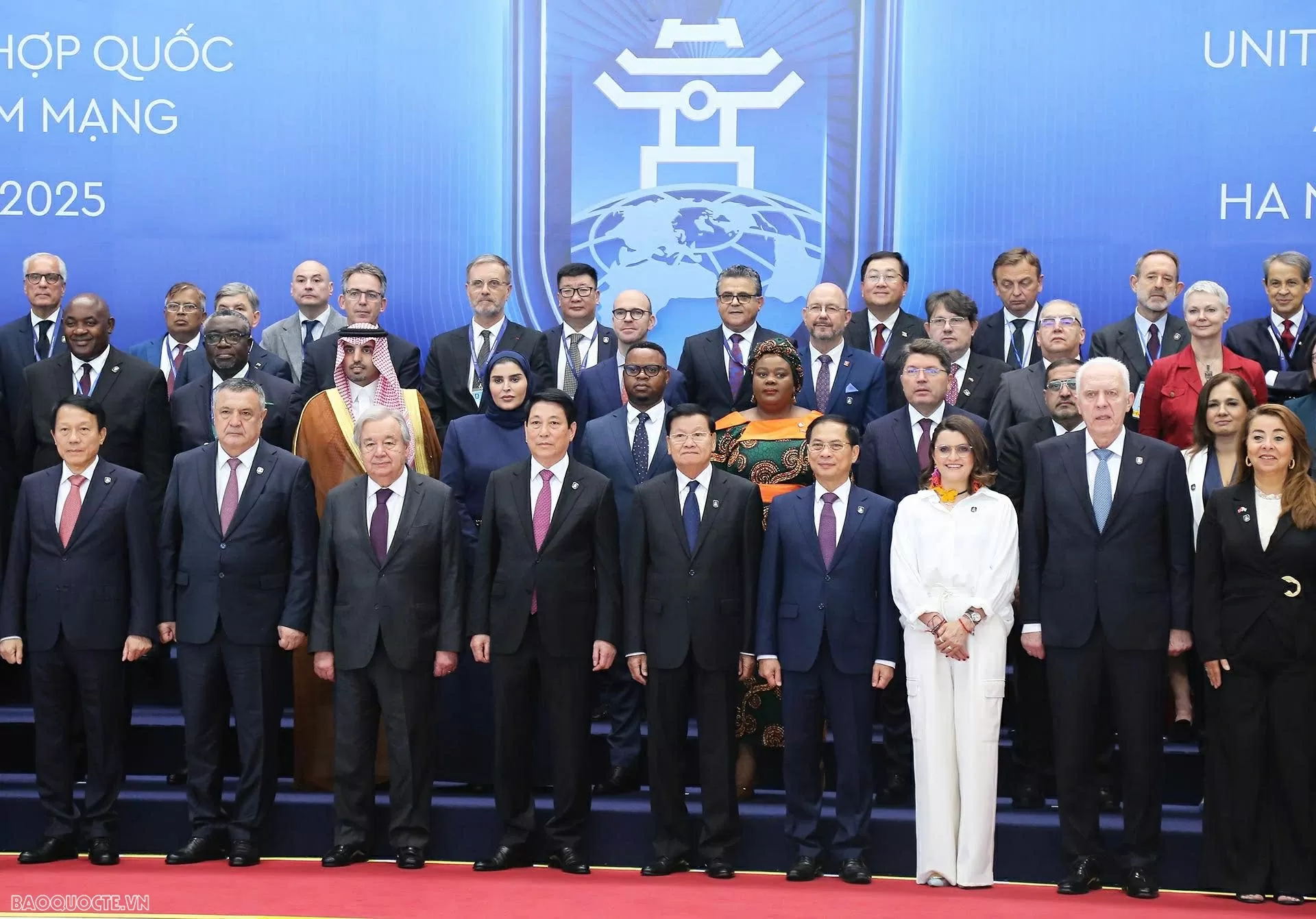 |
| President Luong Cuong and Deputy Prime Minister Bui Thanh Son pose for a photo with the heads of delegations attending the signing ceremony. |
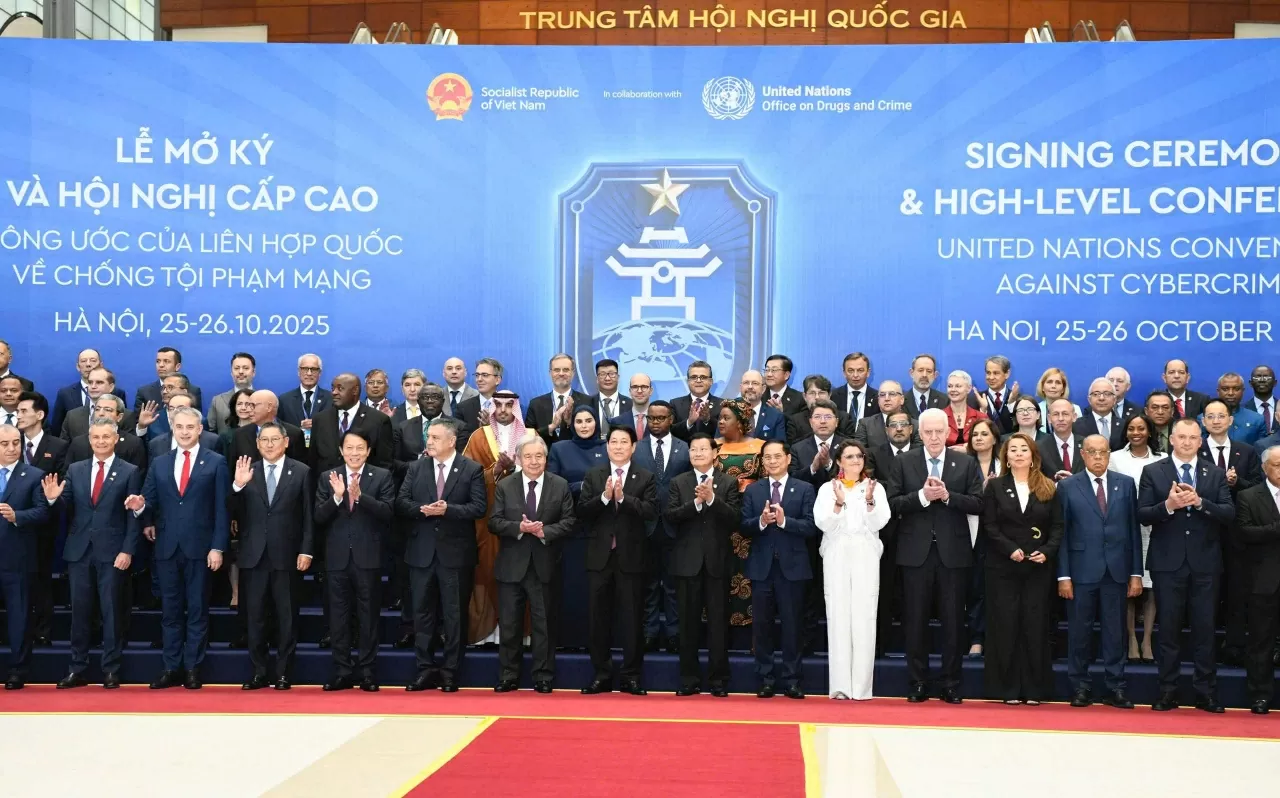 |
 |
| The Hanoi Convention, comprising 9 chapters and 71 articles, is the result of nearly five years of continuous and extensive negotiations among member states. |
The United Nations Conventiong against Cybercrime, or Hanoi Convention, comprising 9 chapters and 71 articles, is the result of nearly five years of continuous and extensive negotiations among member states, aiming to establish a comprehensive multilateral legal framework to combat cybercrime.
The Convention not only marks a historic milestone in international cooperation on combating and preventing cybercrime but also highlights Vietnam's increasingly proactive and responsible global role. The selection of Hanoi as the signing venue for this crucial document reflects the international community's trust in Vietnam as a reliable partner and a bridge between nations and regions.
Amidst the rapid development of digital technology and increasingly sophisticated cybercrime, the Hanoi Convention opens opportunities for countries to act together, build trust, and enhance cooperation for a safe, humane, and sustainable cyberspace for all.