



Permanent Deputy FM Nguyen Minh Vu: Heads of Vietnamese Representative Missions must shift from activity implementation to value creation
WVR - On the afternoon of October 2, at the Ministry of Foreign Affairs headquarters, Member of the Party Central Committee and Permanent Deputy Minister of Foreign Affairs Nguyen Minh Vu presided over the opening ceremony of the information update program for those expected to be nominated and appointed as Heads of Vietnamese Representative Missions abroad.
Latest
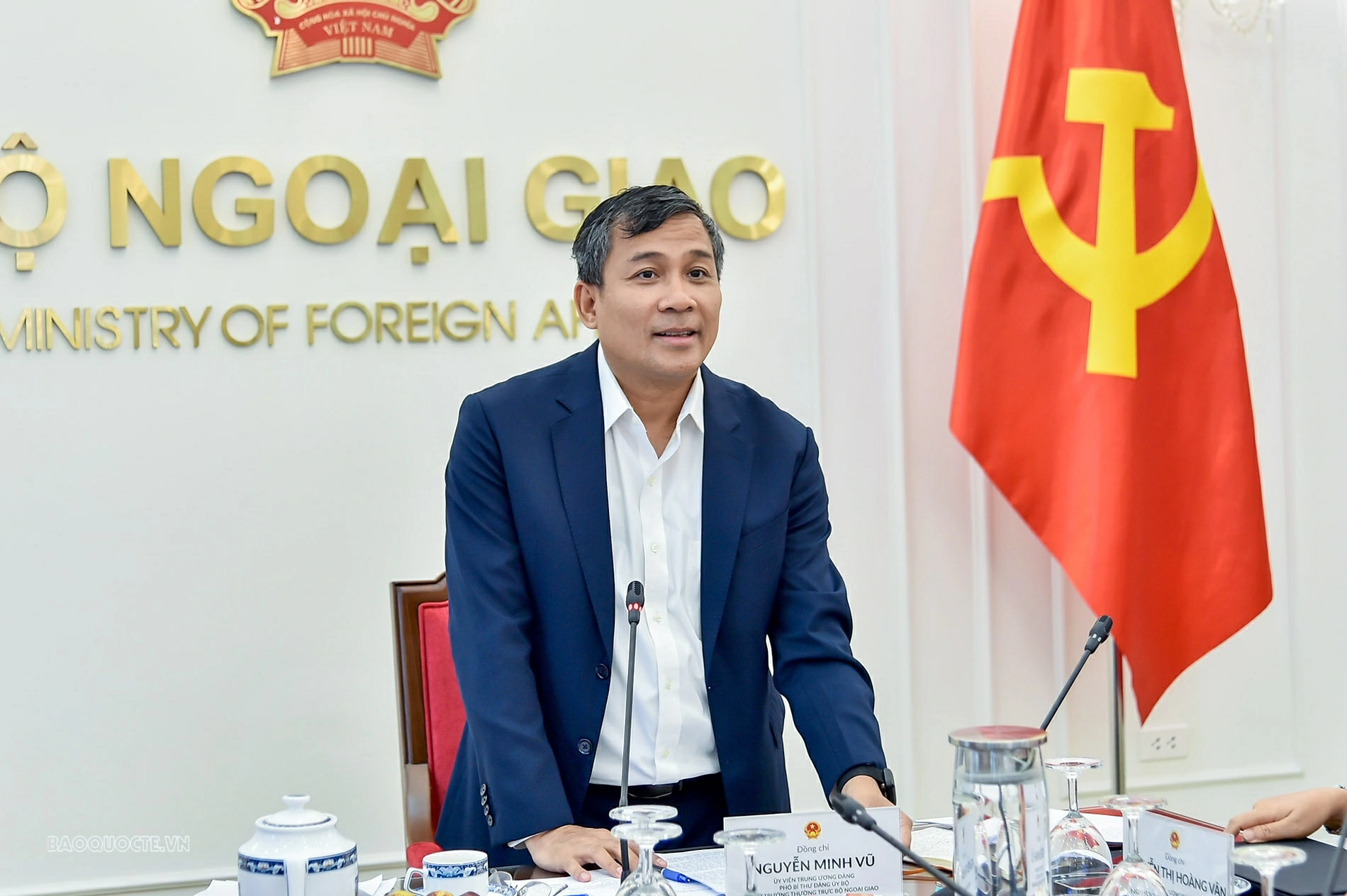 |
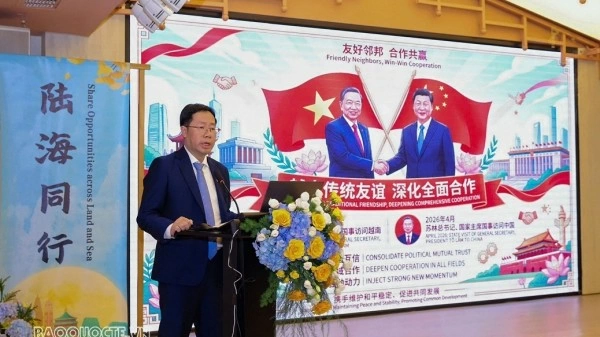
| Permannent Deputy Minister Nguyen Minh Vu speaks at the event. (Photo: Quang Hoa) |
Speaking at the opening ceremony, Permanent Deputy Minister Nguyen Minh Vu emphasised that the responsibility of a Head of a Vietnamese Representative Mission requires not only knowledge, skills, and practical experience but, more importantly, sharp thinking, judgment ability, flexible handling, effective work organization, and the ability to unite and harness collective strength.
In the context of foreign affairs facing increasingly high demands, the head of a Representative Mission must thoroughly understand the Party's foreign policy, especially the Resolution of the 14th National Party Congress and Resolution No. 06-NQ/TW dated May 19, 2026, of the Politburo; and simultaneously implement all three pillars of Party diplomacy, State diplomacy, and people-to-people diplomacy.
The Deputy Minister stressed that from the beginning of their term, each Head of a Representative Mission should clearly determine what results they will leave for the region and the country after their term. Instead of spreading resources to maintain regular activities, they should choose focal points and breakthroughs suitable to the characteristics of each region, proactively finding new ways and creating new values.
According to the Deputy Minister, the Representative Mission should become a crucial hub in identifying, connecting, and mobilizing international resources for national development. Heads of Representative Missions need to proactively seek markets, capital flows, technology, knowledge, talent, and innovation networks; strengthen connections with corporations, universities, research institutes, technology centres, experts, and the Vietnamese community in the host country.
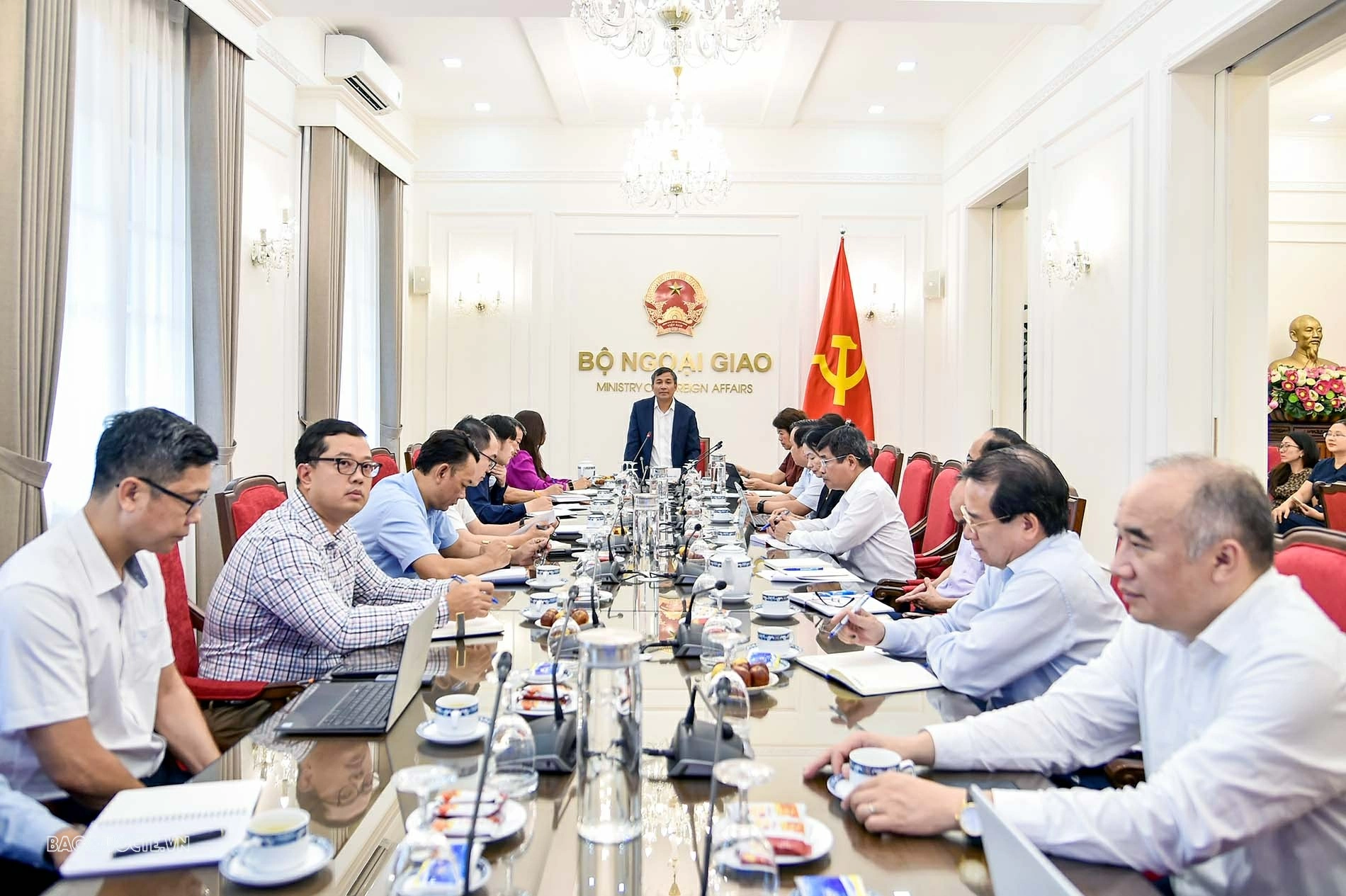 |
| Overview of the opening ceremony. (Photo: Quang Hoa) |
For strategic fields such as science and technology, innovation, digital transformation, artificial intelligence, semiconductors, and strategic technology, the Deputy Minister requires proactive learning, finding the right people, the right partners, and the right opportunities; developing specific relationships into cooperation programs, investment projects, technology transfer activities, or expert networks with practical value for the country.
Another important requirement is to enhance the quality of situation assessment, forecasting, and advising. The head of a Representative Mission must closely monitor political, economic, foreign, security, and social developments; not only recognizing what has happened but also identifying emerging issues, potential developments, and impacts on Vietnam. When new, complex, sensitive developments arise, timely reporting and advising are necessary to avoid being passive or surprised; all evaluations and work handling must originate from national interests.
The Deputy Minister also demands building a Representative Mission truly oriented towards service, primarily serving national interests, while also serving the people, businesses, and domestic agencies and localities. Consular work, citizen protection, business support, local connection, and serving working delegations need to be conducted professionally and effectively, making the Representative Mission a reliable support for Vietnamese people and businesses abroad.
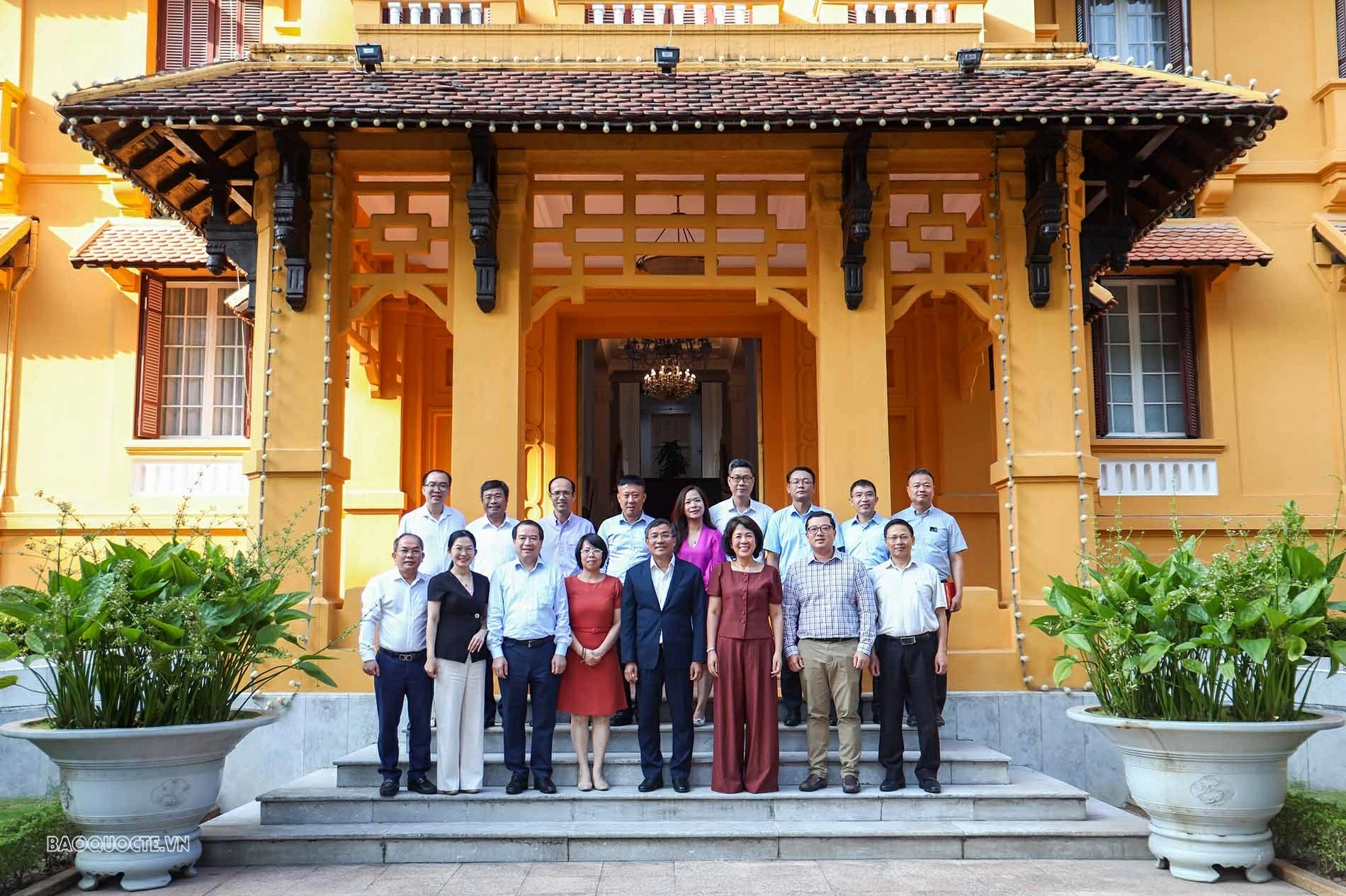 |
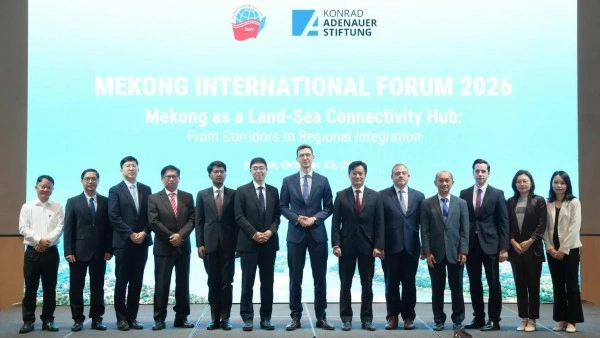
| Permanent Deputy Minister Nguyen Minh Vu takes a commemorative photo with delegates attending the opening ceremony. (Photo: Quang Hoa) |
Along with that, the head must particularly prioritize building the Party, building the team and collective; building a united, disciplined, professional Representative Mission, maximizing the capacity of each officer. The Deputy Minister noted that the reputation of the Representative Mission and the Foreign Affairs sector is created by each officer, each action, and decision of the head; therefore, the Head of a Representative Mission must set an example and take responsibility for the unit's activities.
The Deputy Minister hopes the program will help participants not only supplement their knowledge but also prepare their mindset, methods, and tools to build orientations and action plans for the entire term; proactively exchange with Ministry Leaders, former Ambassadors, experts, and units about practical issues in the region.