



General Secretary, President To Lam's visit to Japan: Promoting the spirit of partnership and co-creation
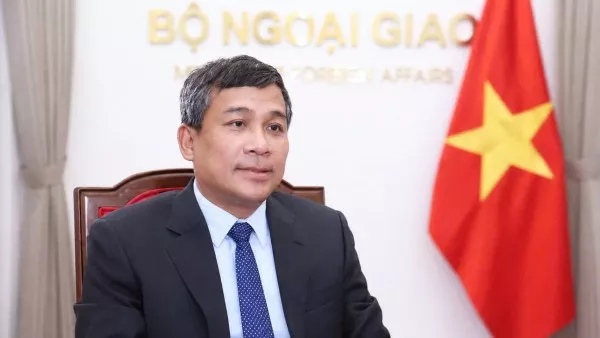
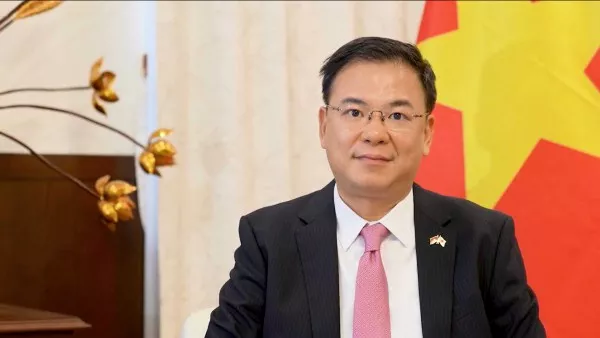
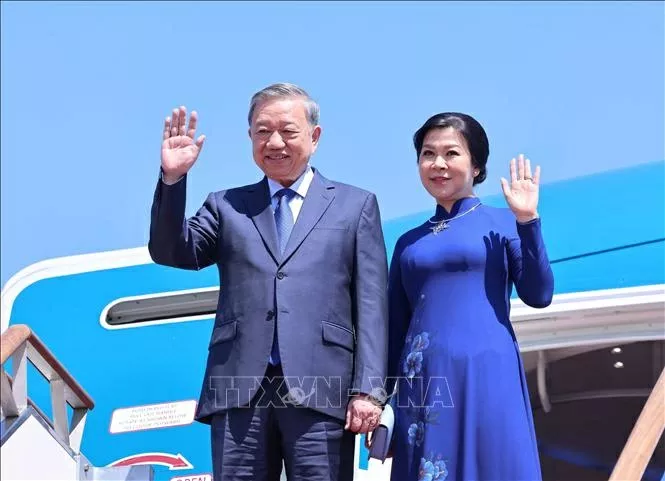
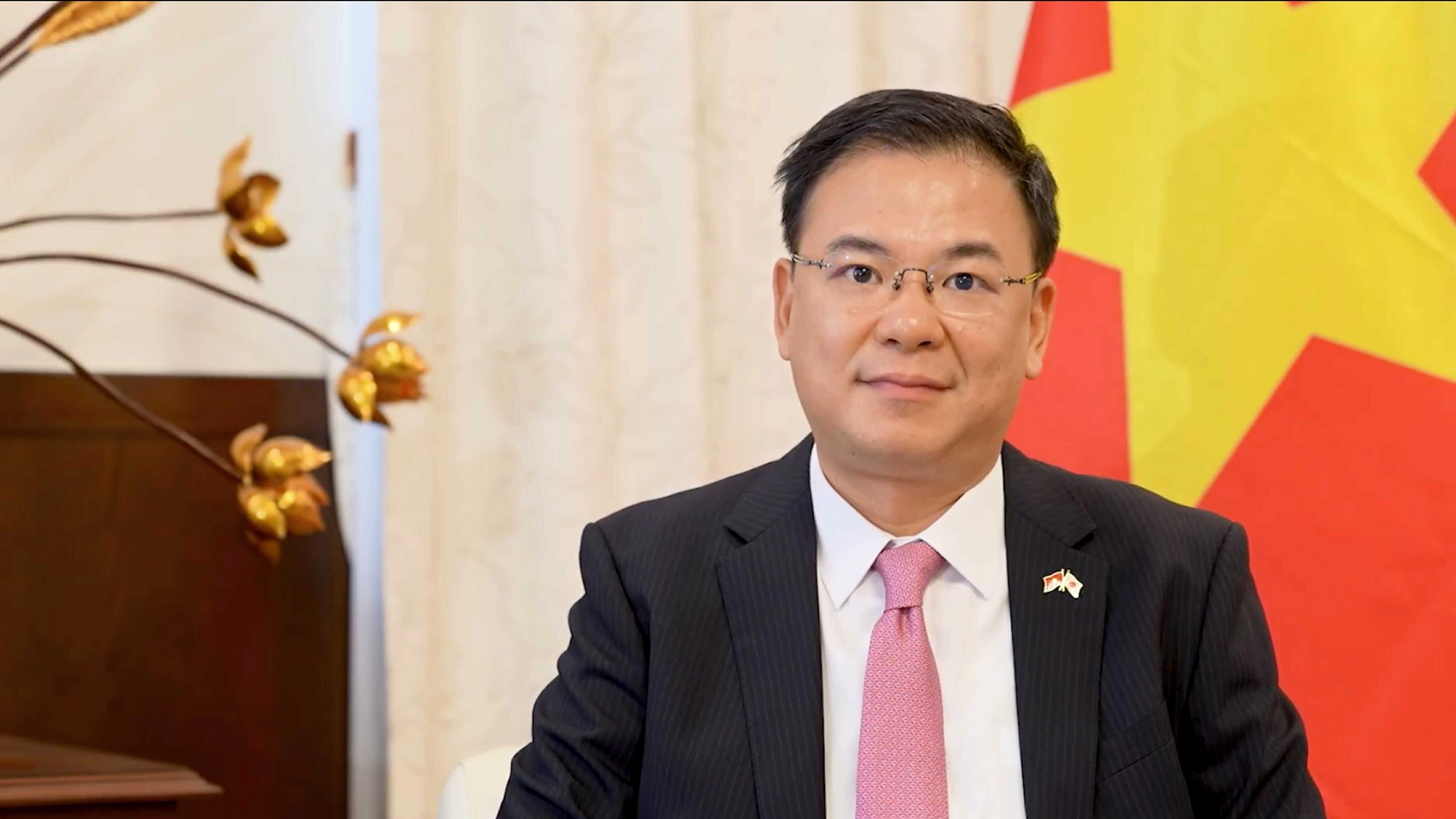
Ahead of the official visit to Japan by General Secretary, President To Lam and his spouse from November 8-11, Member of the Party Central Committee and Permanent Deputy Minister of Foreign Affairs Nguyen Minh Vu emphasised the strategic significance of the visit in shaping the comprehensive strategic partnership between Vietnam and Japan in the new phase, promoting economic connectivity, breakthroughs in science and technology, and strengthening ties between the peoples of the two countries.
Latest
Could you please elaborate on the significance, purpose, and importance of General Secretary, President To Lam's official visit to Japan?
At the invitation of the State of Japan, General Secretary, President To Lam and his spouse, along with a high-ranking Vietnamese delegation, will make an official visit to Japan from November 8 to November 11, 2026. This marks General Secretary, President To Lam's first official visit to Japan in his new role and the first visit by a General Secretary of the Communist Party of Vietnam to Japan in 11 years.
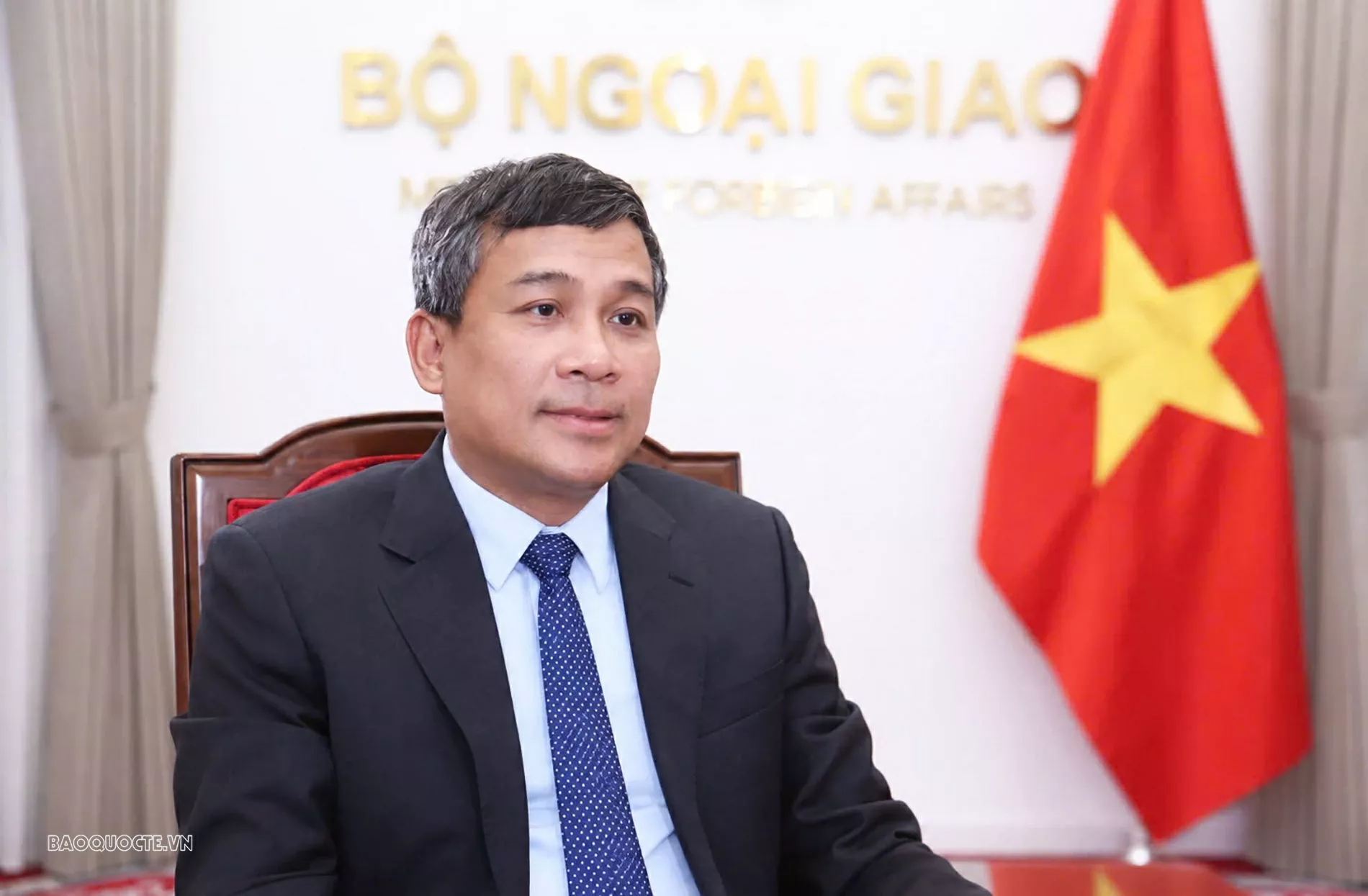 |
| Member of the Party Central Committee and Permanent Deputy Minister of Foreign Affairs Nguyen Minh Vu answers media questions. (Photo: Thanh Long) |
In my opinion, this visit holds three prominent strategic significances:
Firstly, it provides a comprehensive strategic direction for the development of bilateral relations in the new phase. Leaders of both countries will jointly determine long-term cooperation directions and priorities in various fields to meet the development needs of both sides.
Secondly, it transitions from mere economic, trade, and investment cooperation to enhancing connectivity between the two economies, focusing more on the spirit of partnership and co-creation, and enhancing the self-reliance and resilience of each country's economy. In the context of a restructuring global supply chain, deep economic connectivity with partners, including Japan, will enable Vietnam to enhance its production capacity and participate more deeply in the global value chain.
Thirdly, it acts as a catalyst for breakthroughs in science and technology, innovation, and the transformation of development models. This field holds special significance for the future of bilateral relations. Japan has strengths in technology, capital, management experience, and manufacturing industry, while Vietnam boasts a young workforce, a dynamic market, significant development potential, and a strong commitment to promoting innovation.
Effectively combining these advantages will open up numerous cooperation opportunities for both sides in strategic technology fields, digital transformation, green transition, energy, and high-quality human resource training, thereby acquiring, mastering technology, and enhancing the endogenous capacity and long-term competitiveness of Vietnam's economy.
These orientations are clearly reflected in the planned program of the visit. Besides meetings with the Emperor and Empress, the Prime Minister, the President of the Senate, and the Speaker of the House of Representatives of Japan, General Secretary, President To Lam is expected to meet with leaders of major Japanese economic organizations and enterprises; attend and speak at the Vietnam-Japan public-private forum on economic and scientific-technological cooperation; and visit high-tech investment enterprises in Japan. These activities hold practical significance in enhancing connectivity and promoting specific cooperation opportunities, especially in fields of strategic importance for the long-term development of each country.
Could you please provide insights into the comprehensive strategic partnership between Vietnam and Japan, the current state of cooperation, and your expectations for the visit?
Reflecting on more than 50 years since the establishment of diplomatic relations and three years since upgrading to a comprehensive strategic partnership, it is evident that Vietnam-Japan relations have made significant strides, becoming increasingly comprehensive, substantive, and effective.
Overall, Vietnam-Japan relations are built on a solid foundation, characterized by the convergence of three important factors: increasing political trust, intertwined economic interests, and deepening ties between the peoples of the two countries. This provides a favorable basis for both sides to continue elevating the comprehensive strategic partnership to new heights.
First and foremost, political trust between the two countries is being continuously strengthened and enhanced. Both sides regularly maintain high-level visits and contacts at various levels, while developing increasingly extensive cooperative relations, from leadership to the populace, through various channels such as the Party, Government, and National Assembly.
Notably, both countries place high importance and priority on each other in their foreign policies. Dialogue mechanisms are maintained effectively; shared understandings, commitments, and agreements between high-level leaders as well as between the parties, ministries, and sectors of the two countries are implemented seriously, contributing to a solid political foundation for bilateral relations.
|
On this political trust foundation, economic interests are becoming increasingly intertwined with many notable highlights. Japan has always been one of Vietnam's leading economic partners and the largest provider of ODA assistance.
An increasing number of Japanese enterprises in high-tech fields, particularly artificial intelligence (AI), are interested in and expanding their operations in Vietnam. Many major Japanese retail groups, notably AEON, consider Vietnam a key market and contribute to bringing Vietnamese products deeper into the Japanese market, which has very high-quality standards. Cooperation in energy security, green transition, especially projects within the framework of the Asian Zero Emissions Community (AZEC), is also being actively promoted by both sides.
Another noteworthy development is that science, technology, and innovation have become a new pillar of cooperation between the two countries. Both sides have been implementing practical cooperation content, from joint research and human resource training in the semiconductor field to space technology cooperation, while aiming to expand into new areas such as artificial intelligence and quantum technology.
Additionally, cooperation projects on digital transformation, green transition, renewable energy, and disaster prevention and control are being effectively implemented. These are promising fields that not only deepen cooperative relations between the two countries but also directly serve development goals in the new phase.
Another very important highlight is the increasingly close and intimate relationship between the peoples and localities of the two countries. Currently, Vietnam and Japan have over 100 local cooperative partnerships. In 2026 alone, more than 10 large-scale festivals have been organized in both countries, contributing to enhancing understanding, cultural exchange, and friendship between the peoples of both sides.
Notably, the community of nearly 700,000 Vietnamese living, studying, and working in Japan has become a very important bridge, contributing to connecting the two countries and peoples. It can be said that the increasingly deep bond between the peoples of the two countries is one of the sustainable and vibrant foundations of Vietnam-Japan relations.
Alongside bilateral cooperation, Vietnam and Japan are also increasingly coordinating closely at regional and international forums. Both sides regularly exchange and share views on issues of mutual concern, enhancing coordination on regional and international issues, thereby contributing positively to maintaining peace, stability, cooperation, and development in the region and the world.
I expect that, building on the achievements attained, Vietnam and Japan will continue to foster a spirit of trust, sincerity, and mutual benefit, advancing bilateral relations towards deeper political trust, tighter economic cooperation, more breakthroughs in science and technology, and closer ties between the peoples of the two countries.
This is also the profound meaning of the spirit of “partnership and co-creation” that both countries need to continue nurturing, for the benefit of the peoples of both countries, and for peace, stability, cooperation, and prosperity in the region and the world.
Thank you, Deputy Minister!