
Norway’s Ambassador: ASEAN is a pillar of stability in a turbulent world
According to Norway's Ambassador to ASEAN, H.E. Ms. Mariann Ruud Hagen, as the world becomes increasingly polarized and conflicts rise, ASEAN is proving its crucial role as a space for dialogue, trust-building, and promoting peaceful cooperation in the Indo-Pacific region.
Latest
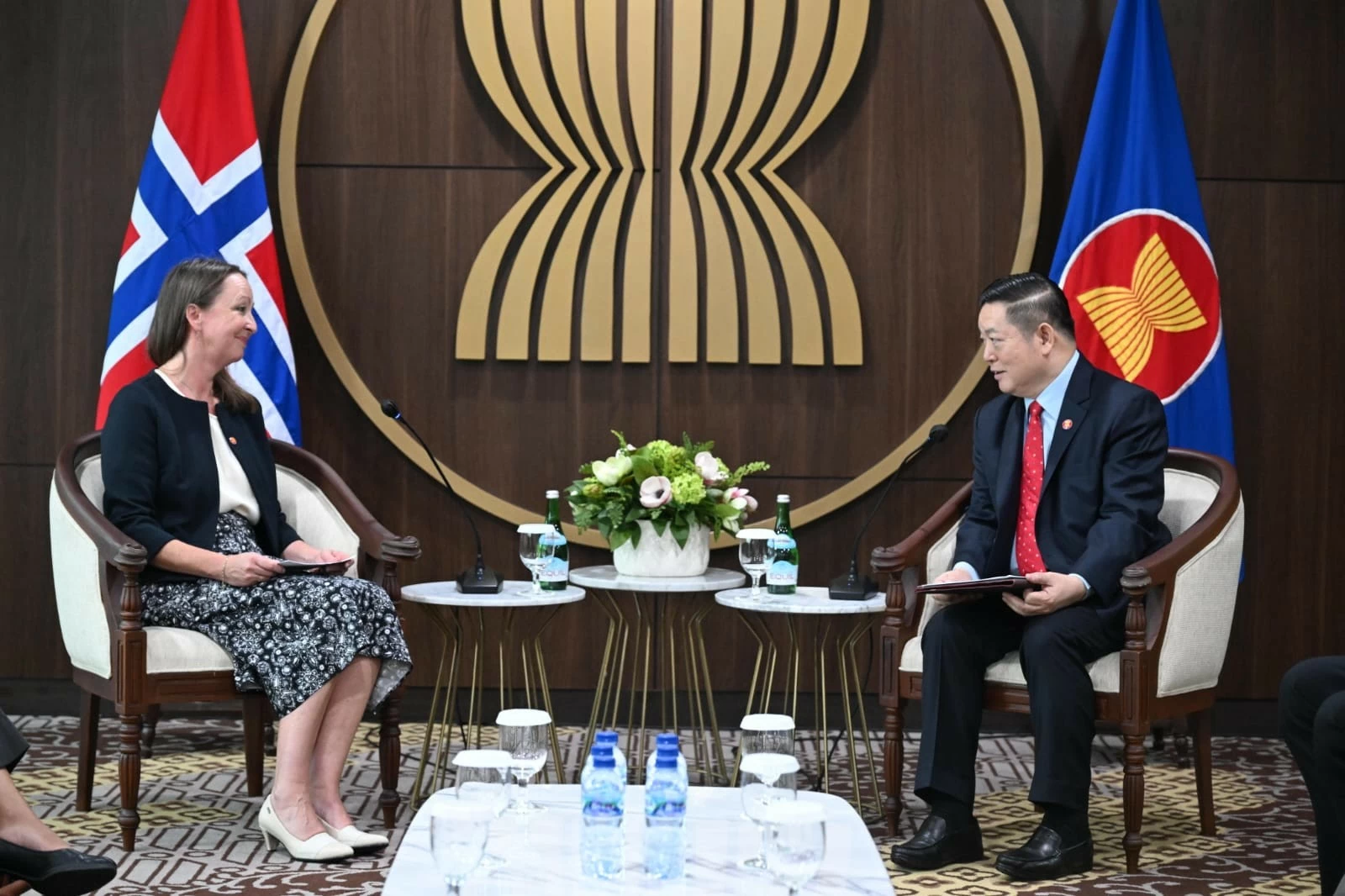 |
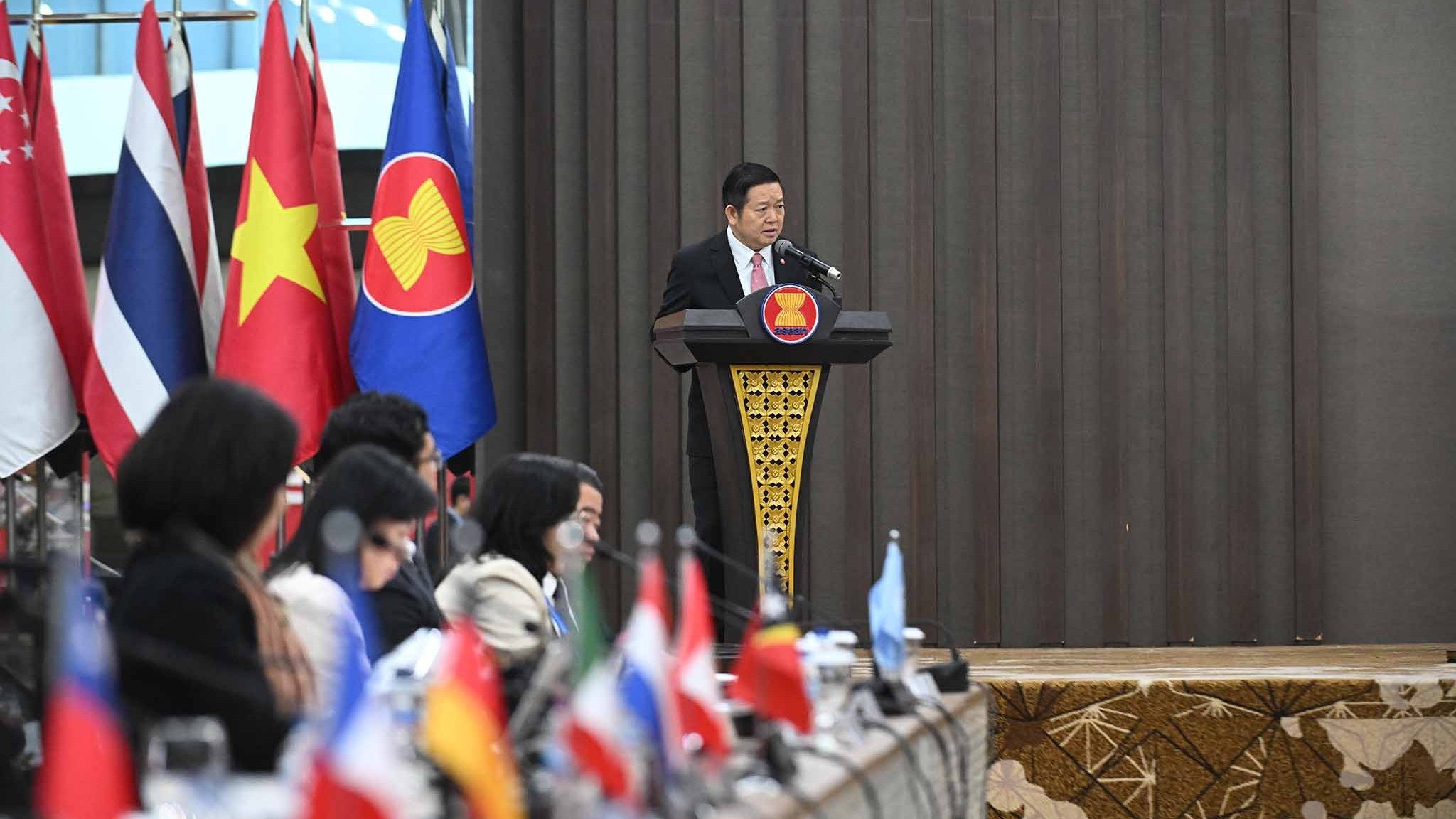
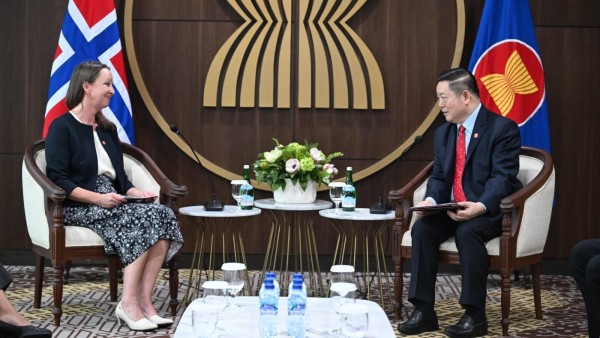
| Norway's Ambassador to ASEAN, H.E. Ms. Mariann Ruud Hagen, presented her Letter of Credentials to ASEAN Secretary-General, Dr. Kao Kim Hourn, on December 16, 2025. (Source: asean.org) |
How would you assess ASEAN’s role in fostering peace and regional stability amid the current complex international landscape?
ASEAN has played an important role in fostering peace, stability, and prosperity for nearly six decades. In today’s increasingly complex international landscape - characterized by geopolitical competition, economic uncertainty, climate challenges, and rapid technological change - ASEAN’s importance has become even more evident.
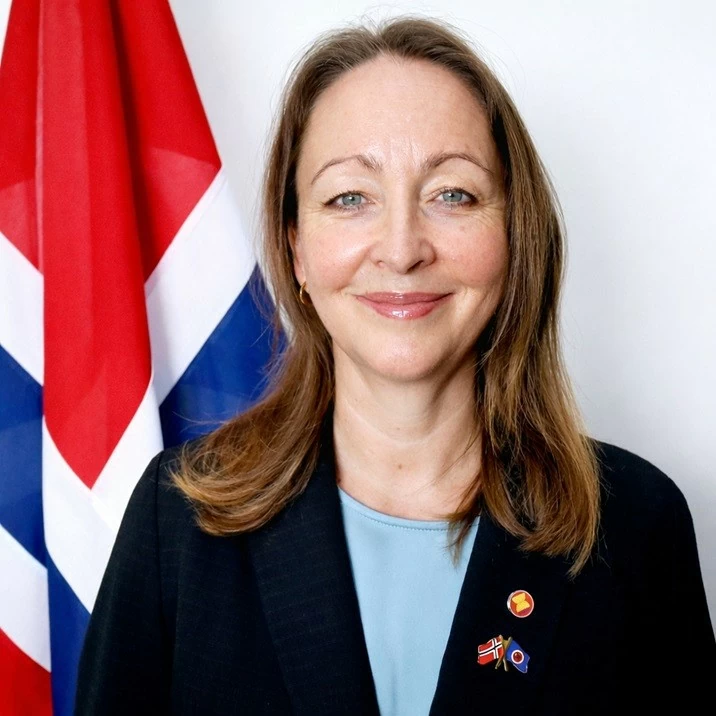 |
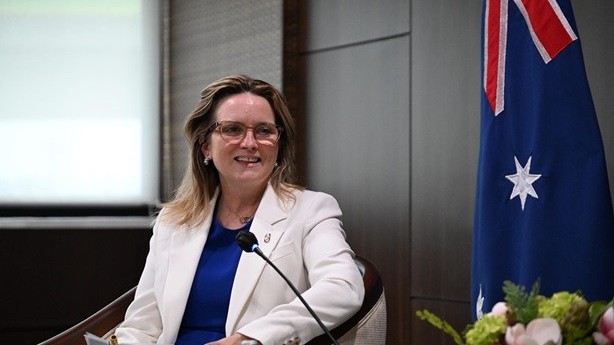
| Norway's Ambassador to ASEAN Mariann Ruud Hagen. (Photo: Kim Anh) |
I believe one of ASEAN’s greatest achievements is transforming a region once marked by conflict and distrust into one defined primarily by dialogue, cooperation, and growing economic integration. Through its commitment to peaceful engagement, confidence-building, and respect for international law, ASEAN has established a strong foundation for regional stability – also providing platforms for dialogue and convening power far beyond Southeast Asia.
At a time when war and conflict are once again on the rise, the pursuit of political and diplomatic solutions is more important than ever. ASEAN has developed a strong tradition of conflict prevention through consultation, confidence-building, and regional cooperation. Its principle of centrality remains particularly important. Experience from peace processes around the world shows us that solutions are most durable when they are owned by the countries concerned, supported by their neighbours, and the wider region.
ASEAN’s centrality in the regional architecture is a major contribution to peace and stability. ASEAN-led mechanisms such as the ASEAN Regional Forum and the East Asia Summit provide inclusive platforms where countries with different interests and perspectives can engage constructively. This will be particularly important to help address the conflicts within the region that ASEAN faces today. The Treaty of Amity and Cooperation also gives a strong foundation for peaceful dispute settlement, emphasizing mutual respect, non-use of force, and dialogue.
From Norway’s perspective, ASEAN’s ability to bring countries together around dialogue and practical cooperation is one of its greatest strengths. At a time when global tensions are rising, ASEAN’s continued commitment to multilateralism and regional cooperation makes it a vital partner in maintaining stability and promoting prosperity across the Indo-Pacific region and beyond.
2. What are your comments on ASEAN–Norway cooperation in promoting peace and development in the changing world?
Norway highly values our partnership with ASEAN, and over the past decade, our cooperation has developed into a broad and constructive partnership based on shared interests, mutual respect, and a common commitment to peace and sustainable development.
As a Sectoral Dialogue Partner, Norway works closely with ASEAN and its member states across a range of areas.
Green transition, energy, education, human rights, and circular economy are just some of the areas where ASEAN and Norway are working together. For example, when we think about sustainable ocean management as an issue, Norway and ASEAN share a strong interest in protecting marine resources, supporting the blue economy, and combating marine pollution. Climate change is another key area of cooperation, including renewable energy, climate adaptation, and disaster risk reduction.
Similarly, peace and development go hand in hand. Sustainable development is more tenable through peace and stability, just as lasting peace often depends on inclusive development and economic opportunities. Norway, therefore, places great importance on dialogue with partners around the world on peacebuilding, mediation, and preventive diplomacy.
Norway has broad experience in peace diplomacy and conflict resolution. Over the years, we have contributed to peace processes, ceasefires, humanitarian access, and reductions in violence in many parts of the world. While every conflict is unique, we have learned that local ownership, inclusive processes, and patient diplomacy are essential ingredients for durable solutions.
We place great value on our work with ASEAN to strengthen capacities for mediation and preventive diplomacy. ASEAN has deep and hard-won experience in conflict resolution, confidence-building and peaceful conflict management. We believe there is significant potential for further exchange of knowledge and best practices. At a time when conflicts are increasing globally, investments in preventive diplomacy and dialogue are more important than ever.
Looking ahead, Norway remains committed to deepening its partnership with ASEAN and exploring new areas of cooperation.
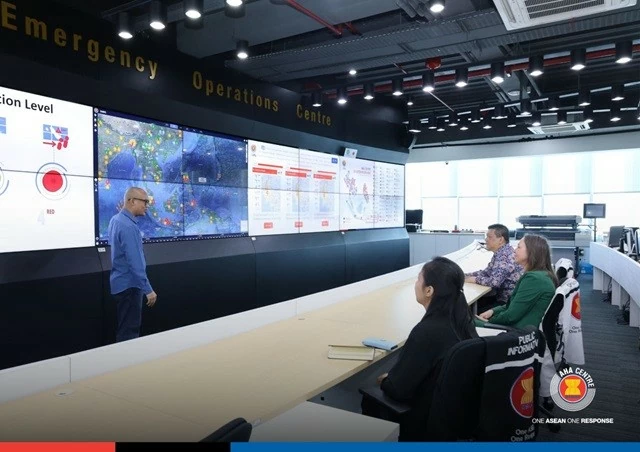 |
| Ambassador Mariann Ruud Hagen visit Centre for Humanitarian Assistance on disaster management (AHA Centre) in Jakarta, Indonesia. (Photo: Kim Anh) |
Could you please share your reflections on ASEAN’s core values, such as unity, resilience, and the spirit of consensus? In your view, what significance do these values hold for the development of the Association?
I have been fortunate enough to live in several ASEAN countries for more than a decade, and I never cease to be amazed by the remarkable diversity. At the same time, I am struck by the qualities that transcend national borders, the generosity, humour, ingenuity, and openness which I encounter again and again and make me return whenever I can. ASEAN has succeeded in remaining united behind its core values of unity, resilience, and consensus through many challenging periods, and I believe it has been strengthened through each turn, which bodes well for the future. These principles have shaped ASEAN’s identity and enabled it to navigate an increasingly complex regional and global environment.
Unity is perhaps ASEAN’s most important strategic asset, and ASEAN has consistently demonstrated its ability and willingness to work towards common objectives. That is no small feat in today’s world and something to be proud of and keep fighting for. This unity has strengthened ASEAN’s voice internationally and helped preserve peace and stability within the region.
Preventive diplomacy rarely attracts attention when it succeeds – it is difficult to measure the value of a crisis that never occurred, a conflict that never broke out, or a humanitarian disaster avoided. Unfortunately, the costs of failed prevention are all too visible in the world today.
Resilience is equally significant. The region has faced financial crises, natural disasters, public health emergencies, and shifting geopolitical dynamics. ASEAN’s ability to adapt and continue advancing its integration agenda reflects a remarkable degree of resilience and will remain essential as the region confronts emerging challenges—as it will for all of us.
The spirit of consensus is another defining characteristic of ASEAN. Building consensus requires dialogue, patience, mutual respect, humility, and a willingness to listen to different perspectives. While this approach may be time-consuming, when successful, it helps ensure that decisions enjoy broad support and legitimacy and are therefore instrumental in maintaining cohesion and building trust.
From Norway’s perspective, these values remain highly relevant beyond ASEAN. At a time when polarization and division are increasingly visible globally, ASEAN’s commitment to dialogue, cooperation, and peaceful engagement demonstrates the enduring value of multilateralism. Unity, resilience, and consensus have been central to ASEAN’s achievements thus far, and they will remain essential as the Association works toward its vision of a peaceful, prosperous, and people-centred community. Norway looks forward to continuing to work with ASEAN on finding solutions to the conflicts we are all facing today, as well as preventing new ones from breaking out in our fragile current reality.
| From Ben Nha Rong to Vietnam’s vision in a changing world: Reflections on President Ho Chi Minh’s legacy WVR - The departure from Ben Nha Rong of the young Nguyen Tat Thanh not only paved the way for national liberation but also left ... |
| Philippine Armed Forces Chief of Staff visits Vietnam, values bilateral defense cooperation WVR - From June 3-6, General Romeo Brawner Junior, Chief of Staff of the Armed Forces of the Philippines, made an official visit to Vietnam ... |
| Prime Ministers of Laos and Cambodia to pay official visit to Vietnam and attend 3rd ASEAN Future Forum WVR - At the invitation of Prime Minister Le Minh Hung, the Prime Ministers of Laos and Cambodia will pay official visit to Vietnam and ... |
| Prime Minister of Thailand to pay official visit to Vietnam and attend 3rd ASEAN Future Forum WVR - Prime Minister of the Kingdom of Thailand Anutin Charnvirakul will pay official visit to Vietnam and attend the third ASEAN Future Forum from ... |
| Timor-Leste's Prime Minister to attend ASEAN Future Forum, strengthening regional commitment Timor-Leste's upcoming official visit to Vietnam by Prime Minister Kay Rala Xanana Gusmão and participation in the third ASEAN Future Forum (AFF) will underscore the ... |