







How to choose the best Halong Bay cruise in 2026: routes, prices and expert tips
Halong Bay is a bucket-list destination and UNESCO World Heritage Site, but choosing the right cruise can be challenging. With 500+ vessels in the Gulf of Tonkin, there’s no single “best” option - only the best for you. This guide highlights five key factors to help you decide.
Latest
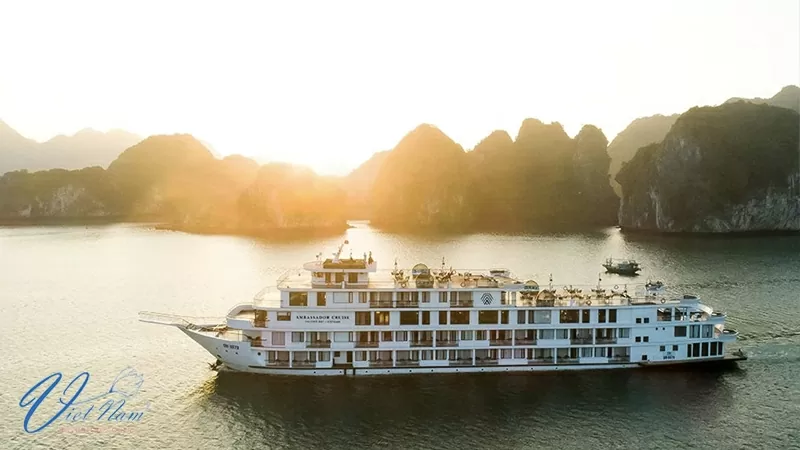 |
| How to choose the best Halong Bay cruise in 2026: routes, prices and expert tips. (Photo: BQN) |
Factor 1: The Route (Halong vs. Lan Ha vs. Bai Tu Long)
Many travelers assume Halong Bay is a single destination. In reality, the cruising region is divided into three main areas, each offering a distinct atmosphere, scenery, and travel experience.
Halong Bay itself features four official sightseeing routes, each highlighting different caves, islands, and cultural sites.
1. The Main Halong Bay Routes
For the majority of overnight cruises, these two routes are the most commonly included in cruise itineraries.
The Popular Highlight Route with heavy traffic
Route 2 offers a broader exploration of Halong Bay and is commonly used for overnight cruises. Highlights include Sung Sot Cave, Titov Island, Trinh Nu Beach & Cave, and Me Cung Cave, combining panoramic viewpoints with dramatic cave systems. Because of its popularity, areas around Titov Island and Sung Sot Cave can become busy during peak seasons.
However, Trinh Nu Beach & Cave lies farther from this central cluster, offering a longer scenic cruising route and a quieter excursion. Travelers seeking less-visited attractions may wish to choose cruises that include this stop in their itinerary.
The Hidden Cultural Route (Recommended)
Among the routes in Halong Bay, Route 3 is widely considered one of the most rewarding itineraries. Rather than focusing only on famous landmarks, it explores the bay’s cultural and ecological heart, including Cua Van Fishing Village, Tien Ong Cave, Ang Du Area, and Ba Ham Lake. The journey also extends toward Lan Ha Bay, allowing travelers to experience the limestone landscapes of two bays in one cruise, often with quieter waters and fewer crowds.
Despite its peaceful setting, Route 3 still offers a full range of classic excursions, from kayaking through lagoons and cave visits to beach stops and rowing boat trips through floating villages. The scenery also features layered limestone formations reminiscent of Da Xep Park in Bai Tu Long Bay.
Due to the longer cruising distance, only a select number of leading cruise operators include this route in their programs. One of them is the wellness-inclusive Bhaya Soul Cruise, operated by Bhaya Cruises. Its exclusive itinerary follows one of the longest cruising routes in the region - around 40 km, nearly double many standard cruises - offering a more complete journey through the region’s most scenic and culturally rich areas.
2. The Lan Ha Bay Route
Located south of Halong Bay, Lan Ha Bay is known for cleaner waters and lush limestone islands. Highlights include Dark & Bright Cave, a kayaking route leading into a hidden lagoon, and Cat Ba Island & Viet Hai Village, where visitors can cycle through jungle landscapes to a secluded traditional village.
Best for: nature lovers, active travelers, and cultural explorers.
3. The Bai Tu Long Bay Route
Further northeast lies Bai Tu Long Bay, often considered the quietest cruising area. Cruises here visit attractions such as Thien Canh Son Cave and Vung Vieng Fishing Village, where travelers can see traditional floating houses and learn about local pearl farming.
Best for: eco-travelers and those seeking a more peaceful, off-the-beaten-path experience.
Factor 2: Cruise Size (Boutique Small Boats vs. Large Modern Steel Cruises)
Another key decision when choosing a Halong Bay cruise is ship size. The number of cabins directly affects the atmosphere, privacy, and onboard experience.
Boutique Small Boats (≤20 Cabins): Privacy and True Luxury
Small boats with 20 cabins or fewer often represent the true essence of luxury cruising in Halong Bay. With fewer passengers, they offer a more private and personalized experience, featuring quieter spaces, attentive service, and a relaxed atmosphere throughout the journey.
A good example is Bhaya Soul Cruise, a newly built boutique vessel with only 20 suites and private balconies, designed around a wellness and slow-travel concept. As the first wellness-inclusive cruise in the bay, it offers mindful walking, meditation, and cultural storytelling alongside classic cruising activities. Guests also enjoy direct check-in and check-out via a private harbor gangway, ensuring a smoother, more seamless travel experience.
Large Modern Steel Cruises (≥35 Cabins): Floating Luxury Hotels
Large cruises with 35 cabins or more are typically built with modern steel structures similar to ocean liners, offering the feel of a five-star hotel on the water. They feature spacious cabins, private balconies, large sundecks, pools, spas, gyms, and excellent stability - making them ideal for travelers prone to seasickness.
However, their scale can feel less intimate, with a more resort-style atmosphere than the romantic charm traditionally associated with Halong Bay. Another practical factor is boarding: many larger vessels anchor farther offshore, requiring a 45-minute speedboat transfer for check-in and check-out, while some smaller boutique cruises allow direct boarding from the harbor gangway for a smoother experience.
Factor 3: Budget & "Hidden" Inclusions
When comparing prices, do not just look at the sticker price. A "cheap" $100 cruise might end up costing $200 once you add the essentials.
1. The Transfer Cost
Most cruises depart from Halong City, which is 2.5 hours from Hanoi.
● Budget Boats: Often charge extra for the bus, or put you in a crowded shuttle.
● Luxury Boats (like Bhaya): Often offer All-inclusive Package including a luxury Limousine Van transfer (9-seater) with Wi-Fi and comfortable seats.
2. The Food Quality
● Budget ($100-$130): Frozen seafood, heavy on rice/noodles to fill you up, limited buffet.
● Luxury ($200+): Fresh catch of the day, dietary accommodations (GF, Vegetarian, Halal), and often Set Menu fine dining (served to your table).
3. The Activities
● Hidden Fees: Some cheaper boats charge extra for kayaking ($10-$15/person) or for specific workshops.
● All-Inclusive: High-end cruises typically include Tai Chi, cooking classes, kayaking, and bamboo boat rides.
Factor 4: Seasonality (When to Go?)
Even the best cruise can be dampened by bad weather.
● Spring (March - April): Great weather, flowers in bloom. Visibility is generally good.
● Summer (May - September): Hot and humid, but ideal for water activities and beautiful sunset views. As it is storm season, occasional cancellations may occur, so choose a reputable cruise brand with a clear policy. Besides, many attractive summer deals are available.
● Autumn (October - November): The "Golden Time." Cool breezes, low humidity, perfect for photography. Peak season for international tourists.
● Winter (December - February): Misty, moody, and cold (10°C-15°C). You likely won't swim, but the "Kong: Skull Island" mystical vibe is strongest now.
Factor 5: Traveler Profile Check
Finally, consider the type of traveler in your group.
● Couples and Honeymooners: Look for boutique cruises with private balconies and peaceful atmospheres.
● Families with Children: Large cruises with swimming pools and connecting cabins can provide more space and activities for kids.
● Solo Travelers: Check for single-supplement policies, as some cruises charge additional fees for single occupancy cabins.
So, how to choose the best Halong Bay cruise in 2026?
It ultimately comes down to what matters most to you. If you value privacy and tranquility, a boutique small boat is often the best choice. Travelers seeking quieter routes may prefer cruises exploring both Halong Bay and Lan Ha Bay as Route 3, where dramatic limestone landscapes unfold with fewer crowds.
For those looking for a refined, wellness-focused journey, Bhaya Soul Cruise stands out as one of the newest luxury options for 2026, combining boutique scale, traditional Vietnamese design, quiet routing and immersive wellness experiences.
(Source: baoquangninh.vn)