


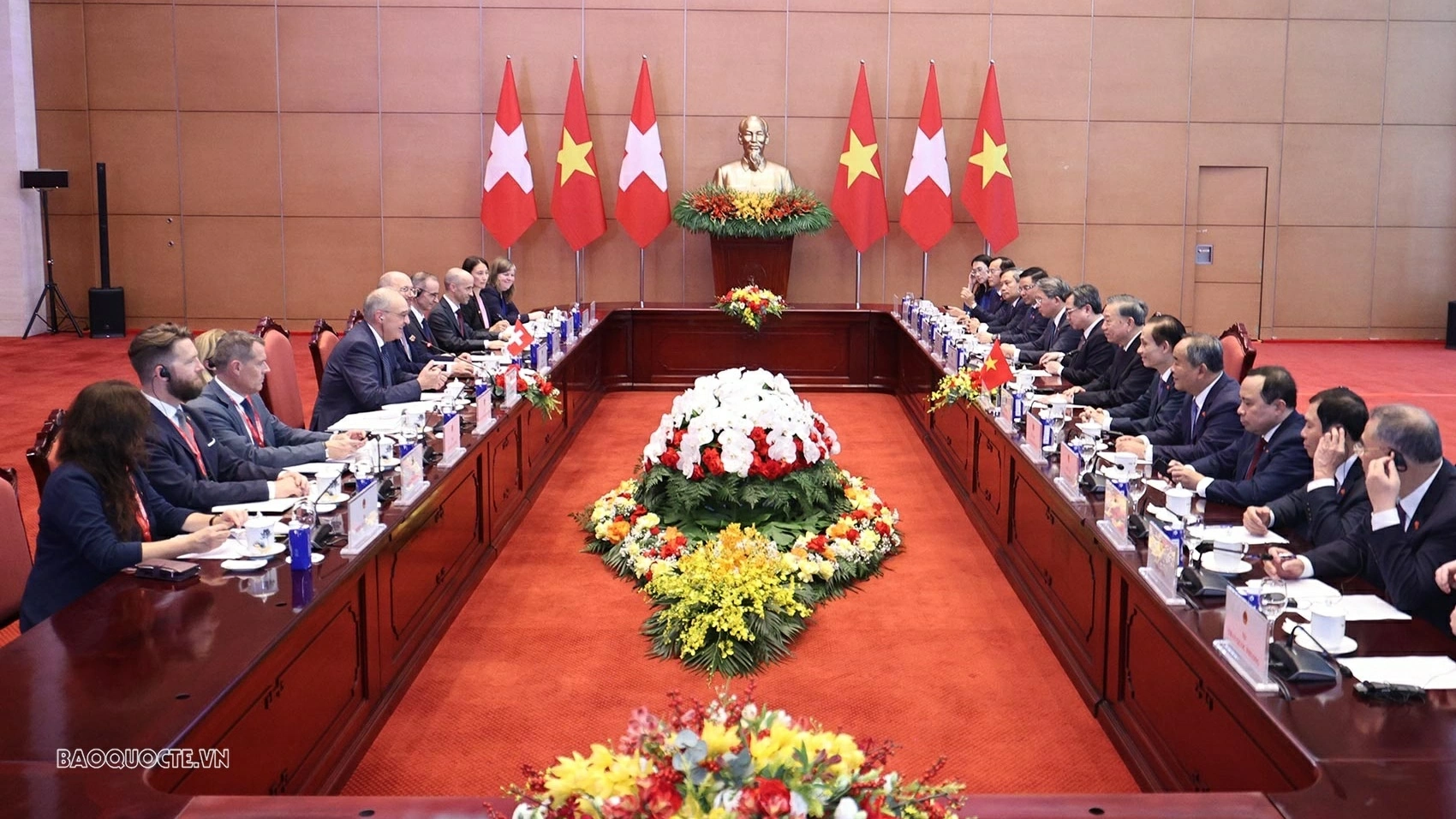
General Secretary and President To Lam's visit to Sri Lanka brings new political momentum to bilateral relations: Ambassador Trinh Thi Tam
WVR - On the occasion of General Secretary and President To Lam's state visit to Sri Lanka (May 7-8), Vietnamese Ambassador to Sri Lanka Trinh Thi Tam shared with The World and Vietnam Report the significance of the visit and the highlights of bilateral relations.
Latest
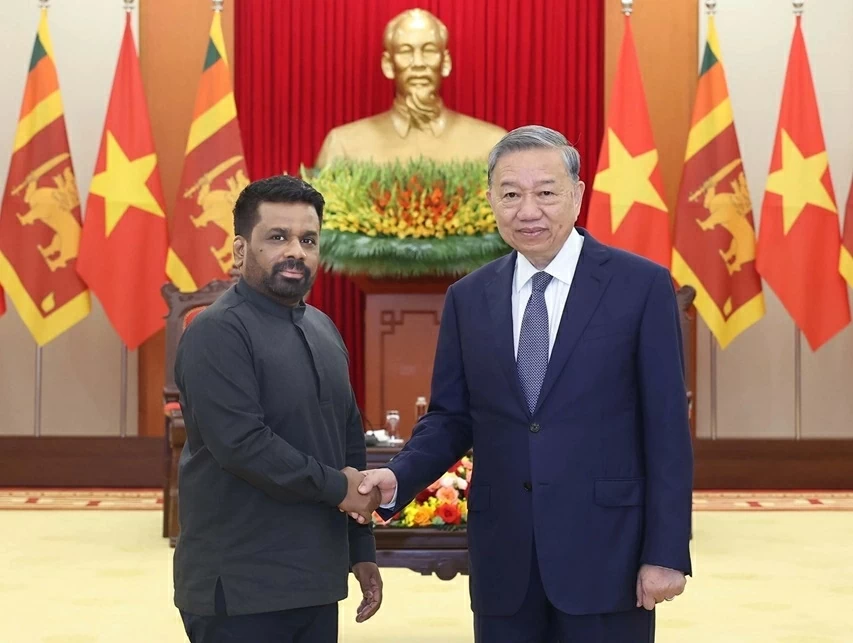 |
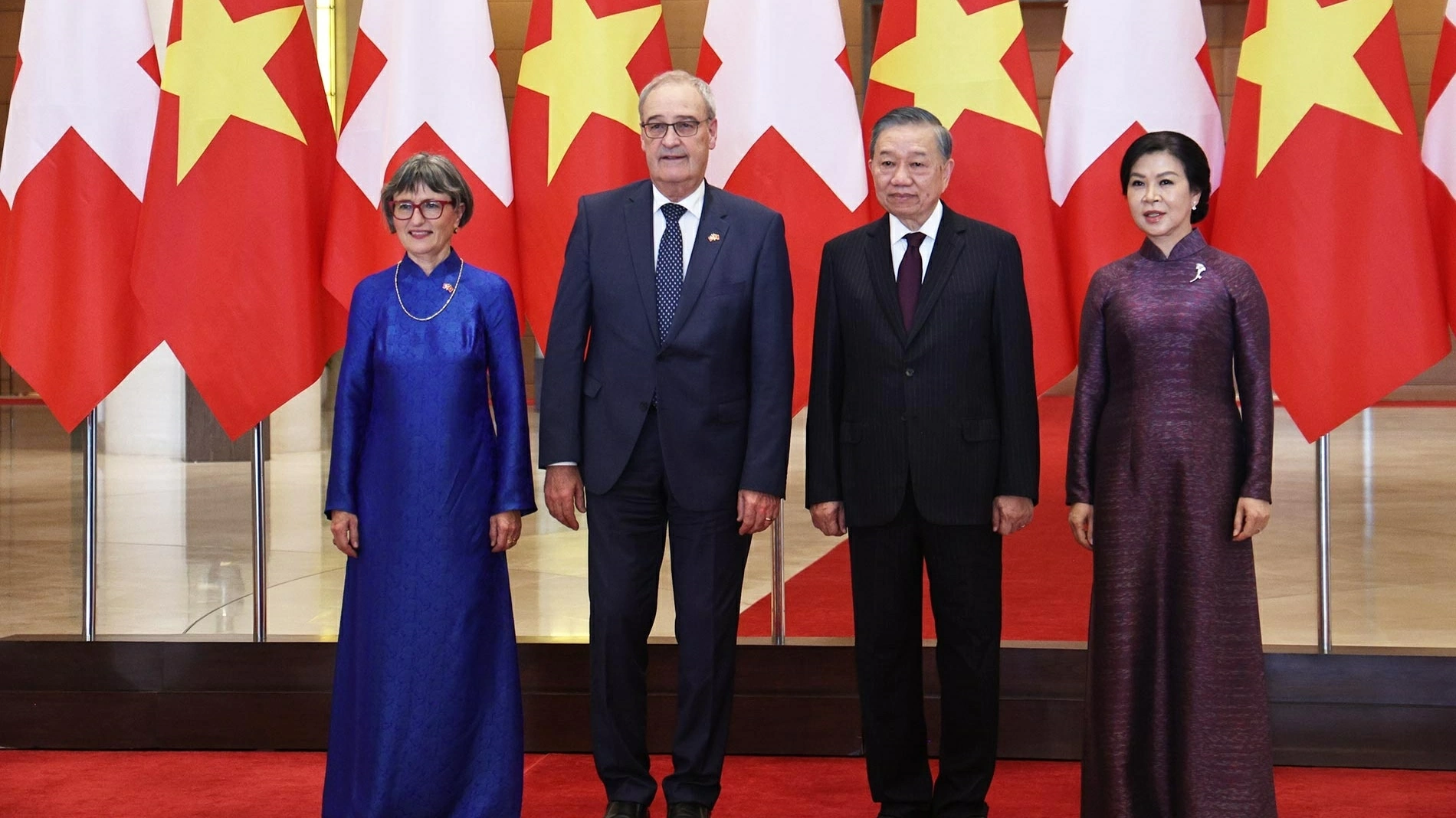
| General Secretary and President To Lam meets with Sri Lankan President Anura Kumara Dissanayake on the occasion of attending the United Nations Vesak Day hosted by Vietnam in May 2025. (Source: VNA) |
Ambassador, could you share the significance and main focuses of General Secretary and President To Lam's visit to Sri Lanka this time?
This state visit to Sri Lanka by General Secretary and President To Lam holds special significance, both politically and diplomatically, as well as in setting a long-term strategic direction for bilateral relations after more than 55 years of formation and development (1970-2026).
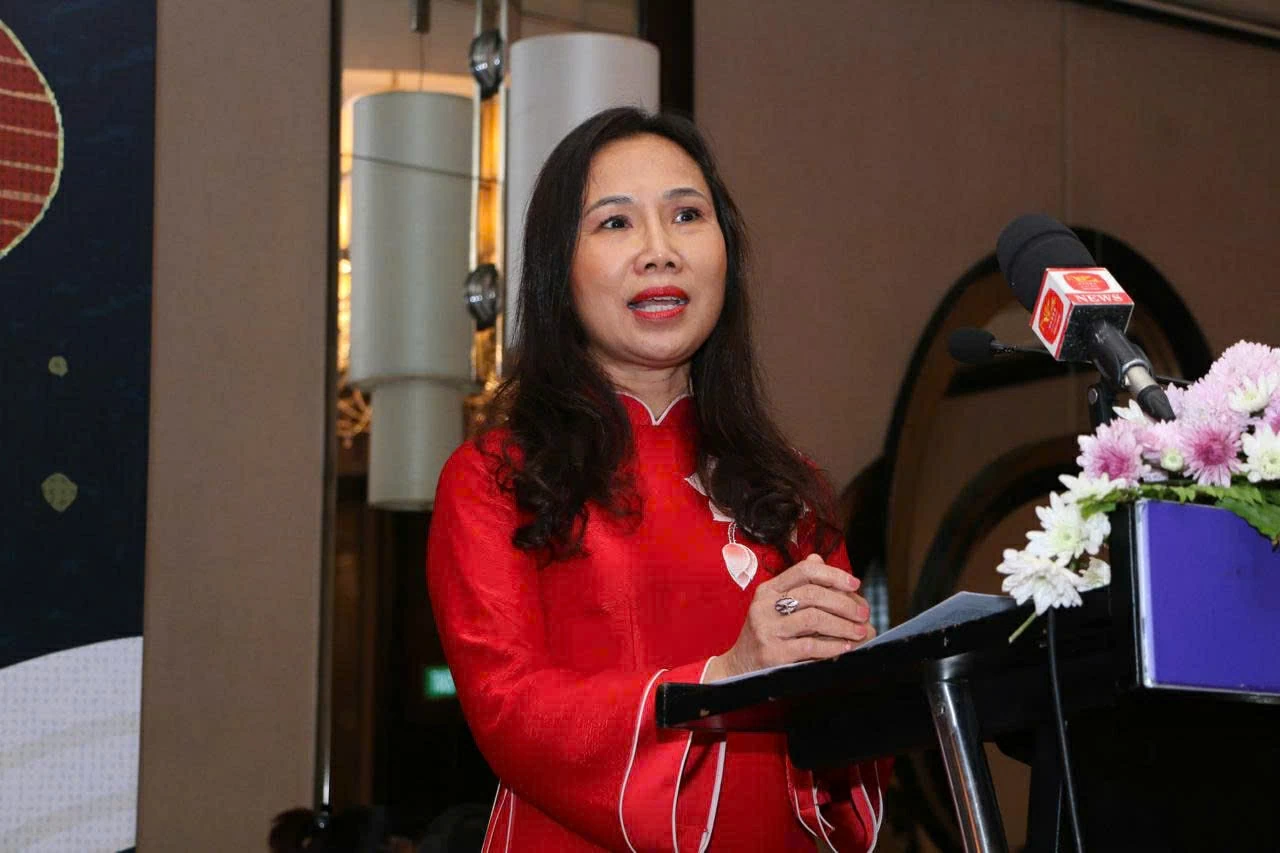 |
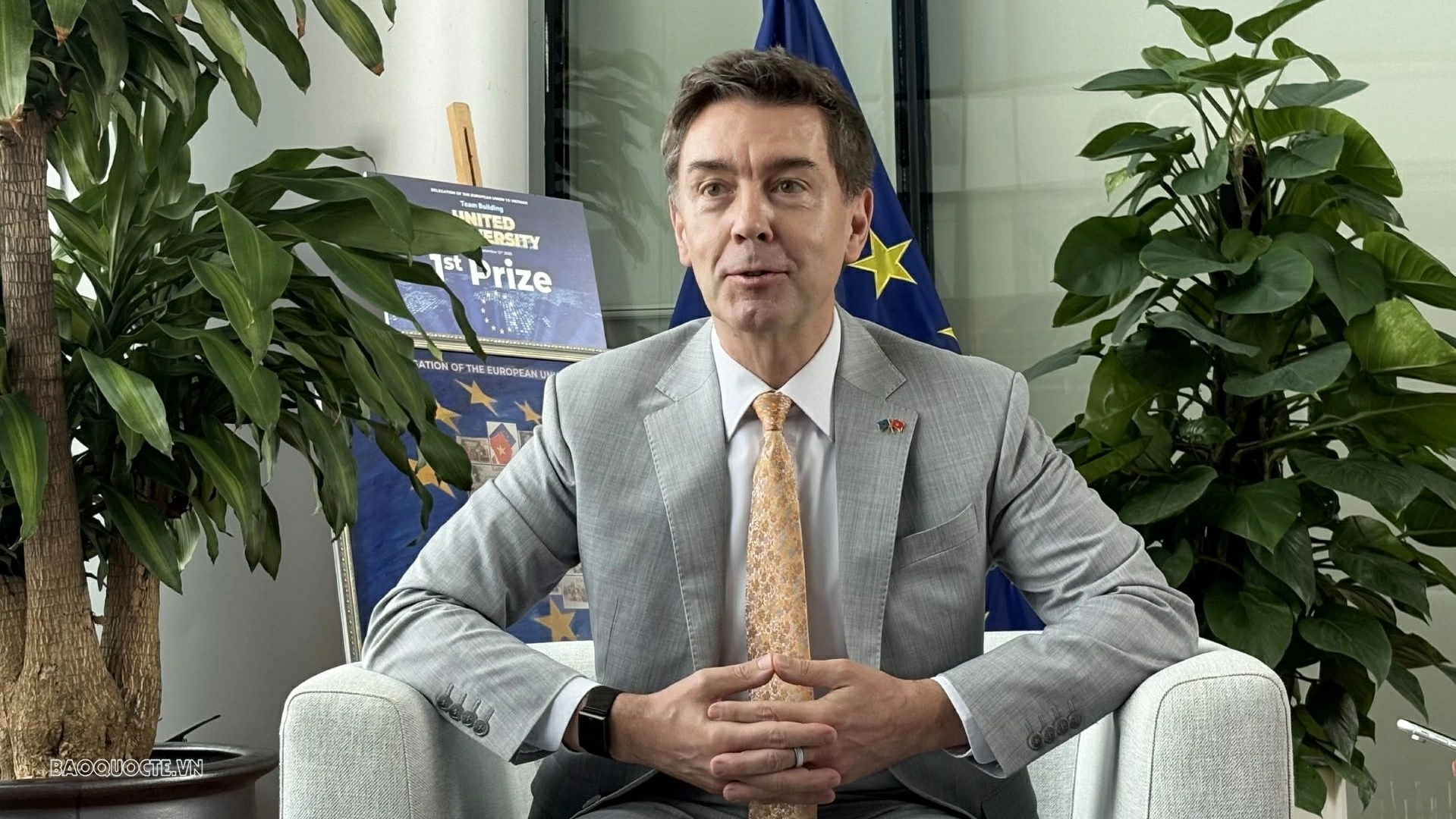
| Vietnamese Ambassador to Sri Lanka Trinh Thi Tam. (Source: Vietnamese Embassy in Sri Lanka) |
Firstly, this is the first time in the history of bilateral relations that a General Secretary and President visits Sri Lanka. The visit is a strong affirmation of Vietnam's consistent policy of valuing Sri Lanka as a traditional friend and an important partner in South Asia. At the same time, it is an opportunity for both sides to further strengthen the foundation of political trust and mutual understanding – key factors ensuring the stable and sustainable development of bilateral relations.
Secondly, the visit takes place as both economies are entering a significant and profound transformation phase. Vietnam continues to maintain high growth momentum and deep integration, while Sri Lanka is gradually recovering and restructuring its economy towards greater stability and sustainability. This creates favourable opportunities for both sides to review and redefine cooperation priorities in line with the new context in a substantive, effective, and mutually beneficial manner.
The visit is expected to focus on three major areas: Elevating the cooperation framework towards more substantive and effective collaboration, laying the foundation for the next development phase; promoting economic, trade, and investment cooperation, especially in highly complementary sectors such as agriculture, fisheries, processing industries, logistics, and maritime connectivity; expanding cooperation into new strategic long-term areas such as the digital economy, innovation, renewable energy, and the green economy.
More importantly, the visit will create a new "political momentum," contributing to transforming commitments into concrete actions, thereby enhancing the effectiveness of cooperation between the two countries in the future.
With recent positive developments in economic cooperation, how do you assess the prospects for bilateral economic cooperation, with the goal of soon reaching a two-way trade turnover of 1 billion USD?
The prospects for economic cooperation between Vietnam and Sri Lanka are very positive, with much potential yet to be effectively tapped.
In recent years, bilateral trade has seen encouraging growth, with expansion in both scale and structure; two-way trade turnover fluctuates around 300 million USD per year; in 2021, it exceeded 460 million USD, with Vietnam consistently in a trade surplus position. Notably, the two economies are highly complementary and do not directly compete, creating favourable conditions for in-depth cooperation development.
Vietnam has strengths in processing industries, electronics, textiles, and consumer goods, while Sri Lanka has advantages in tea, rubber, yarn, and some specific agricultural products. If well-exploited, this complementarity will help form common value chains, rather than merely stopping at pure trade exchanges.
However, to achieve the 1 billion USD trade target, both sides need to focus on addressing some structural "bottlenecks," such as high logistics costs, lack of direct transport routes, and limited business connectivity.
In the near future, I believe three directions should be prioritized: Firstly, enhancing logistics and maritime transport connectivity, leveraging Sri Lanka's strategic position on the Indian Ocean shipping route. Secondly, promoting two-way investment, especially in processing, high-tech agriculture, fisheries, and logistics. Thirdly, elevating the role of the business community, considering it the main driver of economic cooperation.
With the political determination of both sides and the existing complementary conditions, the 1 billion USD target is entirely achievable in the medium term if we take decisive and synchronized steps.
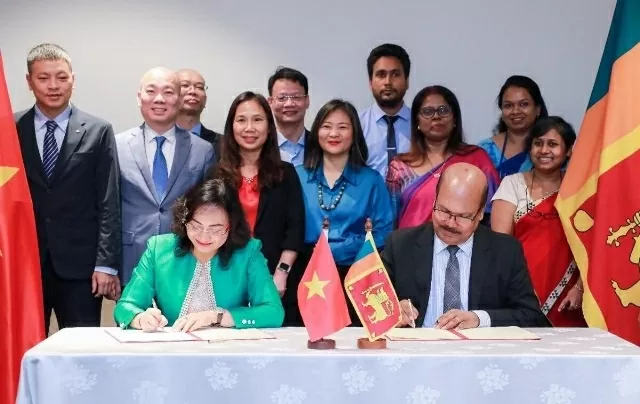 |
| The third meeting of the Vietnam-Sri Lanka Joint Trade Subcommittee in September 2025. (Source: Vietnamese Embassy in Sri Lanka) |
Ambassador, what is your assessment of the "regional bridge" role of the two countries, especially in the context of Sri Lanka's desire to join the RCEP?
The "regional bridge" role between Vietnam and Sri Lanka is one of the most strategically significant points in current bilateral relations.
In terms of geo-economics, Sri Lanka is located on the vital maritime route of the Indian Ocean, connecting South Asia with the Middle East and Africa, while Vietnam is one of the most dynamic open economies in Southeast Asia and an active member of ASEAN as well as many new-generation free trade agreements. In this context, the two countries can fully complement each other in expanding economic space and market connectivity.
Sri Lanka's expressed desire to join the Regional Comprehensive Economic Partnership (RCEP) is a very positive signal. If this process is successfully promoted, Sri Lanka will have the opportunity to integrate more deeply into the Asia-Pacific regional value chain, while also creating more favorable conditions to enhance economic cooperation with Vietnam. Conversely, Vietnam can also play a role as a bridge to help Sri Lanka gain deeper access to the ASEAN market – a market of over 600 million people with an increasing level of integration.
In the long term, the two countries need to promote three directions of cooperation, including connecting regional supply chains, developing logistics and transshipment centers, and enhancing coordination in multilateral mechanisms.
If effectively implemented, this "dual bridge" role will bring benefits not only to the two countries but also to the entire region.
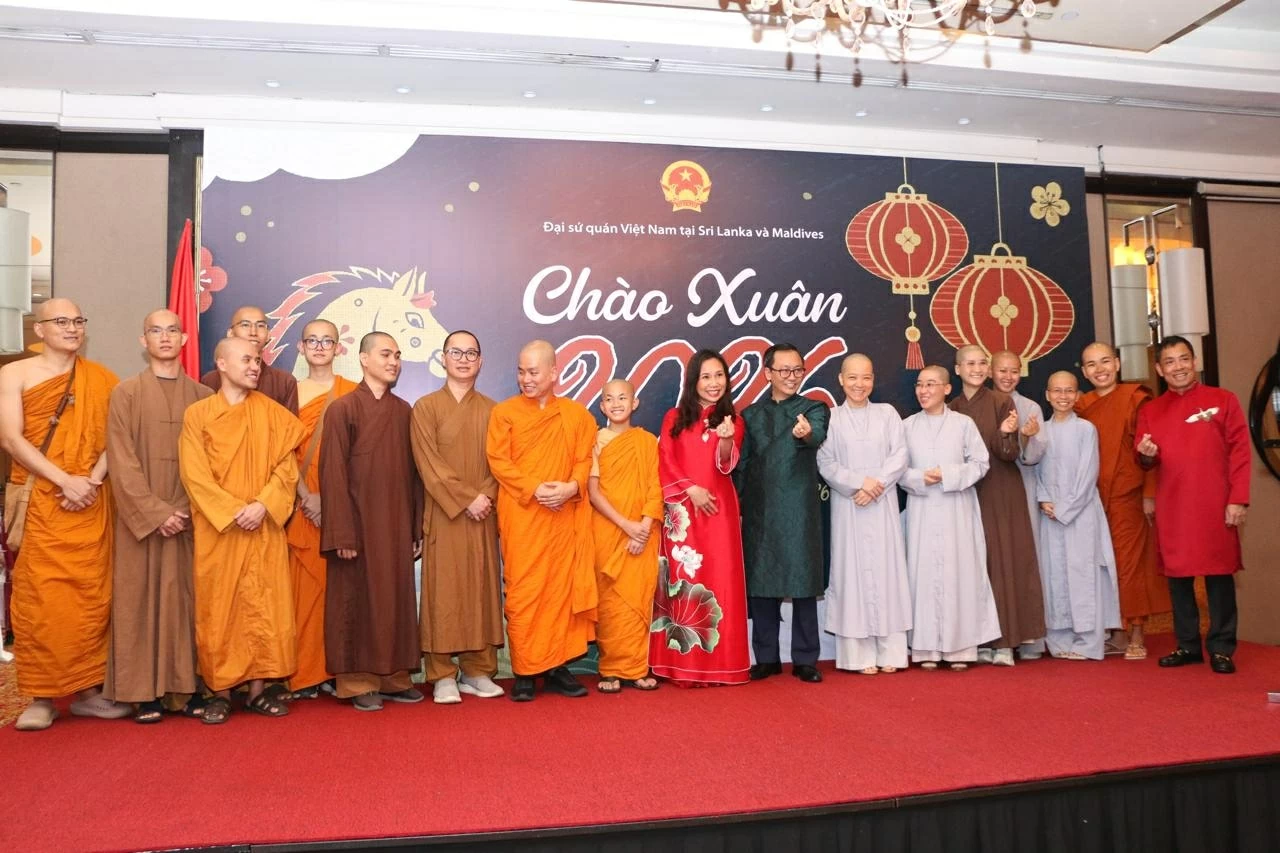 |
| Tet Community 2026 in Sri Lanka. (Source: Vietnamese Embassy in Sri Lanka) |
How do you evaluate cultural, Buddhist, and people-to-people cooperation – considered the pillars of bilateral relations?
Cultural, Buddhist, and people-to-people cooperation can be said to be the brightest, most sustainable, and meaningful pillars in Vietnam-Sri Lanka relations. The two countries share many similar cultural and historical values, with Buddhism playing a role as an important "spiritual bridge," contributing to nurturing understanding, trust, and connection between the peoples of the two countries.
After taking office, Sri Lankan President Anura Kumara Dissanayake chose to visit Vietnam and attend the United Nations Vesak Day hosted by Vietnam in May 2025. In Sri Lanka, the first Vietnamese pagoda was built over 5 years ago. In recent times, exchanges of Buddhist delegations, scholars, monks, and cultural exchanges have been actively maintained, contributing to deepening the social foundation of bilateral relations. These connections are particularly meaningful as they create a natural bond, transcending purely economic or political factors.
In the future, both sides need to continue to promote this pillar in a more modern and sustainable direction, through enhancing youth, scholar, and social organization exchanges; boosting educational and training cooperation; combining cultural exchanges with tourism development, especially spiritual tourism.
It can be said that if economic cooperation is the "driver," then people-to-people and cultural exchanges are the "foundation" that helps Vietnam-Sri Lanka relations develop sustainably and long-term.
Thank you very much, Ambassador!