


External affairs Journalism: An elite force contributing to the building of a strong and prosperous Vietnam
WVR - On the occasion of the 100th anniversary of Vietnam's Revolutionary Press, in her interview with the World and Vietnam Report, Deputy Minister of Foreign Affairs Le Thi Thu Hang shared her reflections on an integral force within this century-long journey: external affairs journalism.
Latest
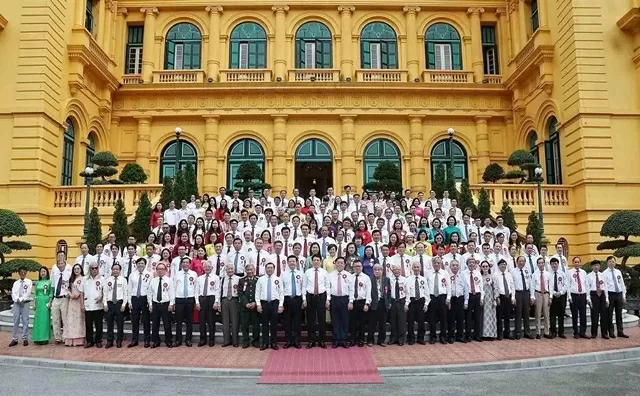 |
| External affairs Journalism: On June 20, President Luong Cuong with distinguished delegates and journalists attended a gathering at the Presidential Palace to mark the centenary of Vietnam’s Revolutionary Press. (Source: VNA) |
Deputy Foreign Minister Le Thi Thu Hang was invited to share her views on the role and outstanding contributions of external affairs journalism within the broader development of Vietnam’s revolutionary press.
According to her, Vietnam’s revolutionary press was born from the urgent needs of the nation’s struggle for independence and the aspiration to restore people’s sovereignty. Beginning with the newspaper Thanh Nien, founded by leader Nguyen Ai Quoc in 1925, the revolutionary press evolved into a powerful ideological and cultural force that accompanied the country’s revolutionary journey through every stage of its history.
During this process, external affairs journalism emerged and matured as a distinct force, playing an irreplaceable role in connecting Vietnam with the world and bringing the world closer to Vietnam.
Today, external affairs journalism goes far beyond the functions of information and communication. It plays an active role in shaping Vietnam’s international image as a peaceful, stable, reforming, and fully integrating country. It has become a sharp instrument in the battle for public opinion—effectively countering false or distorted narratives about the country’s situation, thereby protecting national interests and preserving Vietnam’s international reputation.
Throughout its history, external affairs journalism has consistently been at the forefront to amplify Vietnam’s voice of justice, affirm the nation’s steadfast stance on independence, sovereignty, and territorial integrity, as well as its consistent and responsible foreign policy.
The Deputy Foreign Minister highlighted recent achievements—such as the effective media coverage of Vietnam’s ASEAN Chairmanship Year 2020, the U.S–DPRK Summit in Hanoi, the COP26 Conference, and the country’s tenure as a non-permanent member of the United Nations Security Council to demonstrate the professionalism, intellect, and growing maturity of Vietnam’s external affairs press corps.
These milestones vividly attest to the operational capacity of external affairs journalism in cultivating a favorable international discourse environment and enhancing Vietnam’s position and prestige on the global stage.
External affairs journalism is an integral and inseparable part of foreign affairs work. In an era where information is a strategic resource, it must be recognized as an elite force—a vital pillar in enhancing the nation’s comprehensive strength and contributing to the building of a strong, prosperous Vietnam in the new era.
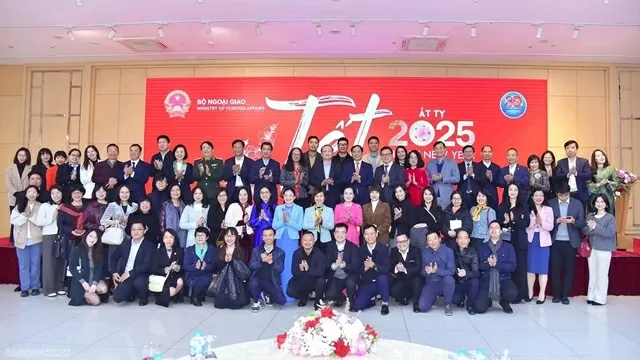 |
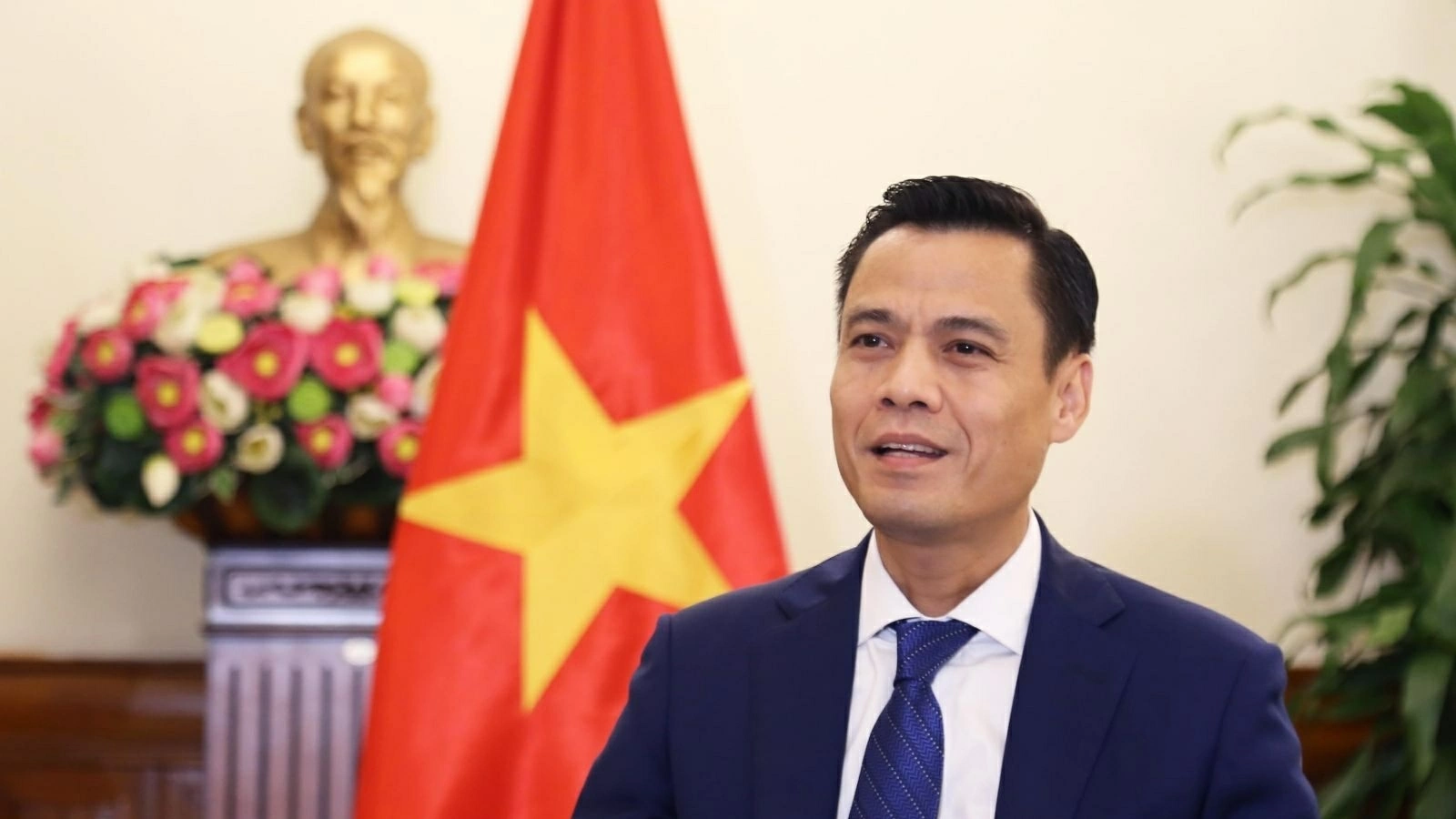
| External affairs Journalism: Deputy Prime Minister and Minister of Foreign Affairs Bui Thanh Son with delegates at a cordial meeting between the Ministry of Foreign Affairs and Vietnamese press agencies on the occasion of Lunar New Year 2025 (Year of the Snake). (Photo: Tuan Anh) |
When asked about the opportunities and challenges currently facing Vietnam’s external affairs press amid the rapidly evolving global media landscape, Deputy Foreign Minister Thu Hang emphasized that we are living in an era where information is not only a resource but also a powerful instrument of influence. The digital age, with its sweeping advances in information and communication technology, has revolutionized the ways in which news is accessed, produced, disseminated, and received.
For journalism as a whole — and external affairs journalism in particular — this transformation presents tremendous opportunities, but also complex challenges in both content creation and professional practice.
She noted that one of the greatest opportunities lies in the ability to deliver information to every corner of the world at unprecedented speed and ever-lower costs. Borderless digital platforms and social media have become effective channels to reach international audiences directly, thereby enhancing Vietnam’s visibility and soft power in the global information space.
However, these opportunities come hand-in-hand with significant challenges. The global media environment is now a fiercely competitive arena — not only in terms of content appeal and public engagement, but also in the credibility and accuracy of information.
Fake news, distorted narratives, and misinformation about Vietnam can emerge from virtually anywhere and spread at lightning speed. If not addressed swiftly and effectively, such content can lead to serious political, diplomatic and economic consequences or may even threaten the country’s peaceful, stable development environment.
In light of these realities, the Deputy Foreign Minister stressed that external affairs journalism must be seen as a frontline force in the national information strategy. It is not merely a tool of external communication, but rather an active front in the realm of soft power and narrative diplomacy — a strategic space where Vietnam’s image and interests must be safeguarded.
Today’s external affairs journalists, she added, must be true “soldiers of information” — agile in accessing and processing news, sharp in critical thinking, politically grounded, and highly proficient in modern communication technologies.
She further referred to Conclusion No. 57-KL/TW of the Politburo on the continued renewal of external information work, which outlines core directives such as: “proactively providing truthful, objective, and timely information,” “integrating traditional and modern communication approaches,” and “ensuring effective coordination between political diplomacy and international media.”
This is not merely a strategic directive, but a guiding framework for all external communications in the new era. Successfully implementing these orientations is key for Vietnam’s external affairs press to assert its position and enhance its competitiveness in the rapidly shifting global media landscape.
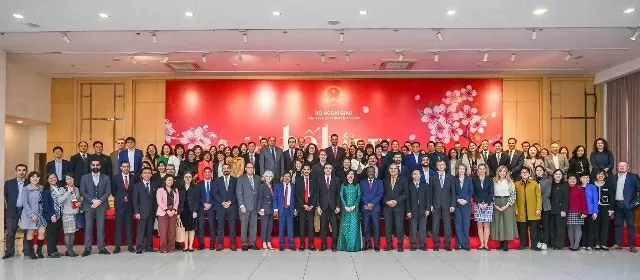 |
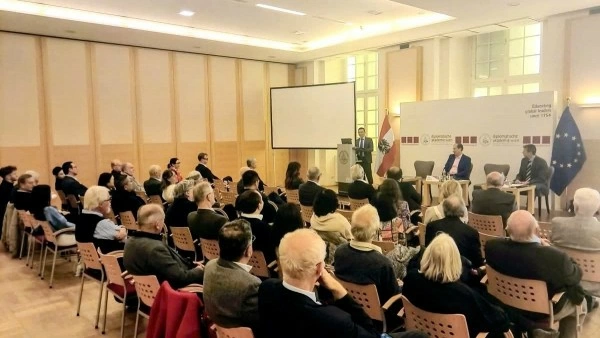
| External affairs Journalism: Leaders of the Ministry of Foreign Affairs meet with press officers of foreign diplomatic missions and foreign correspondents based in Vietnam on the occasion of the New Year 2025. (Photo: Quang Hoa) |
As the official directly overseeing external information affairs, Deputy Foreign Minister Thu Hang emphasized her expectations and vision for the external affairs press during the 100th anniversary of Vietnam’s Revolutionary Press. Drawing on her extensive experience — both in domestic roles and at Vietnamese missions abroad — she shared a deep appreciation for the quiet yet indispensable contributions of external affairs journalists, describing them as individuals who practice “diplomacy through words and images.”
Now more than ever, as Vietnam steps into a new era of dynamic development — aspiring to build a strong, prosperous nation that holds its rightful place in the international community — external affairs journalism must be regarded as a strategic pillar in the broader framework of national soft power.
According to Deputy Foreign Minister, external affairs journalists must maintain strong political acumen, embrace innovation in both thought and practice, master modern technology, and above all, uphold the core values of journalism: truthfulness, humanity, and responsibility. They must see themselves as part of a greater mission — not merely to report news, but to tell the evolving story of a nation rising with purpose, confidence, and sincerity on the global stage.
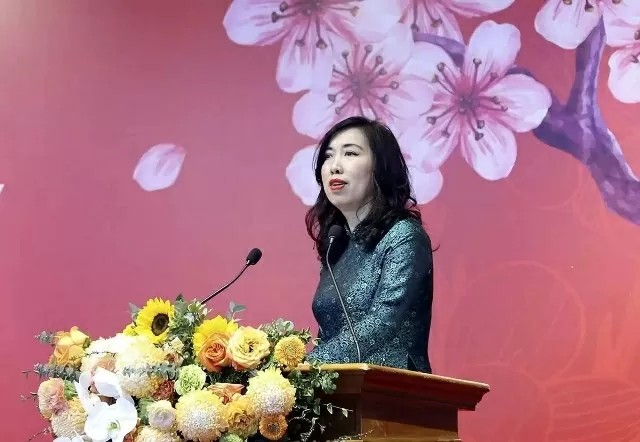 |
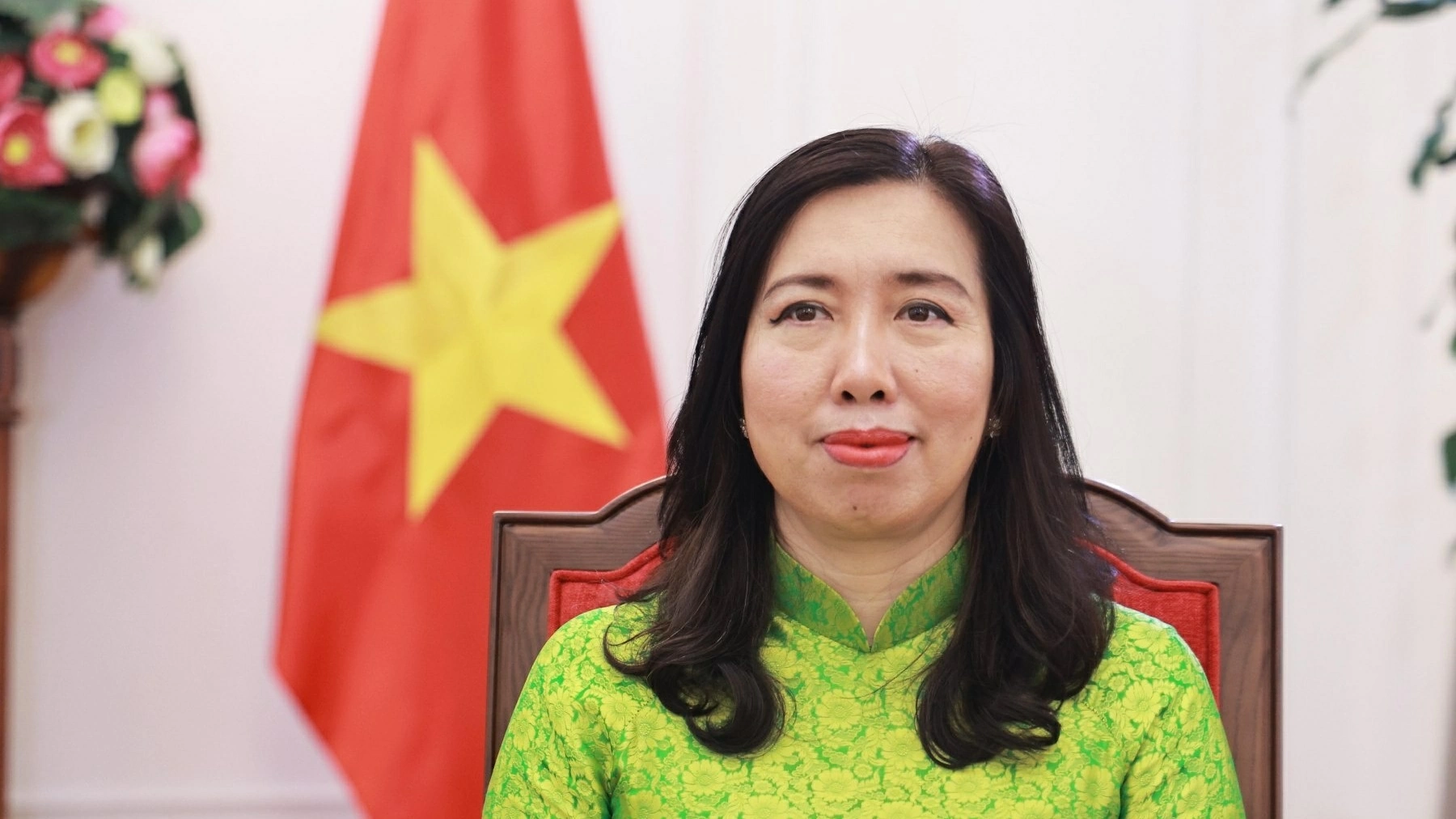
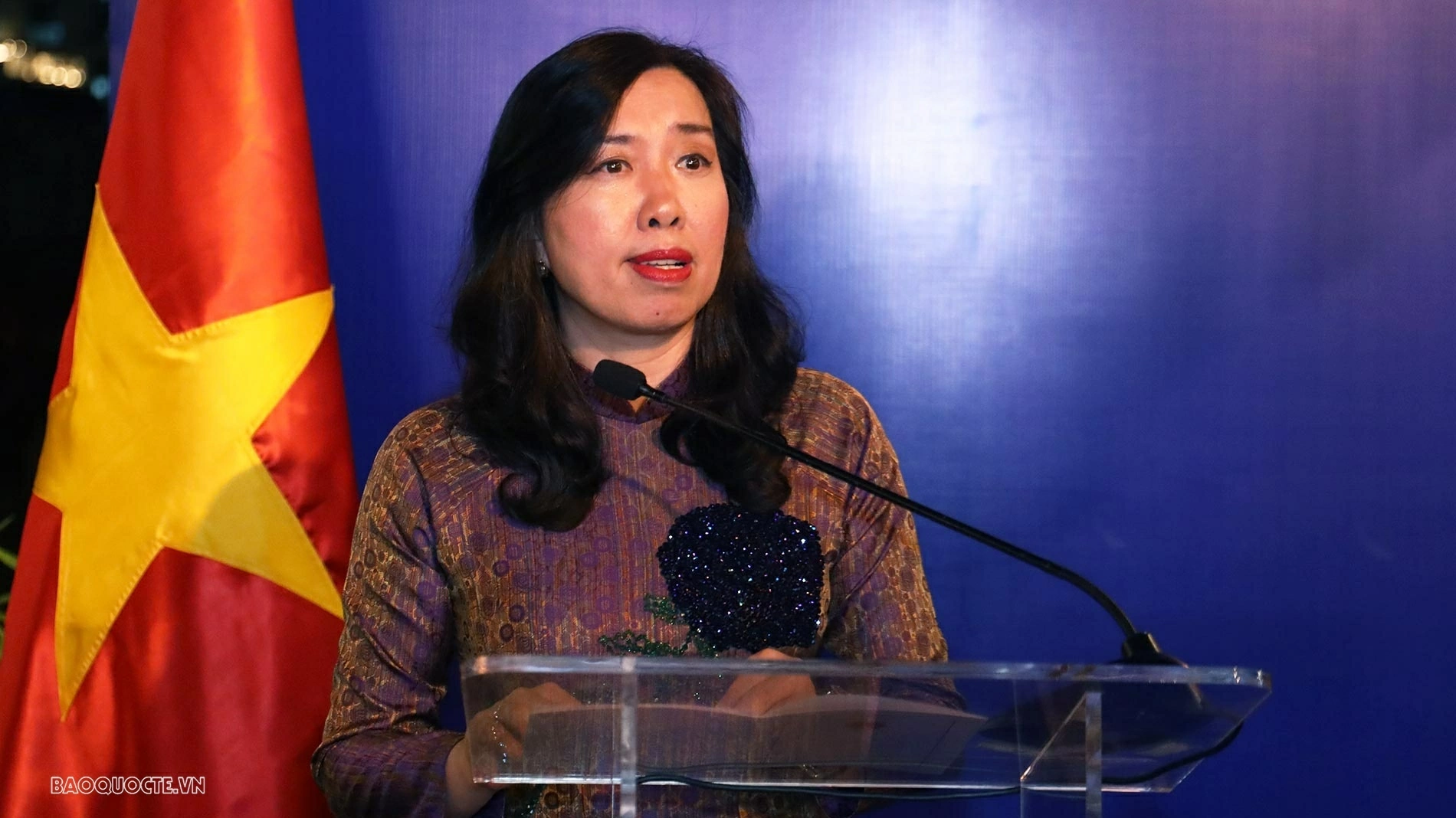
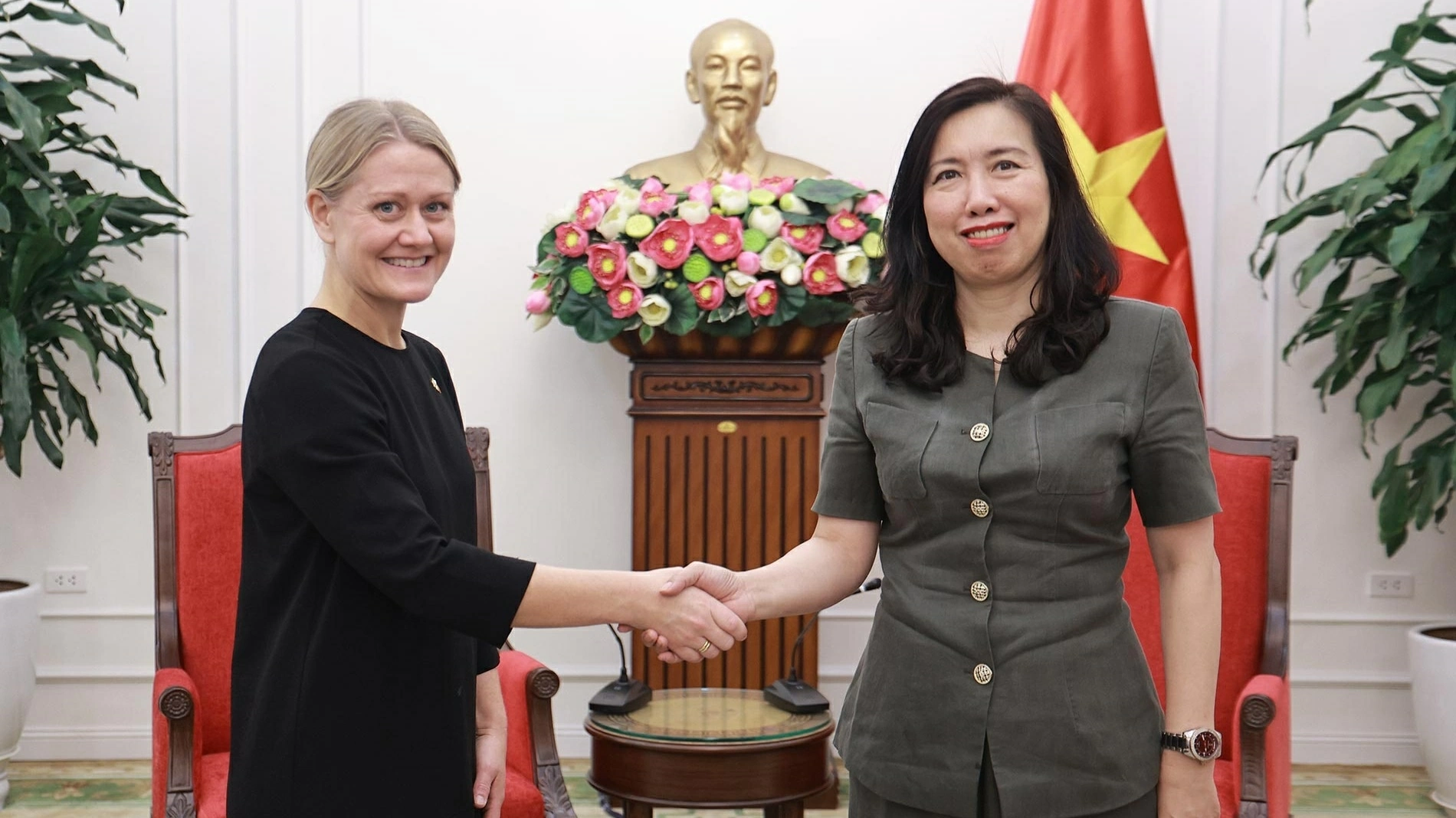
| External affairs Journalism: Deputy Minister of Foreign Affairs Le Thi Thu Hang. (Photo: Quang Hoa) |
She also stressed the need for supervising agencies and media authorities to extend more practical support to the development of external affairs journalism — from training policies and investment in infrastructure and technology, to expanding operational space and international cooperation. Only in a supportive and enabling environment can the external affairs press reach its full potential and truly become a core force in enhancing the country’s global standing and reputation.
In her view, Vietnam needs a model of external affairs journalism that is theoretically sound, professionally sharp, technologically proactive, and creatively agile in conveying the country’s messages. It must reflect the stature, aspirations, and spirit of the Vietnamese people in this new era — a time when every step the nation takes on the global stage demands the strong companionship of strategic communications.
On the 100th anniversary of Vietnam’s Revolutionary Press, Deputy Foreign Minister Thu Hang extended her warmest congratulations to all journalists on this proud and remarkable journey. She also expressed sincere appreciation for the continuous efforts of The World & Vietnam Report — one of the country’s leading external affairs press agencies — which has remained steadfast in its mission and has continuously improved the quality of its reporting throughout its development.
She affirmed her belief that with a team of dedicated, capable, and professionally competent reporters and editors, The World & Vietnam Report will continue to be a frontline force in Vietnam’s external information landscape — a trusted bridge connecting Vietnam with the world, and a steadfast companion in the nation's journey toward a strong and dynamic development.