


Ensuring the rights of Vietnamese workers employed by foreign organizations
WVR - Vietnamese workers employed by foreign organizations and individuals in Vietnam play a vital role in promoting cooperation, enhancing people-to-people exchanges, and showcasing the image of Vietnam and its people.
Latest
Nguyen Thu Giang, Deputy Head of the Labor Management Division for Diplomatic Corps (Department of Diplomatic Corps Services), shared insights with World and Vietnam Report during a meeting for Vietnamese workers employed by foreign organizations in Vietnam. The event was organized by the Department of Diplomatic Corps Services in collaboration with the Cao Bang Provincial Department of Foreign Affairs on December 20 in Cao Bang Province.
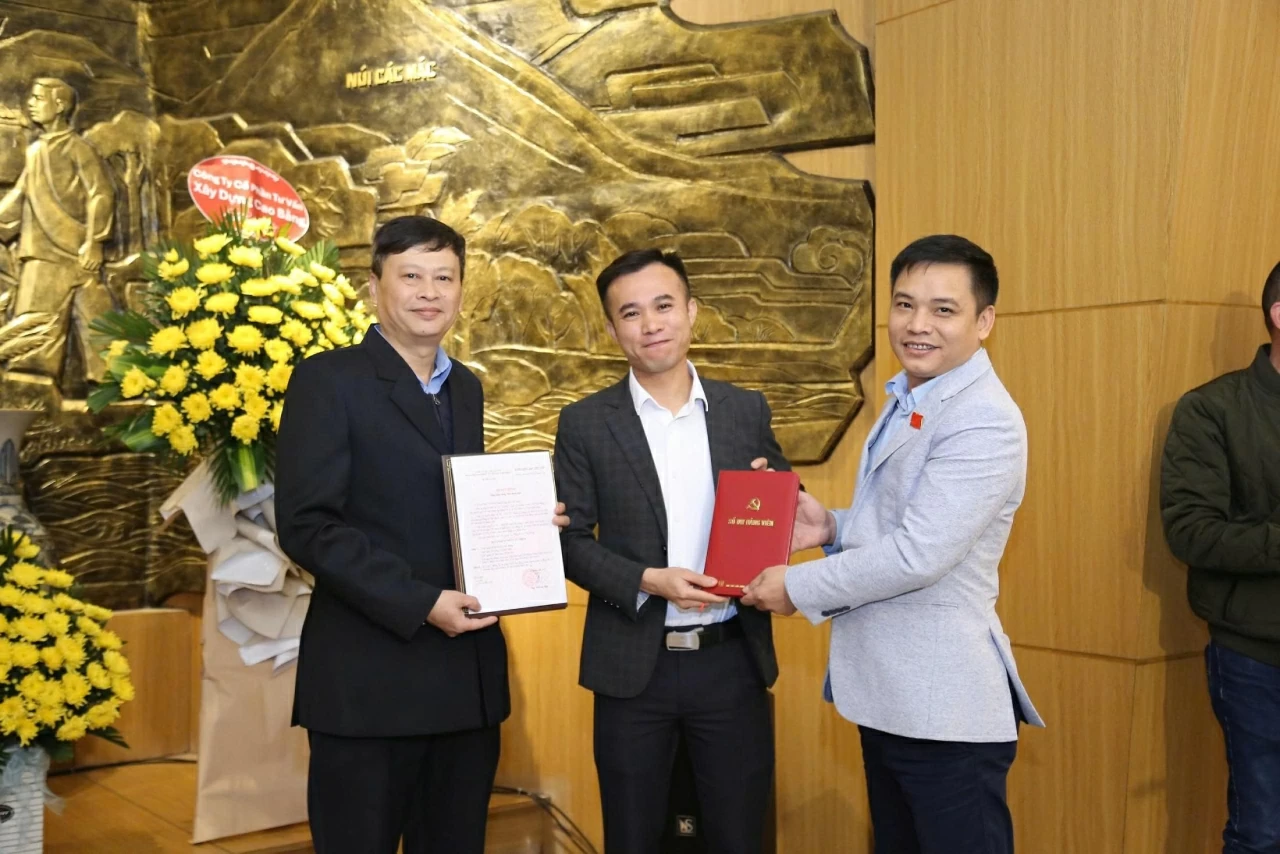 |
| Mr. Le Van Dong, working for the Japanese Embassy in Vietnam (center), was recognized as an official party member during the program. (Photo: Thanh Long) |
The program takes place amidst significant policy adjustments related to labor. What do you consider the most impactful new content for Vietnamese workers employed by foreign organizations in Vietnam?
The Department of Diplomatic Corps Services regularly organizes meetings to disseminate labor law knowledge, not only updating Vietnamese workers on new government policies but also strengthening the bond between the Department and the workers. These events also serve as a networking opportunity for Vietnamese workers employed by foreign organizations.
During the program, delegates and Vietnamese workers were briefed on new legal regulations, including the Social Insurance Law (effective from July 1, 2025), the revised Personal Income Tax Law (effective from July 1, 2026), and the regional minimum wage (effective from January 1, 2026). The discussions also covered policies directly related to working conditions, wages, benefits, and responsibilities of Vietnamese workers employed by foreign entities. The content was presented clearly and practically, enabling workers to easily understand and apply the regulations.
What specific changes do you expect this direct meeting and exchange program to bring in terms of legal awareness and compliance among workers and employing organizations?
As Vietnam increasingly integrates with the region and the world, Vietnamese workers employed by foreign organizations and individuals in Vietnam play an increasingly important role. They contribute positively to promoting cooperation, enhancing people-to-people exchanges, and showcasing the image of Vietnam and its people.
Therefore, regularly organizing meetings, exchanges, and disseminating newly issued legal policies is essential to ensure the legitimate rights and interests of workers. It also raises legal compliance awareness among both Vietnamese workers and foreign organizations.
Vietnamese workers engage daily with foreign organizations, including diplomatic missions. Many hold high positions in foreign organizations, such as regional directors, country directors, chief representatives in Vietnam, senior experts, and chief assistants to foreign representative offices.
If Vietnamese workers have a broad understanding and compliance awareness, they can advise and guide foreign organizations to fully understand and implement Vietnamese laws. They also serve as a bridge to promote the country's image and bring tangible benefits to Vietnam.
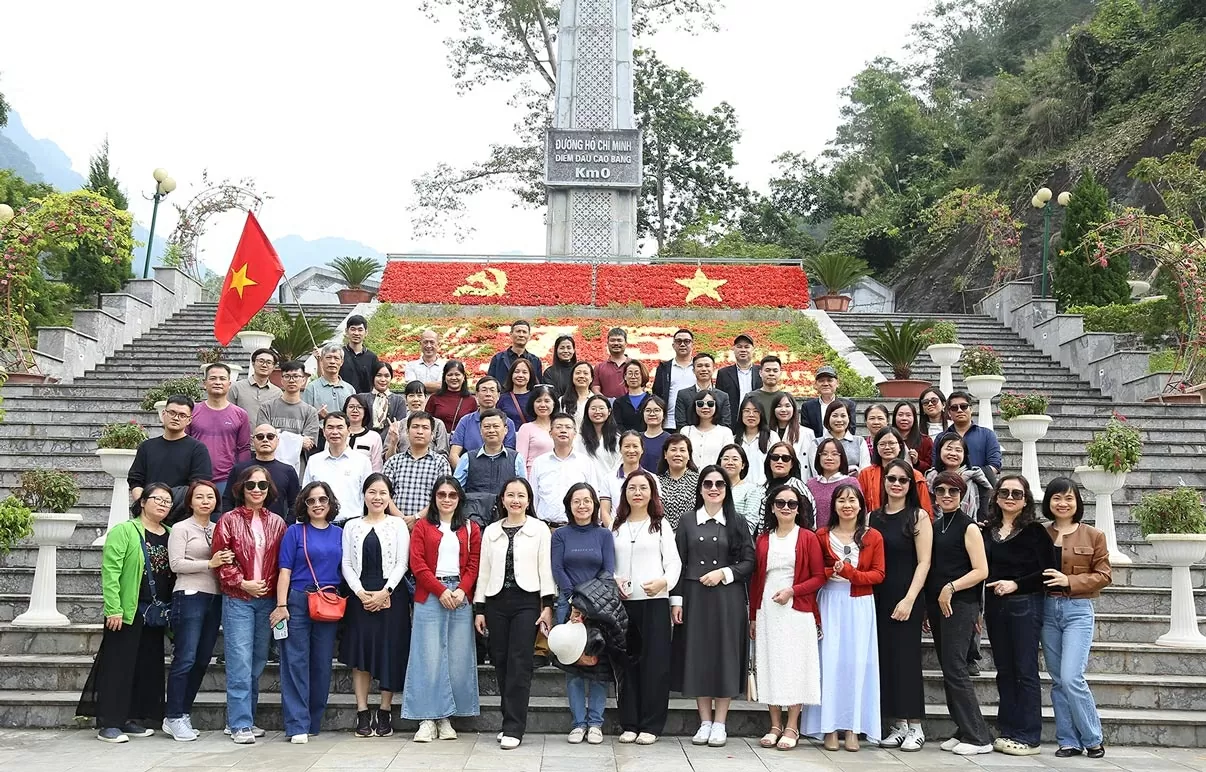 |
| The delegation takes a commemorative photo at Kilometer Marker 0, the starting point of Cao Bang Province. (Photo: Thanh Long) |
From a state management perspective, could you share the long-term direction of the Department of Diplomatic Corps Services in ensuring the rights and legal interests of Vietnamese workers employed by foreign organizations and individuals?
With the authority and responsibility to manage Vietnamese workers employed by foreign organizations and individuals in Vietnam, the Department continues to disseminate the Party's guidelines and the State's policies and laws related to managing Vietnamese workers employed by foreign entities. It clarifies the roles and responsibilities of state management agencies, local authorities, and the cooperative obligations of workers in building a stable, safe, transparent, and law-abiding working environment.
Programs like the recent meeting serve as a two-way communication channel, helping authorities promptly understand the concerns, aspirations, difficulties, and obstacles faced by workers. Additionally, Vietnamese workers must comply with labor management regulations and labor laws and actively cooperate with the Department. Only when Vietnamese workers strictly adhere to regulations can the Department provide maximum support in addressing labor-related issues.