





Digital transformation in education reaches local implementation
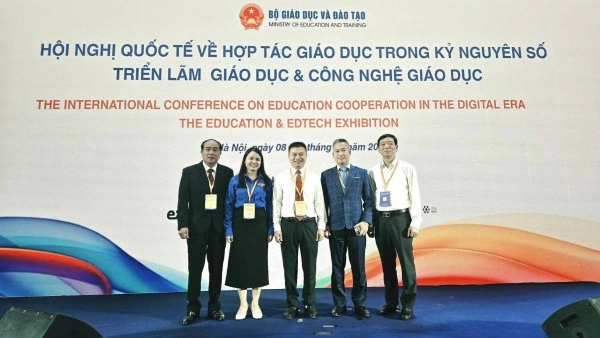
Within the framework of the Education Technology Conference and IECEE 2026 Exhibition on October 8, The Vietnam Foundation (VNF) signed three cooperation agreements with the Bac Ninh Department of Education and Training, the People's Committee of Thuong Lam Commune (Tuyen Quang), and the Ho Chi Minh Communist Youth Union of Quang Tri, continuing to expand activities to promote digital transformation in education in Vietnam.
Latest
The expansion of cooperation aims not only to bring digital learning materials and technology closer to learners but also to integrate these resources into teaching and learning activities, aligning with the practical needs of schools, teachers, and each locality. This is also the direction pursued by the Khan Academy Vietnam (KAV) program through the combination of an online learning platform with training activities, implementation support, and collaboration with partners.
Integrating Technology into Teaching and Learning
Digital transformation in education is not merely about providing technology platforms or online resources. To be effective, solutions need to be integrated into the teaching and learning process, helping teachers utilise appropriate learning materials, monitor learning progress, and support students in developing self-learning capabilities.
Through the KAV Open School model, VNF collaborates with educational institutions to access digital learning materials, use learning management tools, and enhance the capacity to apply technology. The platform provides resources in various fields such as Mathematics and English, while also supporting teachers in monitoring students' learning progress.
Experience from implementation in Quang Tri highlights the role of collaboration between the program and the local education sector in bringing digital learning materials into schools. Since 2024, the program in Quang Tri has recorded over 10,000 learning minutes, more than 9,000 teachers participating in training, and nearly 95,000 student accounts. These results reflect the scale of access and usage of the program locally, and demonstrate the role of combining digital learning materials with training activities, teacher support, and coordinated implementation.
Building on the foundation of school cooperation, VNF continues to expand collaboration in Quang Tri through an agreement with the Provincial Youth Union, bringing digital educational resources closer to union members and young people. This is a continuing development direction, expanding learning opportunities and enhancing digital capabilities for learners beyond the school environment.
 Signing session between educational units and organisations at IECEE 2026.
Mr. Kieu Huy Hoa - VNF representative who directly signed the cooperation agreements, shared: “We believe that digital transformation truly adds value when technology is linked with practical needs and helps learners enhance their capabilities. From the experience of implementing the KAV Open School in Quang Tri, we continue to expand cooperation with localities and organisations to bring digital learning materials closer to the community. Through the KAV Open Class model, VNF aims to accompany localities in promoting the Digital Literacy Movement, helping officials, civil servants, and youth improve their digital skills, use technology safely and effectively, and access practical knowledge such as Internet safety and AI applications in education.”
Expanding Cooperation, Aligning with Local Needs
From the experience of implementation in localities, KAV continues to expand cooperation with partners playing different roles in the educational ecosystem.
In Bac Ninh, the agreement with the Department of Education and Training opens a framework for collaboration to support digital transformation in schools, enhance teacher capacity, and promote the application of digital learning materials, learning management tools, and responsible AI. This is a new development step in KAV's process of expanding cooperation, based on the experience and scale of program implementation in many localities nationwide.
In Thuong Lam Commune, Tuyen Quang, VNF collaborates with local authorities to implement the “Digital Literacy Movement” through the KAV Open Class model, focusing on enhancing digital skills for officials, civil servants, and public employees. In Quang Tri, this model is implemented with the Provincial Youth Union, targeting youth members.
Despite different scopes and target audiences, activities in Bac Ninh, Quang Tri, and Tuyen Quang all emphasise the role of collaboration between educational organisations, management agencies, and the community. From supporting schools in applying the platform to developing digital skills for youth and local officials, all activities aim to bring technology to meet practical needs.
A Platform for Broader Learning Opportunities
To date, the Khan Academy Vietnam program has over 3.5 million learning accounts, recorded over 760 million learning minutes, been implemented in more than 11,000 schools, and supported the training and development of over 150,000 teachers. The program has collaborated with 16 Departments of Education and Training nationwide.
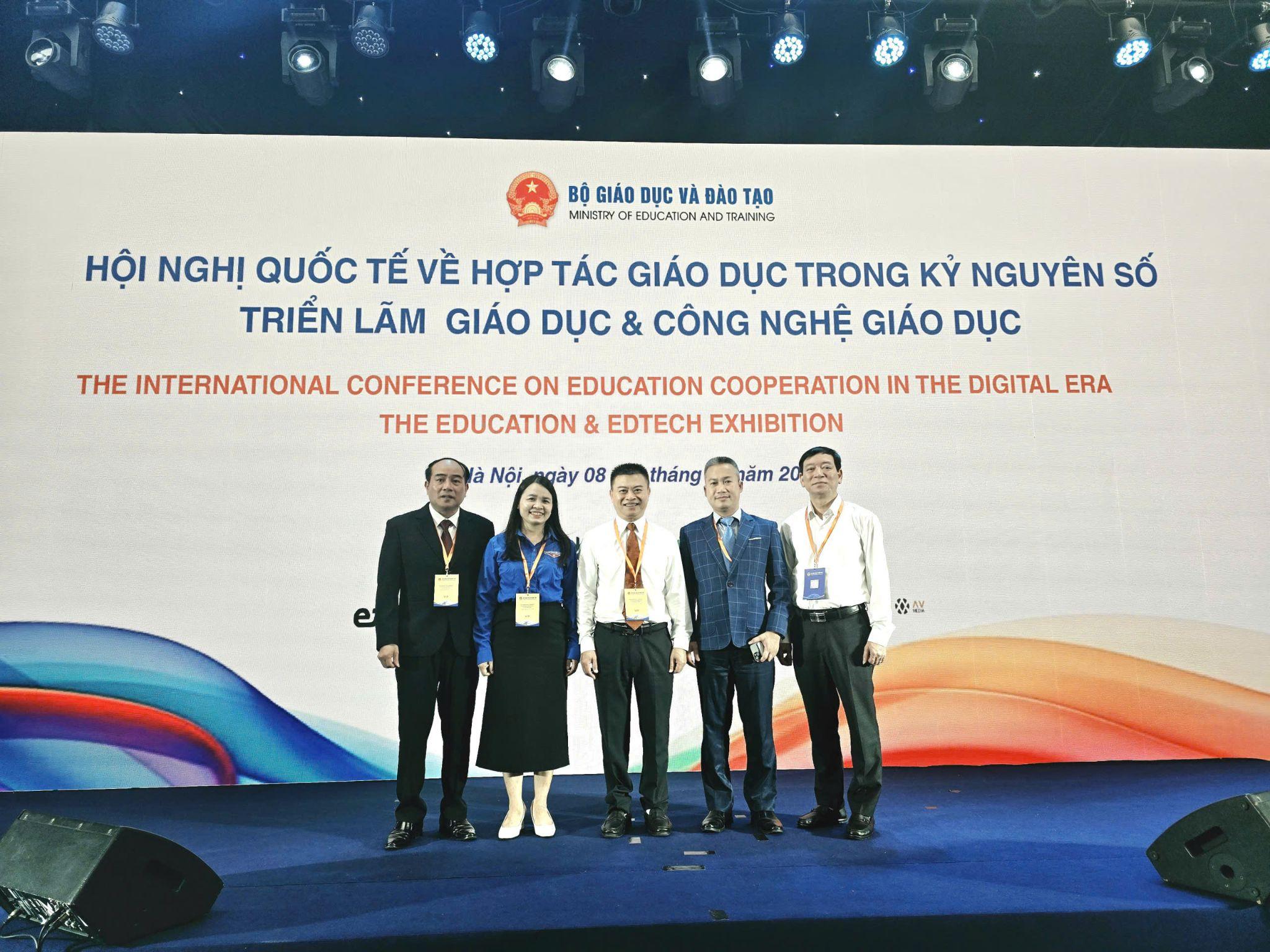 KAV representatives take a commemorative photo with representatives from Bac Ninh Department of Education and Training, Thuong Lam Commune, and Quang Tri Provincial Youth Union.
The Khan Academy District (KAD) learning management system helps teachers monitor students' learning progress and outcomes, while Khanmigo provides AI tools to assist teachers in lesson planning, designing learning activities, and creating student assessment tools.
These resources are combined with training, guidance, and implementation support activities to help teachers and schools effectively utilise the platform. VNF's support activities within the framework of the agreements are provided free of charge, contributing to expanding access to digital educational resources.
Strengthening cooperation in localities continues to affirm the role of long-term companionship in digital transformation in education. When learning materials, technology, and AI are connected with the needs of schools, the capacity of teachers, and the proactive learning ability of learners, digital resources will have more conditions to add value, contributing to enhancing access to high-quality education for the community.