



ASEAN Future Forum 2026 opens with call for strategic mindset in a fragmented, volatile world
WVR - On the morning of June 9 in Hanoi, the 3rd ASEAN Future Forum (AFF 2026) officially commenced with the theme “Shaping Our Future Together: Peace, Prosperity, and People-Centered.” Prime Minister Le Minh Hung attended and delivered a keynote speech at the Forum.
Latest
Live opening of the ASEAN Future Forum 2026
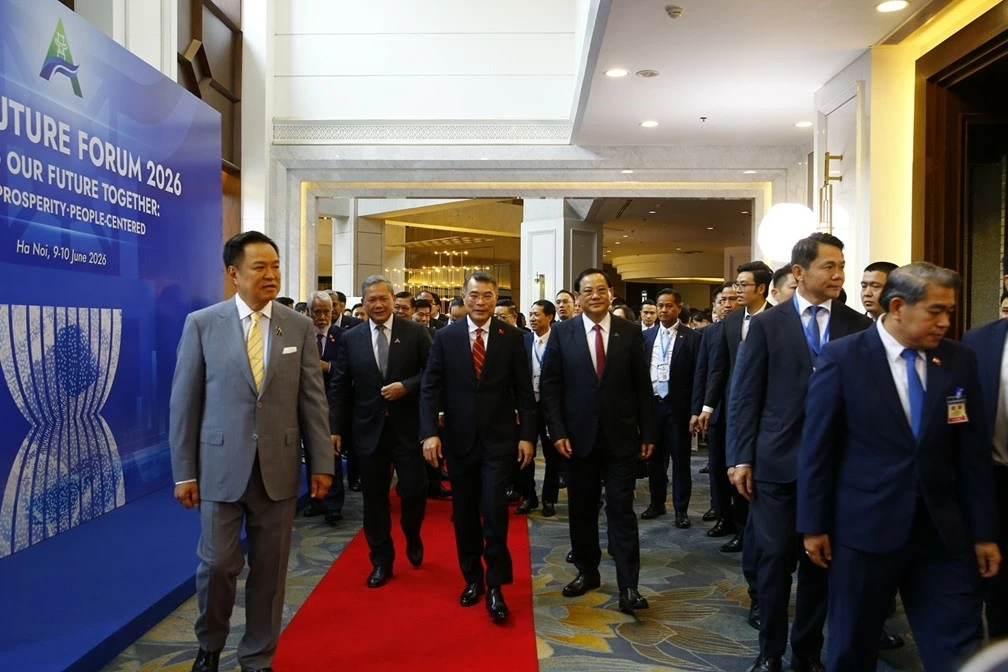 |
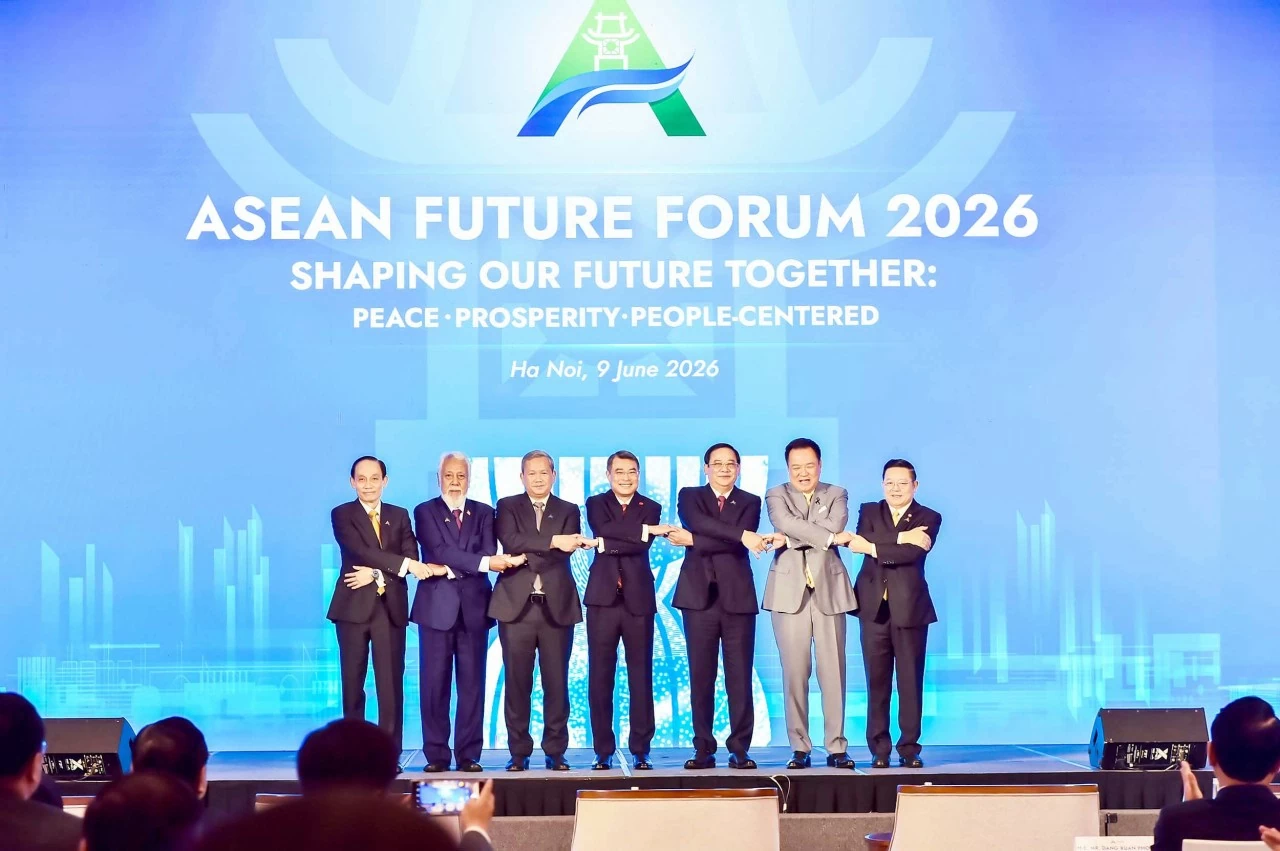
| Prime Minister Le Minh Hung and ASEAN leaders from Laos, Cambodia, Thailand, and Timor-Leste attend the Opening Session of the ASEAN Future Forum. (Photo: Pham Tuan) |
The Opening Session was attended by senior leaders from ASEAN member countries: Mr. Hun Manet, Prime Minister of Cambodia; Mr. Sonexay Siphandone, Prime Minister of Laos; Mr. Anutin Charnvirakul, Prime Minister of the Kingdom of Thailand; Mr. Xanana Gusmao, Prime Minister of Timor-Leste. The event also saw the participation of ASEAN Secretary-General Kao Kim Hourn.
Additionally, the Opening Session featured recorded messages from senior leaders of various countries; leaders of departments, ministries, and sectors; international diplomats; regional and international scholars...
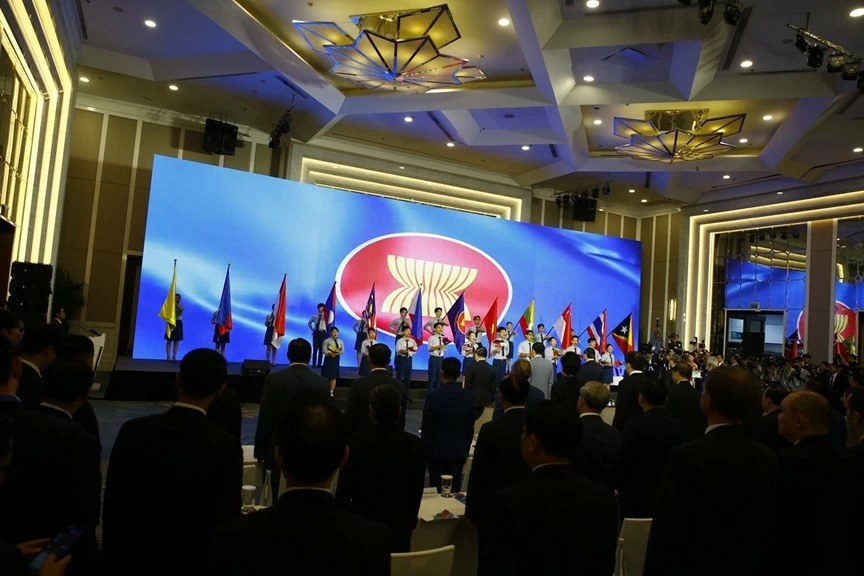 |
| Choir: "ASEAN Song" performed by students of the Diplomatic Academy. (Photo: Pham Tuan) |
In his welcoming remarks at the Opening Session, Politburo Member and Minister of Foreign Affairs Le Hoai Trung emphasized that the presence of high-level leaders from ASEAN countries, Timor-Leste, the ASEAN Secretary-General, representatives of international organizations, scholars, businesses, and localities reflects the growing interest in ASEAN's future and demonstrates a spirit of solidarity and shared responsibility in shaping the region's development trajectory in the new phase.
Minister Le Hoai Trung stated that the ASEAN Future Forum was initiated by Vietnam with the desire to create "an open, substantive, and forward-looking dialogue space," bringing together policymakers, researchers, the business community, and partners within and outside the region to exchange ideas, share initiatives, and contribute to the ASEAN Community-building process.
 |
| Prime Minister Le Minh Hung with leaders from Laos, Cambodia, Thailand, Timor-Leste, and the ASEAN Secretary-General at the Opening Session. (Photo: Pham Tuan) |
The positive response from member countries and international partners from the very first sessions indicates a growing need for a multidimensional forum capable of connecting strategic ideas with ASEAN's policy-making process.
Addressing the current regional and global context, Minister Le Hoai Trung noted that the world is undergoing profound changes with increasing strategic competition, polarization, distrust, and instability becoming more complex, leading to many emerging transnational challenges.
In this context, he expressed hope that the Forum will "create more opportunities for diplomacy, dialogue, mutual understanding, and cooperation," thereby becoming a practical support channel for the ASEAN Community-building process in the coming decades.
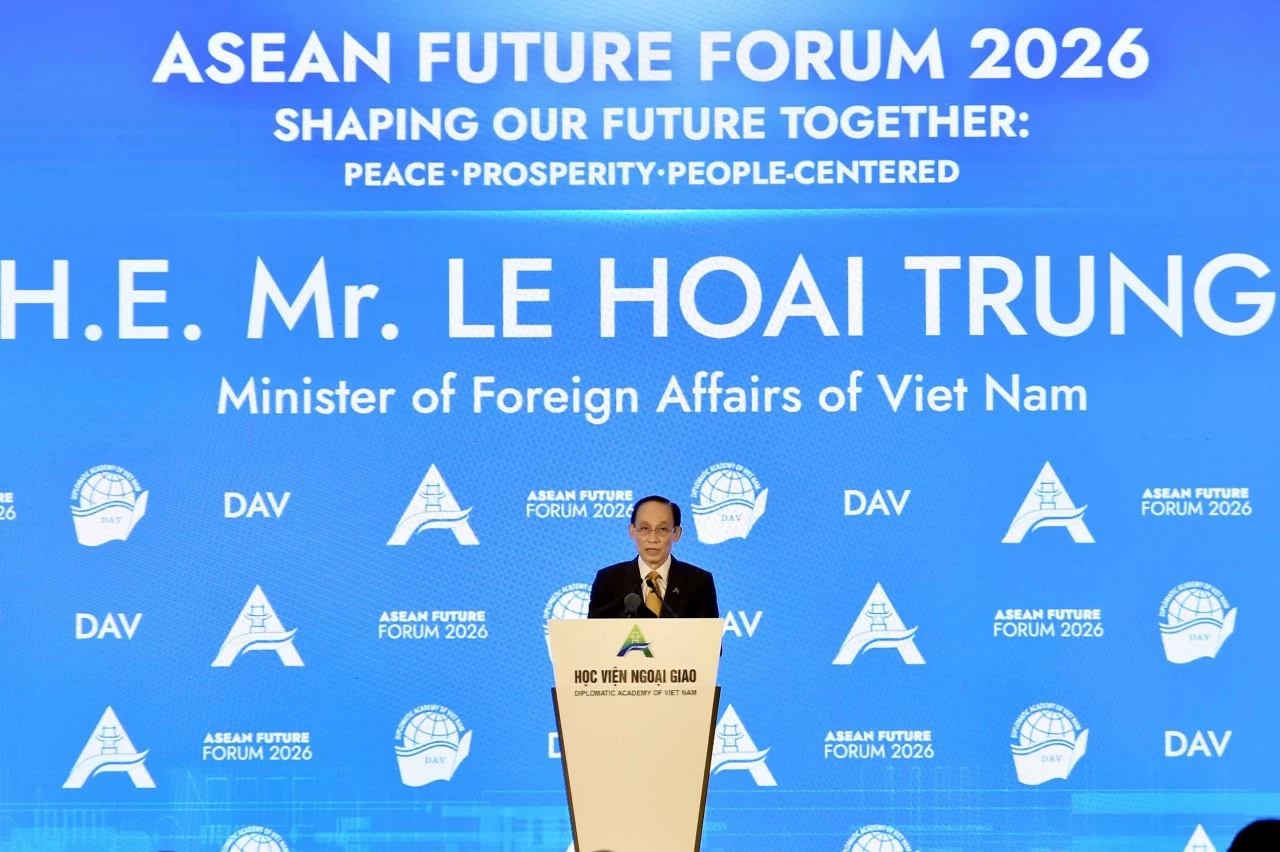 |
| Politburo Member and Minister of Foreign Affairs Le Hoai Trung delivers a welcome speech at the Opening Session. (Photo: Quang Hoa) |
According to the Minister, with the theme "Shaping Our Future Together: Peace, Prosperity, and People-Centered," this year's Forum focuses on discussing strategic issues for ASEAN, from strengthening intra-regional solidarity, enhancing resilience and strategic autonomy, conflict prevention to areas shaping the region's future such as digital transformation, green transition, energy security, artificial intelligence, and financial technology.
These are all topics with far-reaching impacts on ASEAN's development trajectory, requiring member countries to enhance coordination and seek new approaches to governance and regional cooperation.
The head of Vietnam's Foreign Ministry also emphasized that the unique feature of the ASEAN Future Forum lies in its openness and inclusiveness, as this framework is not limited to exchanges between government leaders but also attracts the participation of political parties, localities, research institutes, businesses, and social organizations.
According to the Minister, the connection between these entities can create multidimensional perspectives, spark new initiatives, and breakthrough solutions for realizing the ASEAN Community Vision 2045.
Affirming the goal of aiming for an ASEAN that is "united, resilient, dynamic, innovative, and people-centered," Minister Le Hoai Trung stated that the Association's strength will be built from the collective efforts of each member country, thereby continuing to affirm ASEAN's central role and position in the evolving regional architecture.
AFF 2026 aims to promote the building of a more resilient and sustainable ASEAN community while contributing ideas for ASEAN's future.
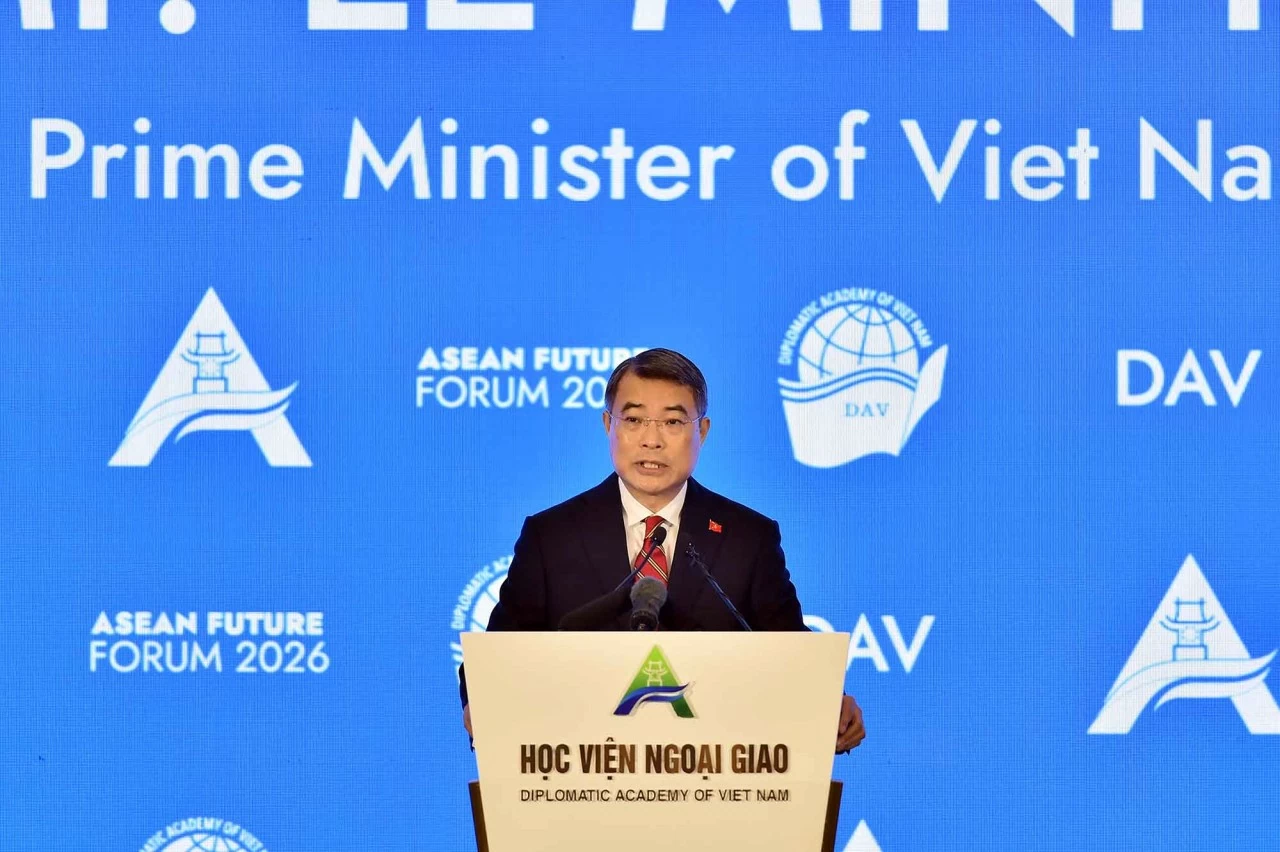 |
| Prime Minister Le Minh Hung delivers a keynote speech at the Opening Session. (Photo: Quang Hoa) |
Questions about the future in the 21st century
In his keynote speech at the Opening Session, Prime Minister Le Minh Hung affirmed that the ASEAN Future Forum 2026 holds special significance as the forum's theme reflects the core values ASEAN is pursuing and sets the direction for the association's future in the coming phase.
According to the Prime Minister, in the context of profound global changes, the question is not only how ASEAN will adapt but how ASEAN will shape its own future in the 21st century.
After 57 years of formation and development, ASEAN's greatest achievement is not only its population of nearly 700 million people or its position as one of the most dynamic growth centers in the world, but in its efforts to rise above differences, build trust, and expand cooperation to become a united, resilient, and diverse community.
The Prime Minister emphasized that if the past nearly six decades have been a journey to build ASEAN's identity, the coming decades will be a journey to shape ASEAN's future in a world where the fundamental rules of economics, technology, and global power are being rewritten.
Technology is redefining competitiveness, artificial intelligence is redefining productivity, and data is redefining power, while the green transition is redefining the development model. At such a pivotal moment, the Prime Minister noted that the advantage does not only belong to countries with large resources but also to countries and regions capable of participating in shaping the new rules and norms of the era.
Vietnam believes that ASEAN needs and must become an active participant in that process. Not only adopting global trends but also being a driving force to help shape those trends. To realize this aspiration, ASEAN needs to continue to promote the spirit of solidarity, resilience, and unity in diversity. The values that have made its success but with a more creative approach: consensus on values but dynamic in action, steadfast in principles but innovative in methods, maintaining identity but proactively creating opportunities in the face of new era changes.
On the journey to realize the ASEAN Community Vision 2045, the Prime Minister stated that ASEAN needs to aim for three strategic responses:
First, not only participating in global trends but also contributing to shaping those trends. For decades, ASEAN has been one of the leading regions in peace, integration, and open trade. But in a world increasingly fragmented and fiercely competitive, ASEAN needs a stronger voice in participating in building new norms, rules, and cooperation structures, resolving differences based on international law. ASEAN needs to become a center of dialogue, a focal point of cooperation, and a pillar of trust.
Second, not only being a production center but also a center of innovation and creativity. Labor advantages and geographical location have made ASEAN an important link in the global supply chain. But in the digital age, the future belongs not only to economies that produce but also to those that innovate.
ASEAN should not only be a place where technology is consumed but must become a place where technology is created, not only a place where supply chains pass through but must become a place where value chains are shaped. This requires ASEAN to invest more strongly in science and technology, innovation, the digital economy, and high-quality human resources, moving towards forming a technology and digital ecosystem with ASEAN identity, while making practical contributions to the formation of global common standards.
Third, not only a community of nations but also a true community of people. The ultimate goal of all development strategies is not growth figures but the quality of life of the people. According to the Prime Minister, innovation that increases the gap is not progress, and growth without inclusiveness cannot be sustainable.
Therefore, a successful ASEAN is not only measured by GDP but by the opportunities created for the younger generation, the roles given to women, the protection for vulnerable groups, and the extent to which each citizen feels this is truly the community they belong to.
Affirming the greatest value ASEAN has demonstrated over nearly 60 years is the ability to turn differences into cooperation, unity without eliminating diversity, and integration while maintaining its own identity, the Prime Minister believes ASEAN will continue to promote those values to contribute positively to peace, cooperation, and development in the region and the world.
On that journey, the Prime Minister stated that Vietnam is strongly committed to continuing to accompany ASEAN with the aspiration to create the future with all its heart and mind, as Vietnam's future is tied to ASEAN's future, as well as to the common peace, stability, and prosperity of the entire region.
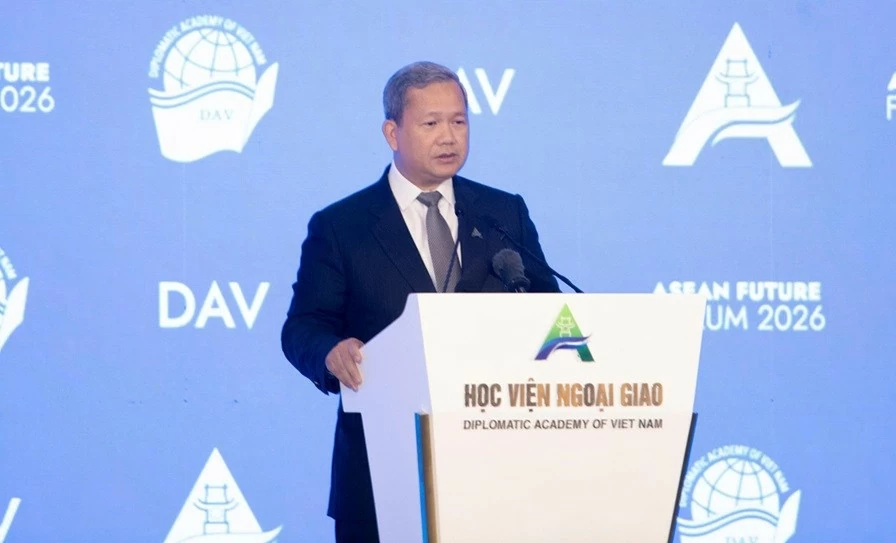 |
| Cambodian Prime Minister Hun Manet assesses that ASEAN has undergone a significant transformation journey, from a region once divided by conflict, ideological differences, and lack of trust to becoming one of the most stable and dynamic regions in the world. (Photo: Anh Binh) |
Peace is not a given
Assessing the theme "Shaping Our Future Together: Peace, Prosperity, and People-Centered," Cambodian Prime Minister Hun Manet stated that the theme accurately reflects the urgent needs of the region in the context of the world facing profound security, economic, and developmental changes.
According to the Cambodian Prime Minister, ASEAN needs to soberly recognize the current challenges to peace, stability, and growth, thereby identifying appropriate steps to strengthen regional cooperation. The Prime Minister emphasized that the Forum is an important opportunity for countries to engage in frank exchanges, assess emerging issues, and jointly seek practical solutions for ASEAN's future.
Reflecting on the Association's development journey, Prime Minister Hun Manet assessed that ASEAN has undergone a significant transformation journey, from a region once divided by conflict, ideological differences, and lack of trust to becoming one of the most stable and dynamic regions in the world.
According to the Prime Minister, this achievement is the result of strategic choices based on dialogue, trust-building, respect for sovereignty, non-interference in internal affairs, and peaceful dispute resolution. "Peace today cannot be taken for granted," the leader emphasized, noting that conflicts in many regions around the world are showing the increasingly complex nature of modern security challenges, from cyber warfare, proxy competition to information campaigns.
These instabilities not only affect global security but also disrupt supply chains, increase inflationary pressures, energy prices, and food security for many countries.
Addressing regional issues, the head of the Cambodian Government reaffirmed Phnom Penh's commitment to neighbourly cooperation, emphasizing the need for coordinated handling of cross-border challenges such as transnational crime, drug trafficking, human trafficking, and environmental degradation.
Prime Minister Hun Manet also affirmed Cambodia's continued support for the full implementation of the Declaration on the Conduct of Parties in the East Sea (DOC) and the early completion of a substantive and effective Code of Conduct in the East Sea (COC) to maintain peace and stability in this strategically significant maritime area for the entire region.
In economic terms, the Cambodian Prime Minister noted that the world is simultaneously affected by multiple crises, from the prolonged aftermath of the COVID-19 pandemic to inflation, rising interest rates, and geopolitical tensions. In this context, Prime Minister Hun Manet stated that building a resilient and closely linked ASEAN economy is a strategic requirement.
According to the Cambodian Prime Minister, no country can meet all its development needs alone in an increasingly interdependent world. Therefore, ASEAN needs to continue promoting free trade and investment, strengthening the rules-based multilateral trading system, accelerating regional economic integration, developing infrastructure, enhancing connectivity, and promoting innovation. These efforts will contribute to enhancing ASEAN's competitiveness, creating more jobs, and maintaining the region's role as a key growth driver of the global economy.
Emphasizing that people are at the center of the Community-building process, Prime Minister Hun Manet stated that ASEAN's ultimate goal must be to improve the quality of life, ensure security, welfare, and development opportunities for its people.
The Cambodian leader called on countries to invest more in education, skills training, and the development of young human resources, while promoting social inclusion, protecting vulnerable groups, and enhancing cooperation in areas such as climate change, disaster management, and public health.
Looking to the future, the head of the Cambodian Government stated that ASEAN needs to continue strengthening its institutions, improving the effectiveness of the ASEAN Secretariat, and promoting the participation of stakeholders, from businesses, scholars to social organizations.
"Peace is a prerequisite for development, while prosperity is the ultimate goal of the ASEAN community-building process," Prime Minister Hun Manet affirmed, calling on member countries to continue working together to build a more peaceful, secure, and prosperous ASEAN for future generations.
 |
| Laotian Prime Minister Sonexay Siphandone outlines four major directions for ASEAN's future in the new context. (Photo: Quang Hoa) |
Four strategic directions
Sharing at the Forum, Laotian Prime Minister Sonexay Siphandone assessed that the AFF has become an important platform for countries to exchange views and jointly seek common approaches to address emerging regional and global challenges.
Recalling Laos' role as ASEAN Chair in 2024, Prime Minister Sonexay Siphandone stated that he had emphasized the importance of strengthening solidarity and unity in responding to common challenges. To date, this remains an urgent task for ASEAN.
With the current international context, the Laotian Prime Minister noted that the world is witnessing rapid and complex changes with increasing strategic competition among major powers, prolonged geopolitical tensions, and conflicts in many regions, particularly in the Middle East, directly impacting global energy and food security.
In this context, he emphasized that ASEAN needs to continue maintaining solidarity, enhancing resilience, and promoting its central role based on ASEAN's foundational principles and methods. At the same time, ASEAN needs to enhance its capacity to respond to emerging challenges, ensuring it remains a reliable platform for consultation, cooperation, and preventive diplomacy, thereby turning challenges into opportunities for the region's benefit.
Sharing about ASEAN's future, the Laotian Prime Minister outlined four major directions. First, ASEAN needs to continue adhering to its core principles and ASEAN methods, maintaining the Association's leadership role and central position, while promoting multilateral cooperation to ensure regional peace, stability, and security.
Second, ASEAN needs to enhance comprehensive resilience to adapt to new trends, especially in the context of digital technology and artificial intelligence (AI) profoundly changing the way countries live, work, and develop. Prime Minister Sonexay Siphandone noted that AI could become a new driver for economic growth, innovation, and regional competitiveness.
However, if not managed appropriately, AI could also widen development gaps and destabilize labor markets. With the characteristic of being a region with an important agricultural foundation, ASEAN needs to promote AI application in agriculture to enhance disaster forecasting, climate change response, smart agriculture development, and long-term food security.
Third, the Laotian Prime Minister emphasized the need to promote comprehensive integration and connectivity within ASEAN, including road, waterway, maritime, and air connectivity, as well as the development of energy networks, logistics, and related infrastructure.
The Laotian Prime Minister specifically mentioned strategic connectivity projects such as the Vientiane-Hanoi expressway and the Laos-Vietnam railway project along the East-West Economic Corridor, considering them important drivers to promote trade, maintain supply chains, and enhance people-to-people exchanges in the region.
Fourth, the Laotian Prime Minister called for strengthening intra-regional cooperation to ensure energy security by promoting the transition to clean and sustainable energy sources such as hydropower, solar power, and wind power. According to Prime Minister Sonexay Siphandone, Laos has great potential in clean energy and is ready to facilitate ASEAN countries and international partners to increase investment in infrastructure for regional energy connectivity.
 |
| Thai Prime Minister Anutin Charnvirakul stated that to realize its potential, ASEAN needs to continue leveraging the strategic assets that have made the Association successful over the past half-century. (Photo: Quang Hoa) |
Strategic balance and central role
Speaking at the Opening Session, Thai Prime Minister Anutin Charnvirakul noted that ASEAN stands at a critical juncture as the world becomes increasingly fragmented, strategic competition intensifies, global supply chains face numerous disruptions, technology develops at an unprecedented pace, and climate change continues to exert increasing pressure on nations. According to Prime Minister Anutin Charnvirakul, these changes pose challenges to ASEAN while also opening opportunities for the region to assert its role and position in the rapidly shifting international context.
The Thai Prime Minister stated that while many regions around the world are experiencing instability and turmoil, ASEAN has the potential to become one of the most stable regions globally and an attractive destination for investment flows seeking a safe and reliable development environment.
To realize this potential, ASEAN needs to continue leveraging the strategic assets that have made the Association successful over the past half-century. According to the Thai leader, the ability to harmonize national interests with regional interests is the foundation that helps ASEAN maintain stability, strengthen intra-regional solidarity, and become a partner many major countries choose to cooperate with.
Emphasizing the need to maintain ASEAN's central role in the evolving regional architecture, Prime Minister Anutin Charnvirakul affirmed that ASEAN needs to promote greater cohesion rather than create more distance, even as competition among major powers intensifies.
According to the head of the Thai Government, ASEAN-led mechanisms have proven effective in creating space for partners to engage in cooperation on an equal basis, thereby contributing to strategic balance and maintaining the Association's central position. "ASEAN must continue to maintain this strategic mindset," the Thai Prime Minister emphasized, considering it an important condition for the region to adapt to changes in the international environment.
In addition to strategic issues, the Thai leader particularly emphasized the need to link regional cooperation more closely with the practical interests of the people. According to the Thai Prime Minister, ASEAN's success should not be measured by the number of conferences or declarations adopted but by the level of safety, prosperity, and people's confidence in the future.
Prime Minister Anutin Charnvirakul stated that the ASEAN youth are facing both opportunities and challenges from the technological revolution, especially the rapid development of artificial intelligence (AI). This requires member countries to enhance coordination in addressing issues that directly impact daily life, such as online fraud, cybercrime, public health risks, and natural disasters, while continuing to invest in education, skills training, healthcare, and social welfare systems to better prepare for future changes.
While affirming that the regional integration process has achieved many important results, the current challenge is for ASEAN to enhance its adaptability to the increasingly complex changes in the international environment. The head of the Thai Government expressed confidence that the diversity of institutions, development levels, and cultural characteristics has created ASEAN's unique strength, helping the region maintain intra-regional solidarity, expand relations with partners, and uphold its role in the evolving regional architecture.
Emphasizing Thailand's readiness to closely coordinate with member countries and partners, Prime Minister Anutin Charnvirakul stressed that ASEAN needs to continue promoting the spirit of cooperation, strengthening trust, and turning current challenges into drivers for growth, innovation, and sustainable development in the future.
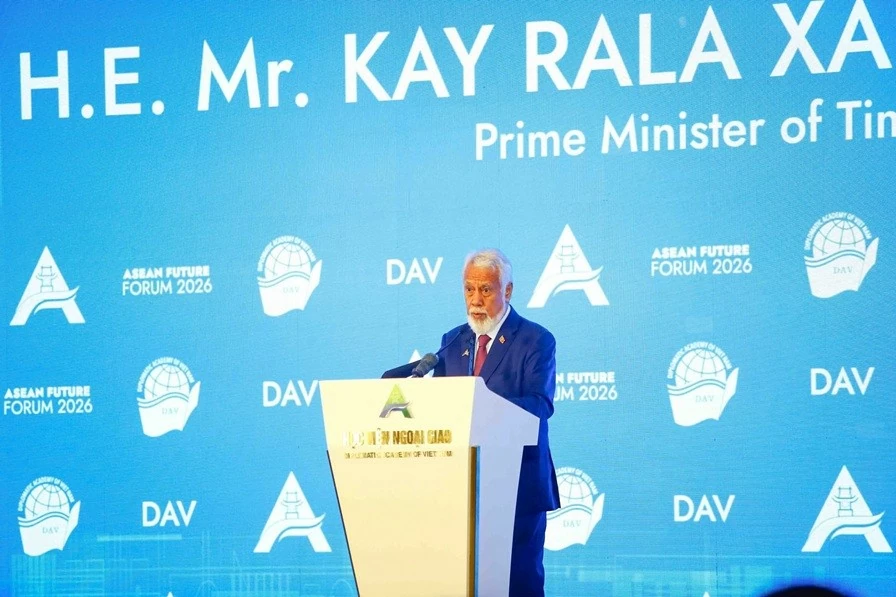 |
| Timor-Leste Prime Minister Xanana Gusmao calls on ASEAN to promote solidarity, uphold international law, and become a voice for peace in an increasingly polarized world. (Photo: Pham Tuan) |
A model for dialogue
Timor-Leste Prime Minister Xanana Gusmao attended the ASEAN Future Forum for the first time as an official ASEAN member—a particularly significant milestone.
In the context of the world facing increasing conflicts, geopolitical tensions, challenges to international law, and the rapid development of artificial intelligence (AI), Prime Minister Xanana Gusmao stated that ASEAN continues to be a model for dialogue, cooperation, and the ability to reconcile differences. According to the Timor-Leste Prime Minister, the diversity of history, culture, and institutions has become a source of strength for ASEAN to maintain peace and stability in the region.
Mr. Xanana Gusmao called on ASEAN to promote solidarity, uphold international law, and become a voice for peace in an increasingly polarized world. Core principles such as respect for sovereignty, consensus, peaceful dispute resolution, and ASEAN's central role need to continue to be preserved and promoted.
Addressing AI, the Timor-Leste Prime Minister warned of the risk of inequality and the concentration of technological power in the hands of a few countries and enterprises. He emphasized that ASEAN needs to proactively build common cooperation and digital governance frameworks, ensuring technology serves people and inclusive development, rather than increasing societal divides.
The head of the Timor-Leste Government stated that Timor-Leste is ready to learn from ASEAN's experience, contribute positively to the community, and work with member countries to build a peaceful, resilient, inclusive, and prosperous region.
 |
| Prime Minister Le Minh Hung (center) and delegates attend the Forum. (Photo: Quang Hoa) |
Strength lies in the spirit of collective action
Sending a recorded message to the Forum, Philippine President Ferdinand Marcos Jr. praised Vietnam's initiative in organizing the forum, stating that the theme "Shaping Our Future Together: Peace, Prosperity, and People-Centered" shares many similarities with the theme of the Philippines' ASEAN Chairmanship Year 2026, "Navigating Our Future,Together."
According to President Marcos, ASEAN stands at a decisive turning point as strategic competition increases, multilateral norms are challenged, supply chains are disrupted, and new technologies are transforming the economy, society, and security environment. He noted that global changes are no longer theoretical issues but are directly impacting ASEAN people's lives through rising energy and food prices, trade disruptions, and risks to citizens. In this context, he emphasized that ASEAN needs to maintain solidarity, strengthen its central role, enhance dialogue, proactively forecast, and coordinate actions to effectively address increasingly complex challenges.
The Philippine President stated that energy security, food security, and ensuring safety and welfare for ASEAN citizens are urgent regional priorities. The President emphasized the importance of substantive cooperation, including promoting the implementation of the ASEAN Power Grid, as a strategic investment to enhance the region's resilience. At the same time, ASEAN needs to maintain the flow of essential goods, enhance supply chain resilience, strengthen information sharing, and have timely response mechanisms when ASEAN citizens face dangers from external crises.
He also noted that ASEAN is entering a new phase of economic transformation, requiring development models to adapt to geoeconomic fragmentation trends, technological impacts, climate pressures, and the demand for more inclusive growth. Accordingly, the region needs to promote deeper integration, enhance connectivity, build more resilient supply chains, support micro, small, and medium-sized enterprises, and ensure the regional agenda always places people at the center.
Addressing artificial intelligence and emerging technologies, President Marcos stated that these technologies should contribute to strengthening rather than increasing societal divides. He emphasized that people must always be at the center of the technological transformation process, and AI should be developed in a safe, ethical, responsible, fair, and sustainable manner.
The Philippine President affirmed that the ASEAN Future Forum is an important space to connect immediate priorities with the region's long-term transformation goals. He stated that although ASEAN faces many serious challenges, the region has repeatedly overcome financial crises, natural disasters, geopolitical tensions, and global pandemics.
According to him, ASEAN's strength lies in its ability to consult, cooperate, and act together. He expressed confidence that if ASEAN continues to maintain unity, a substantive approach, and a people-centric focus, the region will not only respond to the future but also proactively shape its own future.
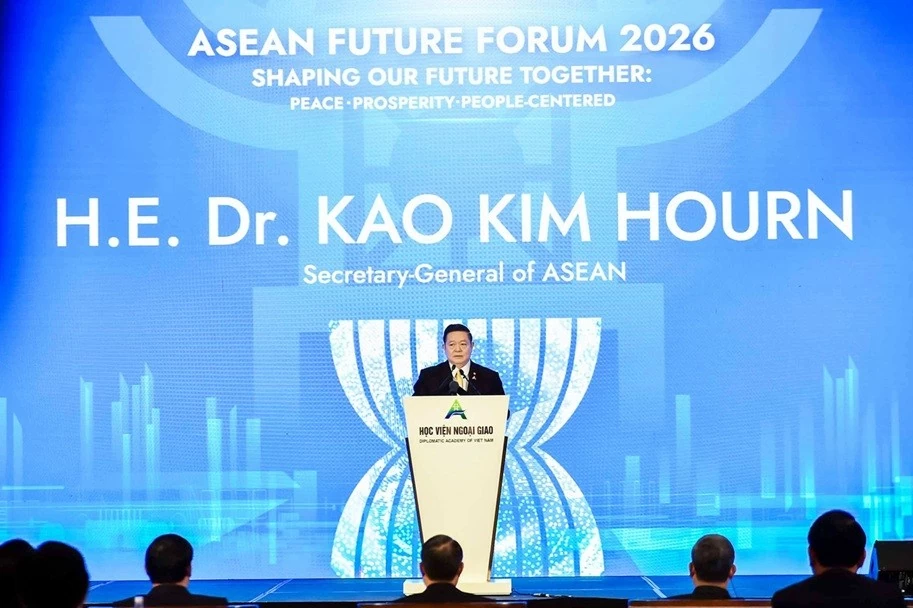 |
| ASEAN Secretary-General Kao Kim Hourn speaks at the Forum. (Photo: Quang Hoa) |
Two major lessons of ASEAN
Speaking at the ASEAN Future Forum 2026, ASEAN Secretary-General Kao Kim Hourn stressed that the theme "Shaping Our Future Together: Peace, Prosperity, and People-Centered" is particularly relevant in the context of the world undergoing profound changes. According to him, geopolitical competition is increasing, armed conflicts continue in many regions, economic fragmentation trends are becoming more evident, while technological breakthroughs are transforming social life at a pace faster than many countries can adapt.
"The world today is simultaneously facing crises of geopolitical competition, economic fragmentation, and a crisis of trust," Secretary-General Kao Kim Hourn noted, emphasizing that no country or region can effectively address these global challenges alone. The ASEAN Secretary-General stated that implementing the ASEAN Community Vision 2045 is taking place in an increasingly complex international environment, requiring ASEAN to build strong collective capacity and political determination to realize long-term goals.
In this context, the ASEAN Future Forum is considered an important dialogue space, connecting leaders, policymakers, businesses, scholars, civil society representatives, and the younger generation to discuss the region's strategic issues.
According to Mr. Kao Kim Hourn, the important thing is not only identifying challenges but also the ability to seek opportunities, strengthen resilience, and answer major questions about ASEAN's position, role, and autonomy in an increasingly intense strategic competition environment.
Addressing the impacts of global crises, the ASEAN Secretary-General emphasized that international developments, even occurring thousands of kilometers away from Southeast Asia, can directly affect markets, supply chains, investment flows, and people's livelihoods in the region.
He described the current vulnerabilities through the concept of "four Fs," including Food, Fuel, Fertilizer, and Finance—areas where external shocks can quickly spread to ASEAN's economy and society.
According to him, resilience needs to be approached in a broader sense, including energy security, food security, financial stability, supply chains, labor mobility, and social welfare. "Strengthening these platforms is essential to protect the peace, prosperity, and lives of ASEAN people," Secretary-General Kao Kim Hourn emphasized.
Assessing ASEAN's response to current challenges, Mr. Kao Kim Hourn stated that the region has acted with urgency and clear direction. The ASEAN Secretary-General reiterated the priorities agreed upon by ASEAN leaders, including ensuring energy security, food security, and protecting ASEAN citizens from the impacts of global crises.
According to Secretary-General Kao Kim Hourn, the biggest challenge now is not the lack of cooperation mechanisms but how to make the established frameworks truly effective. He cited examples of the ASEAN Petroleum Security Agreement, the ASEAN Power Grid, the ASEAN Trade in Goods Agreement (ATIGA), ASEAN 1 FTAs, the Regional Comprehensive Economic Partnership (RCEP), and the ASEAN Digital Economy Framework Agreement (DEFA) being promoted. According to Secretary-General Kao Kim Hourn, the task is to accelerate the implementation of these mechanisms to enhance energy connectivity, strengthen supply chains, and improve the region's economic resilience.
Furthermore, the ASEAN Secretary-General affirmed that dialogue and multilateralism continue to be ASEAN's core values in a world witnessing a decline in multilateral cooperation. The Secretary-General stated that ASEAN-led mechanisms such as the East Asia Summit (EAS), the ASEAN Regional Forum (ARF), ASEAN 3, and ADMM continue to play important roles in building trust and promoting substantive cooperation.
Reflecting on nearly six decades of ASEAN's development, he emphasized that the two biggest lessons are that collective action is always more effective than individual efforts and that every challenge can become an opportunity for transformation. "ASEAN rarely has absolute certainty, but ASEAN always has the spirit of acting together despite differences and the ability to turn adversity into advantage," Secretary-General Kao Kim Hourn stated, expressing confidence that if this spirit continues to be promoted, ASEAN will maintain its central role, adaptability, and position as a positive, responsible force in the evolving regional and global architecture.
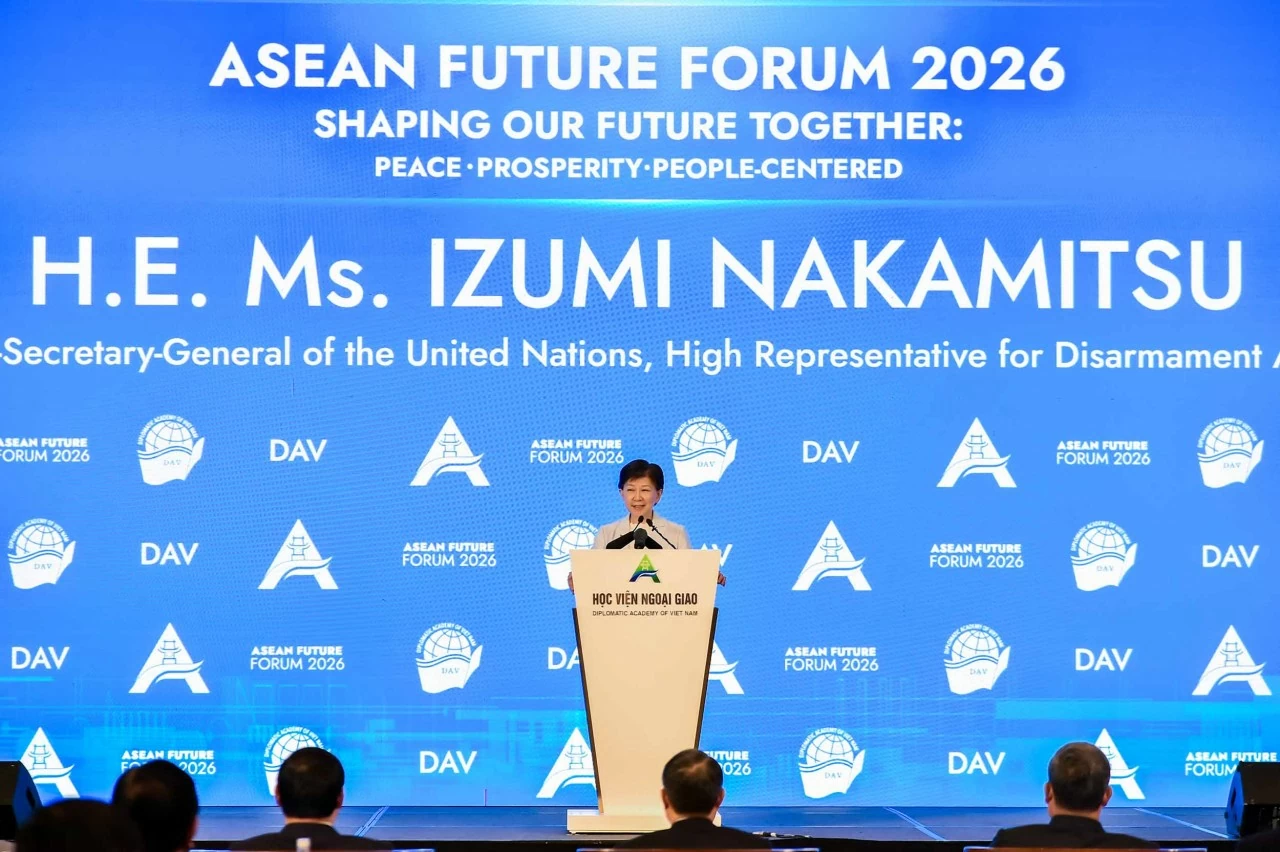 |
| Ms. Izumi Nakamitsu - UN Under-Secretary-General and High Representative for Disarmament Affairs acknowledges ASEAN and Vietnam's active role in promoting disarmament, non-proliferation, and maintaining dialogue within the NPT framework. (Photo: Quang Hoa) |
The NPT Treaty remains the foundation of international security
Ms. Izumi Nakamitsu - UN Under-Secretary-General and High Representative for Disarmament Affairs noted that the world is facing the highest level of geopolitical tension in decades, as competition among major powers increases, trust between nations declines, military spending rises sharply, and long-standing international norms face erosion.
According to her, the current crises are not only military but also entail political, humanitarian, and supply chain consequences, requiring comprehensive solutions based on international law and a people-centered approach.
She warned about the erosion of disarmament norms, the re-emergence of nuclear weapons as a tool of deterrence and coercion, the weakening of international humanitarian principles, and the increasing trend of militarization globally. These developments are changing the international security environment towards instability and unpredictability.
In this context, she assessed that ASEAN has a particularly important role due to its experience in promoting dialogue, building consensus, preventive diplomacy, and peaceful dispute resolution. At the same time, she emphasized the significance of rules-based regional cooperation mechanisms in the context of strategic competition spreading to new areas such as cyberspace, outer space, and artificial intelligence (AI).
Addressing the issue of nuclear non-proliferation, she affirmed that the Non-Proliferation Treaty remains the foundation of international security, while acknowledging ASEAN and Vietnam's active role in promoting disarmament, non-proliferation, and maintaining dialogue within the NPT framework. Accordingly, regional commitments such as the Bangkok Treaty contribute to strengthening global norms and protecting the legitimacy of international law.
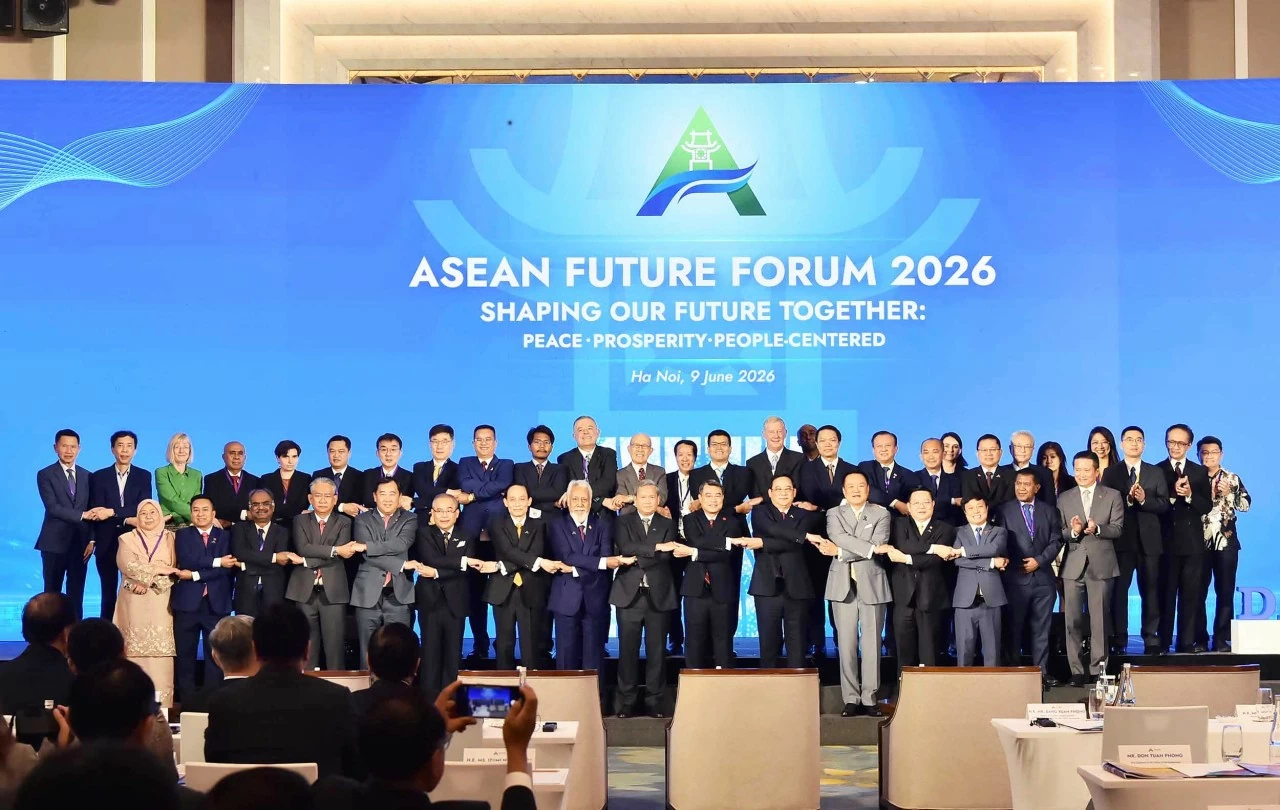 |
| Delegates take a group photo after the Opening Session of the Forum. (Photo: Quang Hoa) |
She also noted that the rapid development of AI, digital technology, and automated systems poses many new challenges to global security, from technological arms races to governance and control issues. Therefore, the international community needs to enhance multilateral cooperation, build appropriate governance frameworks to ensure technology serves peace, development, and the common interests of humanity.
Some images from the Forum:
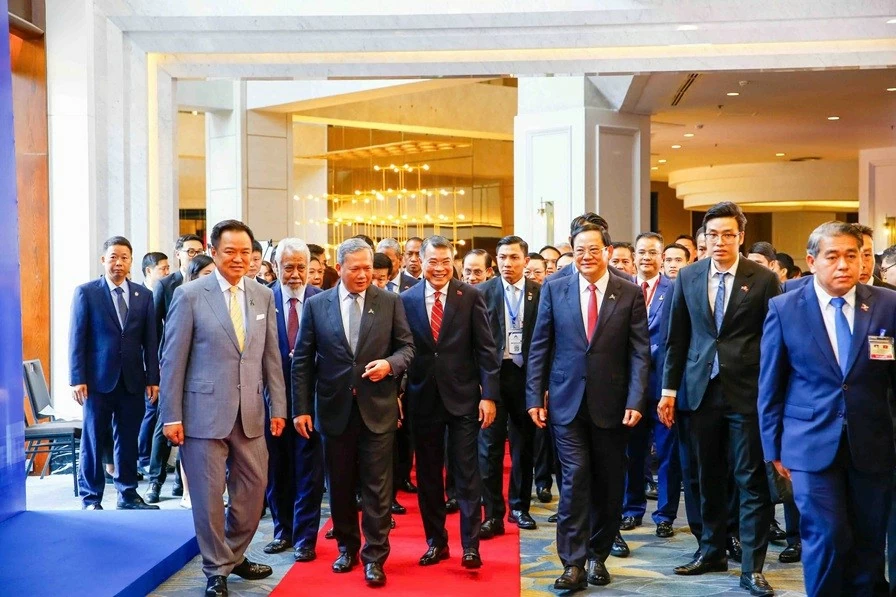 |
| Delegates enter the hall for the Opening Session of the ASEAN Future Forum 2026. (Photo: Pham Tuan) |
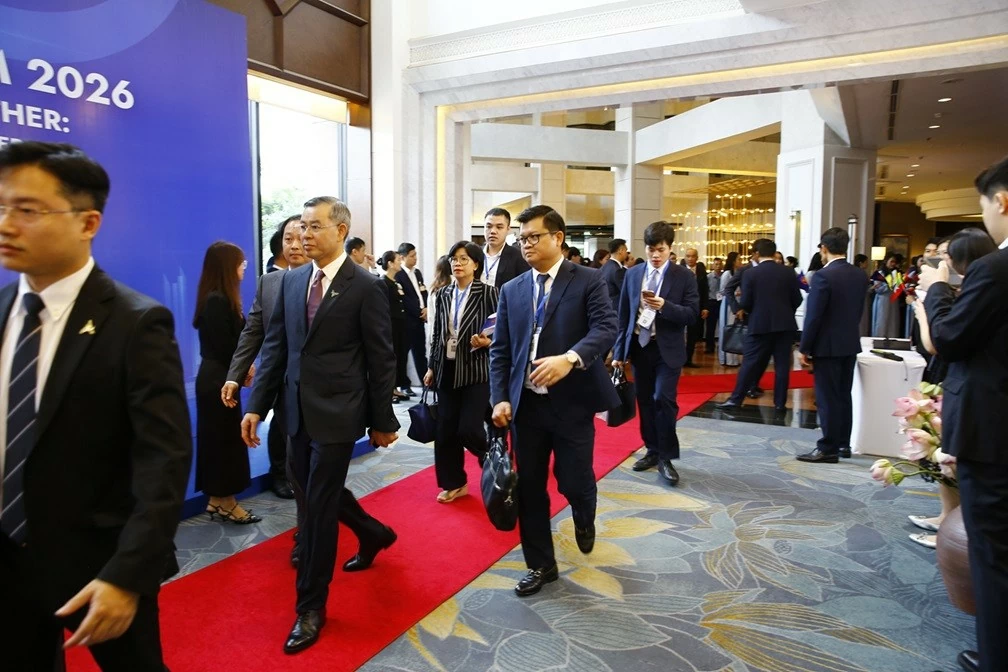 |
| The Forum gathers policymakers, researchers, the business community, and partners within and outside the region to exchange ideas. (Photo: Pham Tuan) |
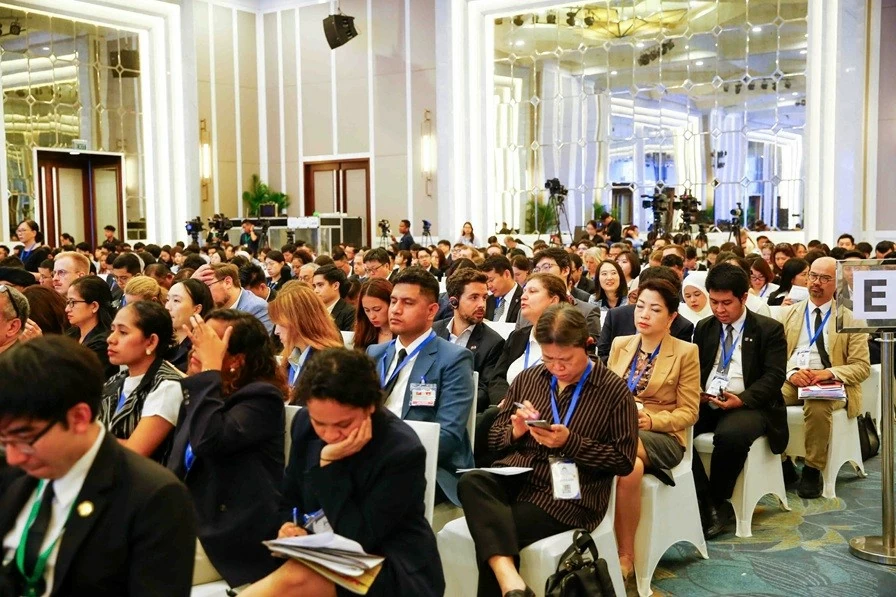 |
| A large number of delegates attend the Opening Session of the ASEAN Future Forum 2026, in Hanoi on the morning of June 9, 2026. (Photo: Pham Tuan) |
Tags:
Association of Southeast Asian Nations (ASEAN)
ASEAN Future Forum 2026
Prime Minister Le Minh Hung
Cambodian Prime Minister Samdech Thipadei Hun Manet
Lao Prime Minister Sonexay Siphandone
Thai Prime Minister Anutin Charnvirakul
ASEAN Secretary-General Kao Kim Hourn
Foreign Minister Le Hoai Trung
opening session