


Ambassador Nguyen Quoc Dung: Vietnam spreads a humanitarian message at Dialogue on War Legacies
WVR - On October 21, attending the Dialogue on War Legacie at the Stimson Center, Ambassador Nguyen Quoc Dung shared Vietnam's proactive efforts and proposed enhancing international cooperation, mobilizing information, technology, and resources for humanitarian missions.
Latest
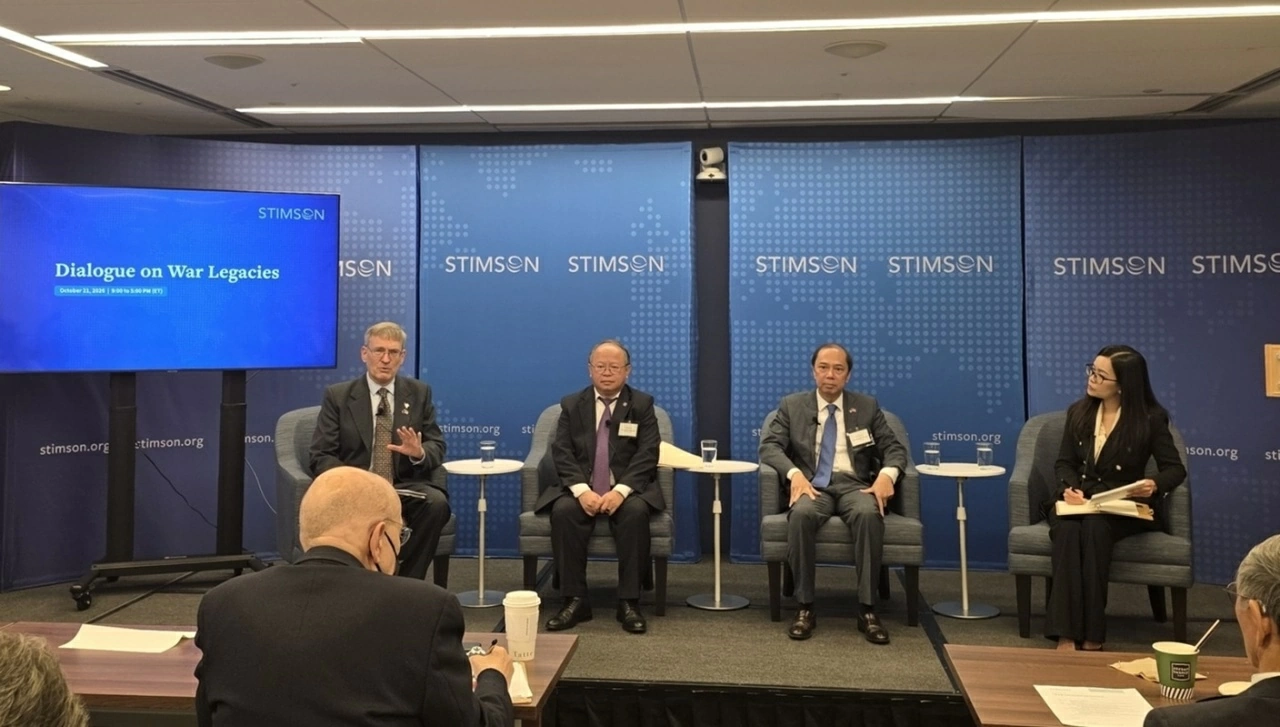 |
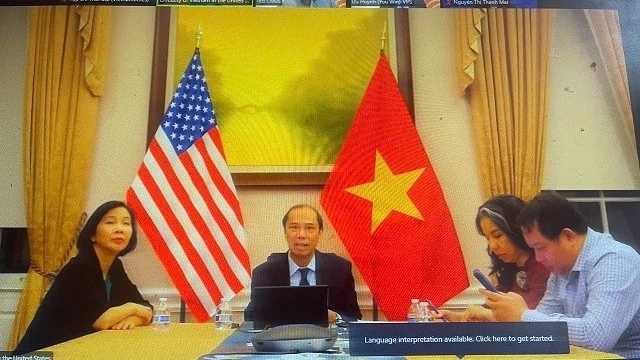
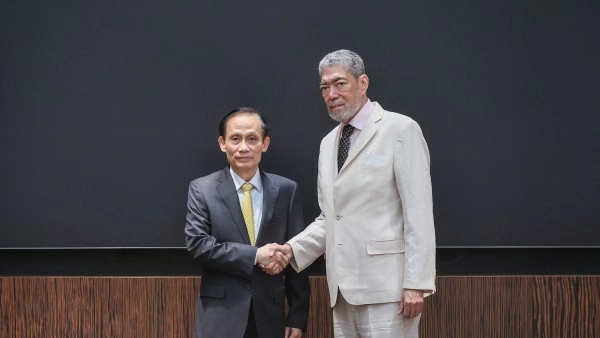
| Vietnamese Ambassador to the United States Nguyen Quoc Dung attends the Dialogue on War Legacies. (Source: Vietnamese Embassy in the United States) |
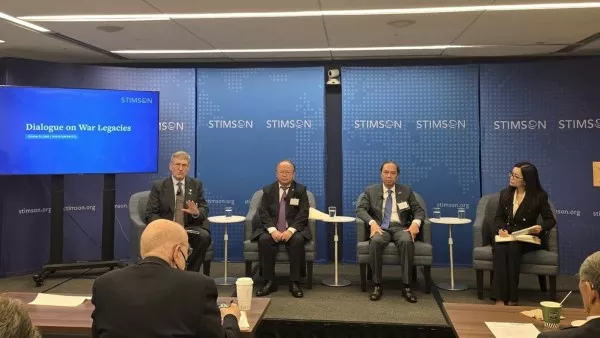
The dialogue, organized by the Stimson Center and the War Legacies Working Group in Washington D.C., focused on national efforts and international cooperation in addressing war consequences in Southeast Asia.
During the roundtable discussion, Vietnamese Ambassador to the United States Nguyen Quoc Dung, along with Lao Ambassador Phoukhong Sisoulath and Cambodian Embassy Counselor Tan Solita, shared their countries' priorities. The discussion was moderated by expert Andrew Wells-Dang from the Stimson Center.
Ambassador Nguyen Quoc Dung emphasised that overcoming war consequences is both a profound moral responsibility and a direct requirement for the safety and livelihood of the people. Vietnam continues to proactively allocate budgets, apply technology, and conduct activities such as bomb and mine clearance, pollution treatment, care for those affected by Agent Orange, and the search for missing soldiers.
Affirming that cooperation in overcoming war consequences is a crucial foundation for reconciliation and trust between Vietnam and the United States, the Ambassador welcomed new agreements between the two countries. The United States will provide an additional approximately 130 million USD for the dioxin contamination treatment project at Bien Hoa airport, bringing the total aid for the project to about 430 million USD, and allocate around 91 million USD to support disabled individuals, initially in Ca Mau and Quang Ngai.
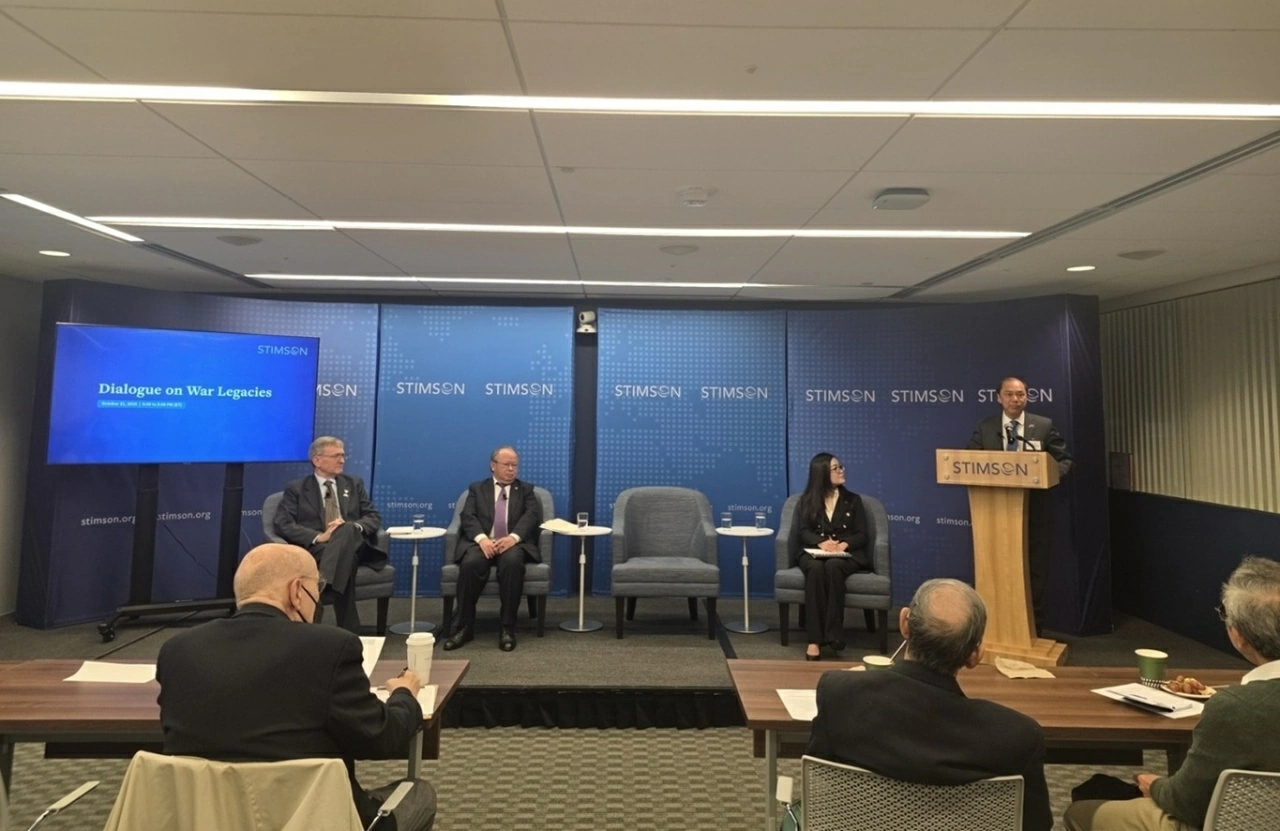 |
| Ambassador Nguyen Quoc Dung speaks at the Seminar. (Source: Vietnamese Embassy in the United States) |
Sharing about the “500 Days and Nights Campaign”, the Ambassador stated that the campaign aims to search for and gather approximately 7,000 martyr remains. Within the campaign's framework, forces have cleared over 18,000 hectares of land contaminated with bombs and explosives and gathered more than 3,600 remains.
The Ambassador noted the urgency of the mission as the former battlefield terrain changes, traces fade, and veterans and witnesses age. Therefore, it is necessary to combine Vietnam's records, documents, and witness accounts with the United States' wartime archives, forensic expertise, and DNA technology.
The Ambassador announced that soon, Vietnamese experts will collaborate with Texas Tech University to continue research at the National Archives in College Park, Maryland. Approximately 2–3 million pages of documents potentially containing relevant information may provide crucial leads for locating martyr remains.
The Ambassador appreciated the contributions of PeaceTrees Vietnam, Mission: POW-MIA, Texas Tech University, the US-ASEAN Business Council, along with organizations, veterans, and US businesses; he expressed a desire for more partners to join this humanitarian mission.
The program also included a special session on the search for missing Vietnamese soldiers and the “500 Days and Nights Campaign”, alongside sessions on mines, victim support, environmental consequences, and resources for programs in Southeast Asia.
Ambassador Nguyen Quoc Dung asserted that cooperation and support programs need to be maintained, expressing hope for more sustainable resources for these programs, emphasising that cooperation on missing soldiers should be strengthened, and that changes in people's lives should be the measure of success.
(Source: Vietnamese Embassy in the United States)