






Vietnam is a key partner in Ocean Governance: Australian Ambassador Gillian Bird
WVR - Sharing with the World and Vietnam Report on the sidelines of the 15th Ocean Dialogue, Australian Ambassador to Vietnam Gillian Bird underscored Vietnam’s efforts to advance the implementation of the BBNJ Agreement, saying they demonstrate the country’s strong commitment not only to ocean protection, but also to multilateral institutions and international cooperation.
Latest
 |
| Vietnam is praised for being one of the first countries to ratify the BBNJ agreement. (Photo: UN News) |
How do you evaluate Vietnam being one of the first countries to ratify the BBNJ - The Biodiversity Beyond National Jurisdiction (BBNJ) Agreement?
First of all, congratulations to Vietnam for being one of the first countries to ratify the BBNJ Agreement. This demonstrates Vietnam's strong engagement and commitment—not just to ocean protection, but also to its active role in multilateral organizations and international cooperation.
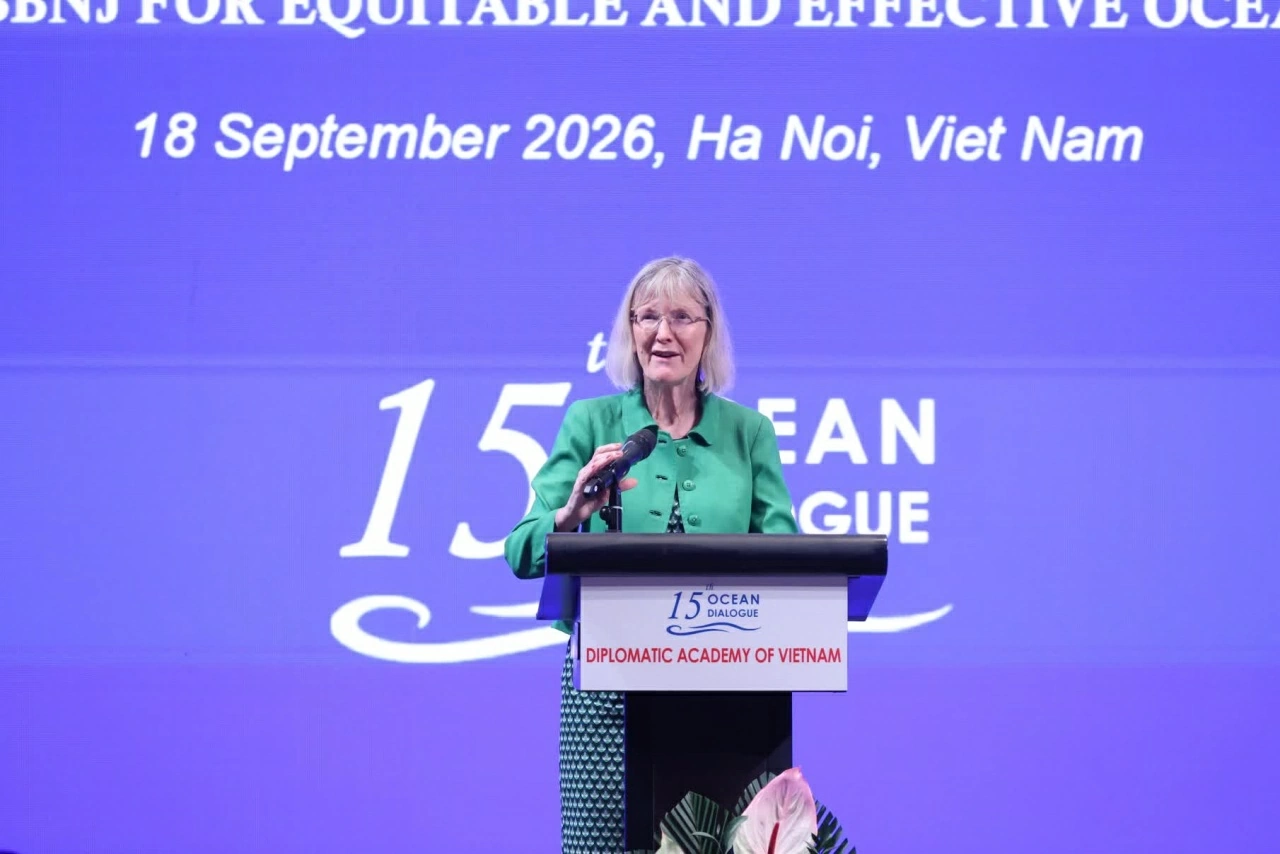 |
| Australian Ambassador to Vietnam Gillian Bird. (Photo: Thanh Long) |
However, for all state parties, including Vietnam, there are challenges ahead. The BBNJ is a highly technical and significant agreement, meaning there is substantial work to be done. The immediate priority is establishing the necessary frameworks. While Vietnam already has the legislative foundation in place, developing the institutional frameworks and building the technical expertise required for full implementation is crucial. We view this as a prime area for cooperation. Australia and Vietnam share a strong partnership, just as we do with other Southeast Asian nations. Negotiating this treaty took over 20 years due to its sheer complexity; thus, it is vital that we work together to ensure its effective implementation.
What specific steps should Vietnam prioritize in these initial stages to translate its commitments under the BBNJ Agreement into concrete policies and effective marine governance practices?
It fundamentally comes down to establishing the right legislative and institutional frameworks. This involves clarifying jurisdictional responsibilities—knowing exactly who is in charge of what area—and providing targeted training to guarantee the appropriate technical expertise is available. This is a shared challenge for all parties. Moving forward, both regional and international cooperation will be essential to achieving these goals.
Drawing on the experiences of other nations, are there specific models or approaches Vietnam should consider when implementing this agreement?
We already have strong collective experience in ocean governance. The UN Convention on the Law of the Sea (UNCLOS) 1982 is the absolute bedrock of everything we do in the maritime domain; it is our foundational document. Vietnam is a highly active and steadfast party to UNCLOS, which is critical in this region, particularly concerning the South China Sea.
Vietnam’s commitment was rightfully recognized with the recent election of Associate Professor Dr. Nguyen Thi Lan Anh as a judge on the International Tribunal for the Law of the Sea (ITLOS). This is a highly prestigious appointment - marking the first time a Vietnamese judge has served on this tribunal and Australia was absolutely delighted to support her candidacy and witness this milestone.
 |
How do you evaluate international cooperation in general, and the Australia-Vietnam partnership specifically, in advancing the implementation of the BBNJ?
Cooperation is absolutely critical, and it is being perfectly demonstrated at today’s event, the 15th Ocean Dialogue. This initiative stems from a longstanding partnership between the Diplomatic Academy of Vietnam and the Australian Embassy. Over time, it has expanded to include more partners, serving as a prime example of our broader bilateral cooperation.
Australia and Vietnam are robust regional and multilateral partners. We are thrilled to see Vietnam playing an increasingly prominent role not only within ASEAN but also on the global stage at the UN. This progress is fantastic because both our nations are deeply committed to multilateralism, the rule of law, and working collaboratively to ensure these principles are effectively put into practice.
Given that every nation has its own internal legal framework, how can countries effectively coordinate their domestic laws with the BBNJ Agreement for seamless implementation?
This is precisely why dialogues like today’s are so important. Every country has a different legal system and unique administrative approaches. Exchanging insights and understanding how other nations are tackling implementation is vital to ensuring effective coordination. The more forums we have to share these experiences, the smoother the implementation of the BBNJ will be globally.
Lastly, how exactly does the BBNJ agreement complement or enhance compliance with the Law of the Sea for all stakeholders?
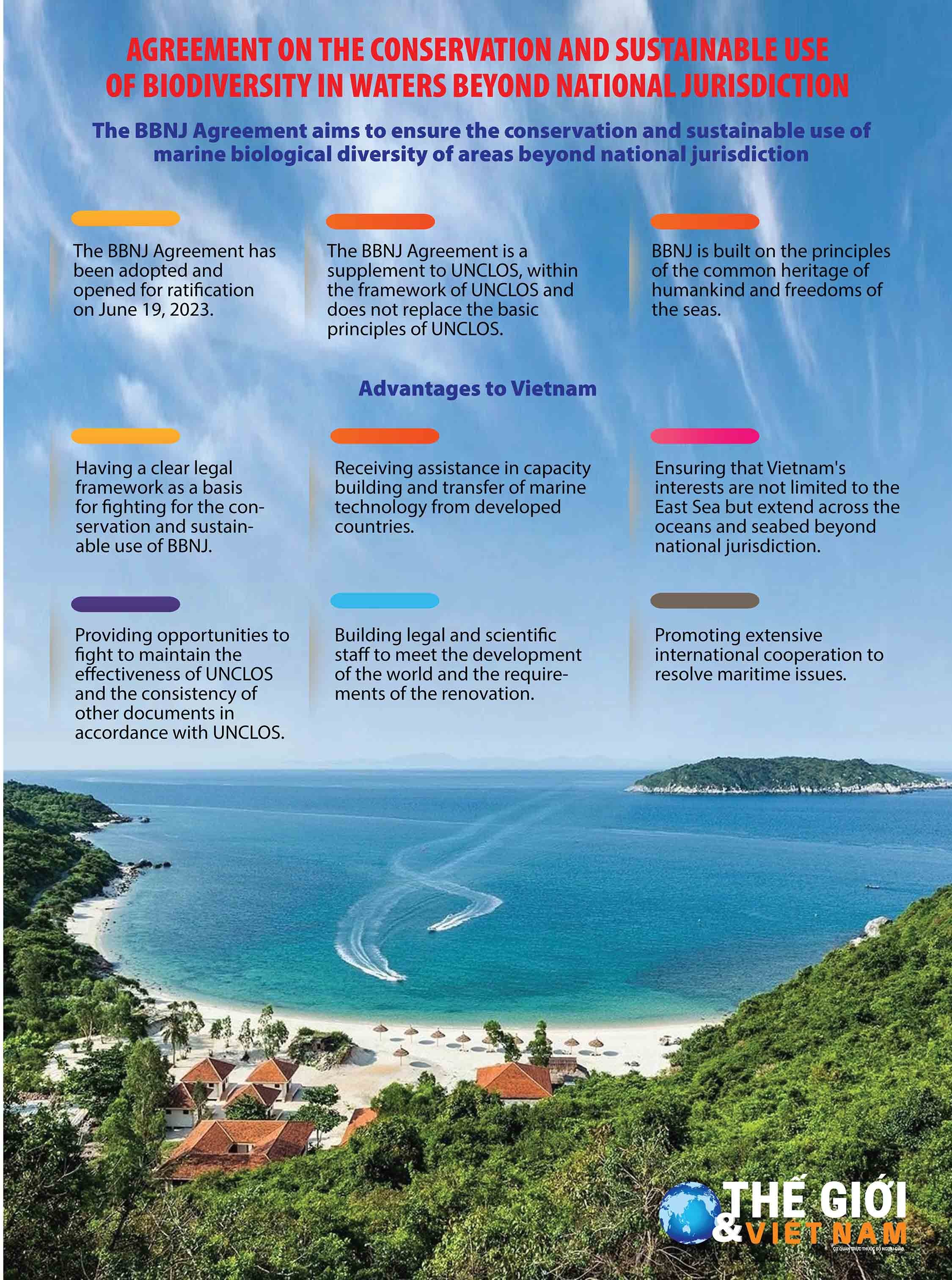
The BBNJ is a crucial new component of the multilateral machinery designed to govern the oceans. The world's oceans are vast, covering an enormous part of the globe. While UNCLOS remains the foundational treaty, we need supplementary agreements like the BBNJ to address previously unregulated areas - specifically, the conservation of marine biodiversity in areas beyond national jurisdiction. It represents a vital missing piece of the puzzle. However, for it to achieve its intended impact, it must be effectively implemented by all parties.
Thank you, Ambassador!


