





Vietnam capitalizes on opportunities to boost space technology
Backed by its foundational technological base and timely policy support, Vietnam's space sector is now well-positioned to achieve major breakthroughs.
Latest
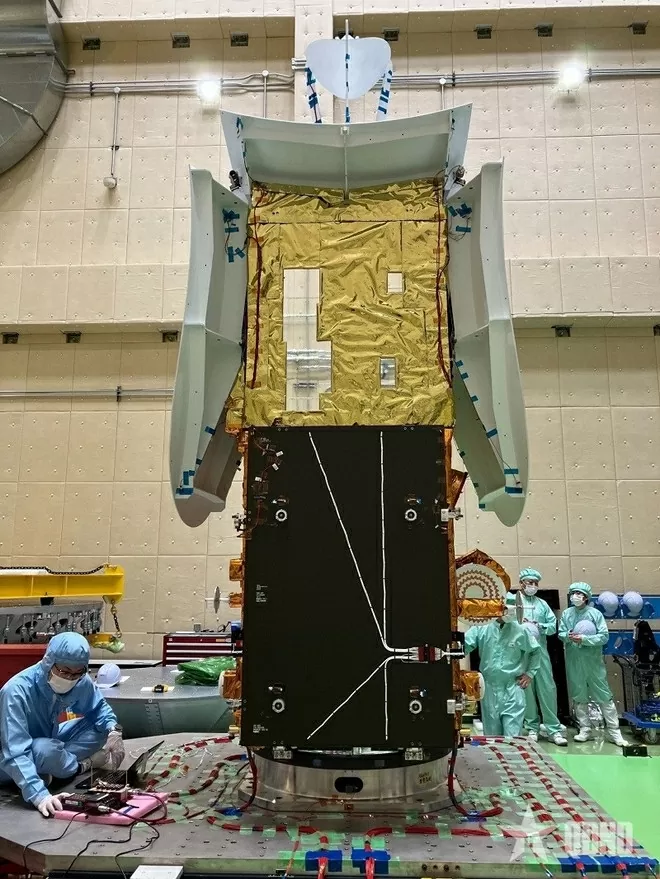 |
| Satellite assembly activities at the Vietnam Space Centre. (Photo courtesy of the Vietnam Space Centre) |
The research, development and mastery of space technology have been identified as a priority of Vietnam’s science and technology agenda, serving as a foundation for economic development and national security. With an initial technological base and timely policy support, Vietnam’s space sector is now poised for significant breakthroughs.
Space technology is no longer unfamiliar in the country. According to Associate Prof. Dr. Pham Anh Tuan, General Director of the Vietnam Space Centre under the Vietnam Academy of Science and Technology, the country began applying remote sensing as early as the 1980s. However, efforts to master satellite technology really took shape after 2006, when the Prime Minister issued Decision No. 137/2006/QD-TTg approving the strategy for research and application of space technology to 2020.
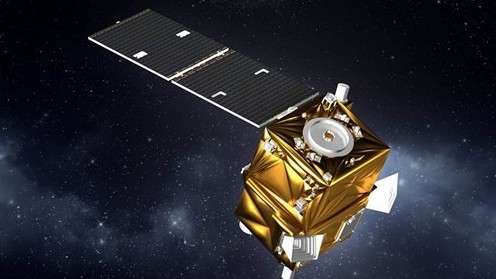
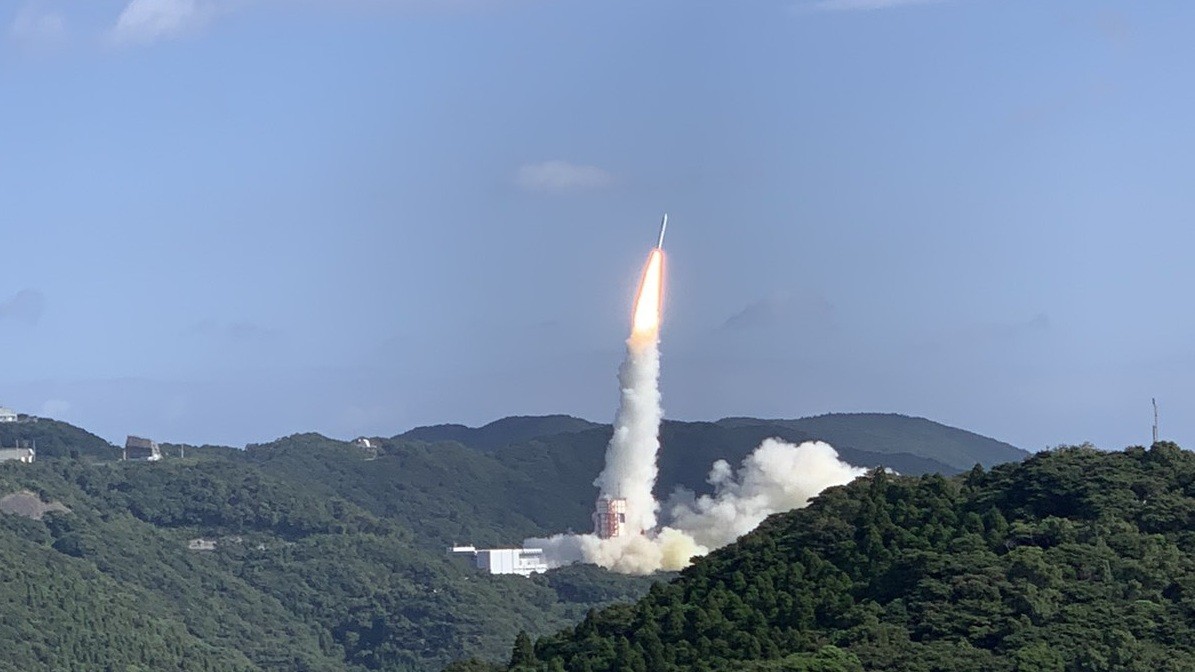
Since then, Vietnam has successfully launched several satellites, including VINASat-1 (2008), VINASat-2 (2012), VNREDSat-1 and PicoDragon (2013), MicroDragon (2019) and NanoDragon (2021). Notably, LOTUSat-1, Vietnam’s first Earth observation radar satellite, has completed production and is ready for launch. These achievements have laid important technical and operational foundations for the sector’s next phase of development.
Yet, experts noted that Vietnam’s space technology still faces numerous challenges: coordination among ministries and agencies remains suboptimal; long-term strategies, specialised laws and unified technical standards are lacking, leading to fragmented and inefficient investments. Infrastructure, though improved, remains modest; the pool of specialists, especially system engineers and chief designers, is still thin, lacking a defined professional skills framework and suitable incentives. Furthermore, space research demands large investment, long payback periods and a high degree of risk, posing significant barriers for domestic institutions.
The Party and State have placed strong emphasis on developing the sector, reflected in major science and technology policies. The Politburo's Resolution No. 57-NQ/TW on breakthroughs in science, technology, innovation and national digital transformation clearly identifies research and application of space technologies as a priority. The PM’s Decision No. 1131/QD-TTg dated June 12, 2025 names aerospace technology among 11 strategic technology groups. Additionally, the National Assembly’s Resolution No. 193/2025/QH15 on piloting satellite-based telecommunications services provides an important legal framework to accelerate development in this field.
In terms of workforce and infrastructure, the Vietnam Space Centre has built a core team through master’s and doctoral training programmes in satellite technology in Japan, paired with hands-on experience in satellite design, integration, testing and operation. The centre has also collaborated with Vietnam National University, Hanoi, the University of Science and Technology of Hanoi, and the Posts and Telecommunications Institute of Technology to train undergraduate and postgraduate students in space-related fields. This growing workforce now contributes directly to satellite projects, ground stations and data platforms, gradually shaping a generation of systems engineers and chief designers for the future.
Infrastructure development has also progressed. Key facilities include satellite data reception and processing stations, a satellite integration and testing centre, and most recently the Vietnam Space Museum, opened in August this year.
With policies in place and initial progress in human resources and infrastructure, choosing the right development pathway will be crucial for Vietnam’s space ambitions.
According to Tuan, a feasible roadmap involves developing a constellation of small Earth-observation satellites over the next 10-20 years, aligned with national needs in disaster reduction, climate response, agriculture, environmental management, infrastructure, and sea and islands.
Recently, VinSpace JSC was established, operating in six sectors, including aircraft manufacturing, spacecraft production and telecommunications satellites. The participation of such a private enterprise highlights the growing appeal of the industry and adds fresh momentum for its robust development in the years to come.

| Vietnam unlocks new cooperation opportunities with UK, Italy The Finance Minister's mission in the UK and Italy is expected to unlock new cooperation opportunities across multiple high-potential sectors, contributing to economic and financial ... |
| Vietnam–France partnership strengthens innovation and quantum technology A forum titled “Unlocking the Innovation Potential between France and Vietnam, Lessons from Nobel Laureate Serge Haroche” took place in Hanoi on October 3 as ... |

| Promoting Vietnam- U.S. cooperation in education, science and technology: Deputy FM Nguyen Minh Hang WVR - On November 4, Deputy Foreign Minister Nguyen Minh Hang attended a Policy Dialogue with Columbia University (USA), held at the Diplomatic Academy ... |

| Vietnam Education Publishing House: Innovating foreign language education through digital technology WVR - Vietnam Education Publishing House (VEPH) is taking the lead in applying digital technology to language teaching, helping Vietnamese students access international standards. |

| Embassy of Vietnam explores opportunities for enhanced cooperation with Sri Lanka's Northern Province WVR - A delegation from the Embassy of Vietnam led by Ambassador Trinh Thi Tam concluded a three-day official visit to Sri Lanka’s Northern Province ... |